
Saskatoon berry pie has been part of Prairie home baking for generations, and for many older Canadians, the recipe barely needs to be written down. Now a new wave of younger bakers is bringing it back, drawn to its deep color, almond-like flavor, and strong connection to place.
The berry that tastes like the Prairies
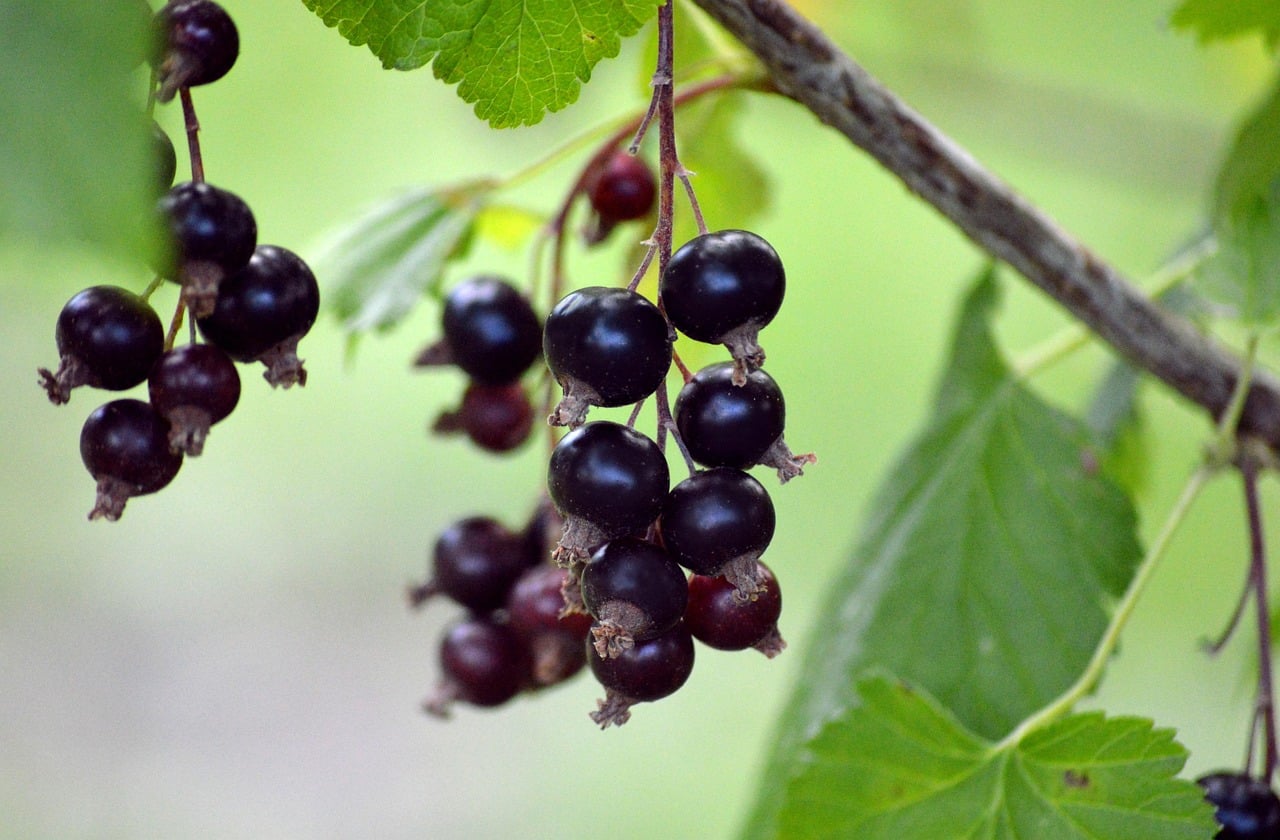
Saskatoon berries are native to the Canadian Prairies and have a flavor people often describe as richer than a blueberry, with hints of almond. The berries grow on shrubs in the rose family, and they have long been gathered across the Prairies for home cooking. That regional identity is part of the pie's appeal.
For older Canadians, the taste is familiar in a way few desserts can match. It recalls roadside stands, backyard bushes, and stained fingers in midsummer. For younger cooks, that same sense of place feels fresh, especially at a time when regional food traditions carry new appeal.
A recipe many families know by memory
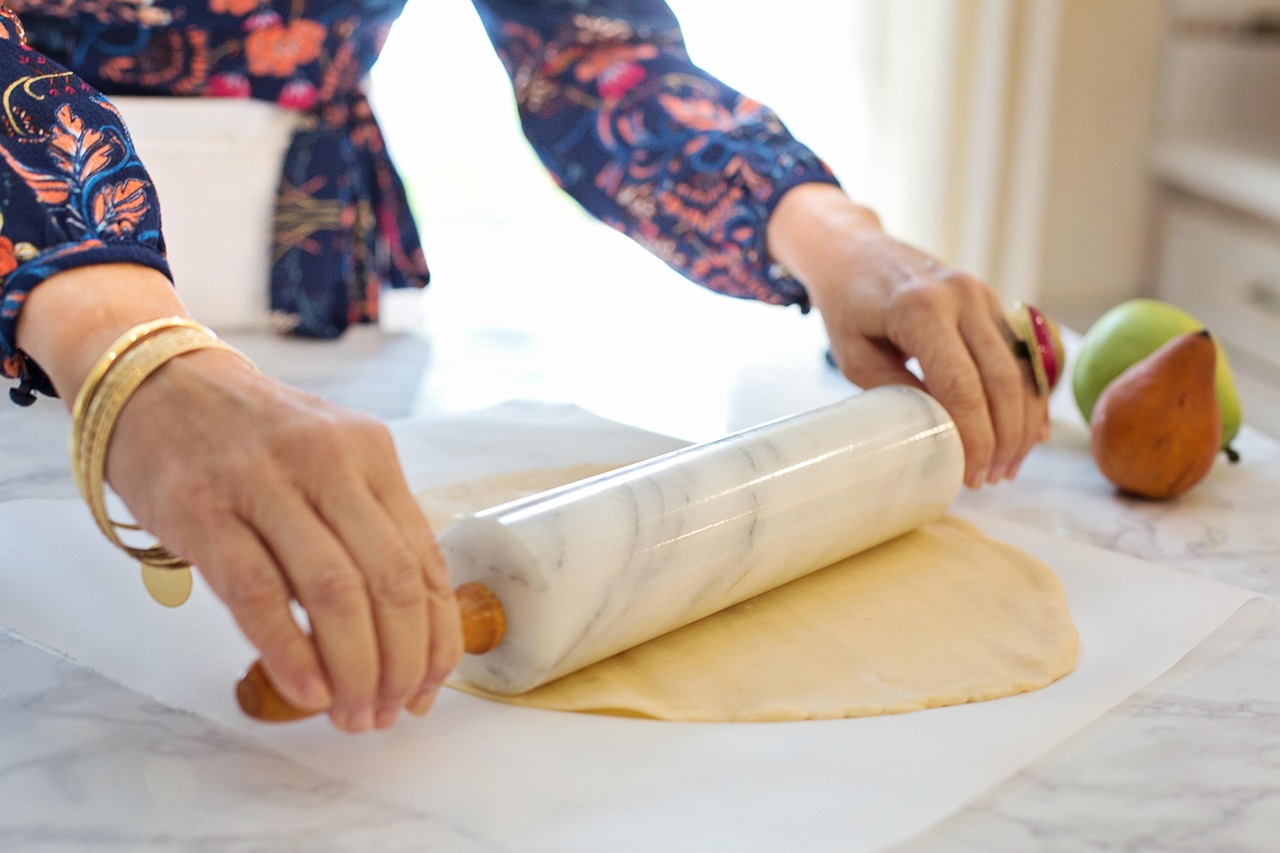
One reason Saskatoon berry pie feels so enduring is that the formula is simple. A typical filling uses Saskatoon berries, sugar, lemon juice, and a thickener such as flour, cornstarch, or tapioca. The pie is usually finished with a double crust or a lattice top, then baked until the juices bubble and the crust turns golden.
That kind of straightforward method is exactly how many family recipes survive. Measurements may shift slightly from kitchen to kitchen, but the structure stays the same. Many older home bakers learned it by watching a parent or grandparent, then repeating it often enough that the steps became second nature.
Why younger Canadians are obsessed with it now
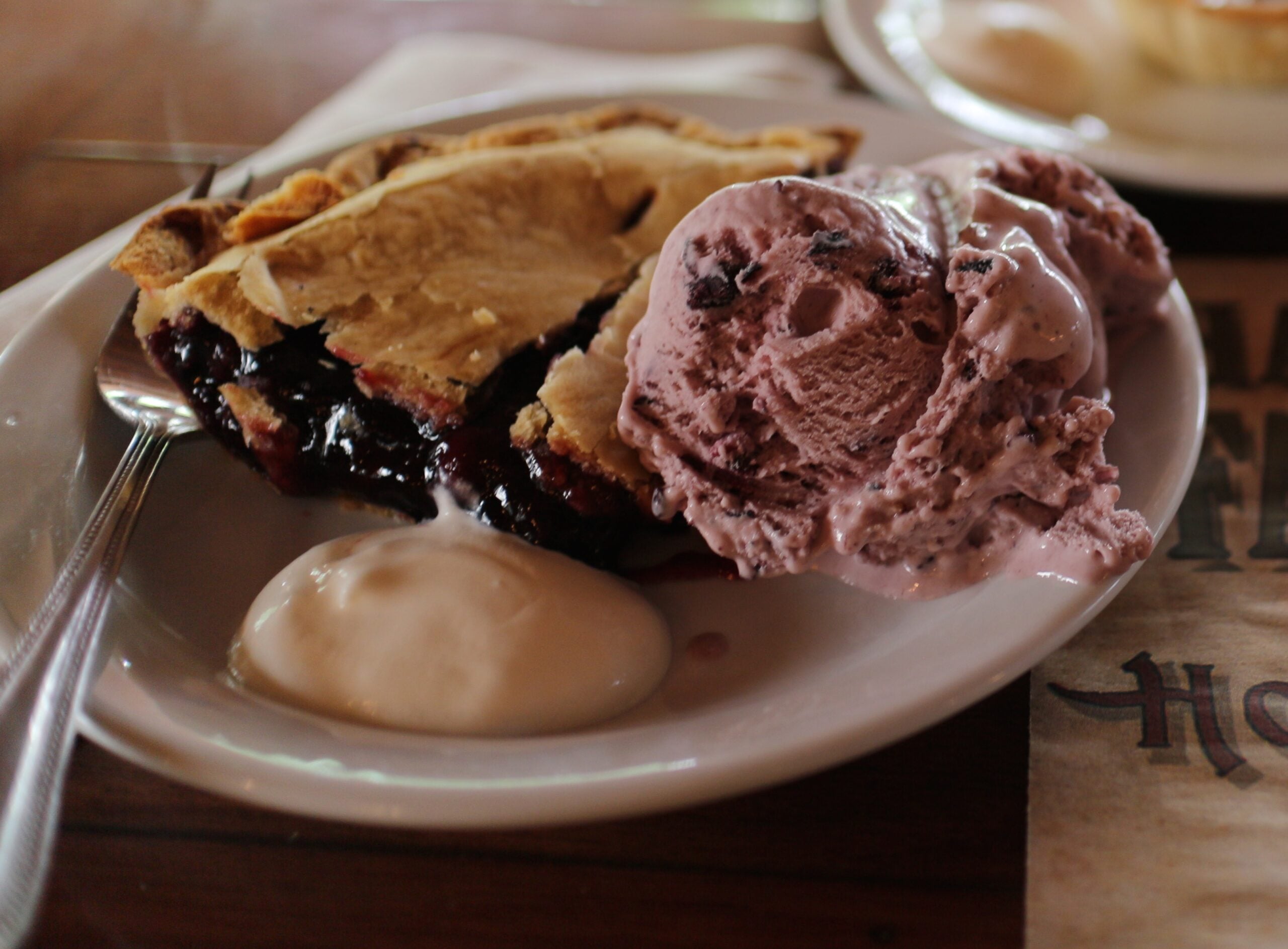
Part of the renewed interest comes from a broader return to heritage cooking. Younger Canadians are showing more interest in local ingredients, seasonal baking, and recipes with a story behind them. Saskatoon berry pie checks all three boxes, which helps explain why it stands out in a crowded dessert scene.
It also delivers a flavor many people do not expect. Saskatoon berries are sweet, but they also have an earthy depth that makes the pie taste more complex than standard berry desserts. That surprise factor, along with the pie's Prairie roots, helps turn a regional classic into something people want to talk about and share.
The filling holds up beautifully in the oven
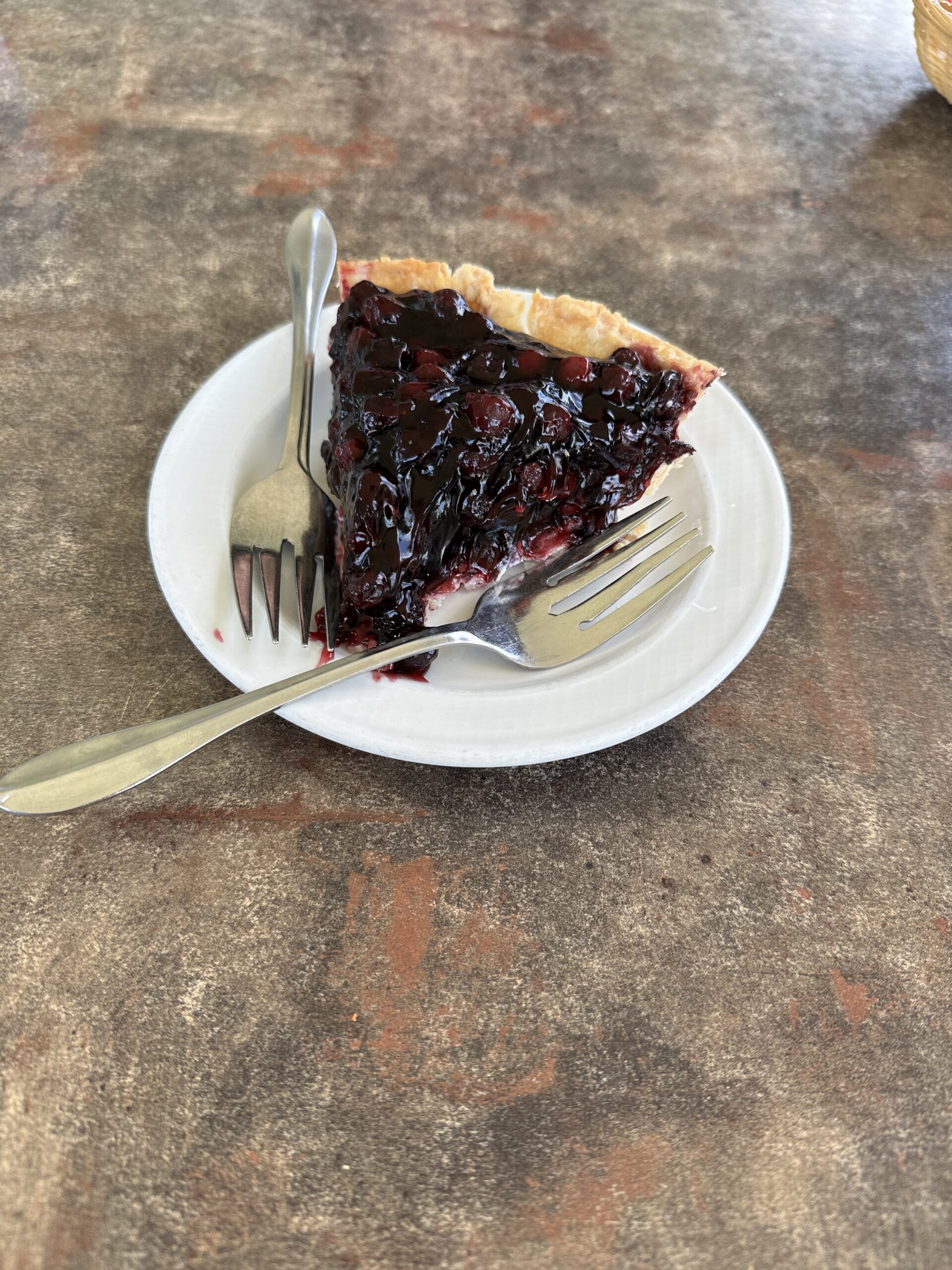
Saskatoon berries are especially well suited to pie because they keep their shape better than some softer fruits. Instead of collapsing into a loose puree, they tend to bake into a thick, spoonable filling with clear whole berries still visible. That gives the pie a hearty texture and a finished look that reads beautifully in photos and on a dessert table.
The berries also pair well with a few gentle additions. Lemon brightens them, cinnamon adds warmth, and a little butter can round out the filling. Most bakers keep the seasoning restrained, because the point is to let the berry's own flavor carry the pie.
It is more than dessert in Prairie food culture
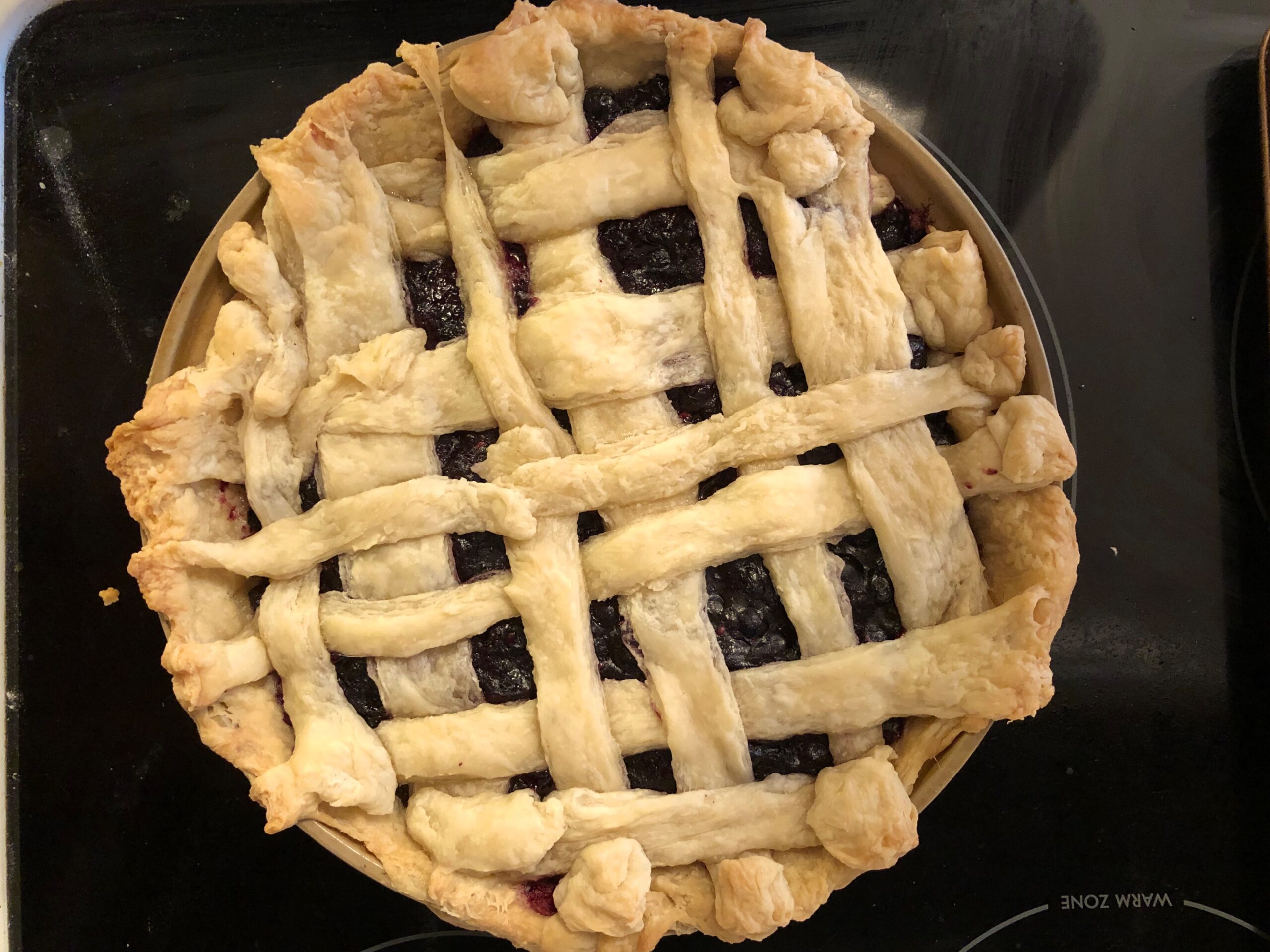
Saskatoon berry pie is not just a sweet course. In many Prairie homes, it has also been part of family reunions, church suppers, community fairs, and summer gatherings. That social role matters because it helps explain why the pie remained so firmly planted in memory, even as food trends changed around it.
The berry itself also has a longer story in Western Canada. Indigenous Peoples used Saskatoon berries as an important traditional food, including in dried preparations and pemmican. That history places the pie within a much bigger food landscape than a single recipe card can show.
Why this pie still feels current
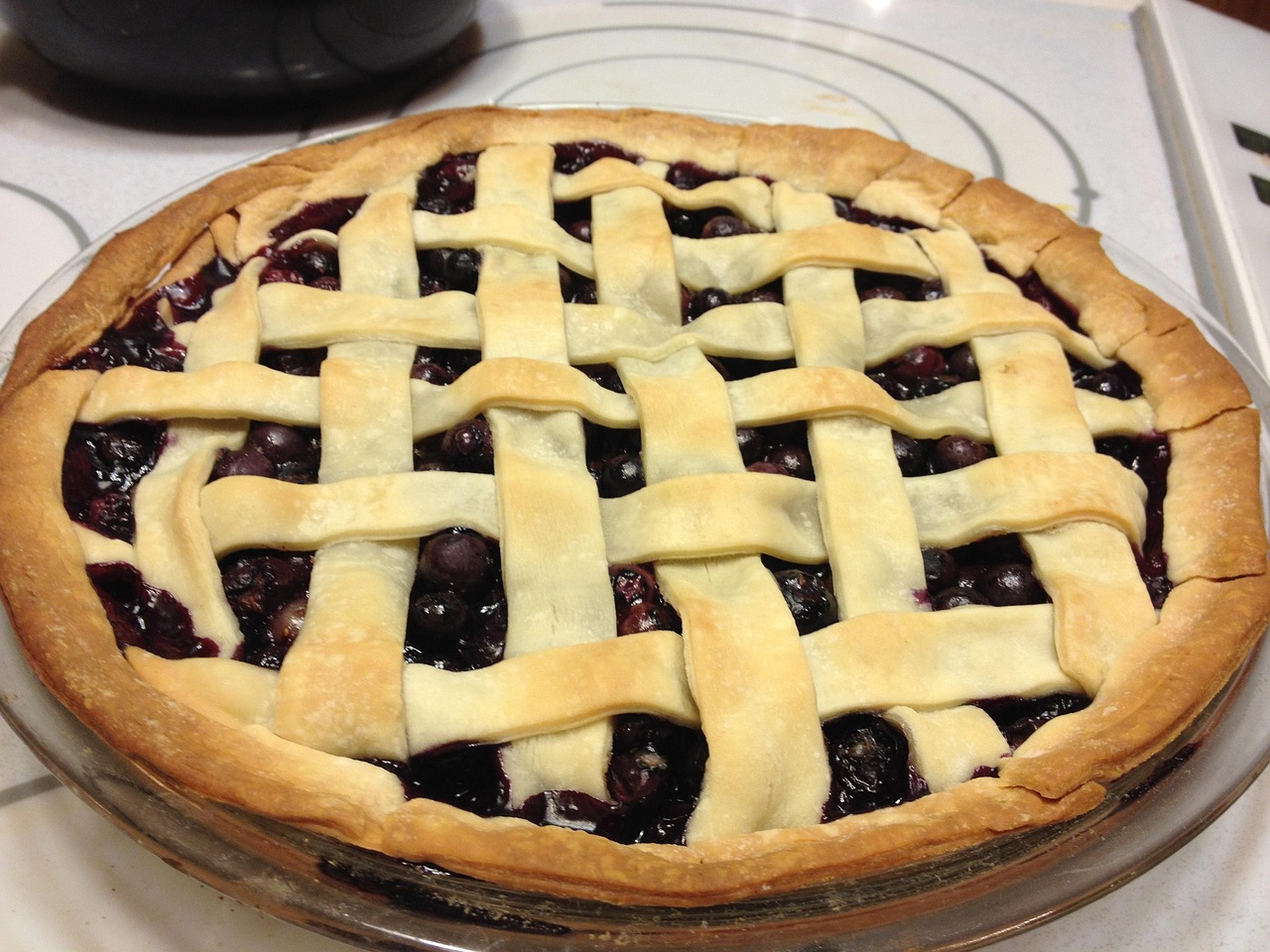
The strongest food revivals usually happen when something old answers a modern craving. Saskatoon berry pie does that by offering locality, seasonality, and a flavor that does not feel mass produced. It is nostalgic for some people, but it is also genuinely new to others, which gives it unusual staying power.
That is why the pie now lands with both grandparents and first-time bakers. One group knows it by heart, the other feels like it has discovered a secret worth keeping. In both cases, the result is the same, a Prairie classic with real momentum again.

Leave a Reply