
Bread does not simply dry out when it goes stale. What you are tasting is a fast-moving chain of chemical and manufacturing decisions built into the loaf long before it reaches your kitchen.
Stale bread is mostly a starch problem, not an age problem
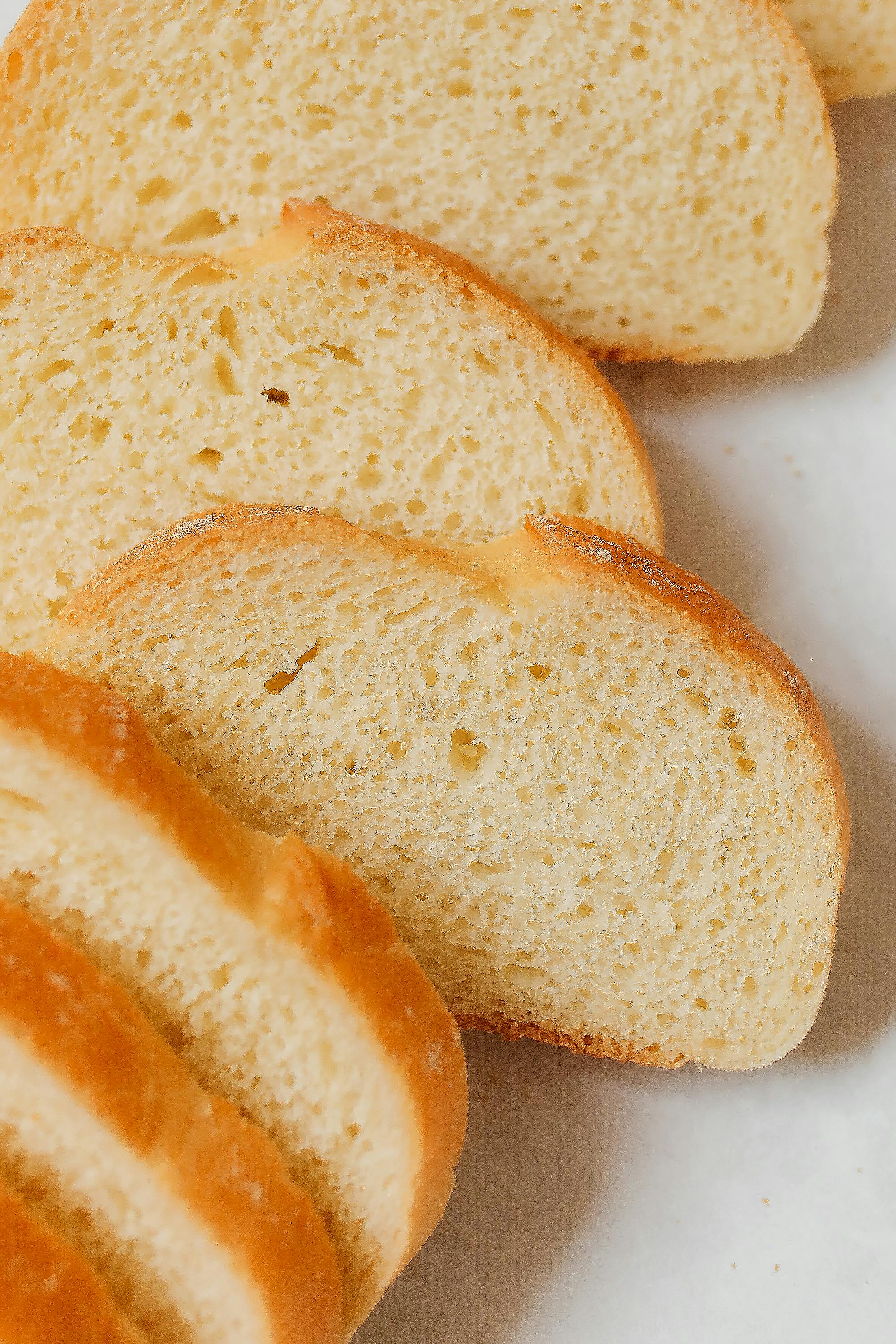
Most people assume stale bread is old bread, but staling starts soon after a loaf cools. The main culprit is starch retrogradation, a process in which gelatinized starch molecules begin to reorganize after baking. As they realign, the crumb becomes firmer, less springy, and noticeably less pleasant to eat.
This happens even when a loaf is still sealed and has not lost much water. Food scientists have shown that bread can feel stale while retaining much of its original moisture. In other words, texture changes first, and dryness is often just the sensation that follows.
Wheat bread is especially vulnerable because of how its starch behaves after heat and cooling. Amylopectin, one of starch's major components, slowly recrystallizes over time. That shift is a major reason a soft loaf can seem disappointingly old by the next day.
Industrial bread is designed for softness first, not a long fresh-bread window
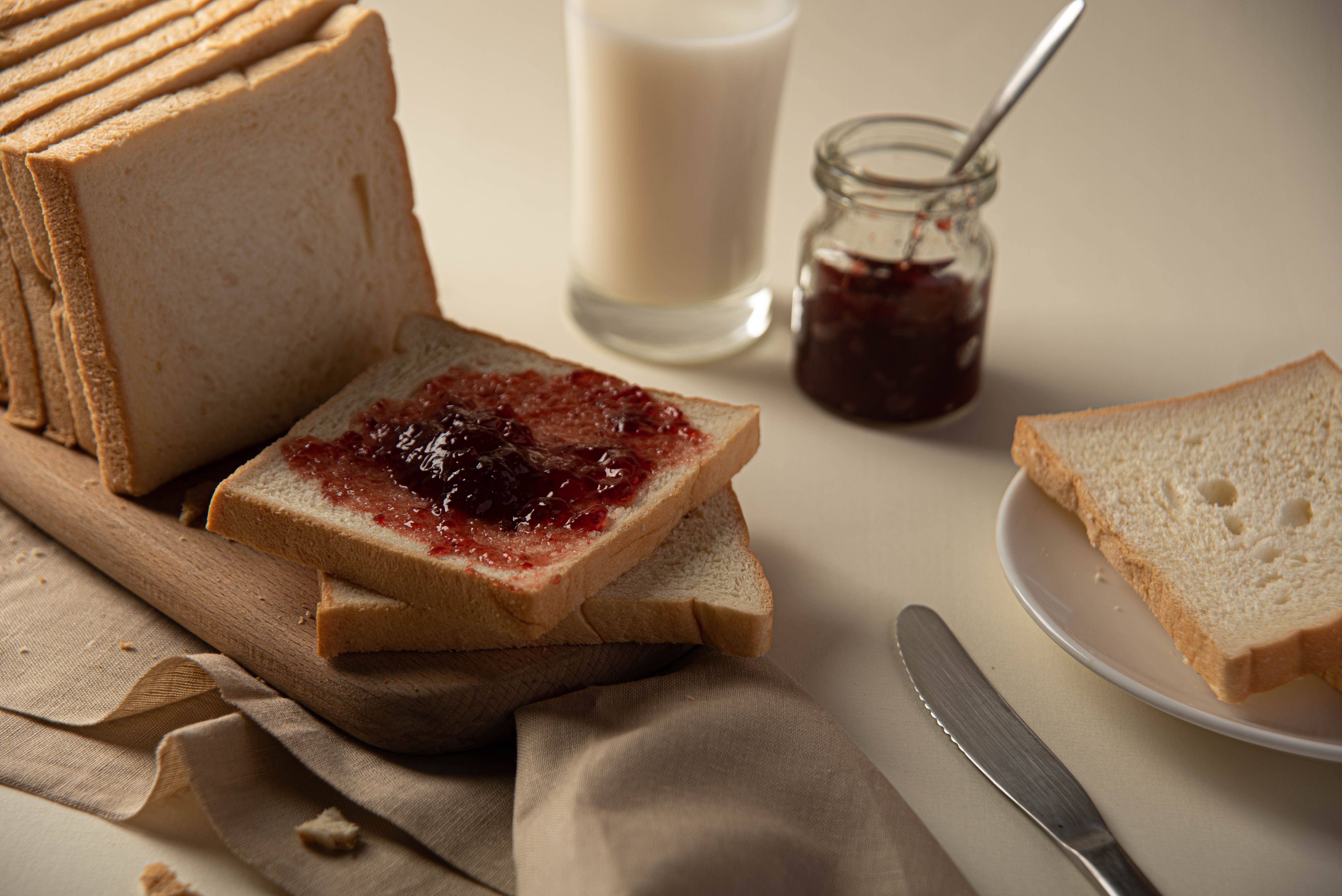
Here is the tradeoff many shoppers never see. Supermarket bread is usually engineered for immediate softness, uniform slices, and long shelf display, not for the slow, complex aging pattern of a bakery loaf made with fewer interventions.
Large commercial bakeries use high-speed mixing, dough conditioners, emulsifiers, added enzymes, and tightly standardized fermentation schedules. These tools create bread that looks appealing and slices perfectly. They also produce a fine, even crumb that can lose its ideal texture quickly once the loaf is opened.
The production model matters as much as the recipe. Factory loaves are often baked, cooled, sliced, bagged, transported, warehoused, and shelved on rigid timetables. By the time you buy the loaf, part of its best eating window may already be gone, even if it is still technically fresh.
Packaging helps bread avoid mold, but it can speed the wrong kind of aging
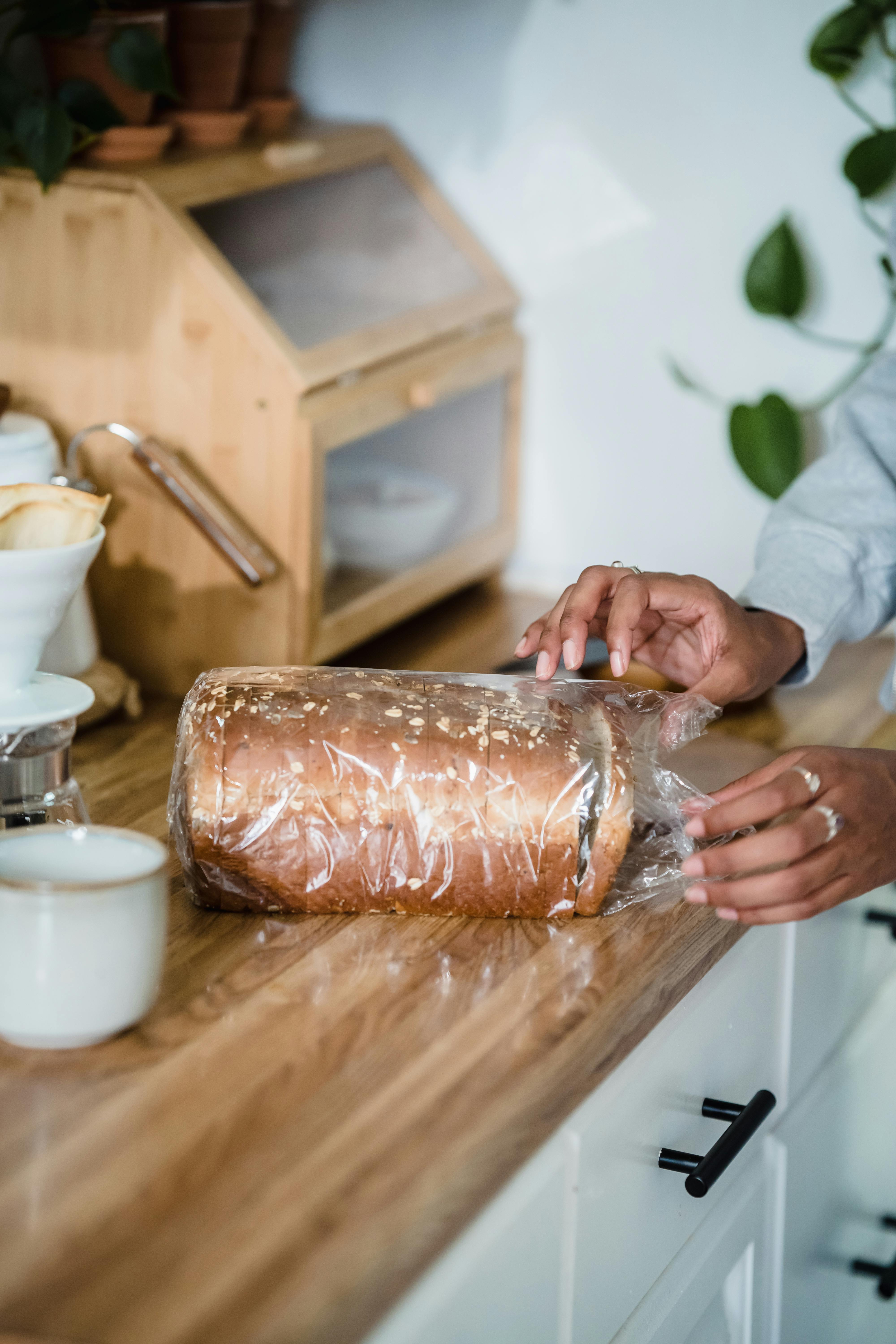
A plastic bread bag solves one problem very well. It traps moisture, which helps prevent the loaf from drying into a hard brick within hours. But that same environment does not stop starch retrogradation, so the bread can stay moist while still turning tough and dull.
This is why supermarket bread often feels oddly soft on the outside yet stale when chewed. The crust loses its crispness in the bag because moisture migrates outward from the crumb. Meanwhile the interior structure keeps firming as starch crystals reform.
Temperature makes things worse in surprising ways. Bread stales fastest around typical refrigeration temperatures, which is why storing a sandwich loaf in the fridge usually makes it seem old sooner. Counter storage is often better for a couple of days, while freezing is best for longer keeping.
Ingredients and preservatives do not stop staling as completely as people think

Many shoppers blame preservatives, but preservatives mainly target mold and microbial spoilage. Calcium propionate and similar ingredients help bread last safely on the shelf. They do not fully prevent the internal starch changes that cause that familiar stale bite.
Some ingredients can slow staling. Emulsifiers, fats, sugars, and certain enzymes interfere with starch recrystallization and help preserve softness. That is one reason enriched sandwich bread stays tender longer than a lean artisan loaf, even though both can still stale in their own way.
Even so, there is no perfect shield. A loaf with a long ingredient list may resist mold for days and still taste tired early. Softness, safety, and flavor life are related, but they are not the same thing, and bread makers balance them differently.
Slicing, airflow, and home storage make supermarket bread decline even faster

The first cut changes everything. Pre-sliced bread has far more exposed surface area than an unsliced loaf, which means more places for moisture movement and texture loss to begin. Convenience comes at a quality cost, especially once the bag is opened repeatedly.
Everyday handling also matters. Each time you open the bag, squeeze out slices, or leave it loosely sealed, you disturb the loaf's moisture balance. Warm kitchens, direct sunlight, and placing bread near ovens or appliances can accelerate the decline further.
Why bakery loaves often seem fresher longer, even when they mold sooner
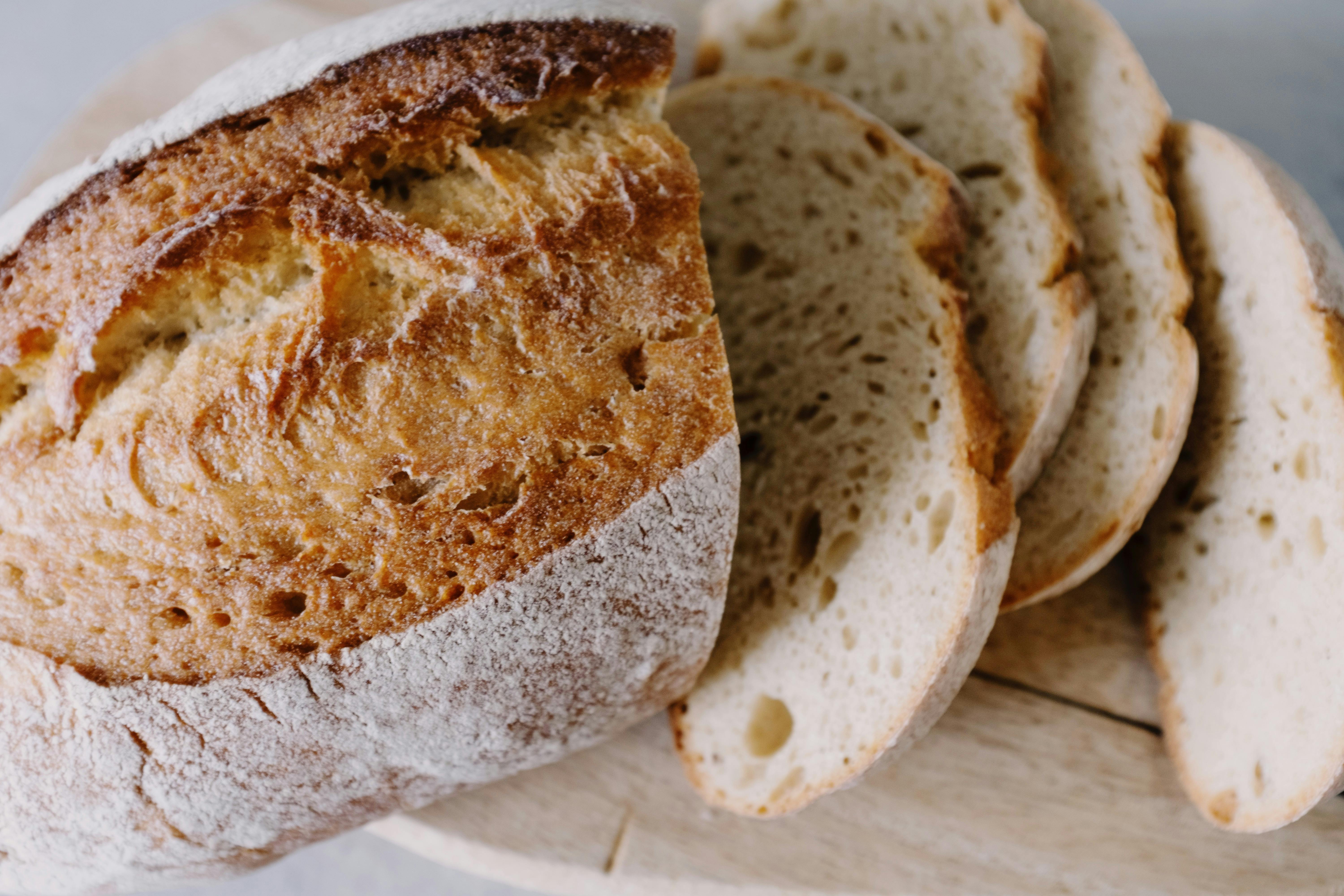
This sounds backward, but it makes sense once you separate staling from spoilage. Bakery bread, especially naturally fermented or crusty loaves, may mold faster because it lacks stronger preservatives. Yet it can taste fresher longer because its structure, crust, and fermentation develop differently.
Longer fermentation can improve flavor and alter crumb behavior. Thicker crusts also protect the interior in a way that soft packaged bread cannot match. A rustic loaf may become firmer over time, but it often remains flavorful and useful for toast, soups, or sandwiches.
That is the real answer to why supermarket bread goes stale so fast. It is not just inferior bread or careless storage. It is the result of starch chemistry, soft-bread engineering, slicing, packaging, and distribution, all working together from factory line to lunchbox.


Leave a Reply