
That takeout box in your fridge may look harmless. In reality, leftovers become unsafe far faster than most people realize.
The danger usually starts before you get home
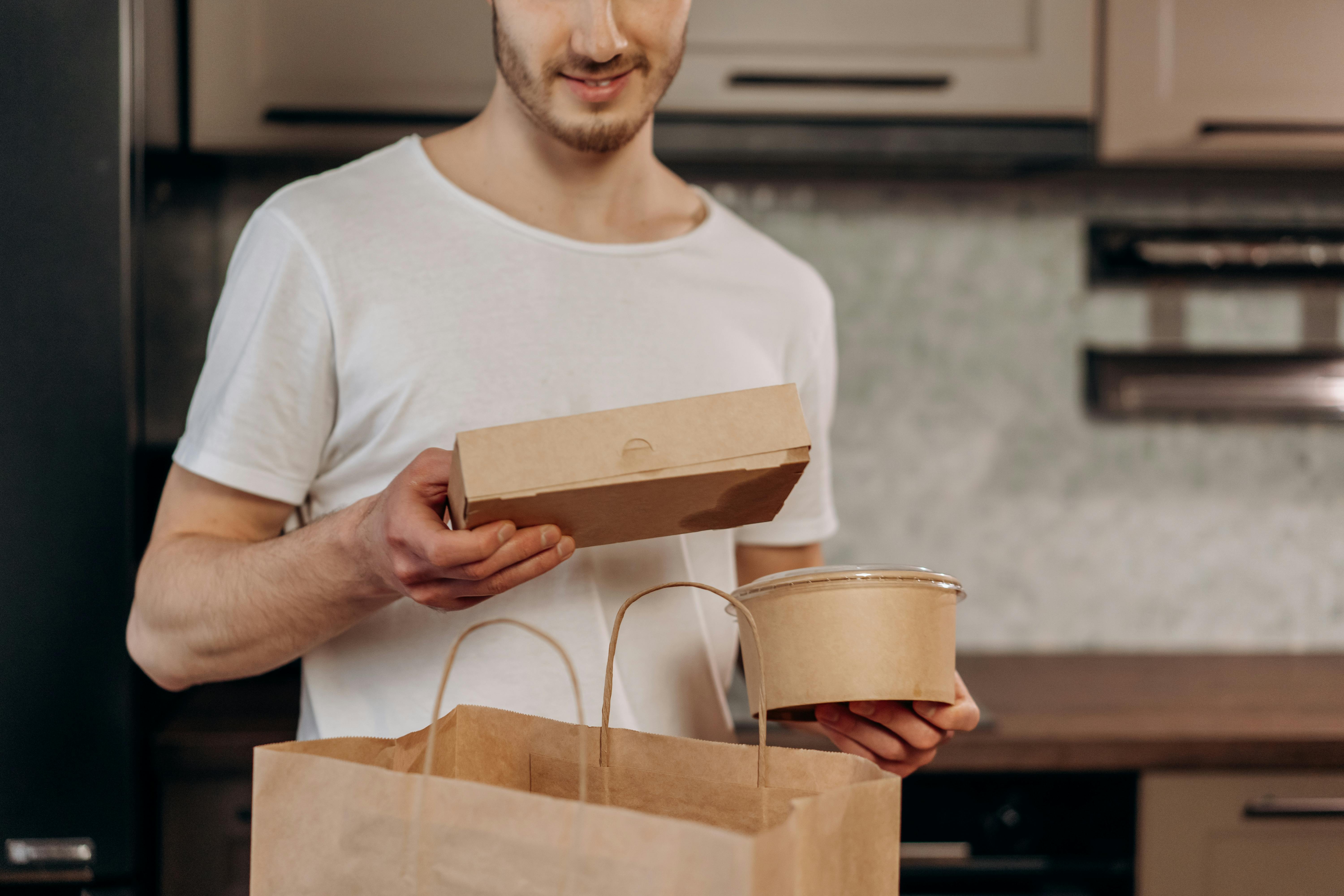
The biggest mistake with restaurant leftovers often happens in transit. Food safety rules are built around temperature control, and many cooked foods become risky when they sit between 40°F and 140°F for too long. The FDA calls this the danger zone because bacteria can multiply quickly there, especially in moist, protein-rich foods like rice, chicken, seafood, pasta, eggs, and sauces.
A restaurant may serve food safely hot, but your trip home changes the equation. A 20-minute drive, a stop at the store, and another half hour on the counter can push food past the 2-hour limit. If the weather is above 90°F, that safe window shrinks to 1 hour.
Delivery creates similar problems. Insulated bags help, but they do not guarantee safe holding temperatures. If your order sat waiting for pickup, then spent extra time in a car, the clock was already ticking before the first bite.
Some leftovers are much riskier than others
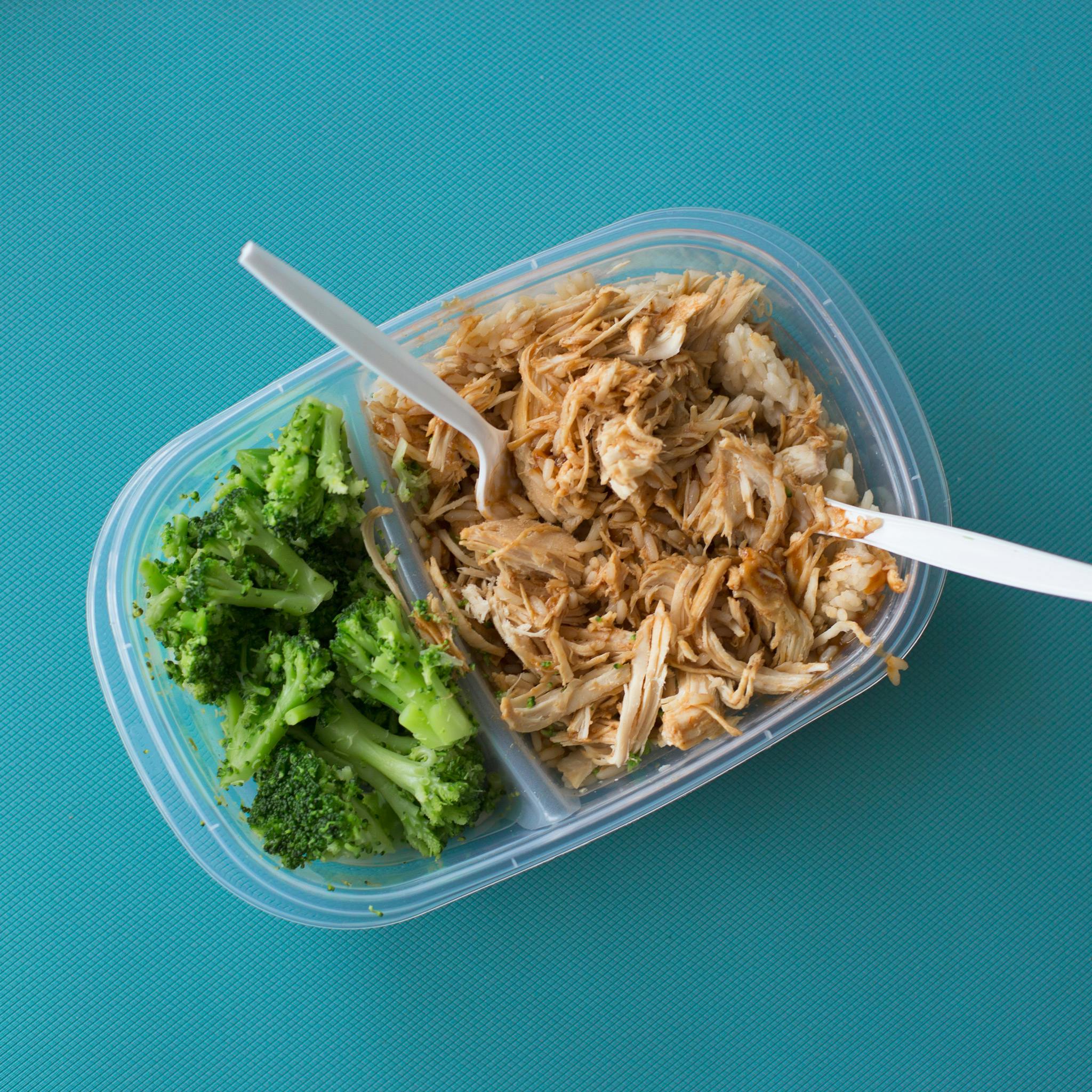
Not all leftovers spoil in the same way. Starchy foods such as rice and pasta are surprisingly common troublemakers because they can harbor Bacillus cereus, a bacterium known for causing vomiting and diarrhea. Its spores can survive cooking, and if the food cools slowly, those spores can grow and produce toxins that reheating may not destroy.
Chicken, beef, pork, and seafood carry different risks. If they are under-refrigerated, bacteria such as Salmonella, Campylobacter, Clostridium perfringens, and Staphylococcus aureus can multiply rapidly. Dishes with gravy, broth, cream, or melted cheese are especially vulnerable because dense, warm mixtures cool slowly.
Leafy garnishes, cut tomatoes, cooked vegetables, and raw onion toppings can also become contaminated through handling. Once mixed into a dish, they add moisture and increase the chance that one unsafe ingredient affects the entire container.
Your fridge is not a magic reset button

Many people believe refrigeration stops bacterial growth completely. It does not. A properly cold fridge slows growth, but some organisms continue multiplying, and food quality can decline long before leftovers smell bad. According to food safety guidance, leftovers should usually be refrigerated within 2 hours and eaten within 3 to 4 days.
How leftovers are stored matters just as much as when they are stored. A large, deep container traps heat, keeping the center warm for too long. Shallow containers help food cool faster, which lowers the chance that bacteria can multiply before the fridge fully chills the contents.
Crowded refrigerators are another hidden issue. When cold air cannot circulate well, some foods stay warmer than the thermostat suggests. A fridge should be kept at 40°F or below, and an appliance thermometer is often more reliable than the dial inside the door.
Reheating does not always make bad leftovers safe
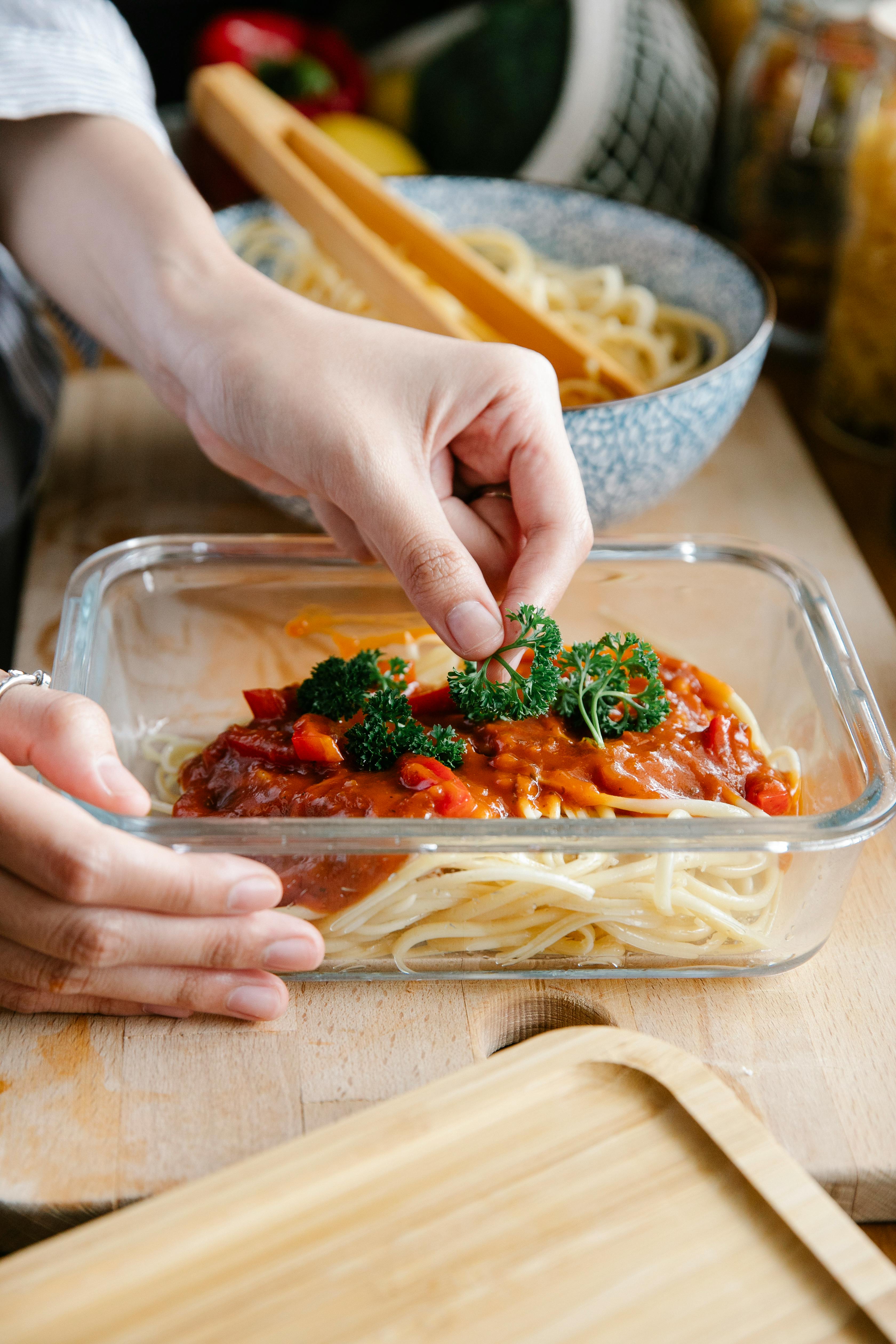
A microwave can make food steaming on the edges while leaving the center lukewarm. That uneven heating is one reason people get sick after eating leftovers they thought they reheated properly. In general, leftovers should reach 165°F throughout, with soups and sauces brought to a full rolling boil when appropriate.
Even perfect reheating has limits. Some bacteria produce toxins that are heat-stable, meaning the toxin remains dangerous after the bacteria themselves are reduced. This is one reason rice, pasta, custards, and foods handled a lot after cooking can still cause illness even when they seem very hot.
Texture can also mislead you. Crispy food revived in an oven may taste fresh, while a creamy dish may smell normal despite unsafe bacterial growth. Sight, smell, and taste are poor safety tests because many harmful microbes do not noticeably change the food.
Restaurant packaging can make the problem worse

Takeout containers are designed for transport, not always for safe cooling. Foil wraps, tightly lidded plastic tubs, and overpacked clamshells hold heat and steam, which slows cooling once food arrives home. When hot food stays trapped in a deep container, the center can remain in the danger zone for much longer than expected.
Mixed dishes are especially tricky. A container packed with rice, meat, vegetables, and sauce cools unevenly, with different ingredients holding heat at different rates. Large portions should be divided into smaller containers as soon as possible so cold air can work on more surface area.
People also reuse the original container too long. Eating a few bites, leaving the rest out, then refrigerating it again adds another round of temperature abuse. Each cycle gives bacteria more opportunity to multiply to illness-causing levels.
How to make leftovers safer every single time

The safest habit is speed. Refrigerate leftovers quickly, separate large portions, and avoid letting takeout sit in the car or on the kitchen counter while you finish errands. If you know you will not eat the food within 3 to 4 days, freeze it early instead of hoping it still seems fine later.
Reheat only the amount you plan to eat. Repeated warming and cooling adds risk and also degrades texture, making it harder to judge freshness. Use a food thermometer if possible, especially for dense dishes such as casseroles, rice bowls, lasagna, and thick soups.
Most important, do not negotiate with doubt. If leftovers were left out too long, stored warm, or reheated unevenly, throwing them away is the cheaper option compared with food poisoning. A single takeout meal is never worth days of vomiting, diarrhea, fever, or dehydration.


Leave a Reply