
Canadian grocery bills can feel high for many reasons, but some products stand out again and again. These five items are often priced above what shoppers in other markets pay, and the reasons usually come down to policy, distance, seasonality and shelf strategy.
Dairy products
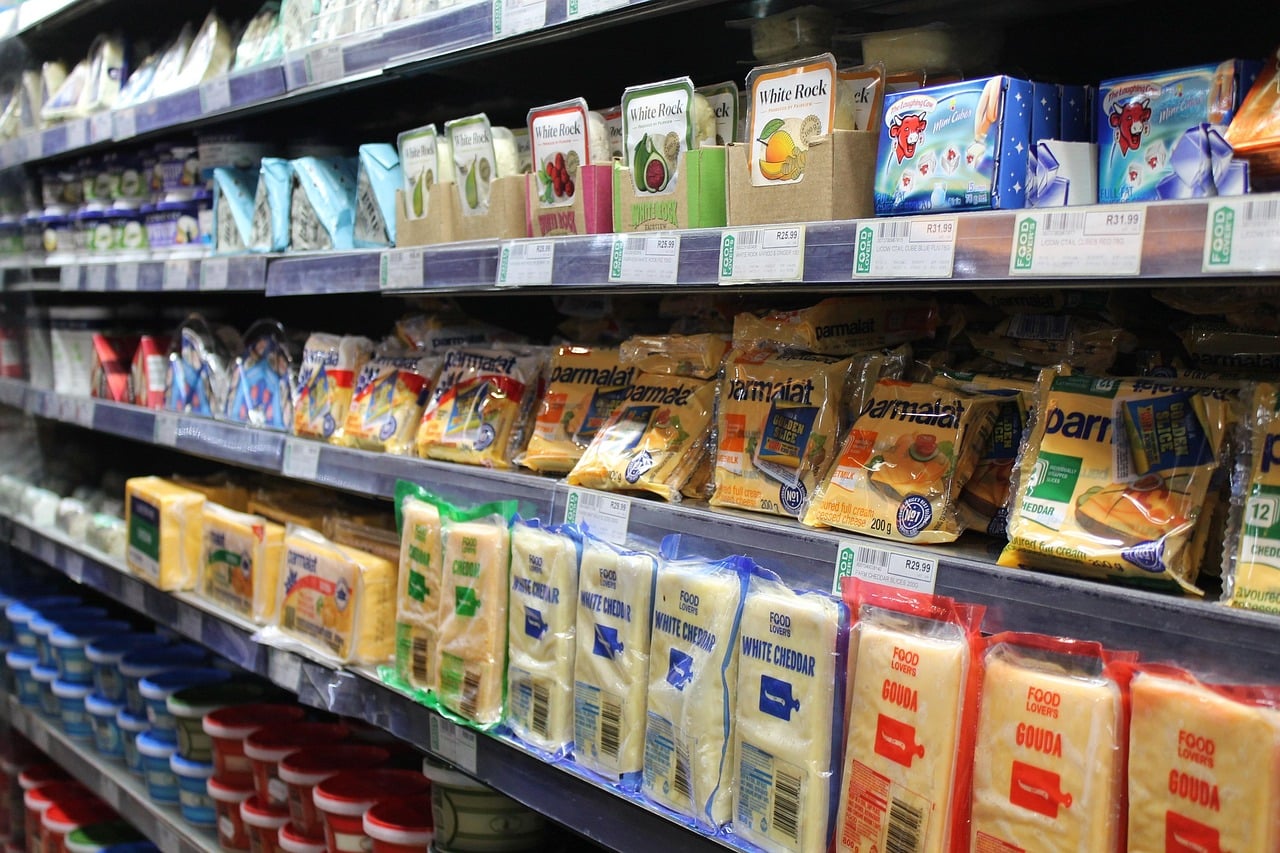
Milk, cheese and butter are some of the clearest examples of higher Canadian food prices. A big reason is supply management, the system that controls domestic production and limits foreign competition through quotas and high import tariffs.
The Canadian Dairy Commission sets support prices for butter and skim milk powder, and those benchmarks influence prices across the dairy aisle. That does not mean every carton of milk costs the same in every province, but it does mean the category is shaped by rules that keep prices above fully open market levels.
The Organisation for Economic Co operation and Development has repeatedly shown that Canada provides significant market price support to dairy producers. For shoppers, the result is familiar at checkout: everyday items like cheese blocks, yogurt and cream often cost noticeably more than comparable products in the United States.
Chicken and eggs
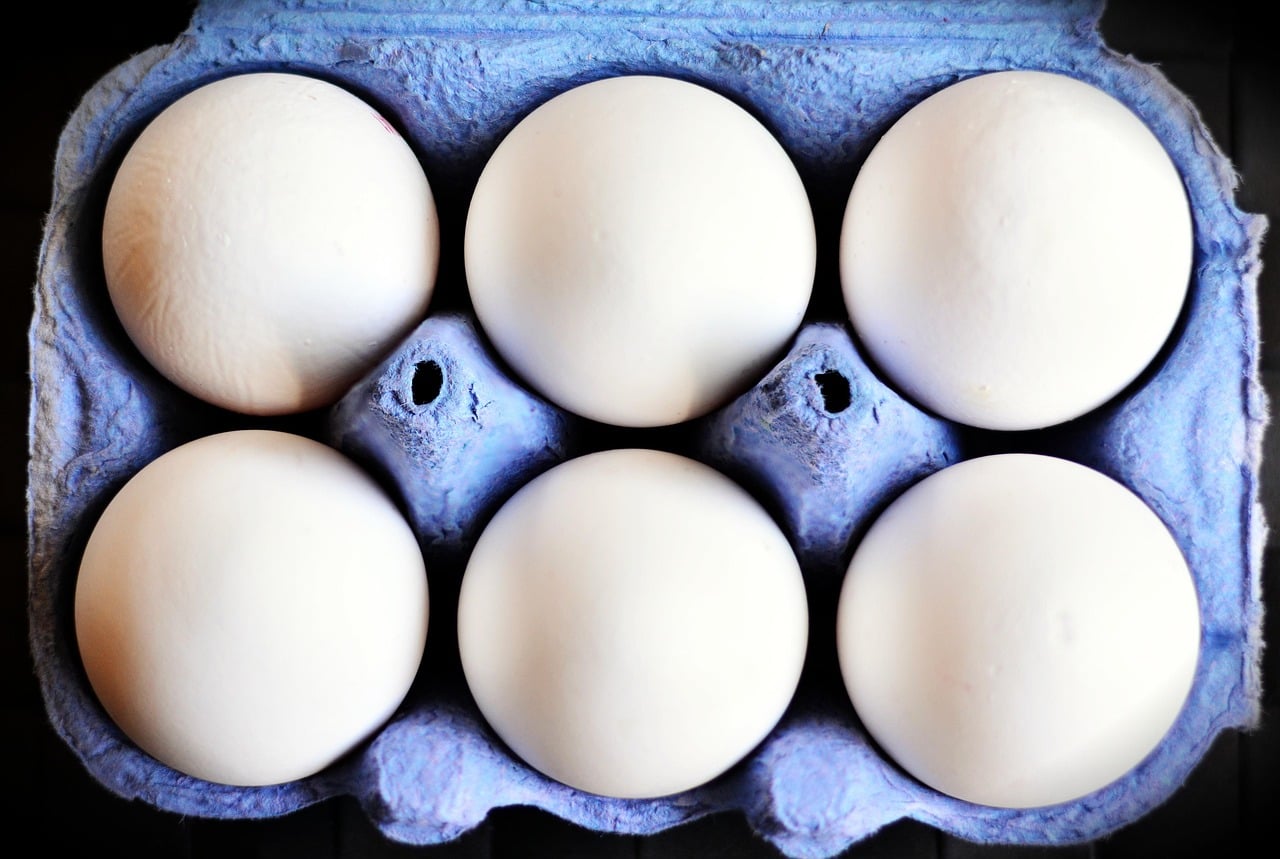
Chicken and eggs look like basic budget proteins, but in Canada they are also affected by supply management. That makes them different from products whose prices move more freely with global supply and competition.
Chicken Farmers of Canada manages production through quotas, while eggs are regulated through a similar national system. Supporters say this helps stabilize farm income and supply, but it also limits the kind of price competition shoppers might see in less regulated markets.
Statistics Canada has documented price pressure in both categories during periods of inflation, and those increases land hard because these are weekly purchases for many households. When a tray of eggs or a family pack of chicken rises by even a small amount, the monthly grocery total moves quickly.
Out of season fresh berries
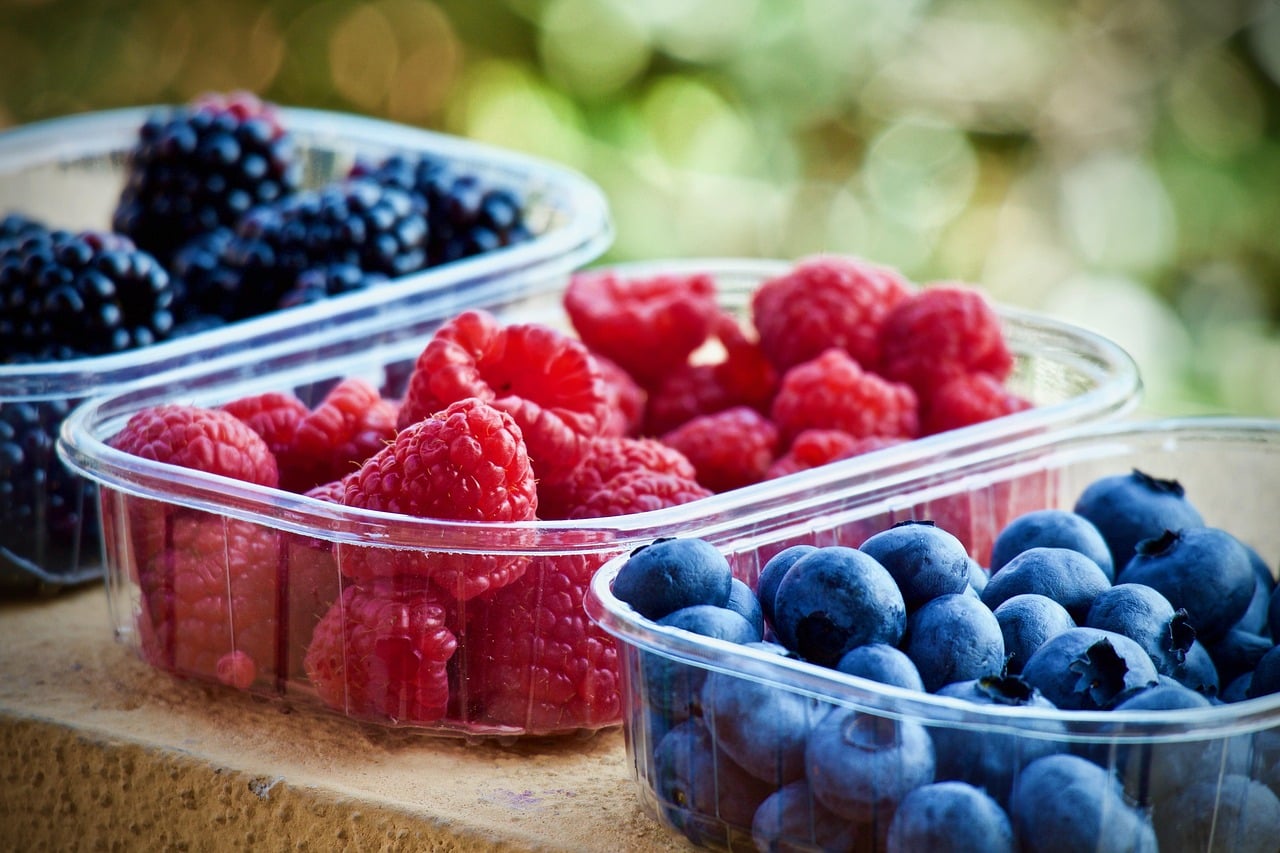
A winter clamshell of strawberries can be one of the most expensive small purchases in the produce section. The price is not just about the fruit itself. It reflects refrigeration, trucking, spoilage risk and the long trip from warmer growing regions.
Canada imports large volumes of fresh produce from the United States and Mexico, especially outside the domestic growing season. That dependence matters because berries are delicate, highly perishable and costly to move without damage.
Retailers also know berries have strong visual appeal and are tied to healthy eating habits, so shoppers often accept higher prices for them. In peak Canadian season, local berries can be more affordable and fresher, but in colder months the premium is hard to miss.
Pre cut fruits and vegetables
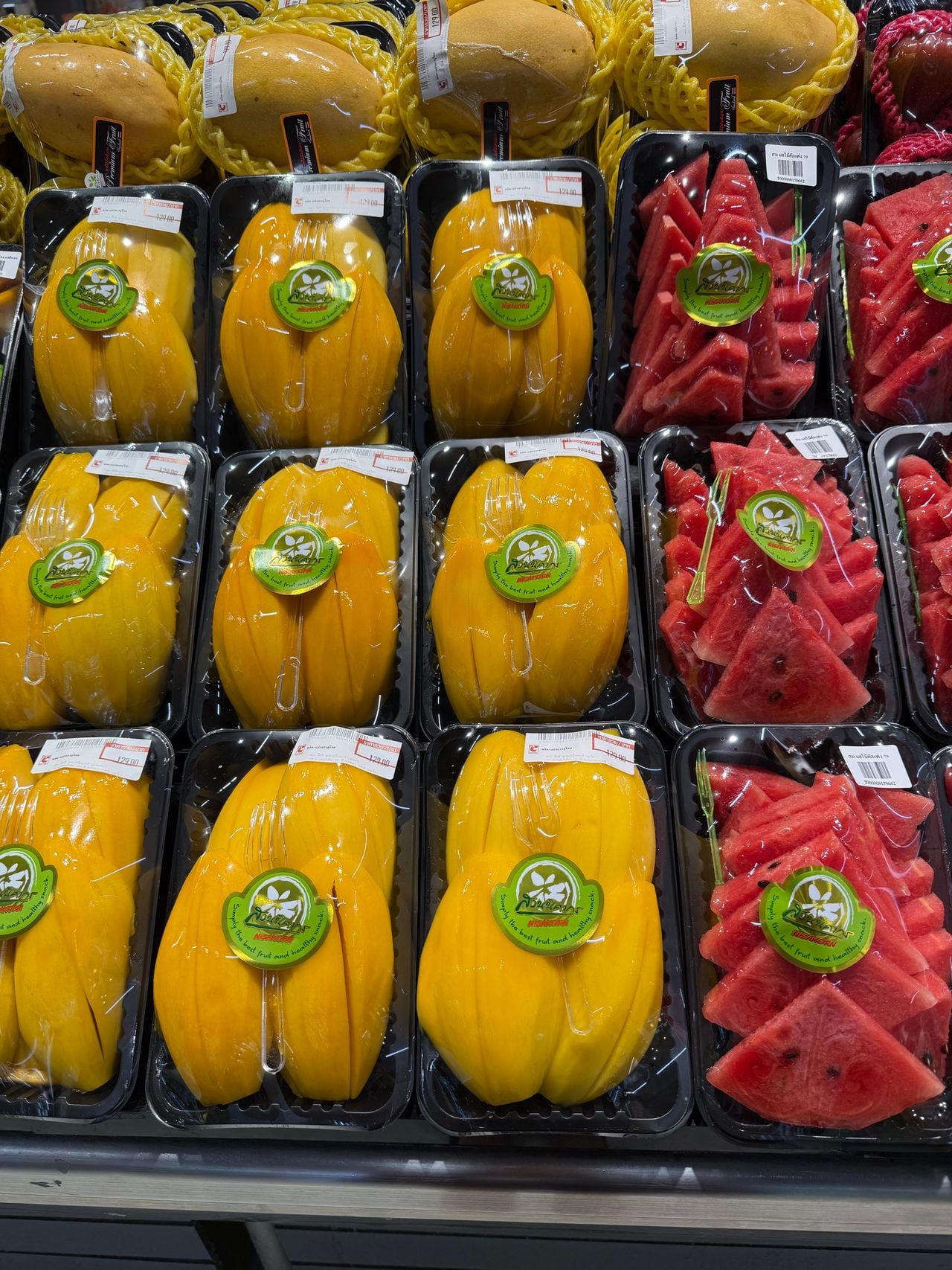
Convenience is expensive in almost every grocery store, and nowhere is that clearer than with pre cut produce. A tub of sliced pineapple or a tray of chopped broccoli often costs far more per kilogram than the whole version beside it.
Part of that markup covers labor, packaging and shorter shelf life. Once produce is peeled or cut, it loses moisture faster and has to be sold quickly, which raises handling costs and waste risk for stores.
For shoppers, the premium can be dramatic even when the ingredient is exactly the same. Consumer advocates and budgeting experts routinely point to this section as one of the easiest places to overspend, because the extra price reflects preparation and packaging more than better quality.
Snack packs and single serve groceries

Small packages often create the illusion of value, but they usually carry a higher unit price. Individual yogurts, mini chip bags, single serve cheese portions and tiny juice boxes can cost much more than larger formats of the same product.
That pricing is partly about packaging costs and partly about retail psychology. Smaller items fit lunchboxes and busy schedules, so brands can charge more for portability and portion control.
In a country where food inflation has already stretched household budgets, those little premiums add up fast. Comparing the shelf label by unit price, not just sticker price, is often the simplest way to spot where convenience is quietly costing more.

Leave a Reply