
Beef casseroles work because they solve more than one dinner problem at once. They stretch a pound or two of meat, welcome pantry staples, and often taste even better after the flavors settle together in the oven.
Classic lasagna casserole

Some casseroles feel substantial before they even reach the table, and lasagna is one of them. Layers of beef, sauce, pasta, and cheese create a full meal with very little need for side dishes beyond a salad or simple vegetables.
Ground beef is usually browned first, then simmered with tomato sauce so the meat carries flavor into every layer. Ricotta or cottage cheese adds softness, while mozzarella gives the browned, stretchy top many people expect. The structure matters as much as the ingredients.
A well-built lasagna casserole also holds up for leftovers, which is part of its appeal on busy weeks. After baking, a short rest helps the layers set cleanly, making it easier to slice and serve without a watery pan.
Cheesy beef and noodle bake

This is the kind of casserole that leans on ingredients many households already have. Egg noodles, seasoned ground beef, a creamy binder, and a generous layer of cheese come together into a dish that feels familiar in the best way.
The noodles are important because they cook quickly and stay tender without turning mushy as easily as some other pastas. Sour cream, cream cheese, or a condensed soup mixture often gives the casserole its creamy middle, balancing the savory beef.
Cheddar is a natural finish here because it melts smoothly and adds a sharper flavor than mozzarella. A little onion or garlic in the beef mixture keeps the dish from tasting flat, and a breadcrumb topping can add contrast to an otherwise soft bake.
Shepherd's pie style beef casserole
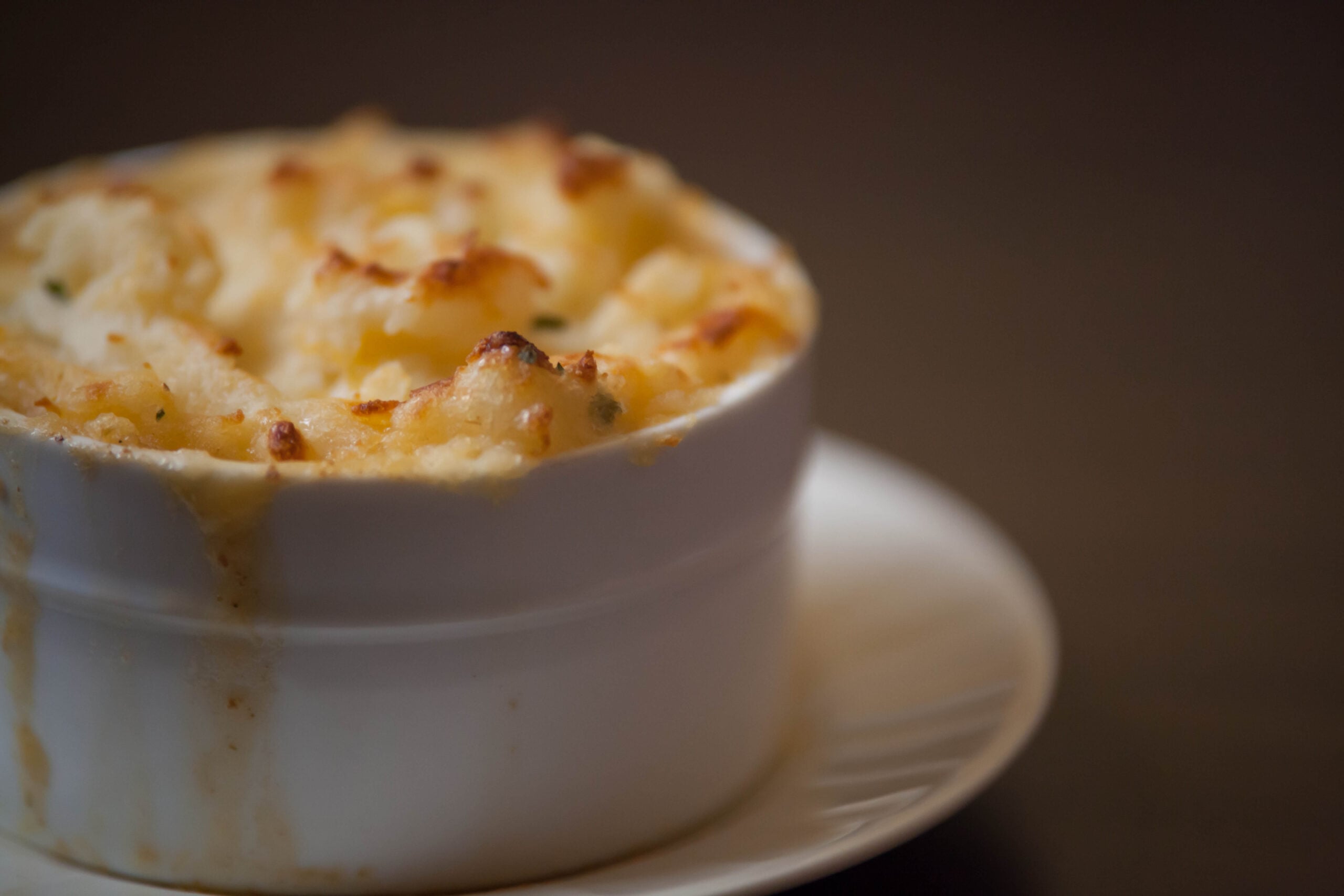
This version borrows the comfort of shepherd's pie but uses beef, which technically makes it closer to cottage pie. The basic idea is simple and effective: seasoned beef on the bottom, mashed potatoes on top, and enough oven time to brown the edges.
The filling often includes onions, carrots, peas, and a little broth or gravy. Those additions do more than bulk up the casserole. They bring moisture and sweetness, which keeps the beef from feeling one-note.
The potato topping is where texture comes in. Butter and milk make it spreadable, and a fork dragged across the surface creates ridges that brown in the oven. That contrast between crisp peaks and soft filling is what makes this style so satisfying.
Taco beef casserole

A taco-inspired casserole brings bold flavor without requiring everyone to assemble their own plate. Ground beef seasoned with chili powder, cumin, and garlic forms the base, while tortilla chips, tortillas, or crushed taco shells create the layered structure.
Beans, corn, salsa, and shredded cheese are common additions because they make the dish heartier and more complete. The salsa also helps distribute seasoning through the casserole, especially when the beef mixture is baked with it instead of spooned on later.
This kind of bake is useful when feeding a group with different topping preferences. Lettuce, tomatoes, avocado, and sour cream can stay on the side, while the casserole itself remains hot, cohesive, and easy to portion straight from the pan.
Beef enchilada casserole

Enchilada casserole simplifies the rolling and filling that traditional enchiladas require. Instead of building individual pieces, the cook layers tortillas with seasoned beef, enchilada sauce, and cheese, creating the same flavor profile in a format that is faster to assemble.
Corn tortillas are often preferred because they keep the dish closer to classic enchilada flavor, though flour tortillas are sometimes used for a softer texture. Either way, sauce is essential because it softens the layers as the casserole bakes.
A good enchilada casserole balances richness with a little acidity and spice. Onion, green chiles, or black olives can deepen the flavor, and a final layer of cheese helps seal in moisture while giving the top a browned finish.
Stuffed pepper beef casserole

Stuffed peppers are a classic dinner, but turning them into a casserole removes the fussy part of filling each pepper by hand. You still get the same familiar combination of beef, rice, peppers, tomato sauce, and cheese in a more practical form.
Chopped bell peppers soften as they bake, spreading their sweetness through the rice and meat. That matters because peppers are more than a visual cue here. They shape the whole flavor of the dish and keep it from feeling too heavy.
Rice makes this casserole especially useful for stretching the beef without making the meal feel skimpy. White or brown rice can work, and the best versions keep the grains tender while still distinct, rather than cooking them down into a dense mass.
Beef and potato hash brown casserole
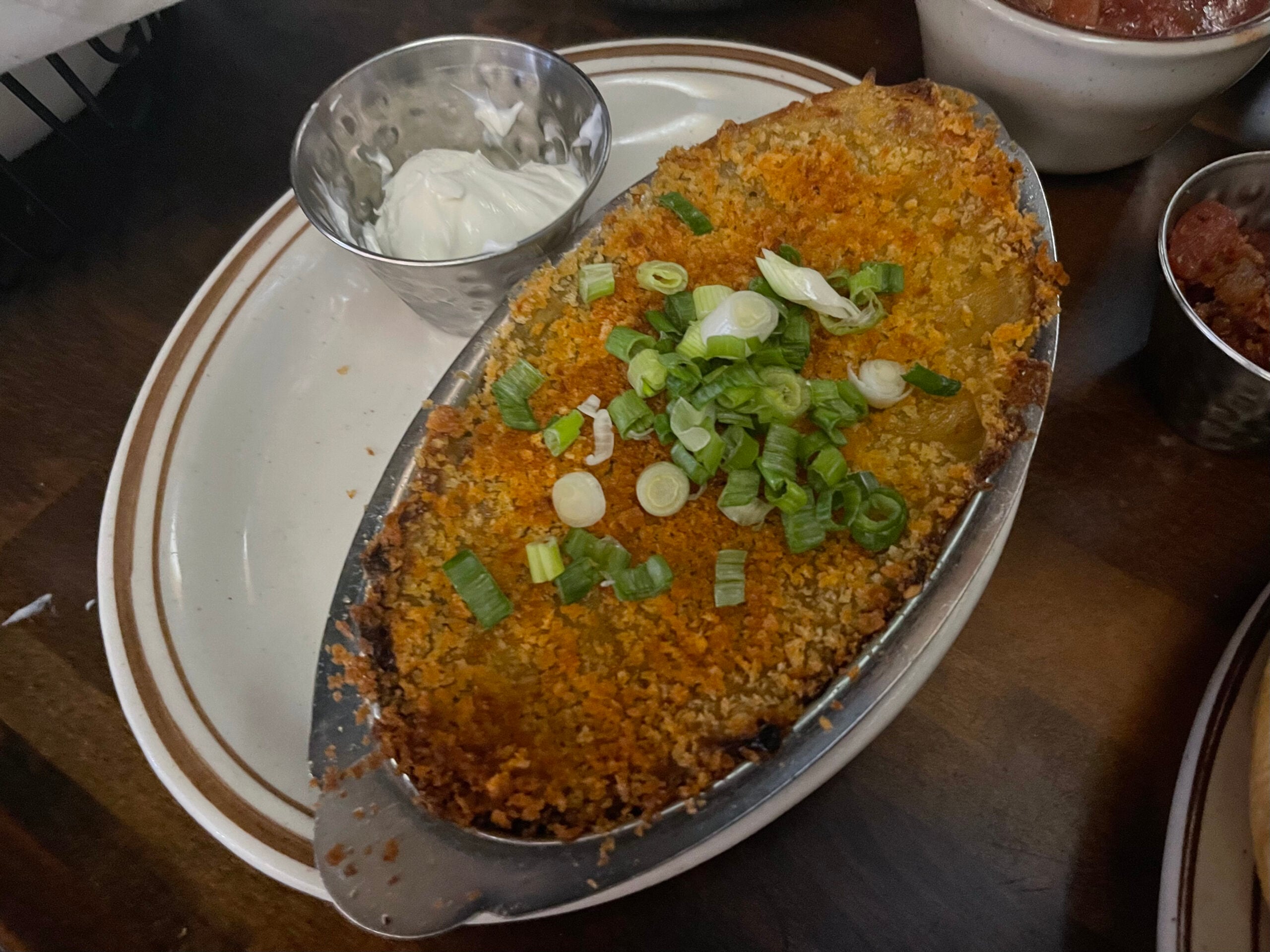
A hash brown casserole finishes this lineup with maximum weeknight appeal. Frozen shredded potatoes cut prep time, and when paired with browned beef, onions, and cheese, they create a dinner that lands somewhere between a skillet meal and a baked casserole.
Because hash browns release moisture, the balance of ingredients matters. Too much liquid can make the center heavy, so many versions rely on a condensed soup base, sour cream, or just enough milk to bind everything without turning it loose.
The best part is the top. Extra cheese, crushed crackers, or even a light breadcrumb layer can crisp in the oven while the potatoes soften underneath. That mix of creamy interior and browned surface gives the casserole a finished, restaurant-style feel at home.


Leave a Reply