
Every fall, Canadians head to orchards in huge numbers. Most are not chasing pie at all.
It satisfies a deep seasonal instinct
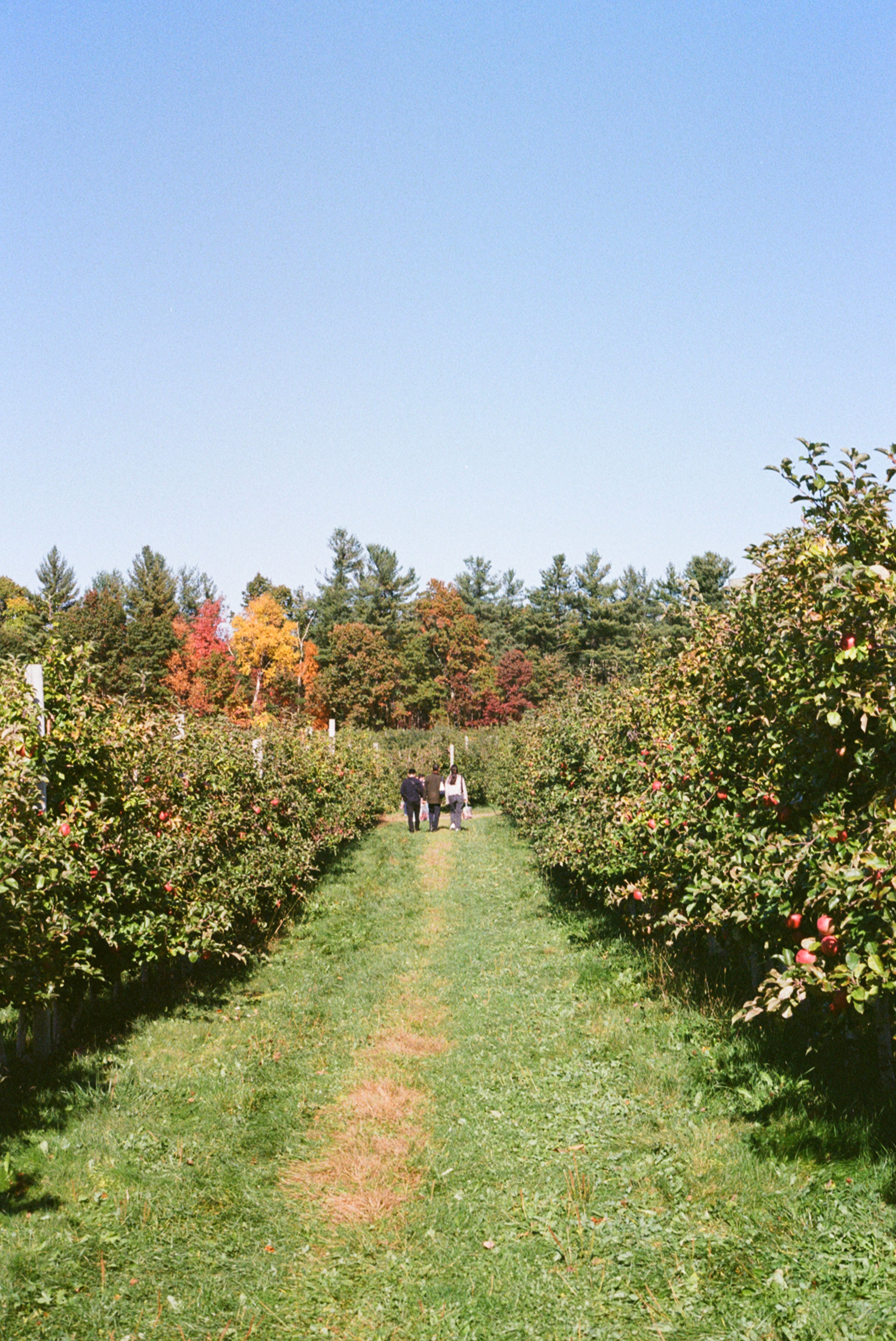
At its core, apple picking gives people a clear way to mark the arrival of autumn. Canada has sharp seasonal shifts, and people respond to them with rituals that make the transition feel meaningful. Visiting an orchard turns cooler air, changing leaves, and shorter days into something tangible.
That matters more than it may seem. Behavioral researchers have long noted that seasonal traditions reduce stress by creating predictability and emotional structure. In a country where winter looms large, fall activities carry unusual weight because they help people enjoy the brief in-between season before cold weather limits outdoor routines.
Apple picking also feels productive in a way many leisure activities do not. You leave with food, photos, and a sense that you participated in the harvest. Even people who never bake a pie still enjoy the satisfaction of bringing home something real, local, and unmistakably tied to the land.
The orchard is really a stage for memory
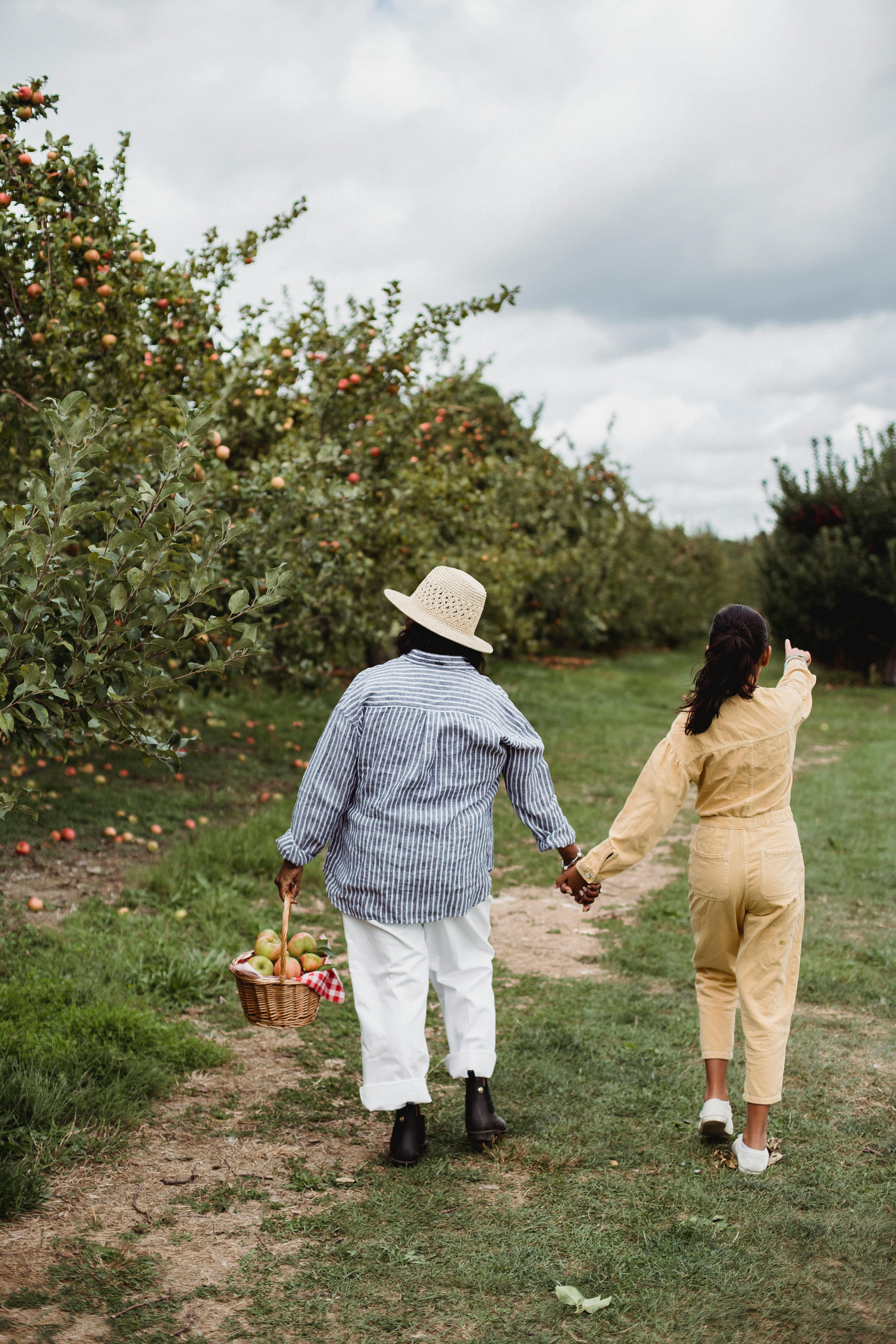
For many Canadians, orchards are less about apples than about recreating a familiar family scene. Parents bring children because they went with their own parents. Young couples go because orchards deliver an easy, wholesome setting that feels warm and cinematic without requiring much planning.
That repeatability is part of the appeal. Memory experts often point out that traditions become powerful when they are simple enough to repeat and specific enough to feel distinctive. Apple picking meets both conditions. The bag, the wagon ride, the rows of trees, and the first crisp bite all create sensory cues that lodge easily in memory.
The result is a ritual that people return to even if the fruit later sits untouched in the fridge. What they are really collecting is evidence of time spent together. The apples are a prop, but a useful one, because they make the outing feel grounded rather than purely symbolic.
It offers an easy version of local food culture

Canadians increasingly say they care about local food, seasonal eating, and supporting regional farms. Orchards let them act on those values without needing specialist knowledge. You do not have to understand agriculture in depth to feel good about buying directly from growers and taking home fruit picked hours earlier.
This is especially true in major apple-growing regions such as Ontario, Quebec, Nova Scotia, and British Columbia. Many orchards have evolved into polished agritourism businesses with farm stores, cider tastings, baked goods, and educational signage. They translate complex food systems into an experience that feels immediate and accessible.
Even those who dislike apple pie often enjoy fresh varieties that rarely appear in supermarkets at peak quality. Honeycrisp, McIntosh, Cortland, Spartan, and Ambrosia all offer different textures and uses. The outing becomes a casual lesson in seasonality, taste, and regional identity, not simply a pie-shopping trip.
Social media helped, but it is not the whole story
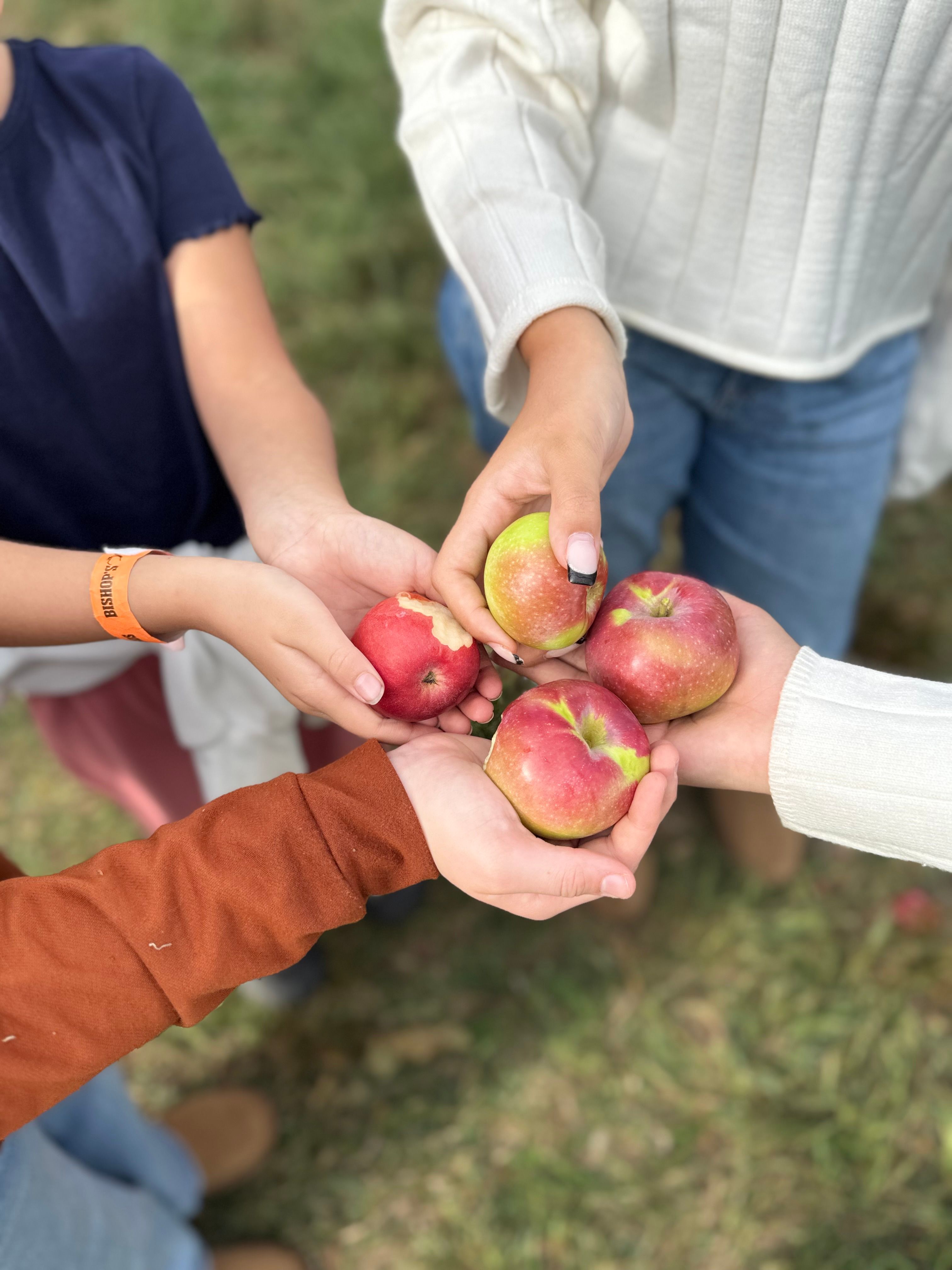
It is easy to dismiss apple picking as an Instagram habit, yet that explanation is too thin. Yes, orchards photograph beautifully. Plaid jackets, baskets, barns, and red fruit against turning leaves create ready-made images, and farms understand this. Many now design photo spots because visual sharing drives traffic.
Still, social media works best when it amplifies an experience people already find rewarding. Apple picking succeeds online because it is structured, colorful, and easy to share with friends. It signals coziness, competence, and seasonal participation, all traits people like to project in the fall.
In that sense, the camera did not invent the tradition. It modernized it. The orchard became a place where private ritual and public performance overlap, letting visitors enjoy the day itself while also producing a polished record of having embraced the season properly.
Orchards provide low-pressure outdoor leisure

One reason apple picking appeals so broadly is that it asks very little of people physically or financially compared with many other outings. It is outdoors but not strenuous. It suits toddlers, grandparents, friend groups, and date nights equally well. That flexibility gives it unusual staying power.
In practical terms, orchards also solve a planning problem. They offer parking, food, bathrooms, safe walking areas, and enough activity to fill a few hours without demanding expert gear or athletic ability. For families, that combination is valuable. For urban residents, it creates a controlled taste of rural life.
There is also comfort in its pace. Unlike a packed festival or a demanding hike, apple picking invites gentle movement and conversation. People can wander, snack, compare fruit, and leave when they want. That low-stakes design is a major reason so many return every year.
The real draw is belonging, not baking
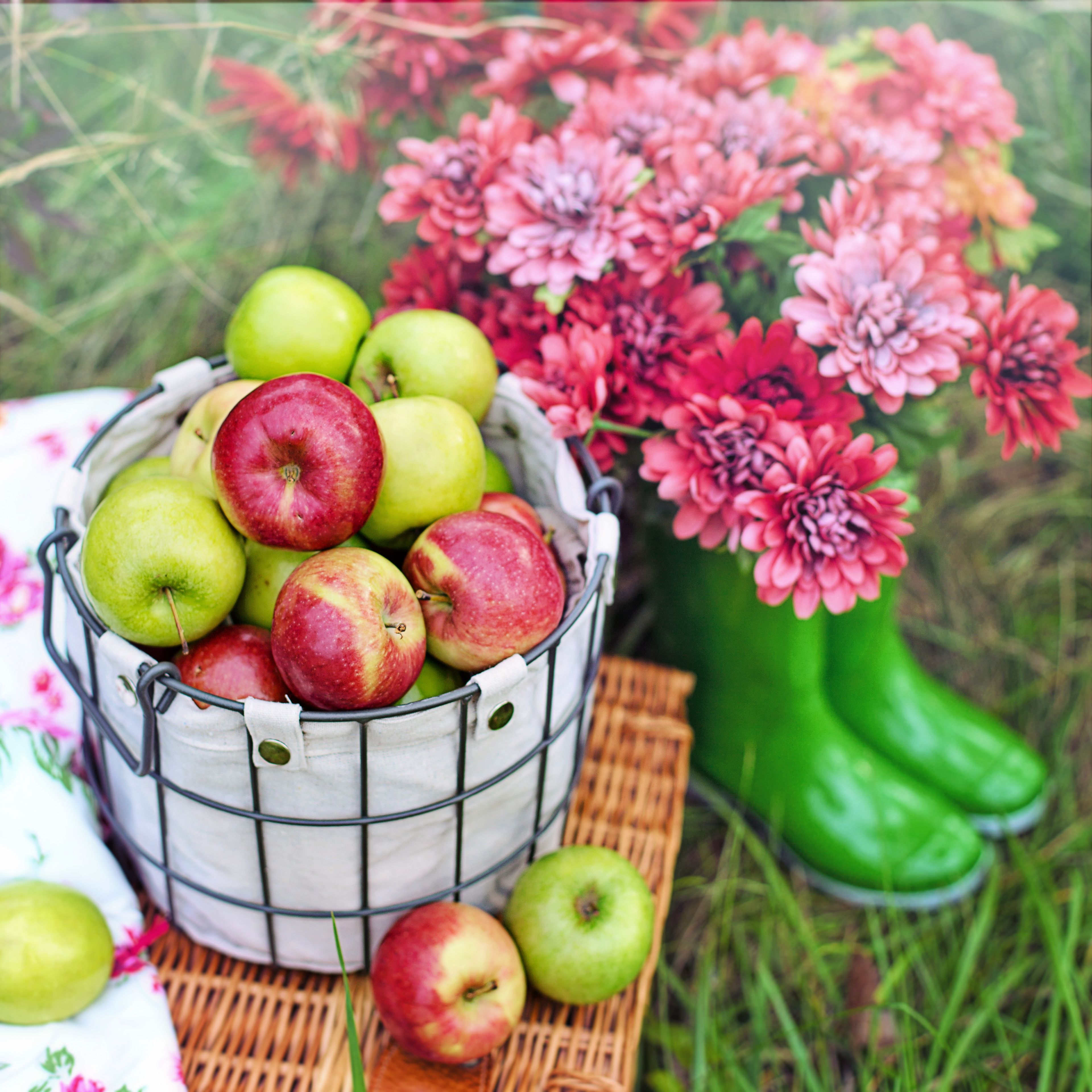
Ultimately, Canadians go apple picking because it lets them participate in a shared national mood. The outing combines weather, landscape, family, food, and nostalgia into a single manageable ritual. You do not need to love pie because the point is not dessert. The point is seasonal belonging.
That belonging operates at several levels at once. It connects urban visitors to farm country, children to parental traditions, and consumers to the idea of harvest. In a fragmented culture, rituals that feel local and repeatable are especially powerful. They reassure people that some experiences still arrive on schedule.
So the annual trip to the orchard endures for a simple reason. It makes autumn feel official. The apples may become sauce, lunchbox snacks, cider, or compost, but the real harvest is emotional: memory, identity, and a brief sense of being exactly where the season says you should be.




Leave a Reply