
Quebec's dépanneur, usually shortened to dép, has long done more than sell chips and soft drinks. Its real influence is the way it blends groceries, prepared food, alcohol sales, and everyday community life, a model that is now appearing in other parts of Canada under new names.
The neighbourhood dép
In Quebec, the dépanneur is a true local fixture, often sitting within a short walk of nearby homes and apartment buildings. The word itself comes from French and points to a place that helps solve small everyday problems, which explains why these stores became woven into daily life.
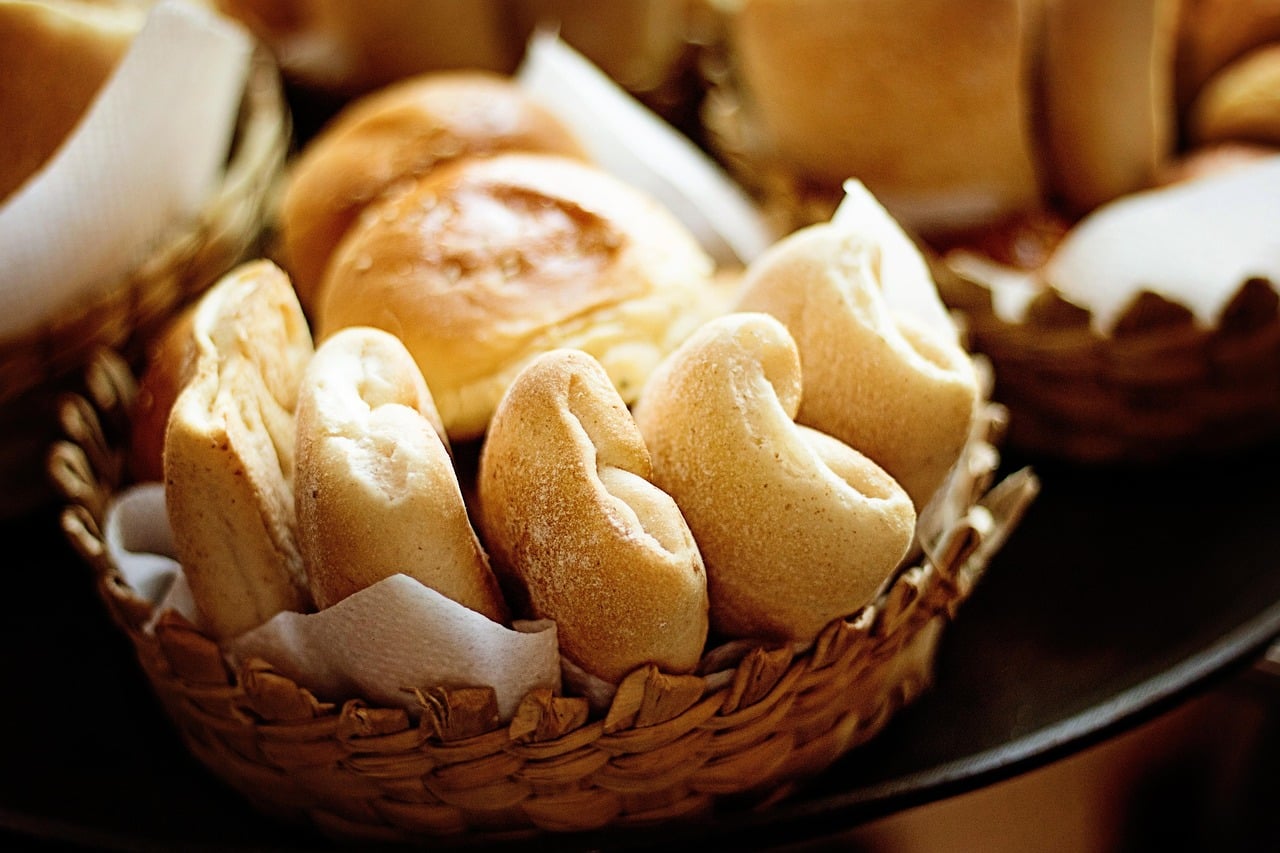
What makes the dép different is its range. Alongside snacks and household basics, many locations stock fresh bread, simple groceries, cigarettes, lottery tickets, and refrigerated staples for a last minute dinner.
That mix turns the store into a social anchor as much as a retail business. In many communities, the same families have run these shops for decades, so customers are not just recognized, they are known.
Beer and wine at the corner
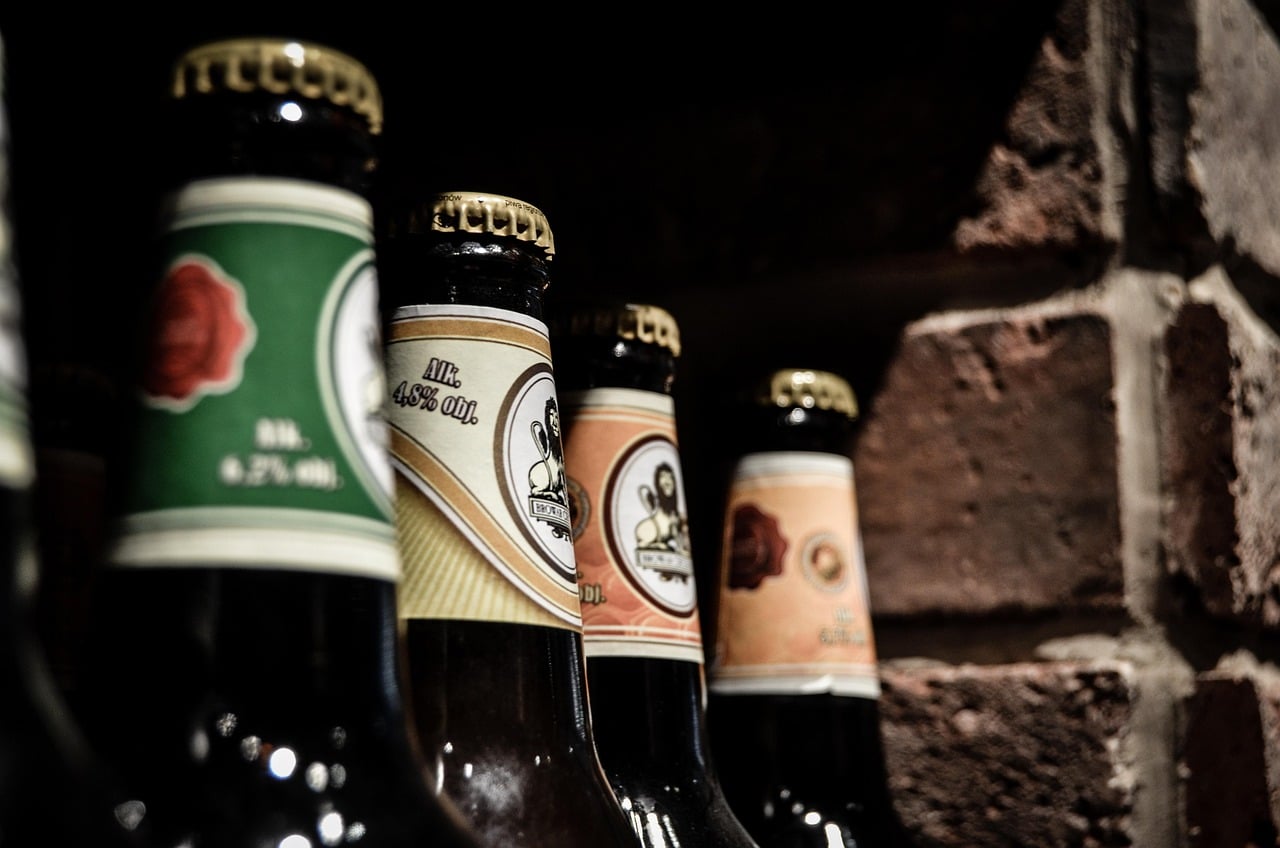
One of the clearest ways Quebec's model stands apart is alcohol. Unlike most of Canada, where beer and wine have often been tied to separate government systems or large chains, Quebec made room for sales in neighbourhood convenience stores and groceries.
That single difference changed what a corner store could be. Picking up bread, milk, and a bottle of wine in one stop made the dép feel less like a backup option and more like a practical everyday food shop.
Across Canada, many independent grocers and urban corner markets now chase the same one stop appeal, even where alcohol rules differ. The details vary by province, but the idea is familiar: convenience works best when it feels complete.
More than snacks
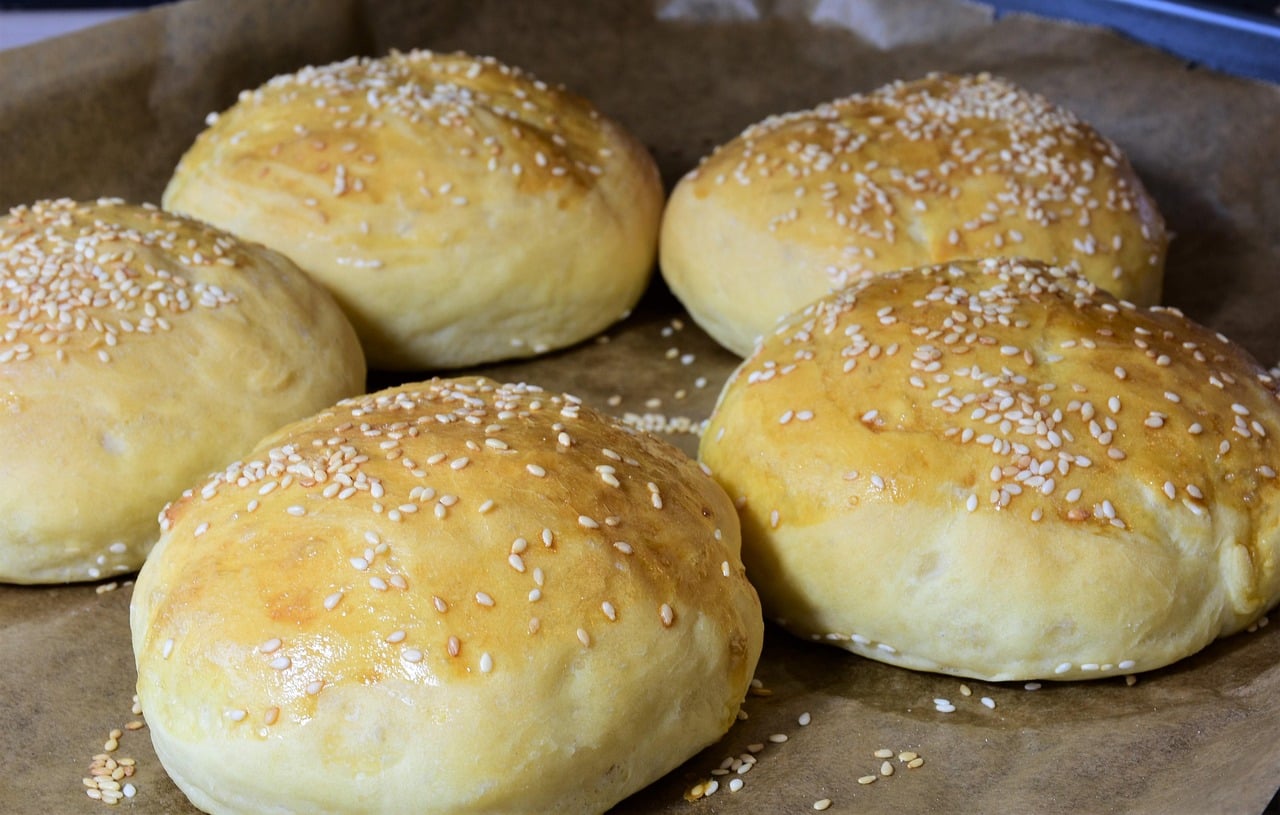
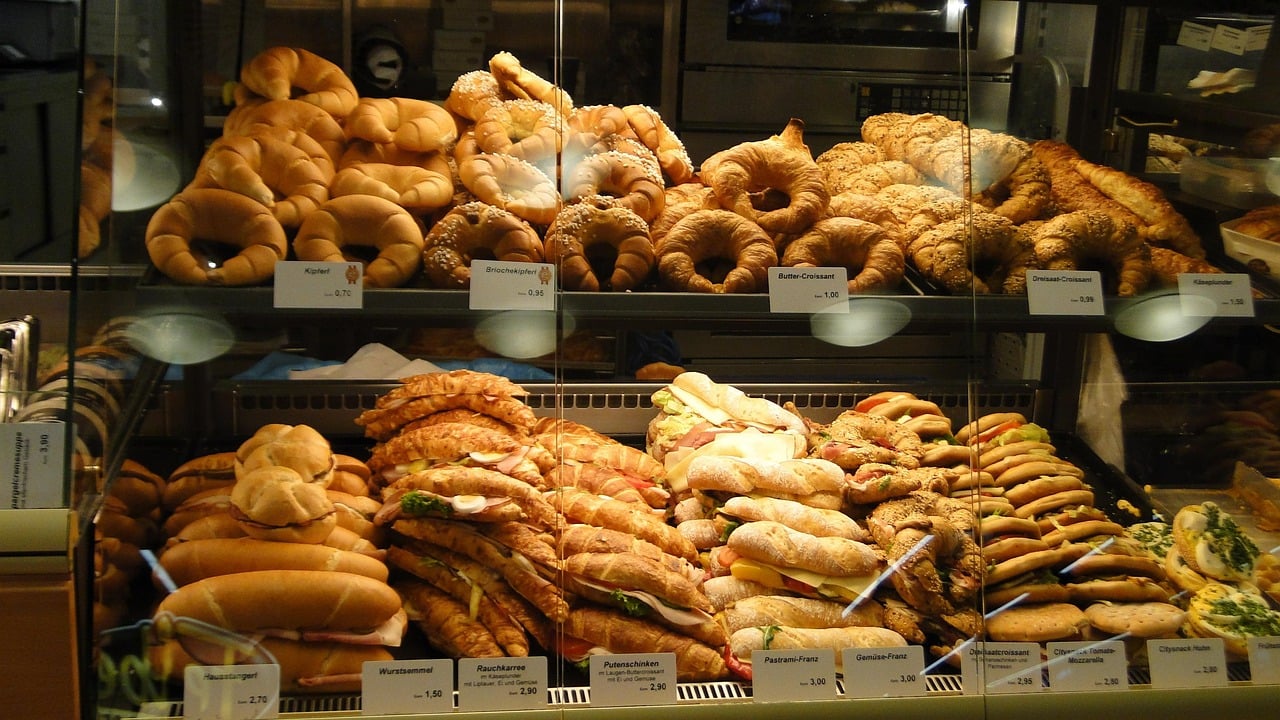
A strong dép does not survive on candy bars alone. Many Quebec stores built loyalty by carrying the kinds of foods people actually need on a busy weekday, from fresh buns and deli basics to quick prepared meals that save a trip to a supermarket.
That practical food focus matters because it makes the store part of a household routine. A customer might stop in for coffee in the morning, return for bread in the afternoon, and grab something ready to eat in the evening.
You can now see similar thinking in corner grocers and compact delis in other Canadian cities. They present themselves as curated and local, but the core idea is classic dép: sell useful food close to home.
Family run and community rooted
The dépanneur also carries a human scale that larger retail formats often lose. Because many have been run by the same owners for years, regulars build habits around familiar faces, shared routines, and small acts of trust, from setting aside a favourite product to asking after a neighbour.
That personal connection gives the store a role that is hard to measure but easy to feel. It can become an informal meeting point, a local bulletin board, or simply the place where people briefly reconnect during ordinary errands.
New independent food shops across Canada increasingly market exactly that atmosphere. They promise local knowledge, personality, and a sense of belonging, even when the template has existed in Quebec for generations.
The urban corner store revival
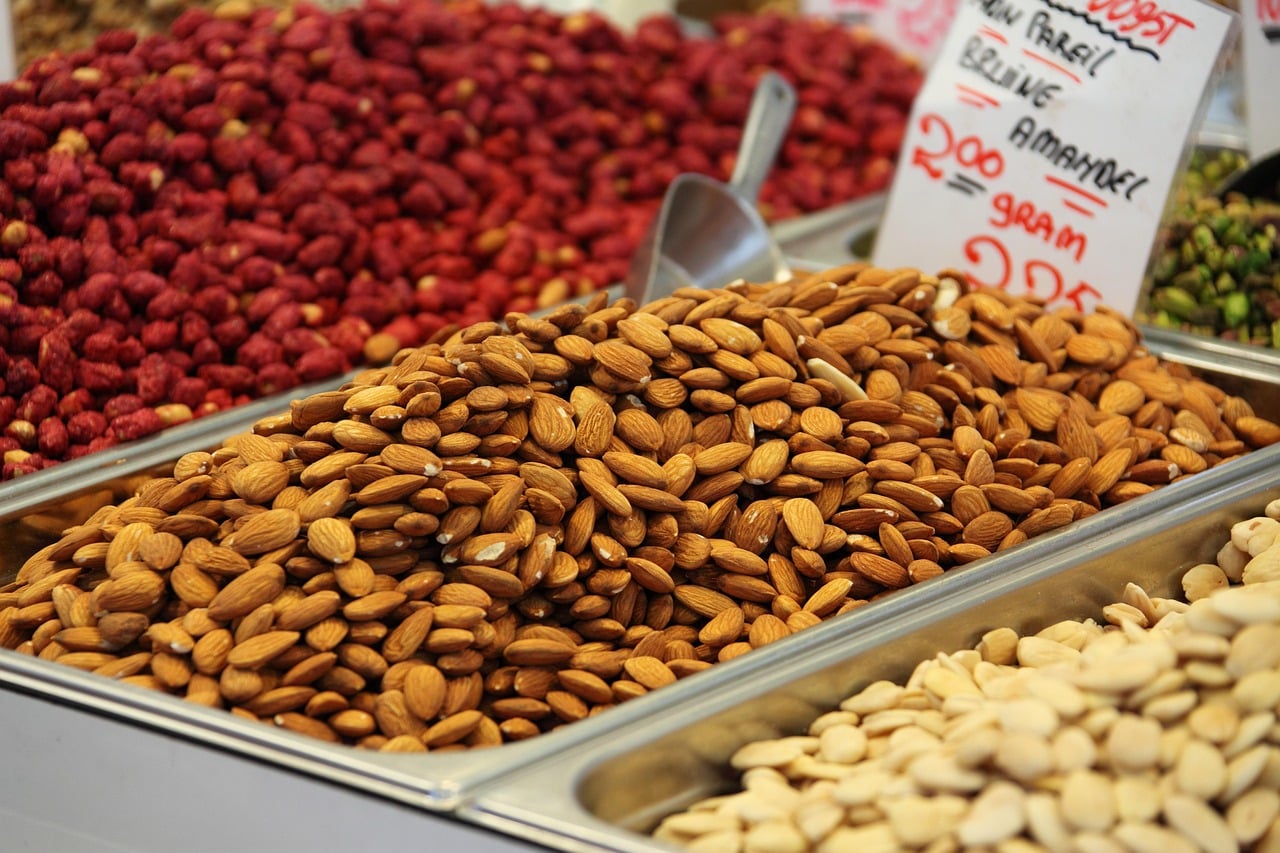
In many Canadian cities, the old image of the corner store was once narrow: packaged snacks, pop, and little else. The newer wave of neighbourhood markets has expanded that picture by adding good coffee, fresh produce, takeaway meals, and shelves aimed at local tastes.
That shift looks modern, but its logic is older than it seems. Quebec's dépanneurs showed that a small footprint could still support a broad, highly practical selection if the store understood its block.
This matters in denser neighbourhoods where shoppers make smaller, more frequent trips. Instead of one big weekly haul, people want nearby options that fit daily life, which has been the dép's strength all along.
Why the Quebec model travels
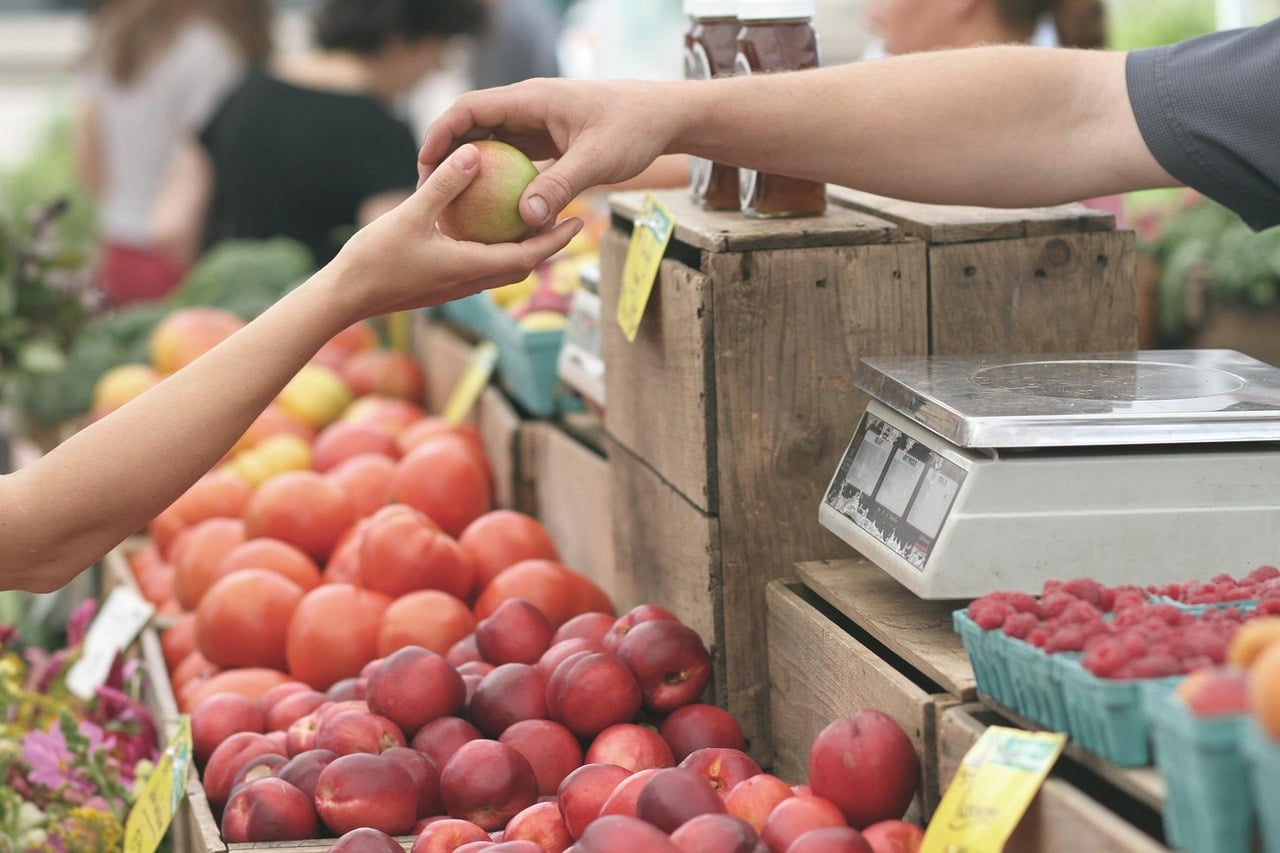
The reason the dépanneur model travels so well is simple: it matches how people actually live. Most households do not need a giant store for every purchase, they need a reliable nearby place that covers many needs quickly and with some local character.
Quebec built that habit into its food culture long ago. The dép became a place for dinner fixes, casual conversation, and convenient extras, all under one roof and often within a few minutes of home.
Now, as the rest of Canada embraces independent corner grocers and deli style markets, it is quietly borrowing a well tested Quebec idea. The branding may be different, but the habit is unmistakably the same.




Leave a Reply