
A quick scan can open a menu in seconds. It can also open a quiet stream of data collection most diners never notice.
The scan is doing more than loading a menu
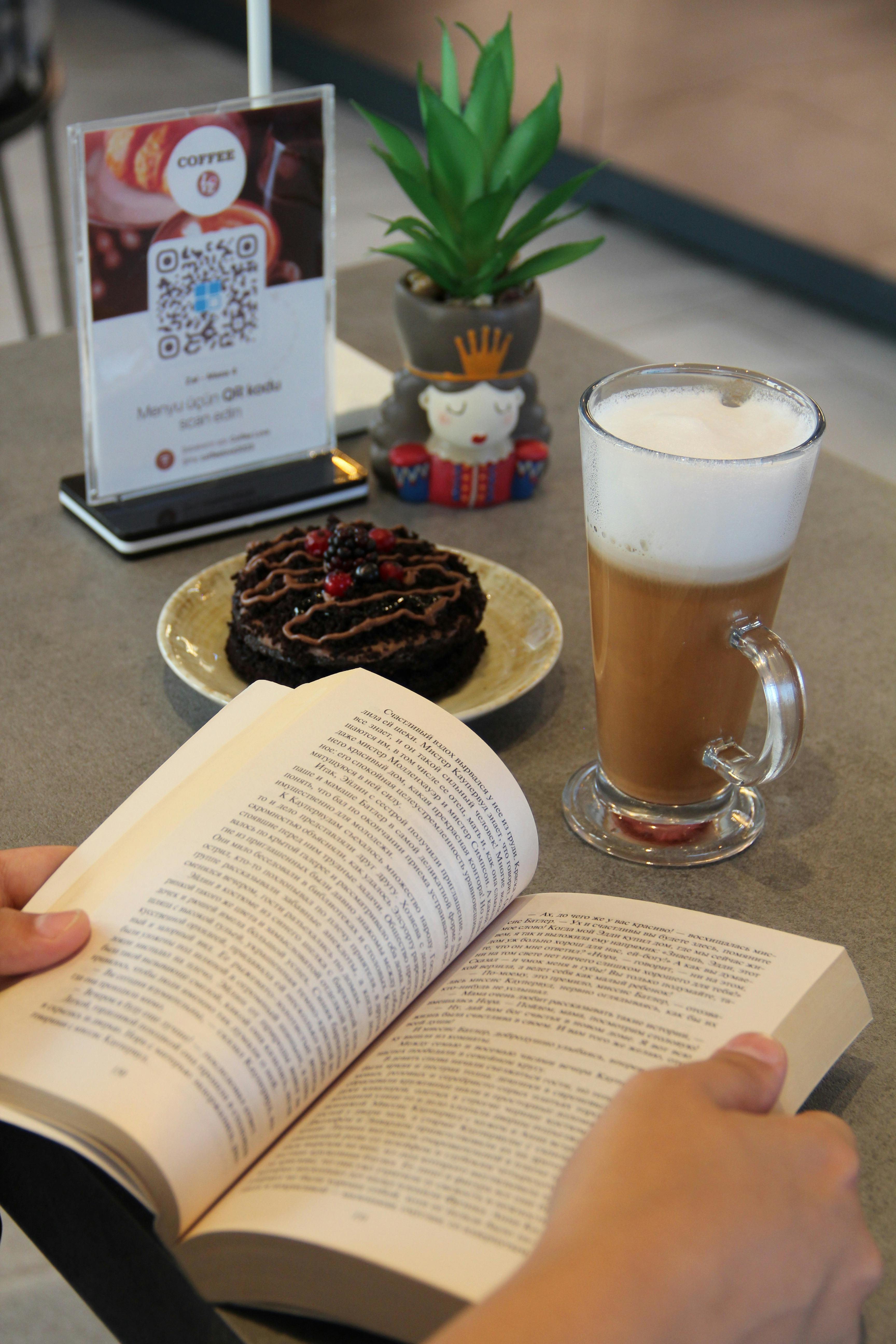
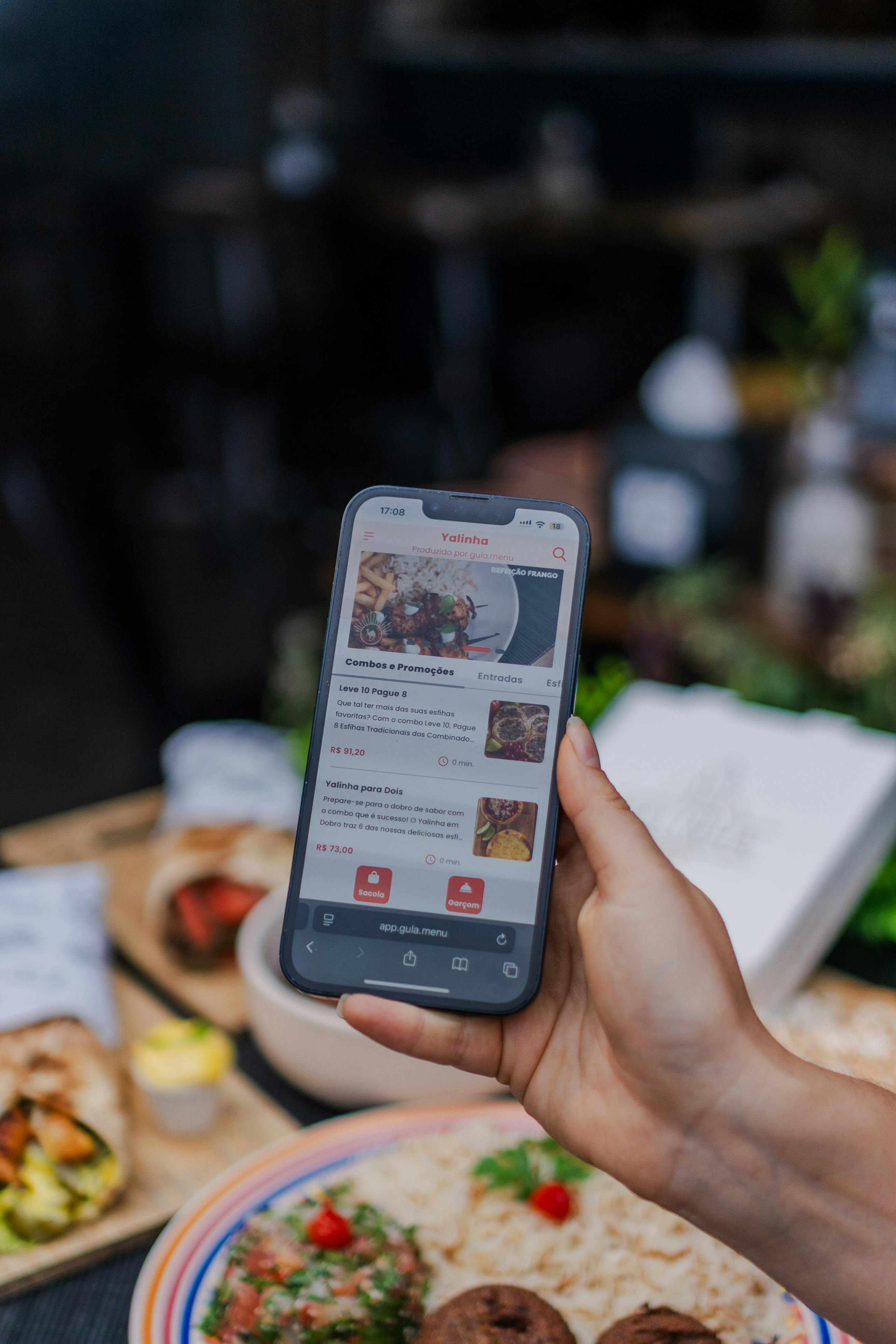
What feels like a simple convenience often triggers several digital processes at once. When you scan a restaurant QR code, your phone typically opens a web page, not a static image or offline file. That page can log your device type, browser, time of visit, language settings, and approximate location based on your IP address.
Many restaurants do not build these systems themselves. They rely on menu platforms, reservation tools, payment processors, loyalty vendors, and customer analytics companies. Each layer can collect its own slice of information, creating a fuller picture of who scanned, when they scanned, and how they behaved after landing on the page.
That means the QR code is often less like a printed sign and more like a digital front door with cameras at every angle. Even if your name is not collected right away, a device fingerprint can still make your visit distinct. Privacy researchers have long warned that seemingly minor technical signals become powerful when combined.
Your phone may reveal location, habits, and repeat visits
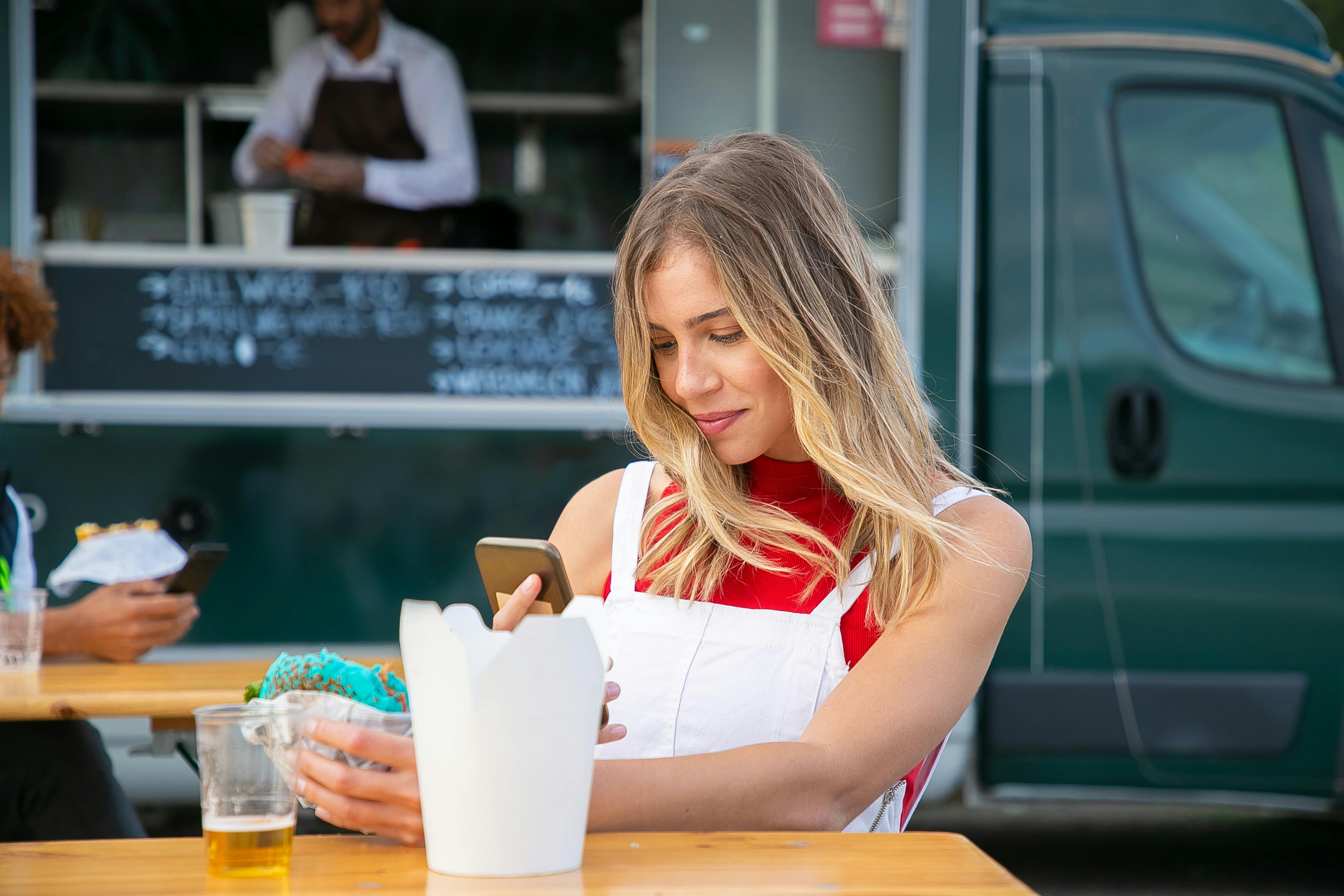
The first clue comes from timing and place. A lunch scan at 12:14 p.m. from a downtown business district suggests something different from a 9:40 p.m. scan in a tourist corridor. Over multiple visits, those patterns can indicate work routines, neighborhood preferences, travel habits, and even whether you tend to dine alone or in groups.
If the menu asks you to join Wi-Fi, sign up for rewards, or place an order online, the data trail grows richer. An email address, phone number, and payment token can connect your scan to a customer profile. Once linked, that profile may show favorite dishes, visit frequency, average spend, and response to promotions.
Some systems can also measure what marketers call engagement. They can see whether you viewed cocktails, lingered on desserts, clicked allergen details, or abandoned an order midway. To a diner, that may seem trivial. To a restaurant group or software vendor, it is actionable behavioral data that helps shape pricing, offers, staffing, and advertising.
Third-party tech often sits behind the code
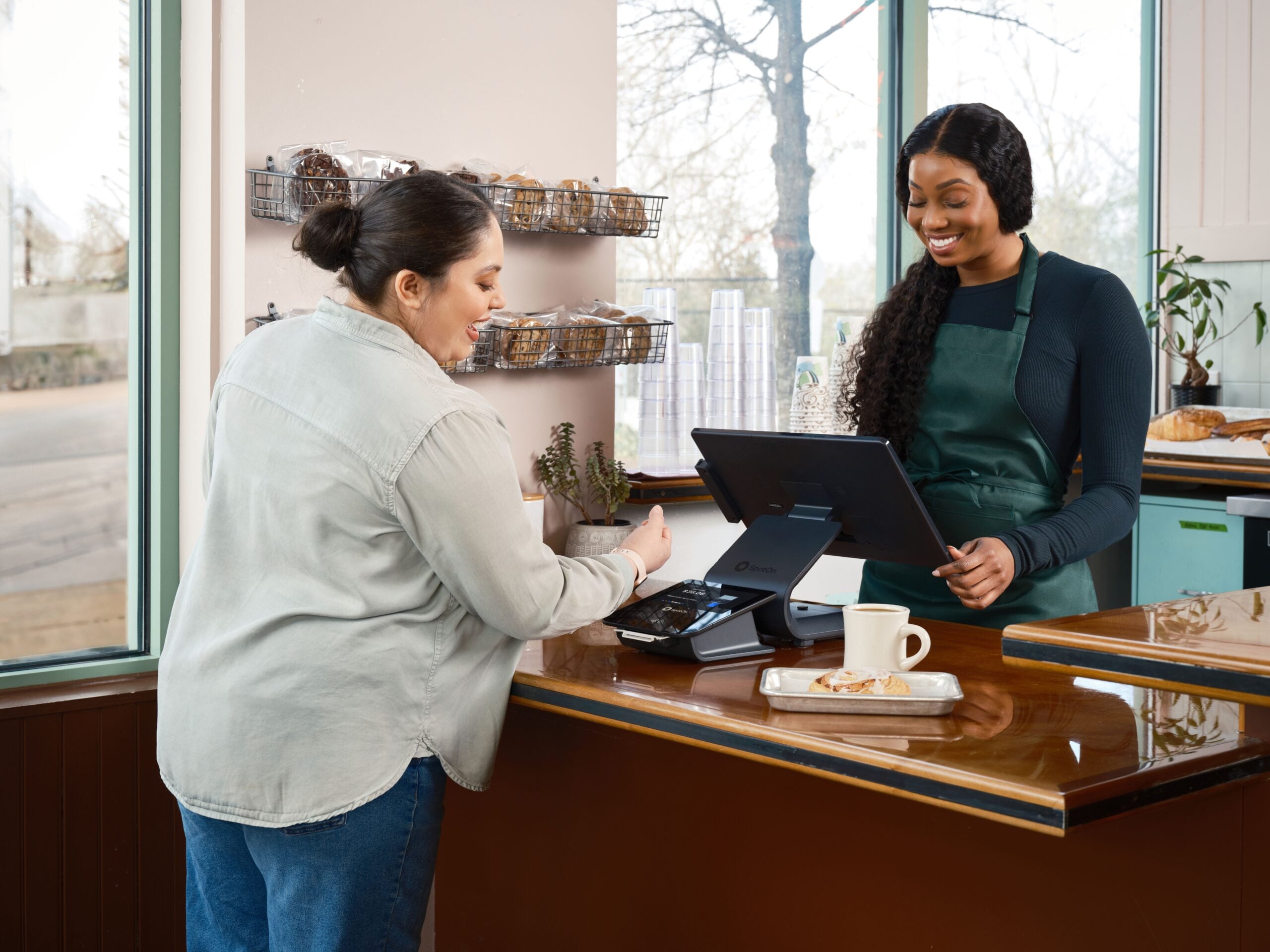
The biggest privacy issue is not always the restaurant itself. It is the network of outside companies powering the digital menu, table ordering system, marketing dashboard, and customer relationship software. A single scan can pass through multiple vendors, each operating under its own privacy policy and retention practices.
In recent years, consumer advocates have raised concerns about pixels, cookies, software development kits, and session replay tools used across hospitality websites. These tools can record page views, button taps, scroll behavior, and technical metadata. In some cases, they help fix bugs or improve design. In others, they support ad targeting or audience measurement.
This matters because data sharing can travel far beyond the dining room. A menu platform may feed insights into broader campaign tools that categorize users by interests or likely spending habits. The restaurant may only want smoother service, but the ecosystem around that service can turn a dinner decision into marketable consumer intelligence.
Convenience has reshaped what restaurants know about diners
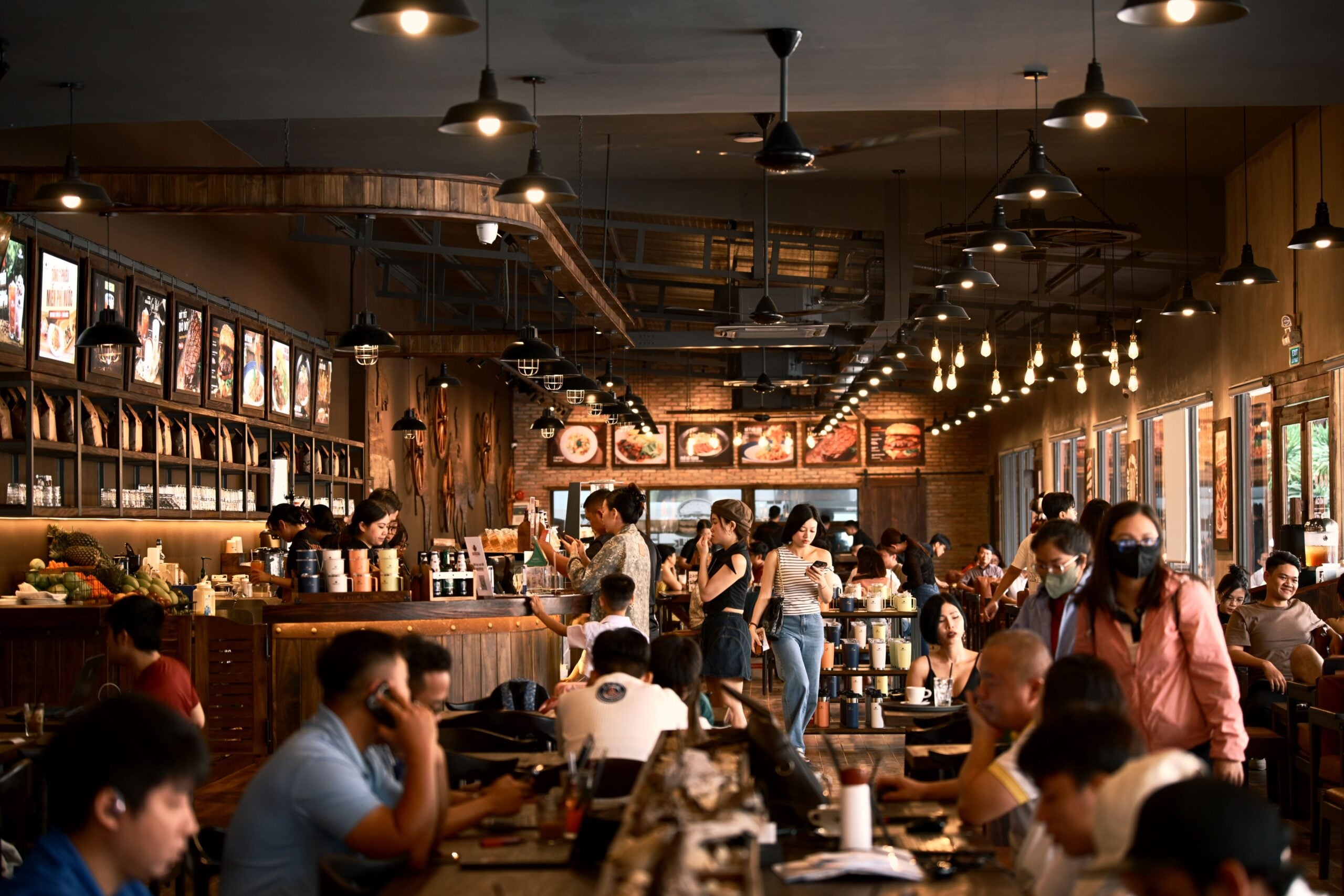
Digital menus exploded during the pandemic, when touch-free service became a public health priority. What began as a safety measure quickly proved useful for restaurants facing labor shortages, printing costs, and constantly changing prices. QR systems let operators update items instantly, test specials, and steer customers toward high-margin dishes.
That operational value is real. Operators can learn which menu items are ignored, which photos increase orders, and whether adding a house wine bundle lifts check size. Large chains increasingly use this information to refine layouts and promotions in ways that resemble e-commerce more than traditional hospitality.
The shift has changed the balance of knowledge inside restaurants. Servers once held much of the insight about guest preferences through direct interaction. Now software can quantify behavior at scale. That may improve efficiency, but it also moves a casual meal into the same data-driven environment that already defines online shopping, streaming, and social media.
The legal rules are improving, but still uneven
Privacy law has not fully caught up with the speed of adoption. In the United States, protections vary by state, while rules in Europe tend to be stricter under data protection law. Whether a restaurant must obtain clear consent often depends on what data is collected, whether tracking technologies are used, and how information is shared.
Regulators have paid closer attention to location data, ad tech, and deceptive consent practices in recent years. Several enforcement actions across industries have shown that companies cannot bury important disclosures in dense privacy language and assume users understand the tradeoff. Restaurants using third-party systems are increasingly exposed to the same expectations.
Still, enforcement remains inconsistent, and most diners do not read mobile privacy notices in the middle of a meal. That gap matters. A choice made under time pressure, on a small screen, while trying to order dinner is rarely an informed decision in any meaningful sense.
Diners can protect themselves without giving up convenience
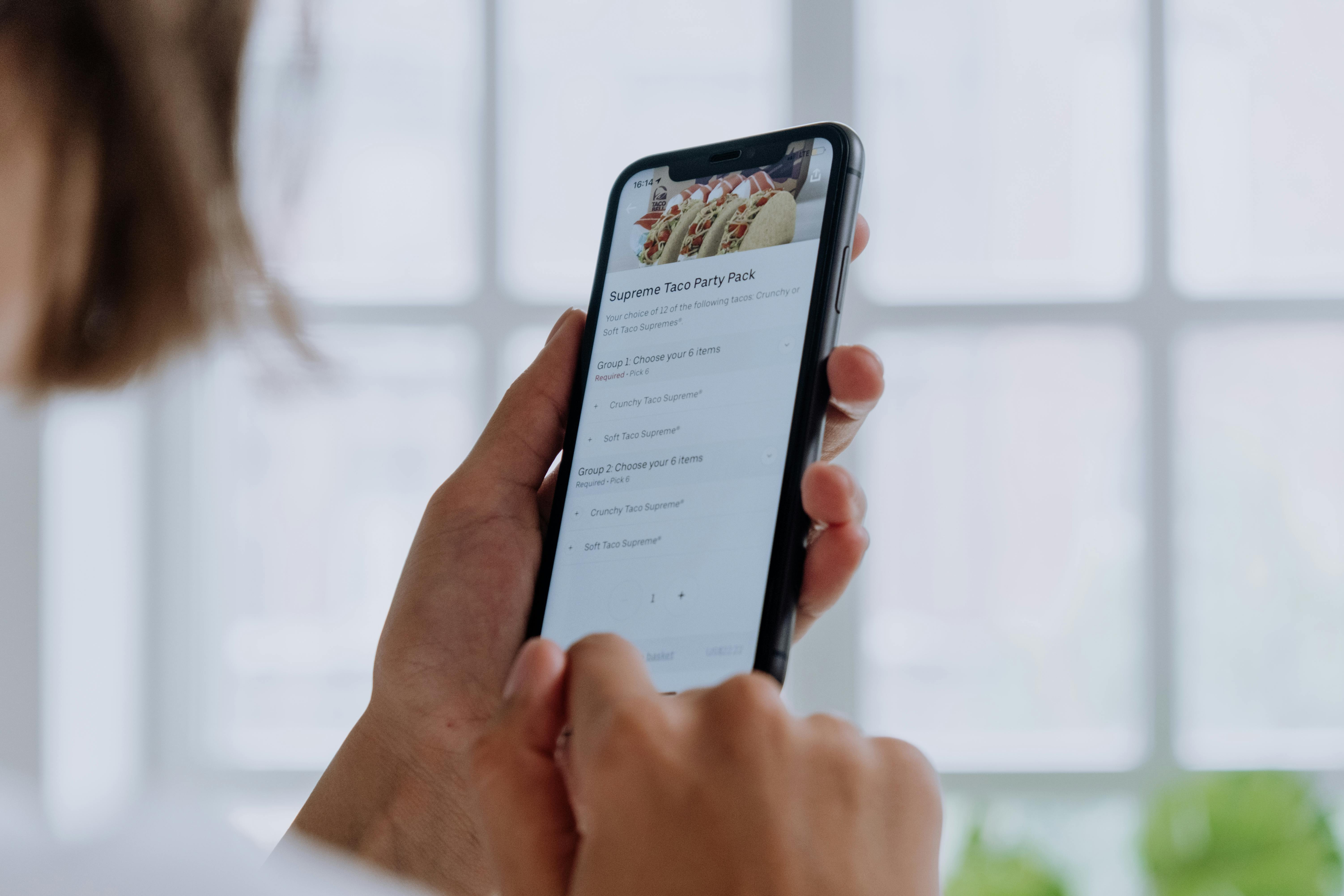
The easiest defense is to pause before scanning. If a restaurant offers both a printed menu and a digital one, choose the printed version when possible. If you do scan, avoid granting extra permissions, skip optional logins, and be cautious about joining guest Wi-Fi unless you understand what information is being requested.
Browser settings also help. Blocking third-party cookies, using private browsing, limiting ad tracking, and clearing site data can reduce how much information follows you. Phones now include stronger privacy controls than they did a few years ago, but they work best when users actively turn them on and review them regularly.
Restaurants can help too. Clear notices, minimal data collection, and easy access to non-digital menus build trust without sacrificing service. The QR code on the table is not automatically sinister. But it is not neutral either, and diners deserve to know that a scan can say much more about them than what they plan to eat.


Leave a Reply