
The first pumpkin spice latte of the year now appears before many Canadians have packed away their patio furniture. That shift has turned a simple flavour trend into a surprisingly lively national debate.
Why pumpkin spice now seems to arrive in midsummer
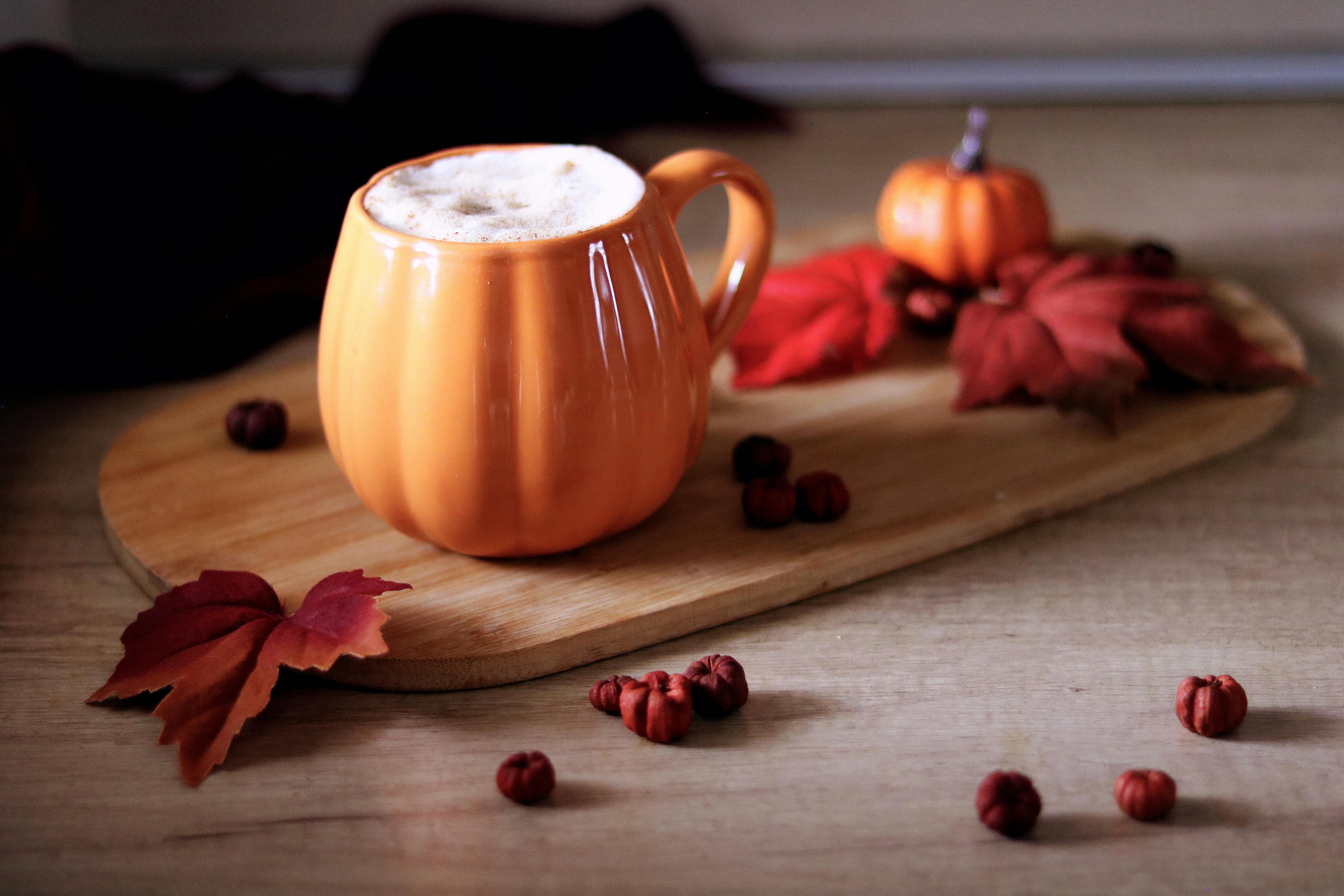
What once felt tied to crisp September mornings now often shows up in August, and sometimes even late July. Major coffee chains and grocery brands have steadily moved up seasonal launches to capture attention before competitors do. In Canada, where summer is short and autumn is emotionally loaded, that timing feels especially noticeable.
Retail strategy explains much of it. Seasonal products create urgency, and limited-time offerings reliably boost foot traffic and social chatter. According to industry observers, brands know that early releases can extend the selling window by several weeks, which matters in categories like coffee, baked goods, cereals, yogurts, and packaged creamers.
Weather plays a role in the backlash. When temperatures are still above 25°C, many people do not want flavours associated with sweaters, leaves, and Thanksgiving. The disconnect between climate and calendar makes some Canadians feel that brands are forcing autumn before it has naturally arrived.
The flavour is bigger than the latte
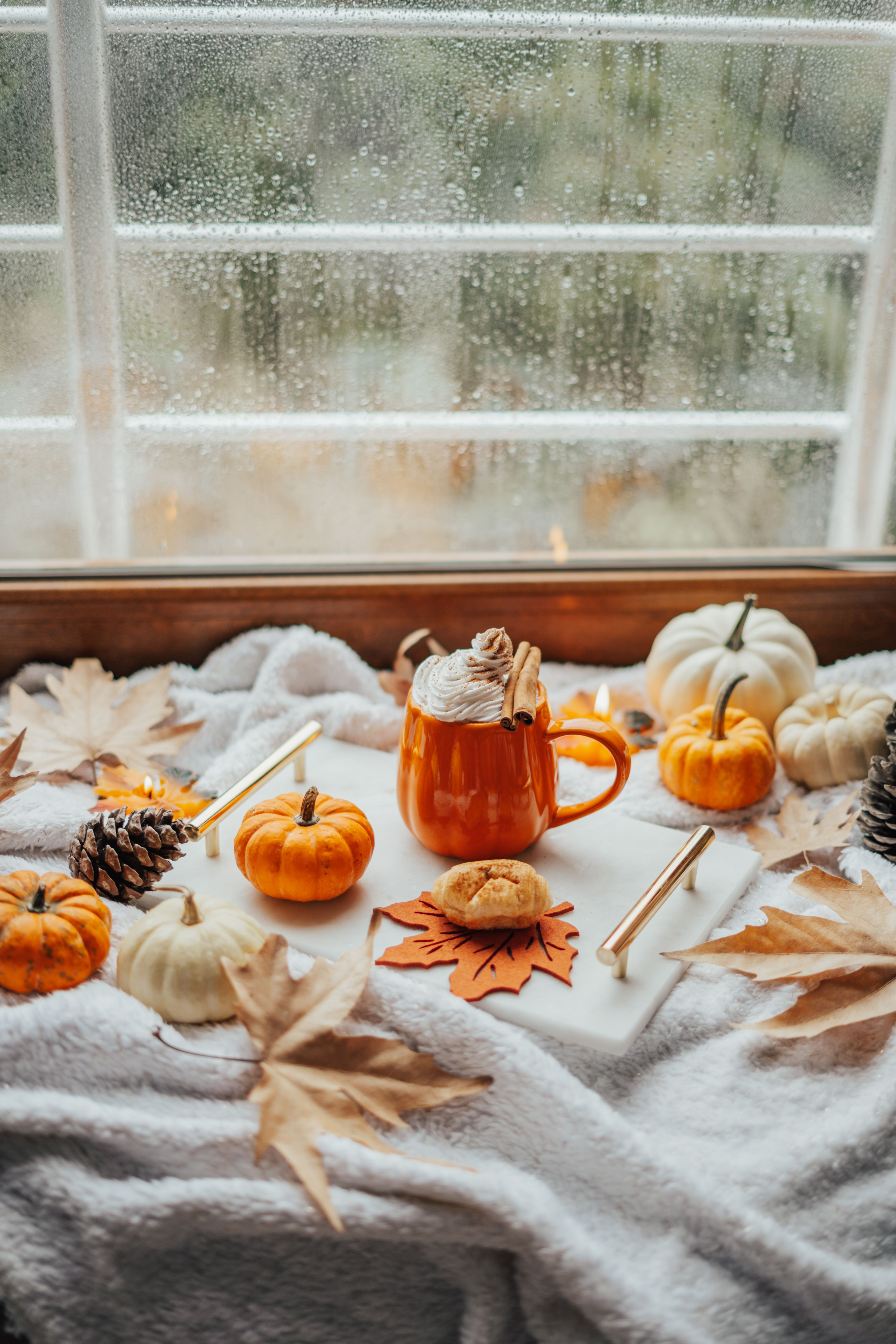
A lot of the debate focuses on coffee, but pumpkin spice is now a broad consumer category. In Canadian stores, the blend appears in muffins, cookies, pancake mixes, candles, ice cream, protein powders, and even dog treats. That expansion makes the season feel less like a menu update and more like a full commercial event.
The flavour itself is also widely misunderstood. Pumpkin spice usually refers to a mix of cinnamon, nutmeg, ginger, cloves, and sometimes allspice, not necessarily pumpkin. Its appeal comes from familiarity and aroma, both of which are strongly linked to comfort and nostalgia in food psychology research.
Because the profile is sweet, warm, and aromatic, companies can apply it to countless products with minimal risk. Consumers already know what to expect, which lowers hesitation at the shelf. That familiarity helps explain why brands keep launching earlier rather than waiting for true fall weather.
Canadians have a special relationship with fall

In Canada, autumn carries a different emotional weight than it does in warmer markets. It is the season of Thanksgiving, back-to-school routines, harvest imagery, and the visible approach of winter. For many households, fall is not just a decorative mood but a meaningful transition point in the year.
That is why early pumpkin spice releases can feel oddly intrusive. Some consumers see them as harmless fun, while others read them as another sign that retail culture is compressing the calendar. If Halloween candy appears in August and holiday displays follow soon after, pumpkin spice becomes part of a broader pattern of seasonal creep.
Regional differences matter too. In British Columbia, summer can linger well into September, making early autumn marketing feel premature. In parts of the Prairies or Atlantic Canada, cooler evenings may make late-August pumpkin spice seem perfectly reasonable. The national debate is partly a weather debate in disguise.
Social media keeps the cycle moving faster
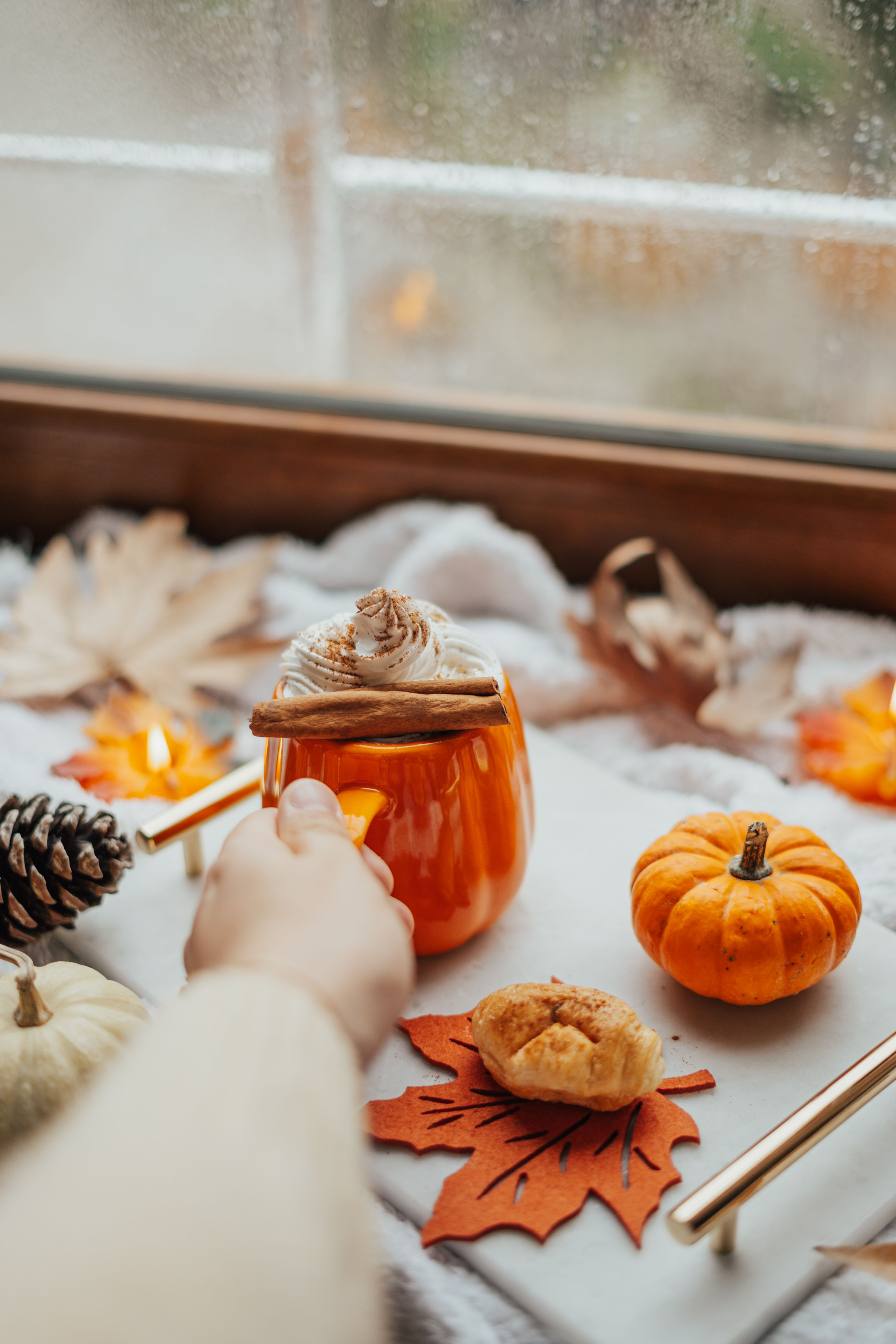
Pumpkin spice is no longer just a product launch. It is a yearly online ritual, complete with first-sighting posts, ranking videos, complaints, memes, and ironic enthusiasm. Social platforms reward exactly this kind of recurring cultural moment because it is visual, familiar, and easy for brands and consumers to join.
That attention changes company behaviour. When one chain announces an early release date, competitors risk losing the conversation if they wait. Marketing teams now plan not only around consumer demand but also around when a seasonal item can dominate feeds, headlines, and short-form video trends.
The irony is that criticism often helps the products. Every post saying "it's too early" still spreads awareness and reminds people the items are back. In that sense, outrage and anticipation work together, turning pumpkin spice into one of the most efficient seasonal marketing cycles in food retail.
Is there real demand, or are brands creating it?

The answer is both. Many Canadians genuinely enjoy pumpkin spice and look forward to it each year, especially those who associate it with routine, comfort, and cooler days. Repeat sales across beverages and packaged foods suggest this is more than a novelty driven by a loud minority online.
At the same time, demand is shaped by availability. When products arrive earlier and in more places, consumers have more chances to buy them, post about them, and build habits around them. Behavioural economics shows that visibility and scarcity can strongly influence purchasing, even for non-essential treats.
There is also a practical business case. Limited-time flavours encourage impulse purchases and can lift average transaction values, especially in cafes where add-ons matter. For brands facing tight competition and cautious consumer spending, a familiar seasonal hit is safer than betting on an entirely new flavour concept.
So, are Canadians starting pumpkin spice too early?
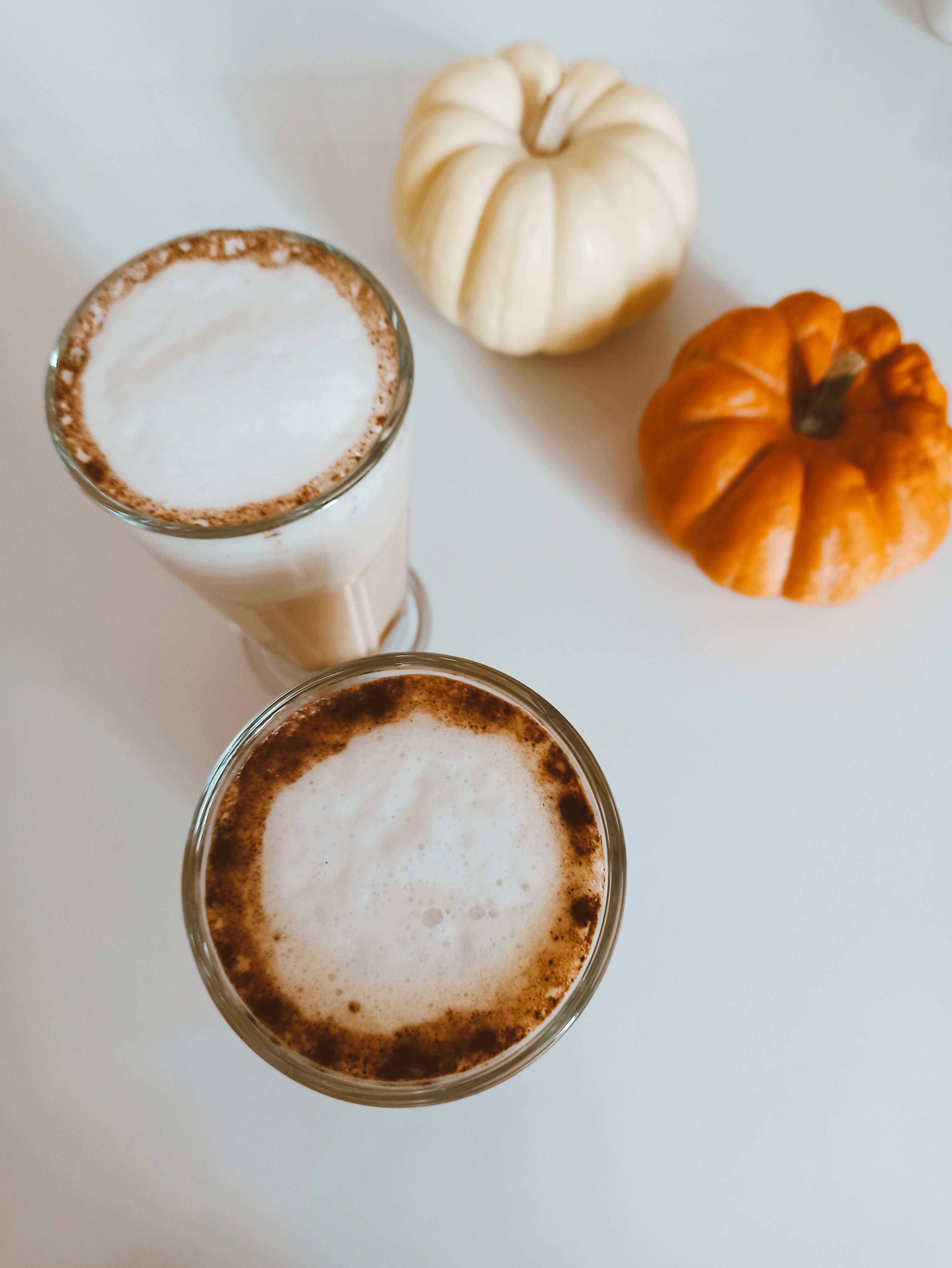
If the standard is weather, then yes, often they are. Launching autumn flavours during beach season can feel disconnected from daily life, especially in provinces still deep in summer heat. For consumers who want seasons to unfold naturally, early pumpkin spice can seem less festive than forced.
If the standard is business and consumer response, the answer is less clear. Canadians keep buying these products, talking about them, and treating them as a marker of transition even when the forecast says otherwise. That behaviour gives brands little reason to return to a later, narrower fall window.
The real issue may not be pumpkin spice at all. It is the way modern retail stretches every season to maximize attention and spending. In Canada, pumpkin spice has simply become the most visible symbol of that shift, and that is why the debate returns earlier every single year.




Leave a Reply