
Some ingredients spend years on the edge of the pantry before cooks figure out how useful they really are. These six are showing up more often because they solve common kitchen problems, add flavor fast, and fit into everyday meals without much effort.
Miso
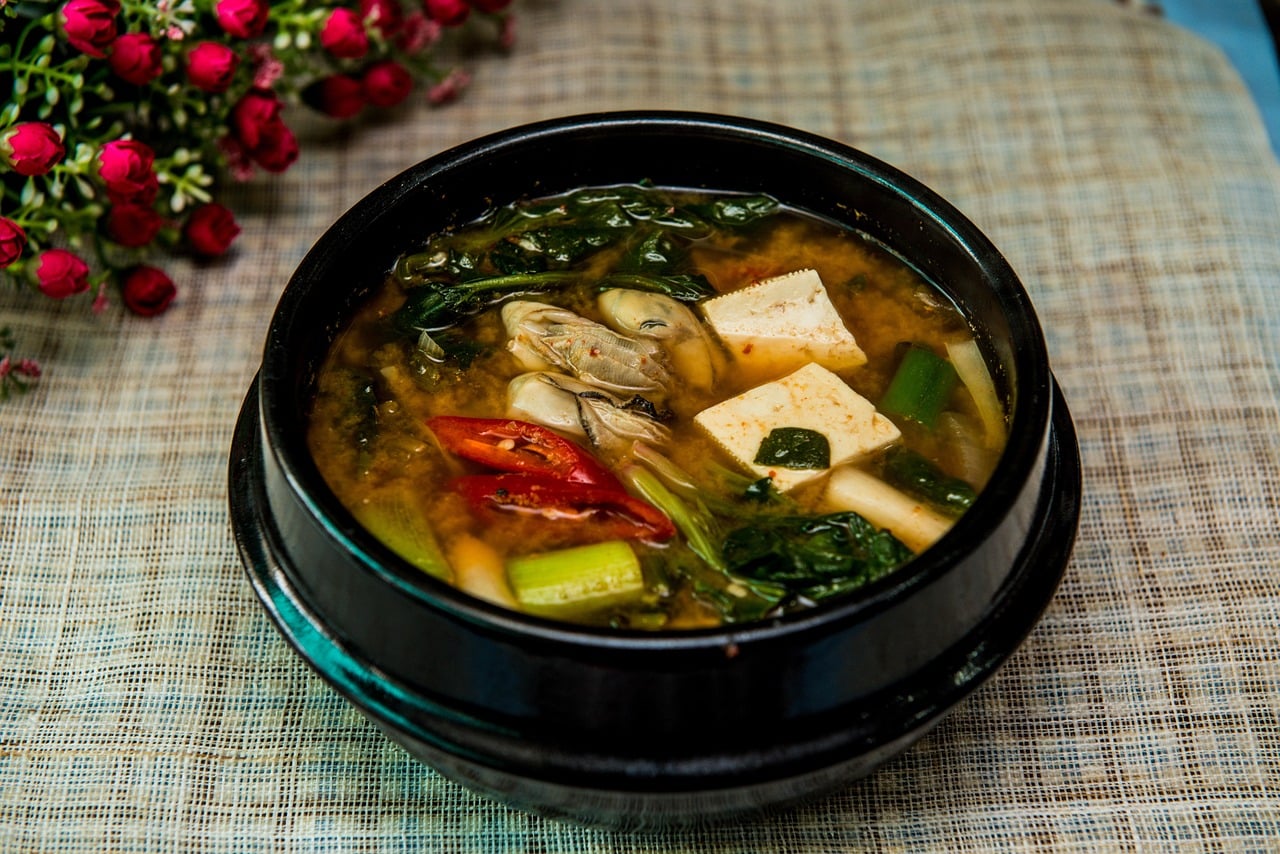
Miso works like a shortcut to depth. This fermented paste, usually made from soybeans, salt, and a grain such as rice or barley, brings saltiness, savoriness, and a gentle sweetness in one spoonful.
White miso is mild and a little sweet, so it blends easily into salad dressings, butter, and even mashed potatoes. Red miso is stronger and saltier, which makes it better for braises, glazes, and hearty soups. A small amount can round out tomato sauce or give roasted vegetables more character without making the dish taste obviously Japanese.
Because miso is fermented, it also carries a complexity that plain salt cannot. Kept in the refrigerator, it lasts well and can be used a bit at a time, which helps explain why it is moving from specialty stores into regular home cooking.
Chili crisp
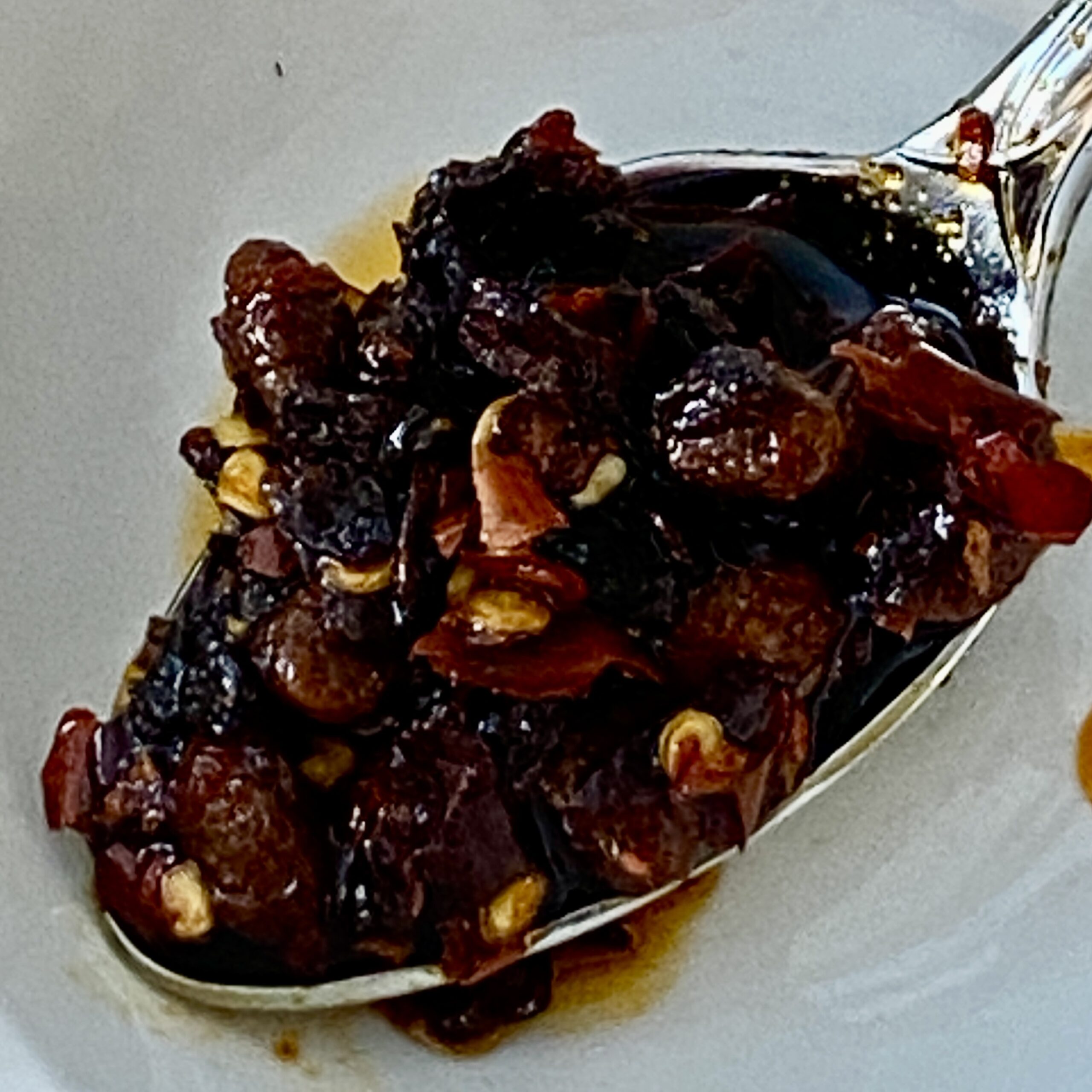
Chili crisp is less about pure heat than about texture and contrast. The condiment usually combines chili flakes with oil, aromatics, and crisp bits of ingredients such as garlic or onion, so it adds crunch as well as spice.
That mix makes it unusually flexible. A spoonful can wake up fried eggs, noodles, grain bowls, roasted broccoli, or a simple bowl of cottage cheese. It can also stand in for a full sauce when dinner needs flavor quickly, especially on rice or dumplings.
Its rise says something about how people cook now. Many home cooks want one jar that can make basic ingredients feel finished, and chili crisp does exactly that. It is bold, but it is also practical, which is why it keeps earning permanent counter space.
Tahini
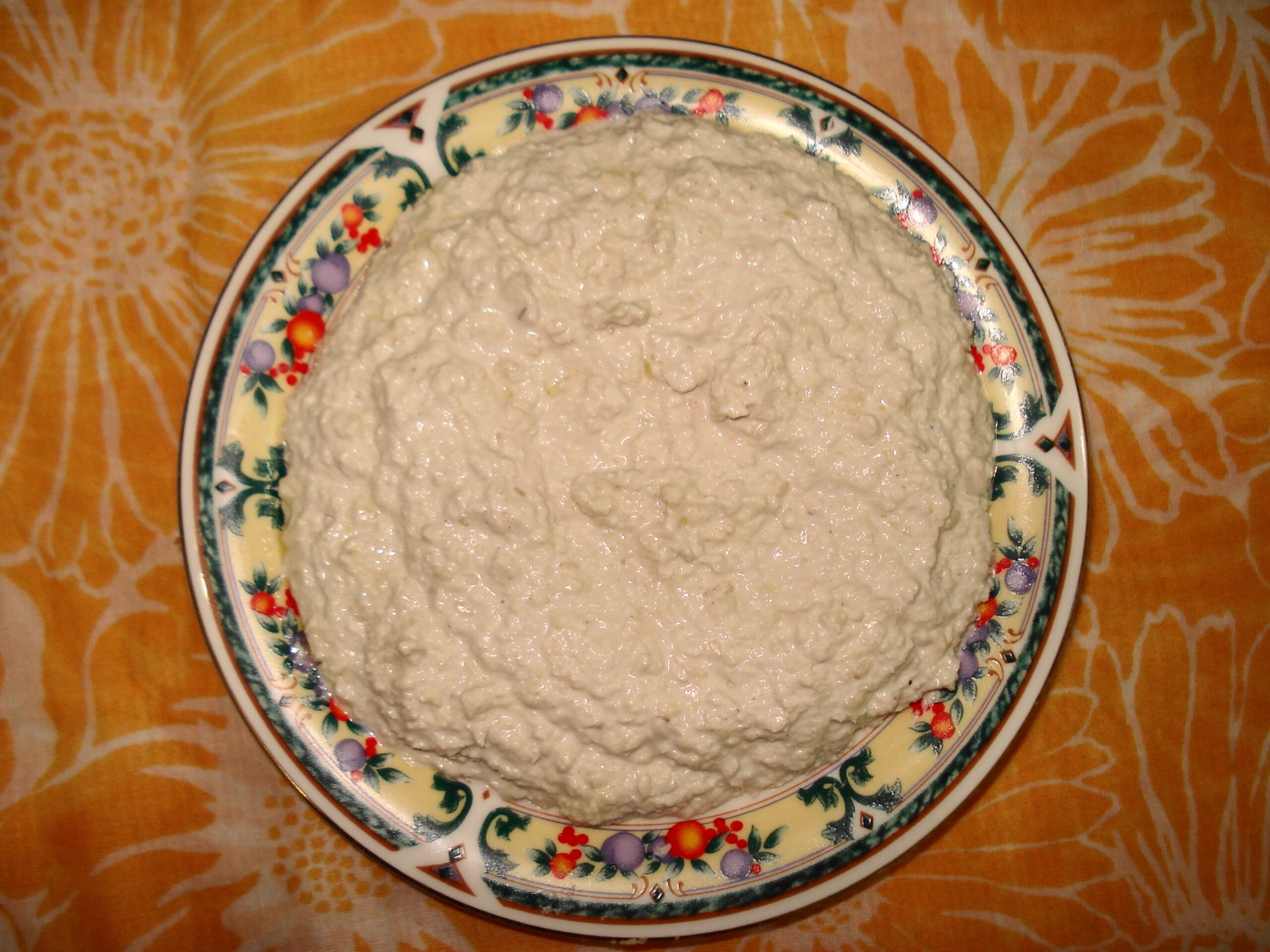
Tahini is often treated as hummus's supporting player, but it does much more than that. Made from ground sesame seeds, it has a rich texture and a slightly bitter, nutty taste that can lean savory or sweet.
In savory cooking, tahini turns lemon juice, garlic, and water into a creamy sauce without any dairy. That makes it useful for grain bowls, roasted cauliflower, grilled chicken, and falafel. In baking, it can bring moisture and a toasted note to cookies, brownies, and cakes.
One reason tahini is becoming more essential is that it solves texture problems elegantly. It helps dressings cling, sauces feel fuller, and desserts taste more layered. A good jar only needs stirring and a little balancing with acid or sweetness to become highly versatile.
Fish sauce
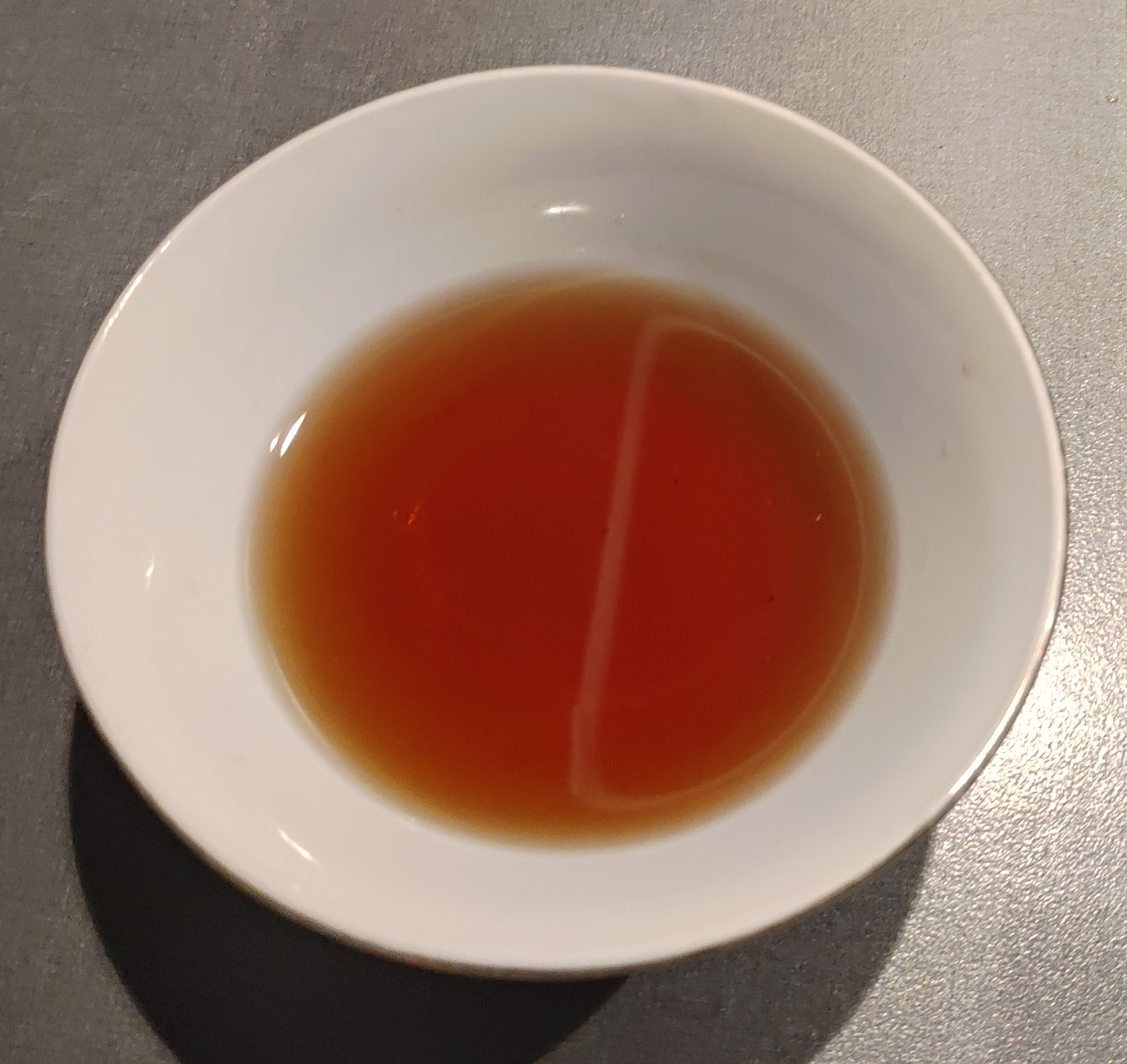
Fish sauce can sound intimidating until it hits the pan. Made by fermenting fish with salt, it is deeply savory and salty, and in small amounts it rarely makes food taste fishy.
That is why cooks use it to strengthen dishes that seem flat. A few drops in beef stew, turkey burgers, stir fries, or vinaigrettes can add the savory quality often described as umami, the mouthfilling taste linked to foods like mushrooms and aged cheese. It is especially helpful in recipes that need depth but do not have hours to simmer.
Its usefulness crosses cuisines more than many people expect. Though central to many Southeast Asian dishes, fish sauce also fits naturally into Western cooking once it is treated as a seasoning, not a starring flavor.
Gochujang
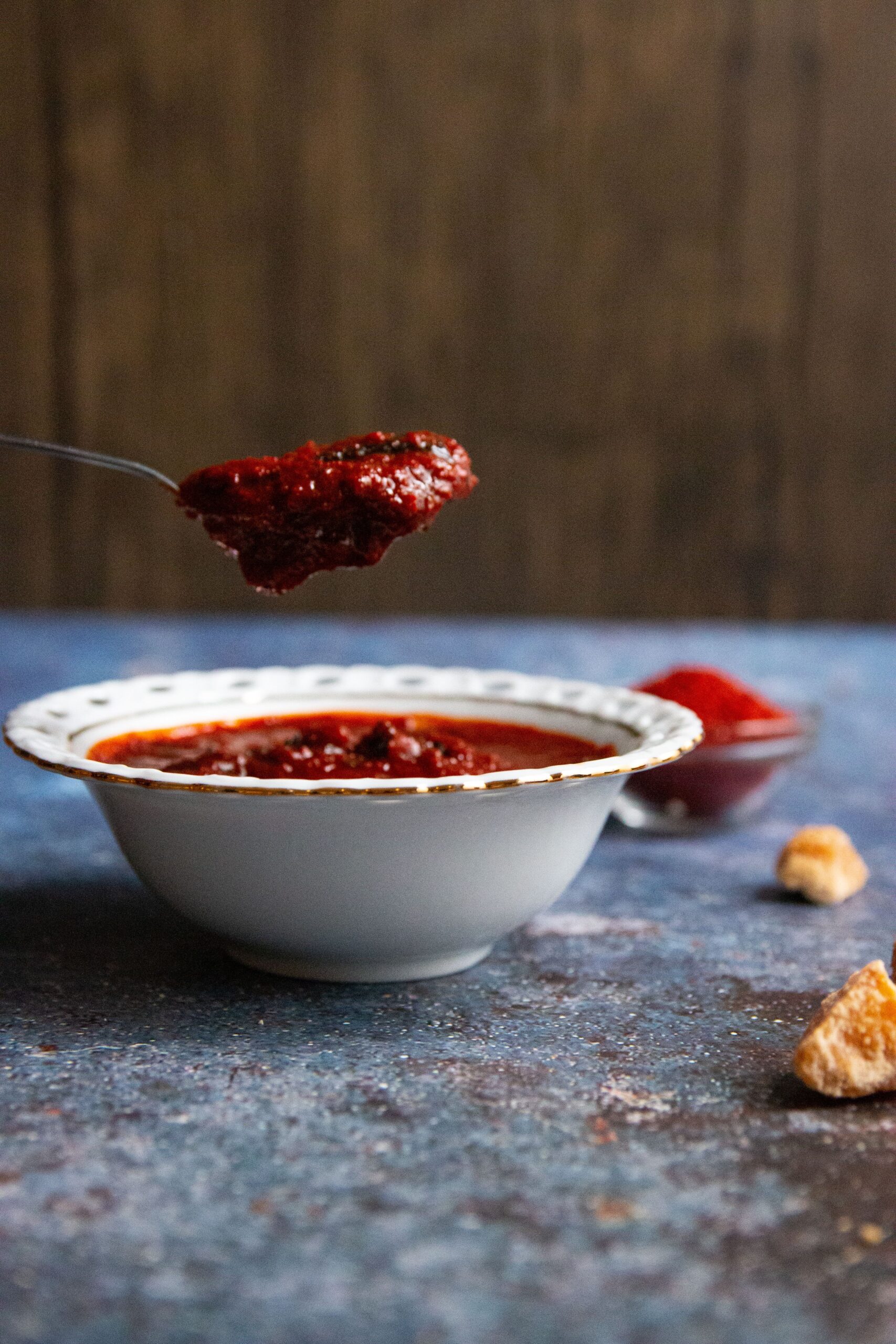
Gochujang brings heat with structure. This Korean fermented chili paste combines spice, sweetness, and savory depth, so it does more than make food hot.
It shines in marinades and glazes because it clings well and caramelizes during cooking. Mixed with soy sauce, oil, and a little sweetener, it can coat chicken, salmon, or roasted squash. Stirred into soups or mayo, it adds body along with heat, which makes the final dish taste more rounded.
Part of its appeal is that it gives layered flavor quickly. Instead of building spice, sugar, and savoriness from separate ingredients, cooks can start with one spoonful and adjust from there. That efficiency has made it easier to adopt for weeknight meals.
Nutritional yeast
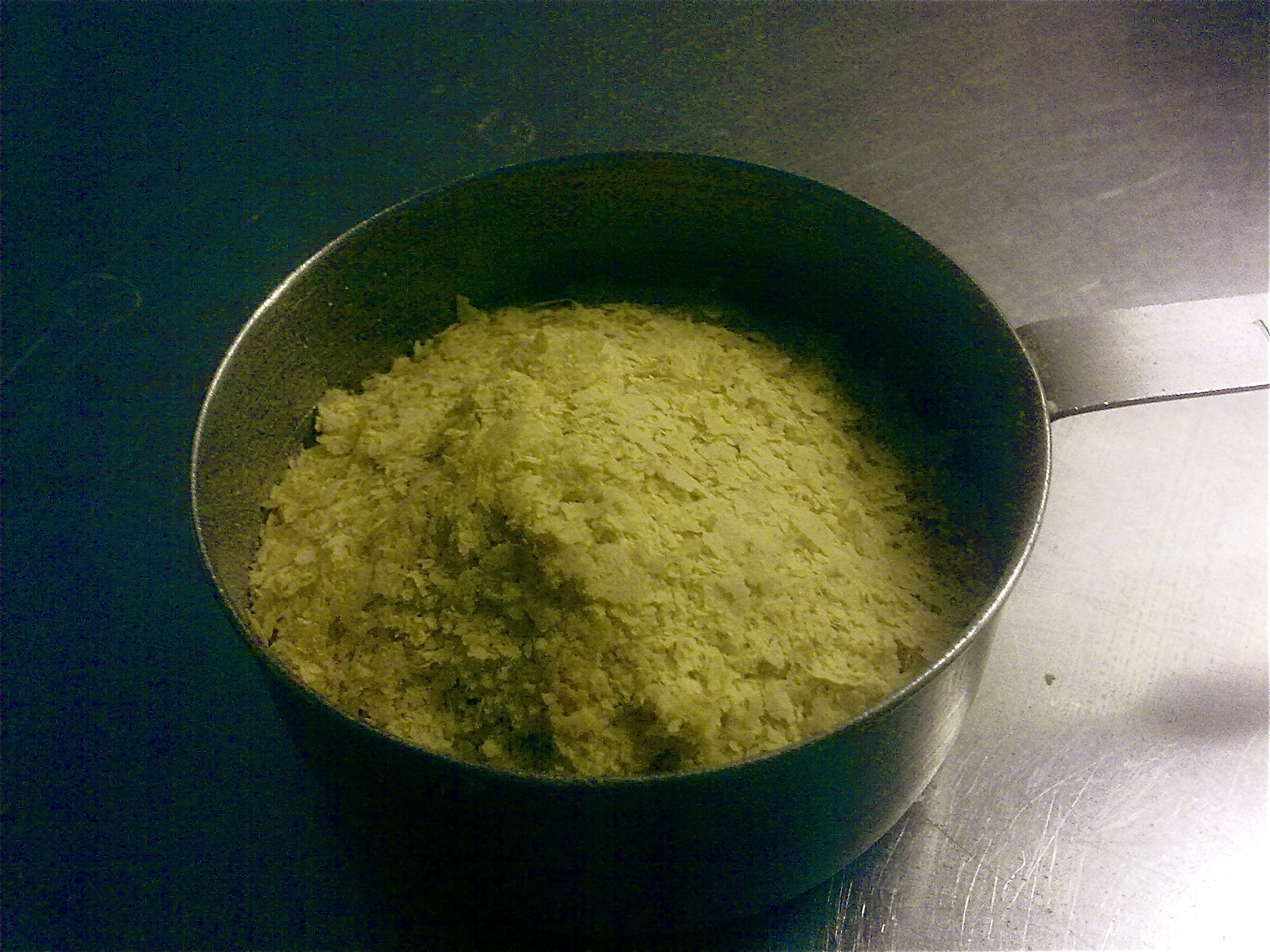
Nutritional yeast wins people over by doing two jobs at once. It adds a savory, lightly cheesy flavor, and its flaky texture makes it easy to sprinkle over foods right before serving.
It is especially popular on popcorn, pasta, roasted vegetables, and scrambled eggs. In sauces, it can help create a cheesy impression without relying entirely on dairy, which is one reason it appears often in plant based cooking. Still, its appeal now goes beyond any single diet style.
What keeps it in the kitchen is its simplicity. There is no chopping, no cooking, and no learning curve. When a dish needs a final savory boost, nutritional yeast can do the work in seconds, which is often exactly what home cooks want.



Leave a Reply