
Pizza night feels innocent. For many Canadian households, it is a ritual built around convenience, comfort, and cost.
Why pizza is the weekly meal in the spotlight
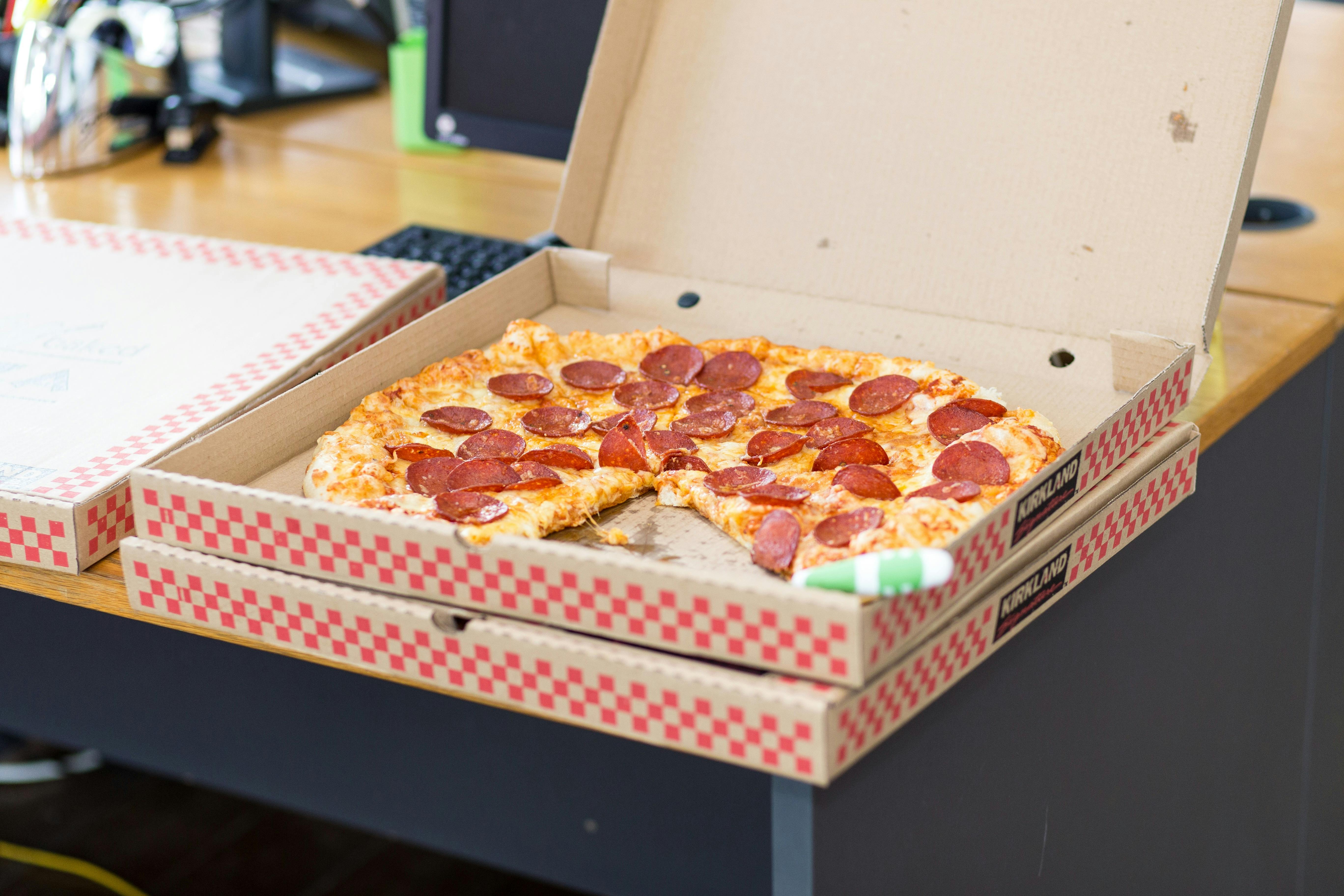
The meal most often deserves scrutiny is pizza, especially the heavily processed kind ordered for delivery or pulled from the freezer. It is not that all pizza is inherently unhealthy. The problem is the typical Canadian version loaded with refined flour crust, processed meats, excess cheese, salty sauces, and very little fibre.
According to Canadian dietary surveys, ultra-processed foods make up a large share of daily calories for many adults and children. Pizza sits squarely in that category when it is made with industrial ingredients and eaten as a routine fallback meal. Weekly repetition matters because the gut responds to patterns, not just occasional indulgences.
What makes this meal stand out is the combination of low fibre and high fat, sodium, and additives. That mix feeds the wrong microbial balance in the intestines. Over time, it can support bloating, irregular bowel movements, and a less resilient gut lining.
What this meal does inside the gut

Your gut is home to trillions of microbes that help digest food, train the immune system, and produce beneficial compounds such as short-chain fatty acids. These compounds are largely created when gut bacteria ferment fibre. A standard takeout pizza offers very little of the plant fibre those microbes need.
Instead, the gut gets a flood of fast-digesting starch, saturated fat, and sodium. Refined crust breaks down quickly, which can spike blood sugar and leave less nourishment for fibre-loving bacteria lower in the colon. A 2024 wave of microbiome research continued to show that diets dominated by ultra-processed foods are associated with less microbial diversity.
Processed meats add another layer of concern. Pepperoni, sausage, and bacon often contain preservatives and high levels of salt and saturated fat. Research has linked frequent intake of these foods with inflammation and gastrointestinal stress, particularly in people already prone to reflux, IBS symptoms, or sensitive digestion.
The hidden issue is not just calories

Many people think gut damage only comes from overeating. In reality, the bigger issue can be food quality. A meal can fit within someone's calorie needs and still work against gut health if it is low in fibre and rich in additives, emulsifiers, and processed fats.
Frozen pizzas often contain stabilizers, modified starches, flavour enhancers, and long ingredient lists designed for shelf life rather than digestion. Some emerging research suggests certain additives may interfere with the mucus layer that helps protect the intestinal lining. That does not mean one frozen pizza is toxic. It means repeated exposure may matter.
Even restaurant pizza can create problems when portions are large and vegetable content is minimal. Two or three slices can easily bring a day's worth of sodium for some people. High sodium intake may influence gut bacteria indirectly by promoting inflammatory conditions and poor overall diet quality.
Why Canadians keep eating it every week
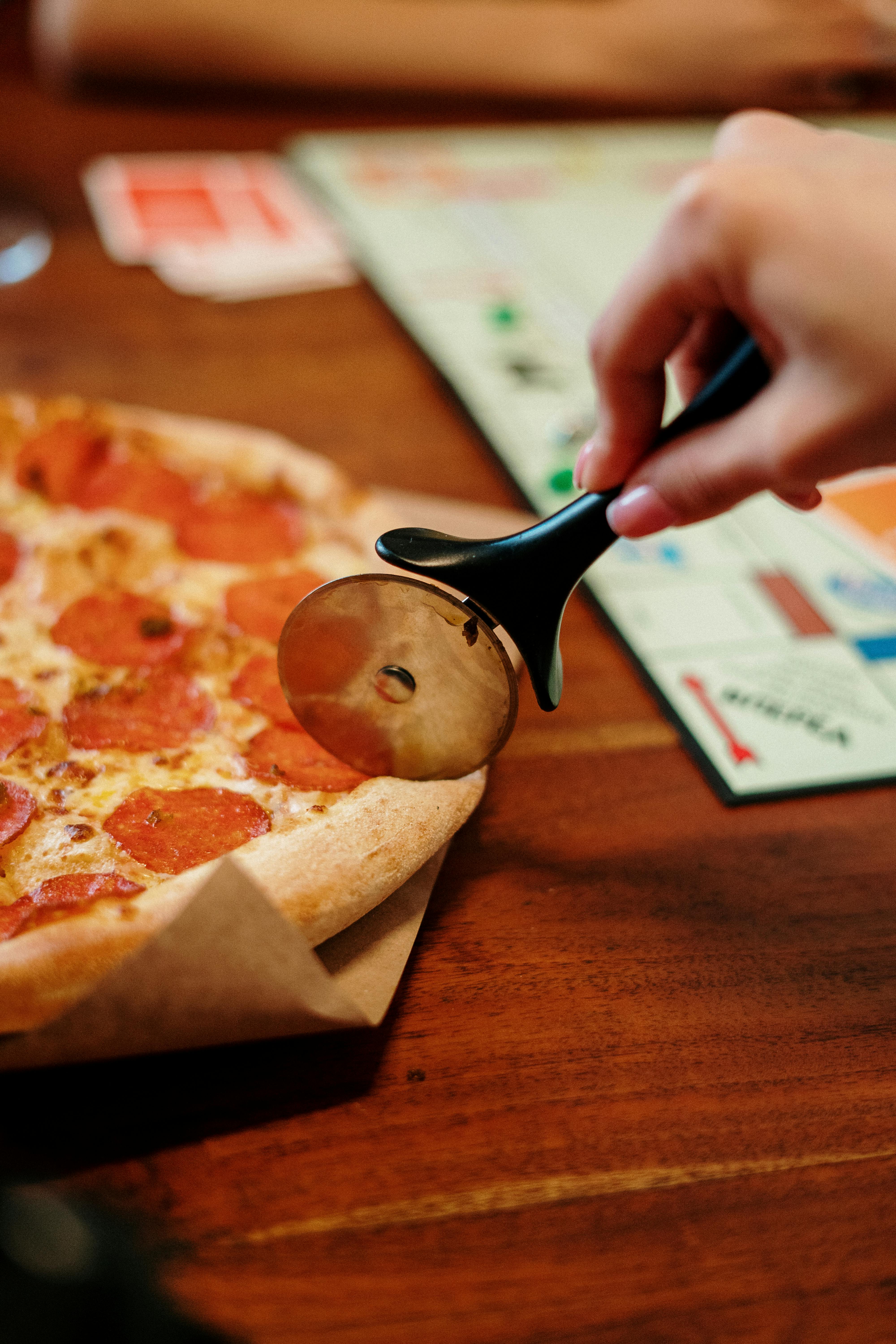
Pizza solves several modern problems at once. It is fast, widely available, family-friendly, and often cheaper than cooking a balanced dinner from scratch. In a country where many households juggle long work hours, commuting, and rising food costs, that convenience is powerful.
It is also heavily normalized. Sports nights, Friday takeout, kids' parties, road trips, and late work evenings all make pizza feel like a default rather than a deliberate choice. Because it is socially accepted, the health tradeoffs rarely get much attention unless weight gain or digestive problems become obvious.
Marketing also helps keep pizza in the weekly rotation. Value deals, app discounts, and freezer aisle promotions reward frequency. The result is a meal that shifts from occasional treat to dependable staple, which is exactly when gut-related consequences become more likely.
Who feels the effects first
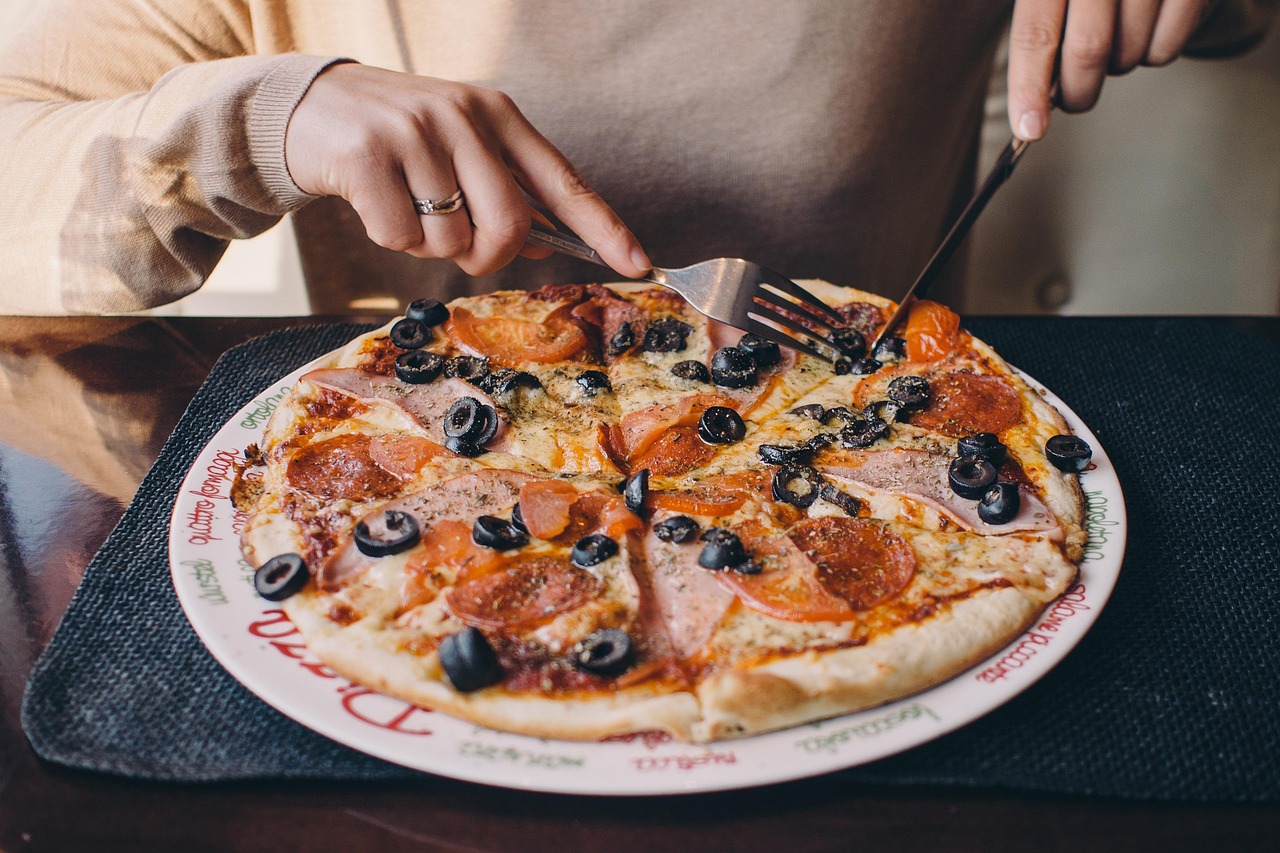
People with existing digestive issues usually notice the effects sooner. Those with IBS, acid reflux, lactose sensitivity, or chronic constipation may experience bloating, cramping, loose stools, or sluggish digestion after a typical pizza meal. The combination of cheese, processed meat, and refined crust can be a difficult load.
Children and teens may also be vulnerable because their eating patterns shape the microbiome early. If a weekly meal consistently displaces beans, whole grains, vegetables, and fermented foods, the gut loses repeated chances to build diversity. That matters for both digestion and immune health.
Still, even healthy adults are not immune. Gut decline is often subtle at first. More gas, less regularity, feeling heavy after meals, and growing dependence on low-fibre convenience foods can become the new normal long before people connect the pattern to weekly pizza night.
How to keep the ritual without harming your gut
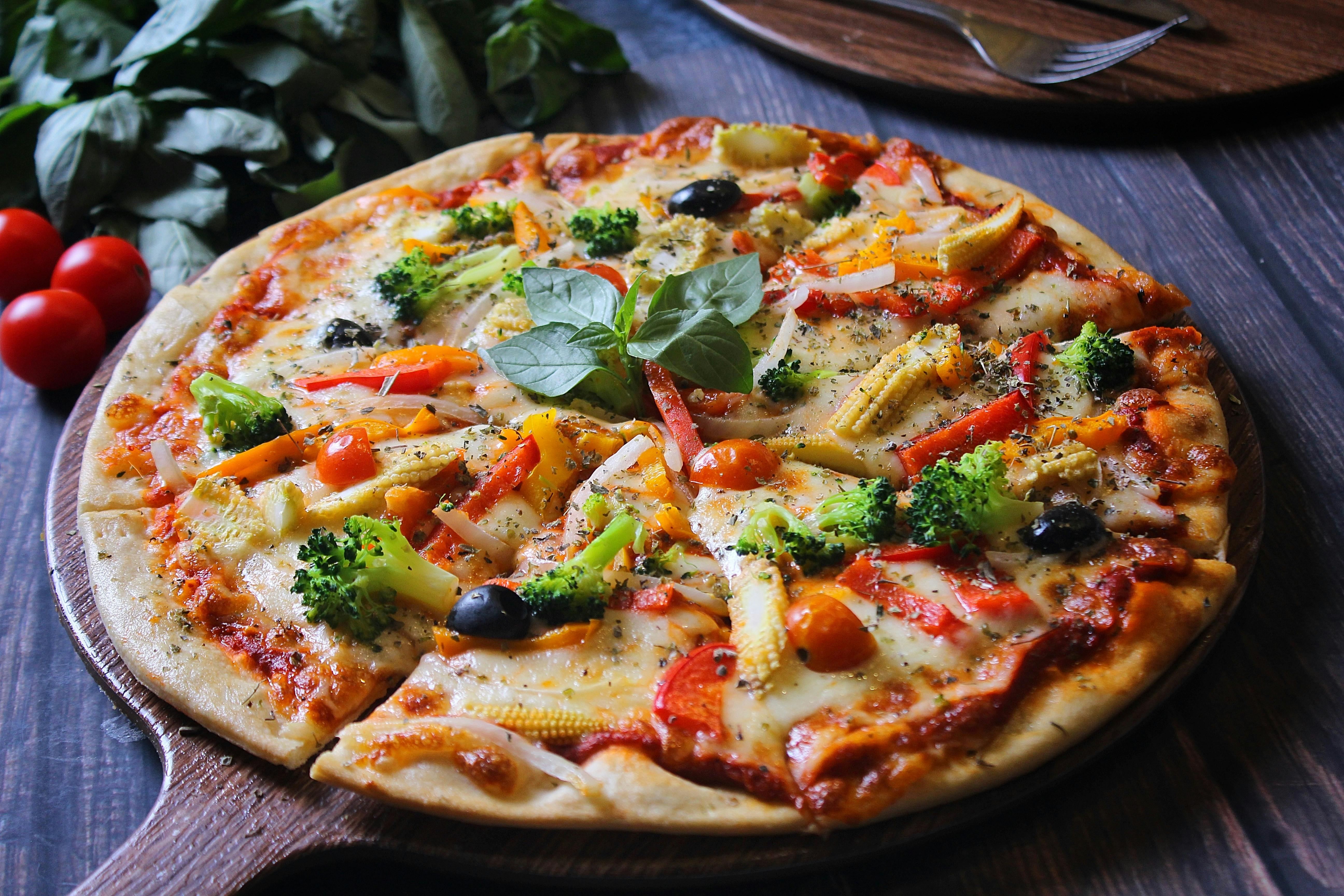
The goal is not to ban pizza. The goal is to change the version and the frequency. A homemade pizza on a whole grain crust with tomato sauce, vegetables, olive oil, and moderate cheese is very different from a deep-pan pepperoni delivery pie with stuffed crust and dipping sauces.
Simple swaps can protect the microbiome. Add fibre by using whole wheat or higher-fibre crusts. Replace processed meats with chicken, mushrooms, peppers, onions, or spinach. Pair pizza with a large salad, beans, or roasted vegetables so the meal includes prebiotic plant foods.
If pizza is a weekly tradition, balance the rest of the week intentionally. Include yogurt with live cultures, oats, lentils, kefir, berries, and leafy greens more often. Gut health is shaped by repetition, and the easiest way to protect it is to make convenience meals less processed and more plant-forward.


Leave a Reply