
Thanksgiving turkey may be the common ground, but stuffing is where regional habits and family loyalties really show. Across Canada, the dish shifts with local ingredients, inherited recipes and the strong belief that one version is the right one.
Quebec meat stuffing
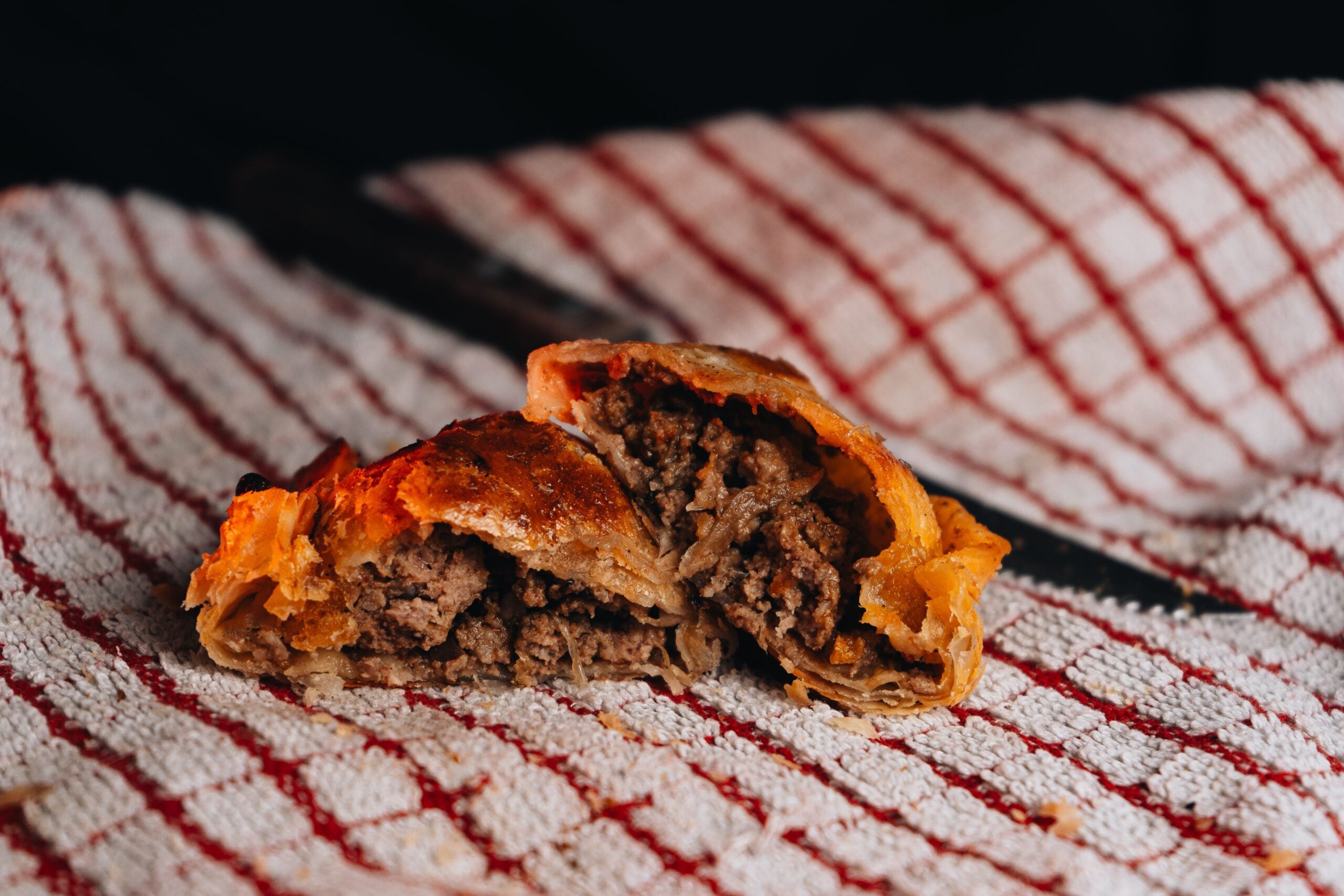
In Quebec, stuffing often leans toward the flavour of tourtière, the meat pie tied to holiday tables across the province. That means ground pork, onion, warming spices and sometimes a little potato worked into the mix, creating a filling that feels heartier than a standard bread stuffing.
The result is rich, savoury and deeply tied to French Canadian home cooking. Instead of treating stuffing as a quiet side, Quebec cooks often give it the same weight as the main event. A photo of a spoon breaking into a browned, meat filled stuffing says a lot about how seriously this province takes the dish.
Ontario breadcrumb and sage
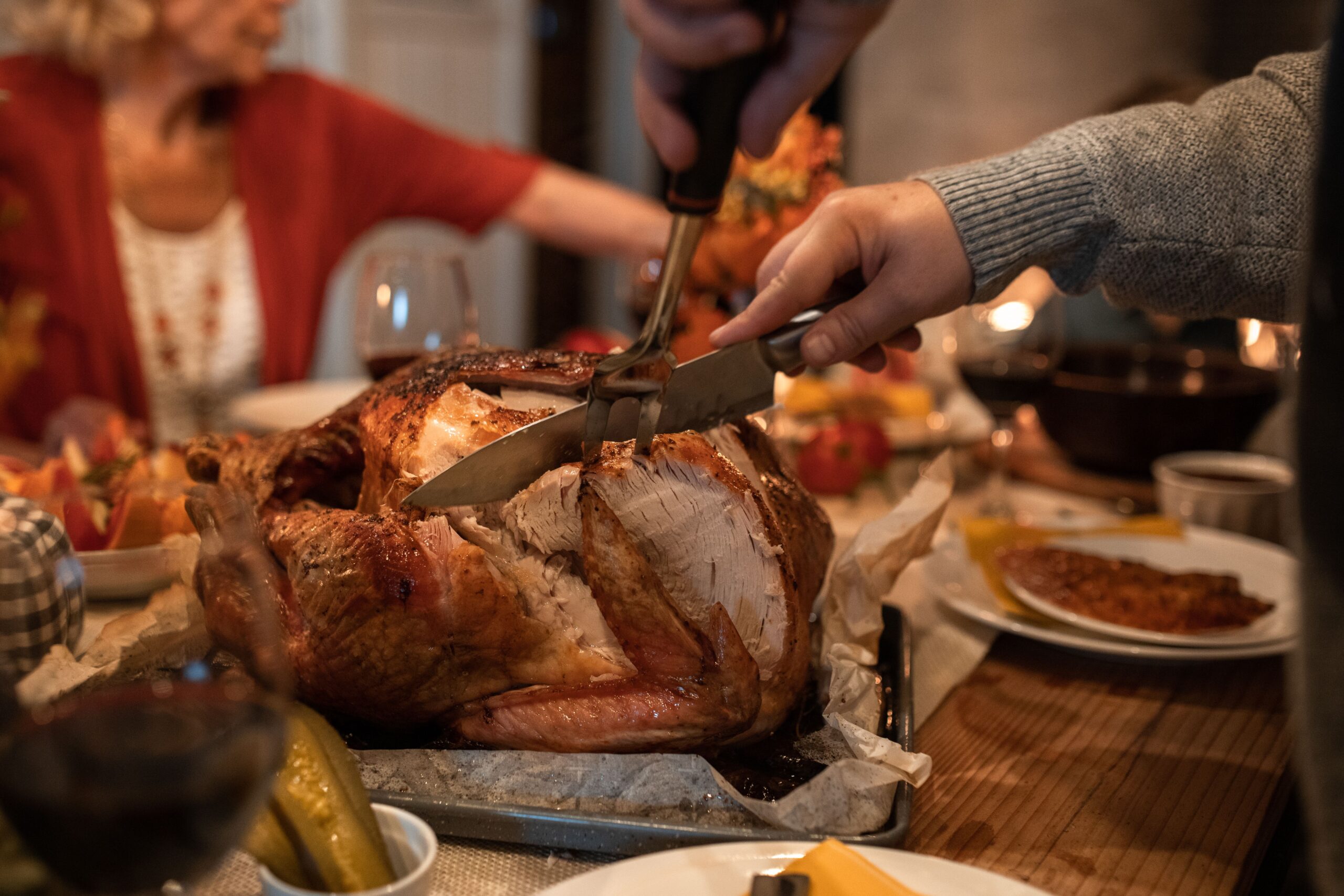
Ontario's version is the one many Canadians picture first, because it follows the classic bread based formula so closely. Dried breadcrumbs or cubed stale bread are mixed with onion, celery, butter and sage, making a stuffing that is soft in the middle and crisp on top.
Its appeal is familiarity. This is the style that smells like roast turkey in countless suburban kitchens, and it is often the recipe handed down with only tiny adjustments from one household to the next. Extra sage, less celery, more black pepper, these details can start debates that feel small until everyone is sitting at the table defending them.
Nova Scotia seafood stuffing
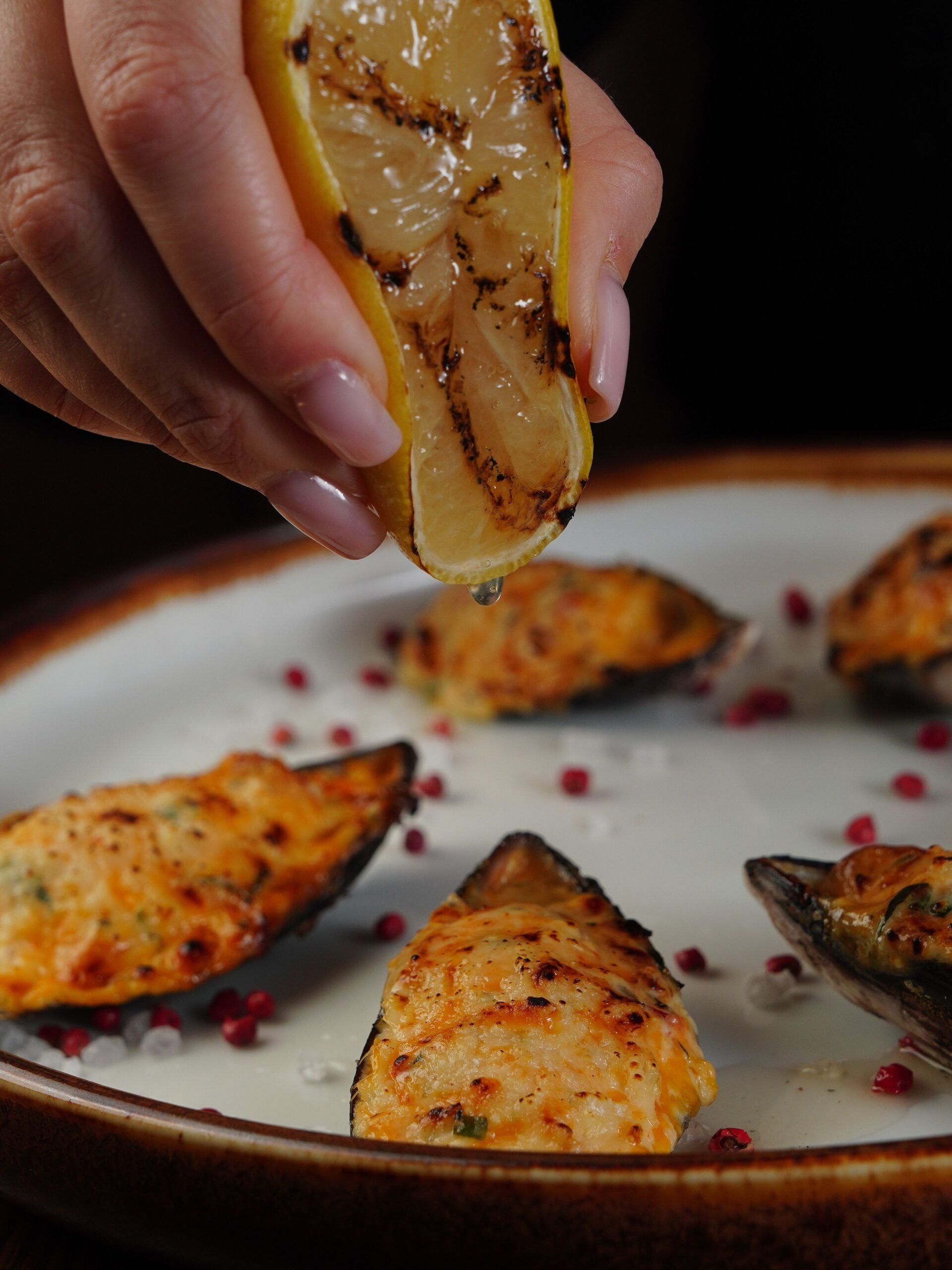
On the Atlantic coast, stuffing can take a turn that surprises people from inland provinces. In Nova Scotia, seafood versions reflect the region's closeness to the ocean, with cooks folding in ingredients such as scallops, shrimp or lobster when they want the side dish to carry a stronger local signature.
That choice changes both texture and tone. Seafood stuffing is often lighter than meat heavy versions, but it brings a briny sweetness that pairs well with roast turkey. It also shows how Thanksgiving in the Maritimes can pull from the same waters that shape everyday cooking, not just special occasion meals.
New Brunswick oyster dressing
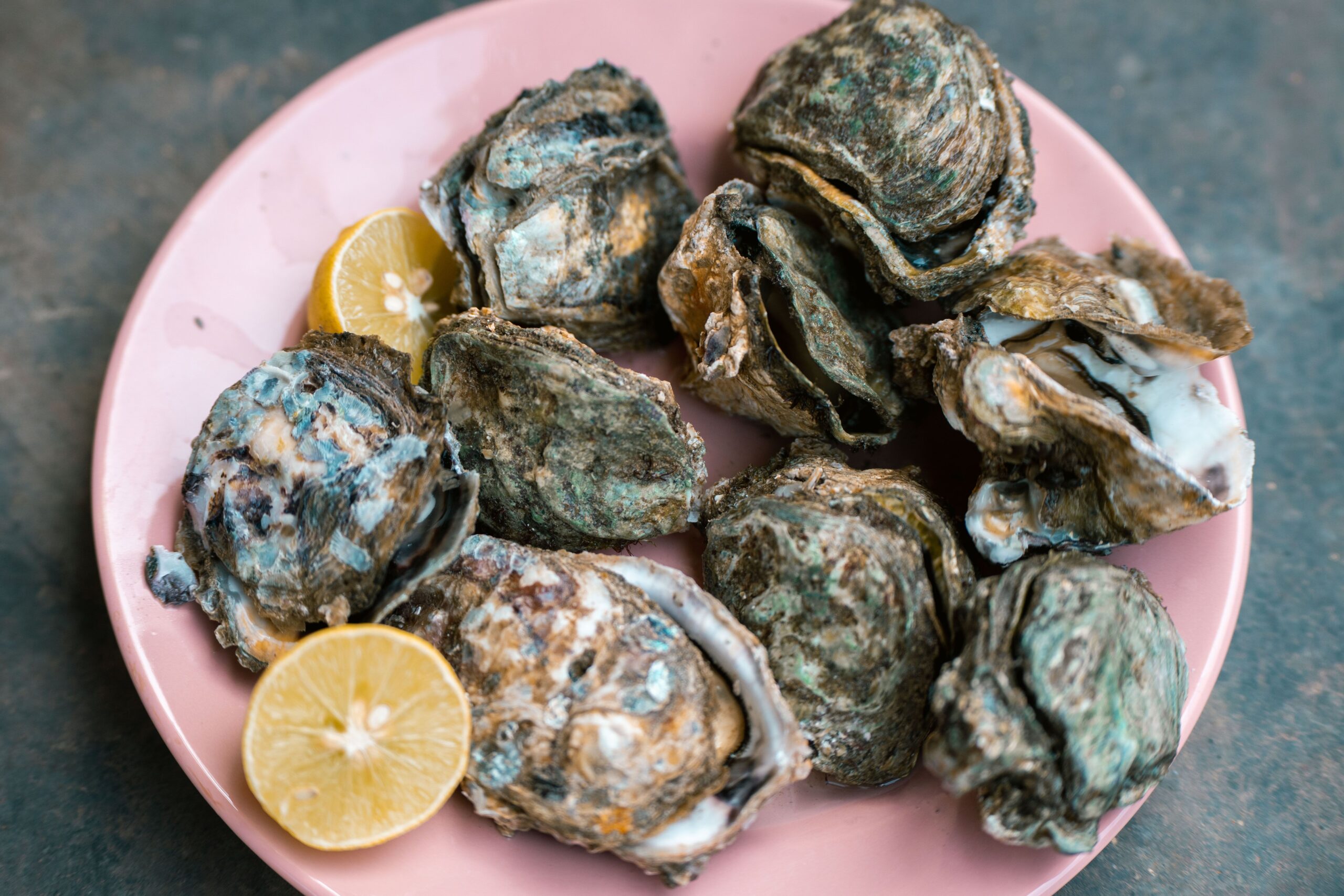
New Brunswick has its own seafood tradition, and oyster dressing is one of the most distinctive examples. Oysters have a long history in Maritime cooking, so adding them to stuffing is less about novelty and more about using a local ingredient that has long been part of the regional pantry.
The oysters bring moisture and a mineral depth that plain bread stuffing cannot match. For families who grew up with it, the flavour reads as holiday comfort rather than something adventurous. In a single baking dish, you can see the province's coastal identity, practical cooking habits and taste for recipes that carry local memory.
Manitoba wild rice stuffing
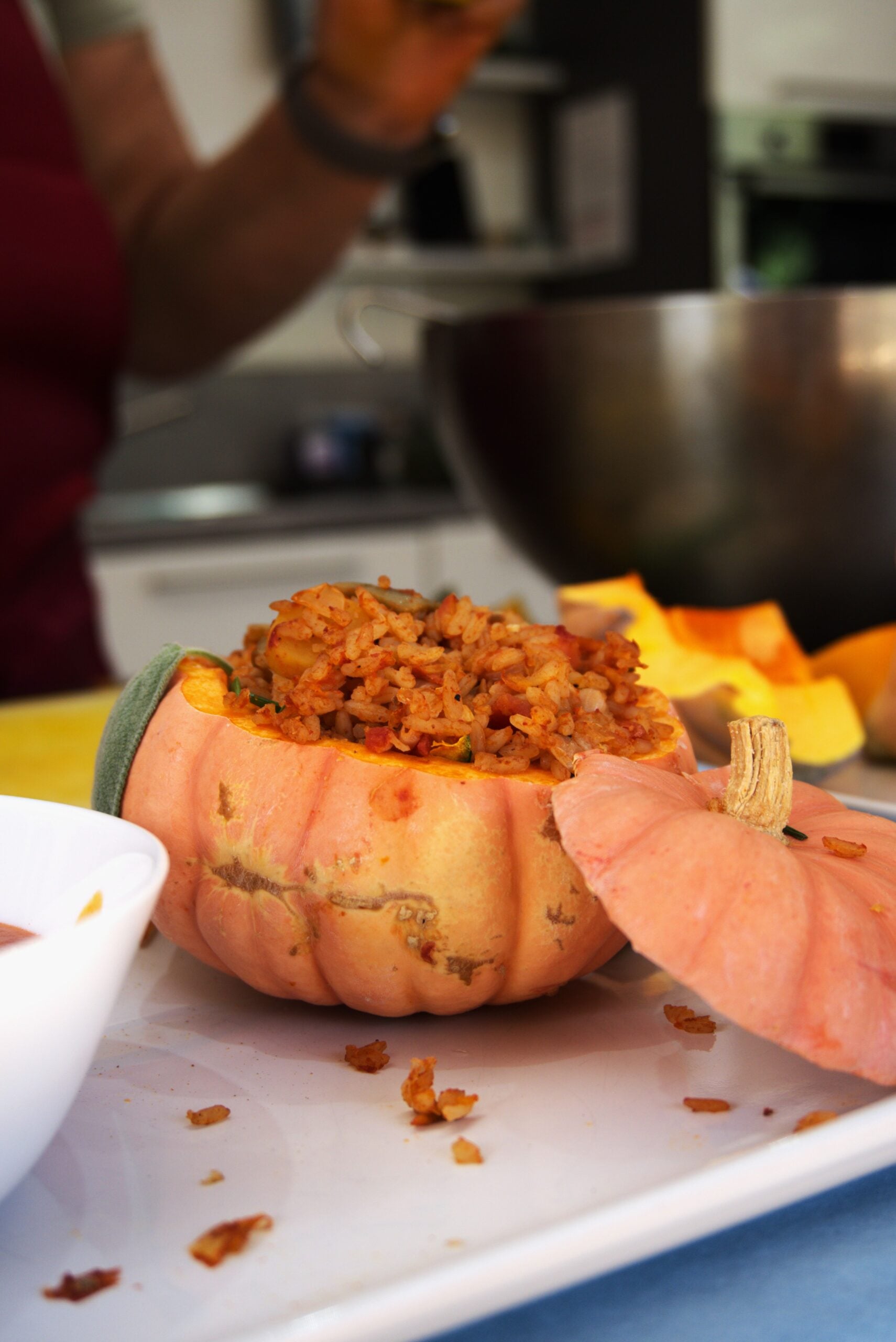
On the Prairies, stuffing often reflects grain country, and Manitoba families are especially known for versions built around wild rice. Compared with soft breadcrumb stuffing, wild rice gives the dish a firmer bite and a nutty flavour that stands up well to roasted turkey and rich gravy.
This style also feels rooted in landscape. Wild rice connects the Thanksgiving table to lakes and marsh regions, and it gives the dish a sense of place that plain white bread never quite can. Even when cooks add mushrooms, herbs or sausage, the grain remains the defining note and the point of pride.
Saskatchewan sausage and grain stuffing
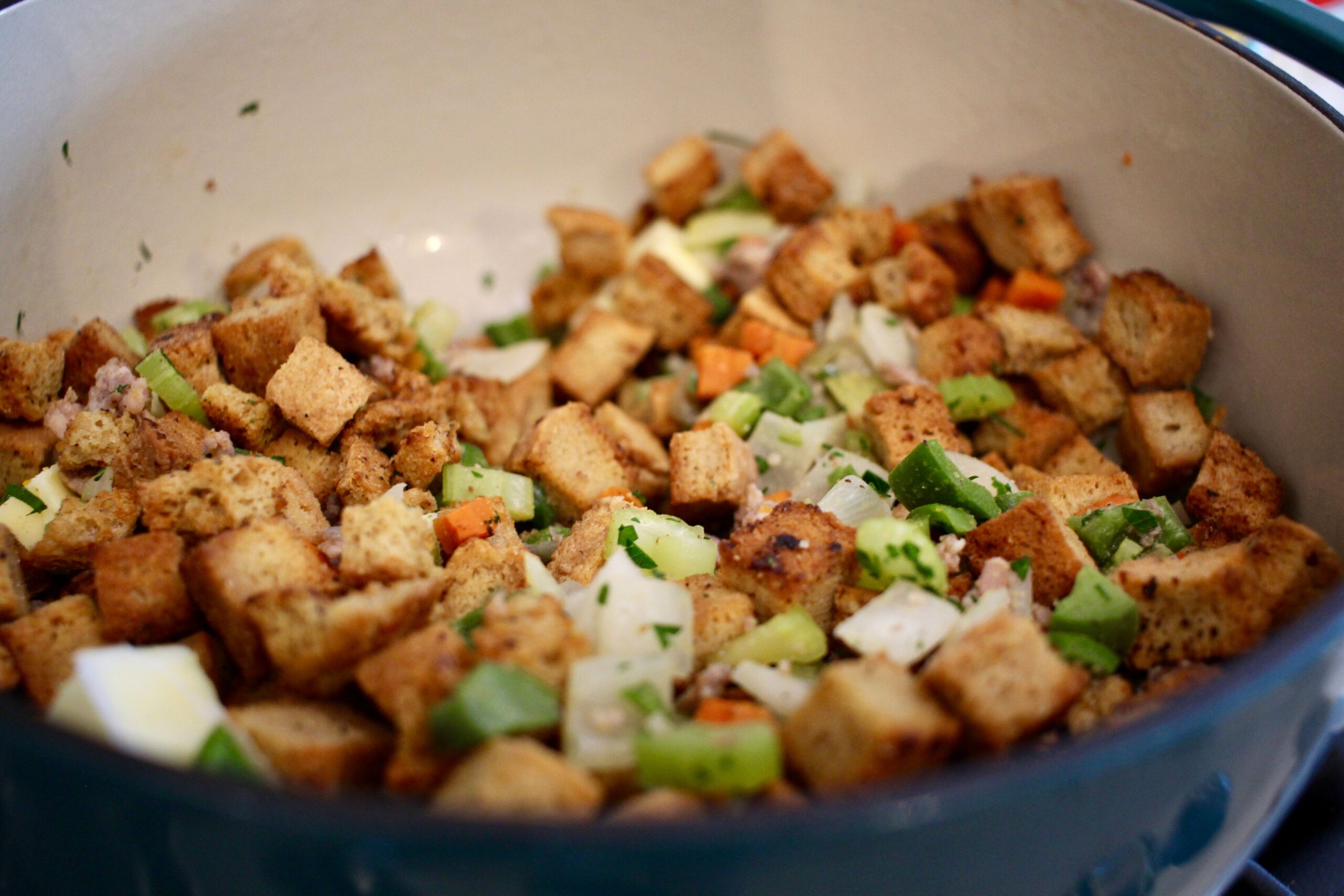
Saskatchewan stuffing often lands somewhere between old world practicality and Prairie abundance. Many families combine bread with sausage, onions and herbs, while others add grains for extra body, creating a dish that feels built for a long autumn meal rather than for delicate presentation.
That mix reflects a province shaped by farming and by recipes designed to feed groups well. Stuffing here is rarely treated as an afterthought, because it carries the flavour of drippings, meat and toasted starch all at once. It is a fitting end point for a cross country look at a dish that Canadians keep reinventing, one family pan at a time.

Leave a Reply