
Autumn in Niagara still sells itself. But this year, the wine festival's surge in attendance is not just about pretty vineyards and old habits.
Value is mattering more than prestige
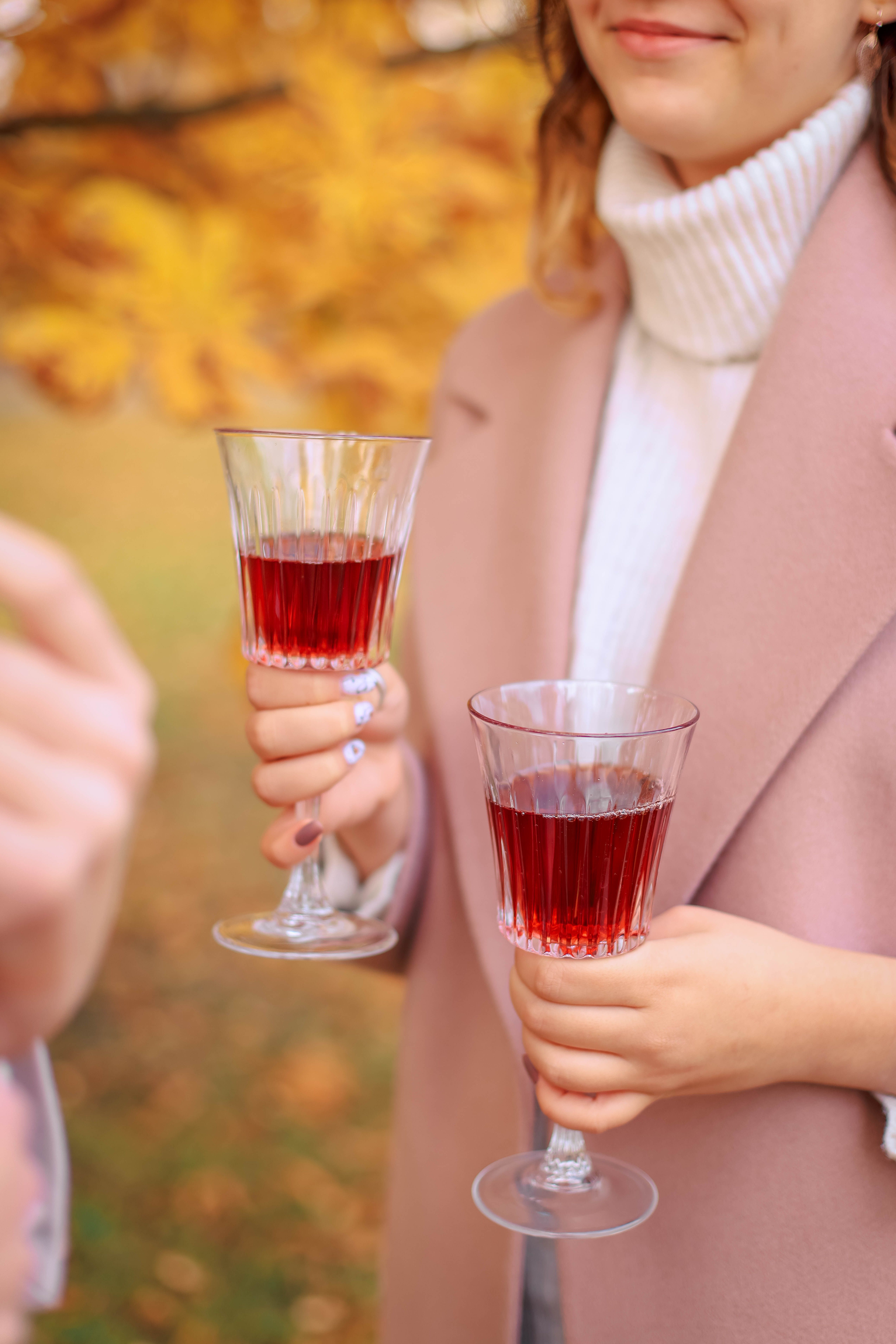
The clearest force behind stronger attendance is simple economics. Travelers are still watching discretionary spending closely, and Niagara offers a wine-country experience that feels premium without demanding the kind of budget associated with Napa, Sonoma, or major European regions.
Festival organizers and local tourism operators have leaned into that advantage. Tasting passes, day-trip packages, bundled dining offers, and shoulder-season hotel pricing have made a fall visit easier to justify for couples, friend groups, and multigenerational families.
That matters in a year when many consumers are choosing shorter trips over long vacations. Regional events that can deliver a full weekend of entertainment, food, and scenery within driving distance are performing especially well across North America, and Niagara fits that pattern almost perfectly.
The event has become broader than a wine tasting
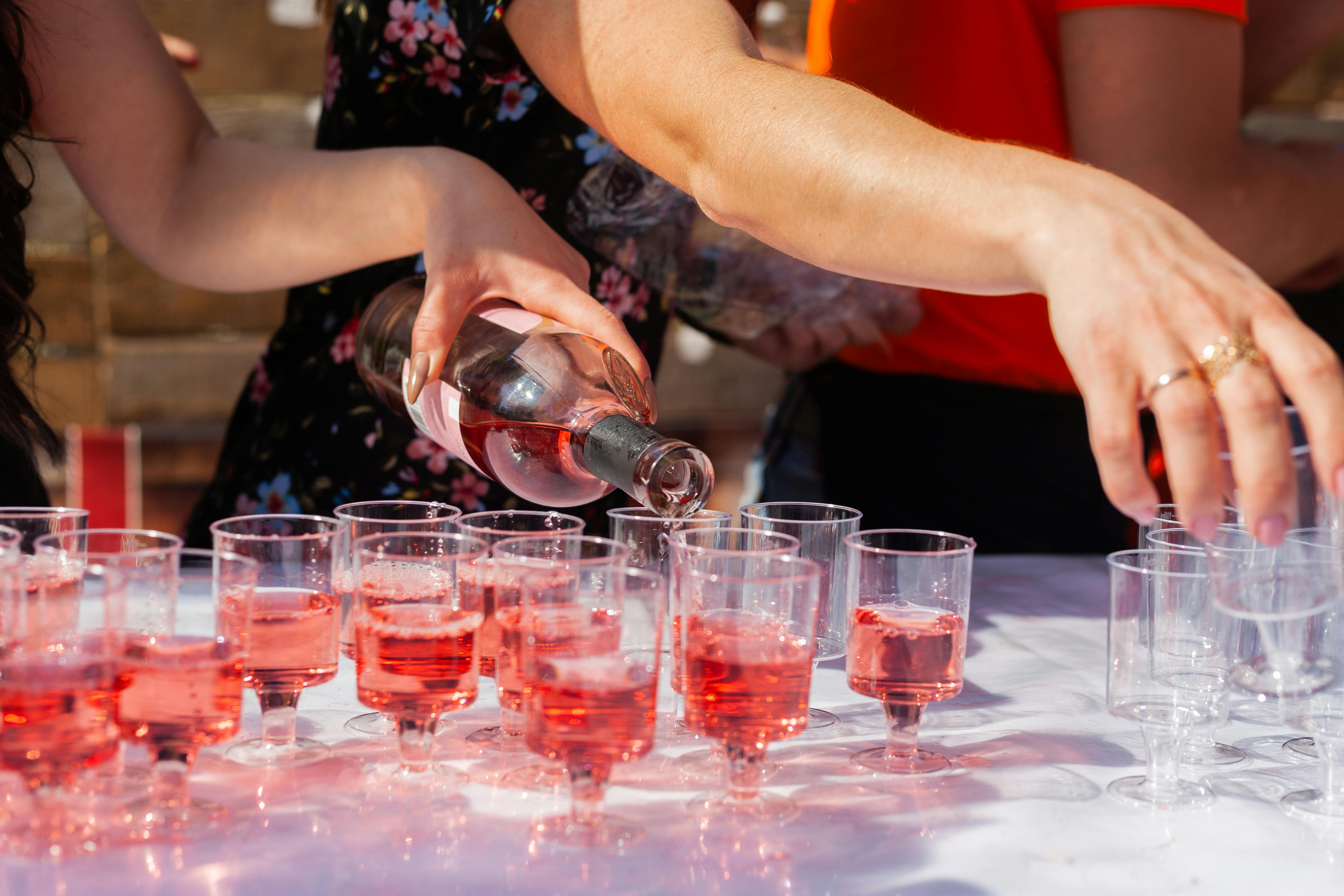
What brings people in now is not just wine education. The festival has steadily evolved into a layered lifestyle event, with chef collaborations, live music, outdoor markets, curated pairings, and social programming that attracts visitors who may not think of themselves as wine enthusiasts first.
That wider appeal is crucial for attendance growth. A couple might come for sparkling tastings, while their friends are drawn by harvest menus, local cheeses, and evening concerts. In practical terms, the festival is selling a complete autumn outing rather than a niche beverage event.
This shift also improves repeat visitation. Guests who attended in previous years are finding enough new programming to make another trip worthwhile, which is one of the strongest signs of a maturing and resilient festival brand.
Niagara's food reputation is doing more work

Wine may be the headline, but food is doing a large share of the attendance work this year. Niagara's culinary scene has become a stronger travel motivator in its own right, especially as more restaurants highlight farm-to-table menus tied directly to the harvest season.
That seasonal timing gives the festival unusual strength. Fresh produce, regional meats, orchard fruit, and late-season ingredients allow chefs to create menus that feel specific to place, which is exactly what many travelers now want from food-and-drink tourism.
Visitors are no longer satisfied with generic tasting experiences. They want local identity on the plate and in the glass, and Niagara is increasingly good at delivering both together. That combination helps convert casual day-trippers into overnight guests who spend more across the region.
Easy access is a bigger factor than many admit

One of Niagara's strongest competitive advantages is convenience. The region can pull visitors from Toronto, the Greater Golden Horseshoe, Western New York, and cross-border markets without requiring a flight, a rental car, or a weeklong commitment.
In the current travel climate, accessibility is not a minor detail. It is a deciding factor. Families with limited time, young professionals planning quick escapes, and older travelers seeking low-stress itineraries are all more likely to choose destinations that feel easy from start to finish.
That convenience also supports spontaneous attendance. People who might hesitate to plan a major vacation months ahead are often willing to book a weekend in Niagara once the weather forecast looks good and festival programming becomes more visible.
Social media is amplifying the fall experience

The festival's visual appeal has become a real attendance engine. Vine rows turning color, polished tasting rooms, harvest tables, and plated pairings perform exceptionally well on Instagram, TikTok, and short-form video platforms, where travel decisions are increasingly influenced by what looks immediate and shareable.
But the effect goes beyond pretty pictures. User-generated content acts as social proof, showing potential visitors that the festival feels lively, current, and worth the trip. That kind of peer validation can be more persuasive than traditional advertising.
Organizers and wineries have clearly recognized this shift. More photo-friendly installations, timed experiences, and curated event moments are being built into the festival environment, not as gimmicks, but as tools that help broaden reach and keep the event culturally visible.
Regional strategy is turning a local event into a destination

The strongest attendance gains usually happen when an event is supported by a larger tourism machine, and that appears to be the case in Niagara this year. Wineries, hotels, restaurants, transportation providers, and destination marketers are working in closer alignment than many visitors may realize.
That coordination improves everything from packaging to visitor flow. It allows tourists to move more easily between tastings, meals, accommodations, and nearby attractions, creating a smoother experience that encourages longer stays and stronger word-of-mouth.
In the end, the Niagara Wine Festival is benefiting from a rare convergence: good value, easy access, broader programming, serious food credibility, and a region that understands how to market autumn. Tradition still matters, but this year's crowds are responding to something much more strategic.


Leave a Reply