
Something about this pairing feels instantly attention-grabbing. In Canada, where limited-time fast-food launches regularly become national talking points, the idea of McDonald's and Red Bull sharing the spotlight has people paying close attention.
Why This Collaboration Is Getting So Much Attention
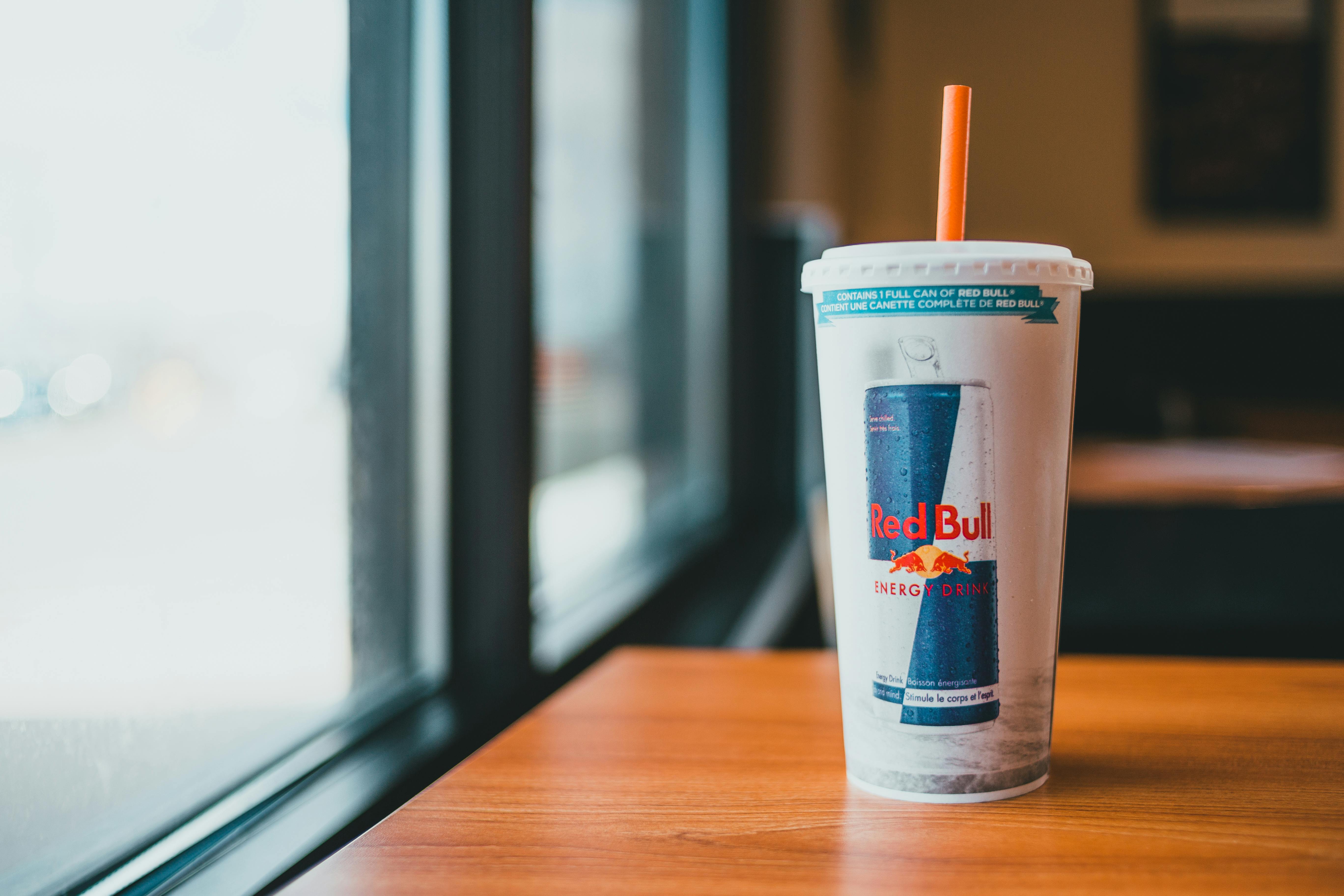
At first glance, McDonald's and Red Bull seem like a natural fit. One brand dominates quick-service food, while the other has spent decades owning the energy-drink conversation through sports, music, and youth culture.
That overlap matters because today's consumers respond strongly to recognizable brands working together. Limited-edition food and beverage tie-ins often perform well because they combine novelty with familiarity, giving customers a reason to try something new without feeling uncertain about what they are buying.
In Canada, that effect is amplified by a very active fast-food culture. New menu items from major chains frequently trend across TikTok, Instagram, and local food media, especially when they promise a mix of convenience, value, and a little cultural cachet.
Why Canadians Are Especially Receptive

There is a practical reason this concept resonates north of the border. Canadians are heavy users of drive-thrus, convenience beverages, and on-the-go breakfast and lunch options, making a high-energy partnership easy to understand in everyday life.
The country also has a broad consumer base that spans students, commuters, shift workers, and road-trippers. For those groups, a familiar burger-and-fries stop paired with a premium energy-drink name speaks directly to real habits rather than manufactured hype.
Weather and geography play a role as well. Long commutes, sprawling suburbs, and demanding winter conditions often make speed and convenience central to food choices, which is exactly where McDonald's has long excelled in the Canadian market.
The Power of Brand Identity and Social Buzz

What makes this kind of collaboration powerful is not just the product itself. It is the story around it, and both brands are exceptionally skilled at turning ordinary purchases into lifestyle statements.
McDonald's understands mass appeal better than almost any restaurant company in the world. Red Bull, meanwhile, has built an identity around performance, energy, and edge, which gives the collaboration a built-in personality before customers even take their first sip.
That strong branding creates ideal conditions for online buzz. Consumers are likely to post first impressions, compare Canadian offerings with international releases, and debate whether the collaboration feels clever, overdue, or simply fun, all of which extends the campaign's reach far beyond the restaurant counter.
What the Collaboration Could Mean for Menu Innovation

A partnership like this also signals where fast-food innovation is heading. Restaurants are increasingly looking beyond traditional fountain drinks and standard combo upgrades to create moments that feel more premium and culturally relevant.
If McDonald's incorporates Red Bull in a direct, visible way, whether through bundled meals, breakfast pairings, or exclusive beverage promotions, it could test how far mainstream chains can go in elevating drink strategy. Beverage mix is now one of the most important battlegrounds in quick service.
Industry analysts have noted that drinks often deliver strong margins and high consumer experimentation. That makes a branded collaboration especially attractive, since it can drive trial purchases, boost average order value, and create repeat traffic if the launch is handled well.
The Questions Consumers and Analysts Will Be Watching
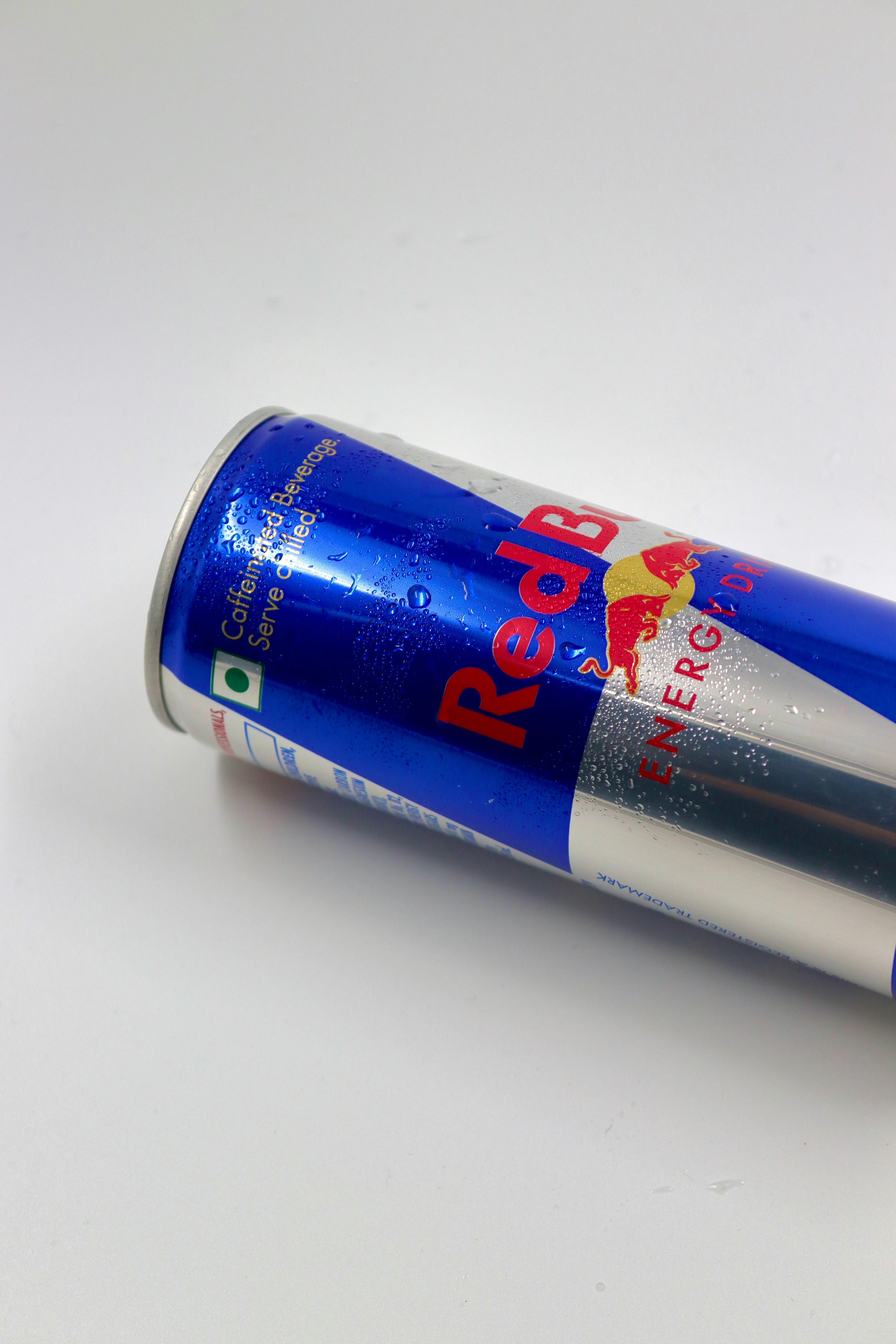
Excitement alone does not guarantee long-term success. Canadians will be watching closely to see whether the collaboration offers genuine value, a smart flavor pairing, and a rollout that feels thoughtfully designed rather than purely promotional.
Health considerations will also shape the conversation. Energy drinks remain popular, but many consumers are more label-conscious than they were a decade ago, paying closer attention to sugar, caffeine, portion size, and how these beverages fit into daily habits.
There is also the question of execution. Timing, pricing, provincial regulations, in-store messaging, and digital app promotion can all affect whether the collaboration becomes a short-lived curiosity or a standout case study in Canadian fast-food marketing.
Why the Buzz Matters Beyond One Menu Launch

This excitement says something bigger about how food culture now works in Canada. Consumers are no longer just buying meals. They are buying experiences, brand stories, and shareable moments that help ordinary purchases feel new again.
That is why even a single collaboration can carry outsized importance. For McDonald's, it is a chance to refresh its menu image. For Red Bull, it is an opportunity to meet consumers in a new setting with enormous daily traffic and cross-generational reach.
Whether the collaboration becomes a seasonal hit or a one-time experiment, the early reaction already shows its value. Canadians are paying attention because the partnership sits at the intersection of taste, convenience, identity, and modern marketing, which is exactly where today's strongest food trends tend to emerge.



Leave a Reply