
Canadian food is changing in a way that feels ordinary until you look closely. The biggest shifts are not only happening in restaurants, but in home kitchens across the country.
The national menu is being rewritten at home
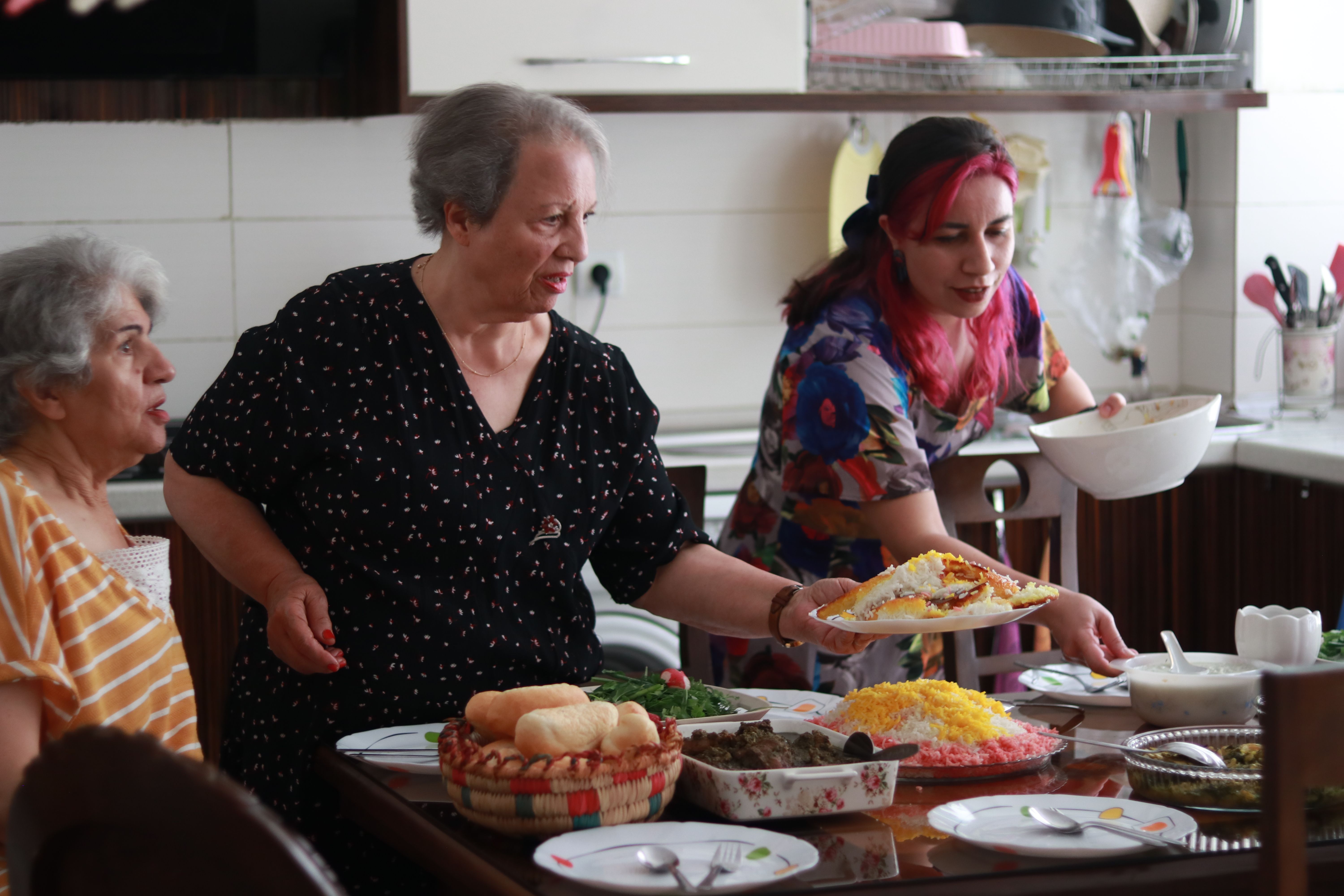
The clearest story about Canadian food now begins in the pantry, not on a tourism poster. In many households, soy sauce, garam masala, Scotch bonnet peppers, tahini, fish sauce, and chili crisp sit beside maple syrup, yellow mustard, and canned tomatoes as standard staples.
That matters because habits shape identity more deeply than headlines do. When families use dumpling wrappers for weeknight snacks, season salmon with jerk spice, or stir miso into soup made with local squash, they are not making novelty food. They are building normal Canadian taste.
Statistics Canada has long shown that immigration is a central force in population growth, especially in major cities. As that reality spreads into suburbs and smaller centres, everyday cooking follows. What counts as familiar food expands quietly, meal by meal.
Grocery aisles tell the real story of cultural change

A useful way to track culinary change is to look at supermarket shelf space. Mainstream chains now stock halal meats, fresh curry leaves, Filipino vinegar, Mexican dried chiles, Korean gochujang, and Caribbean seasoning blends far beyond neighbourhood specialty shops.
Retailers do not make those choices for symbolism. They do it because demand is regular, broad, and profitable. A product becomes mainstream when enough shoppers buy it weekly, not just during holidays or for one experimental recipe seen online.
That shift also changes how non-immigrant households cook. Once ingredients become easy to find, they move from intimidating to routine. The grocery store becomes a classroom, teaching Canadians that flavour traditions from Seoul, Lagos, Beirut, and Kingston belong in ordinary dinner planning.
"Canadian food" now reflects mixed households and blended routines

One of the most important changes is that many Canadian kitchens are not preserving a single tradition. They are combining several. A household might serve rotis with roast chicken, kimchi with eggs, or lentil soup with buttered baguette and local cheddar.
These combinations are not signs of lost authenticity. Food scholars often note that cuisines have always evolved through trade, migration, and adaptation. In Canada, that process is especially visible because mixed families, second-generation cooks, and multicultural friendships shape meals every day.
Children grow up treating these combinations as natural, not hybrid experiments. Their comfort foods may include congee, poutine, shawarma, patties, pierogi, pho, or adobo in the same month. That generational familiarity is redefining the center of Canadian cuisine.
Restaurants popularized the shift, but households made it permanent
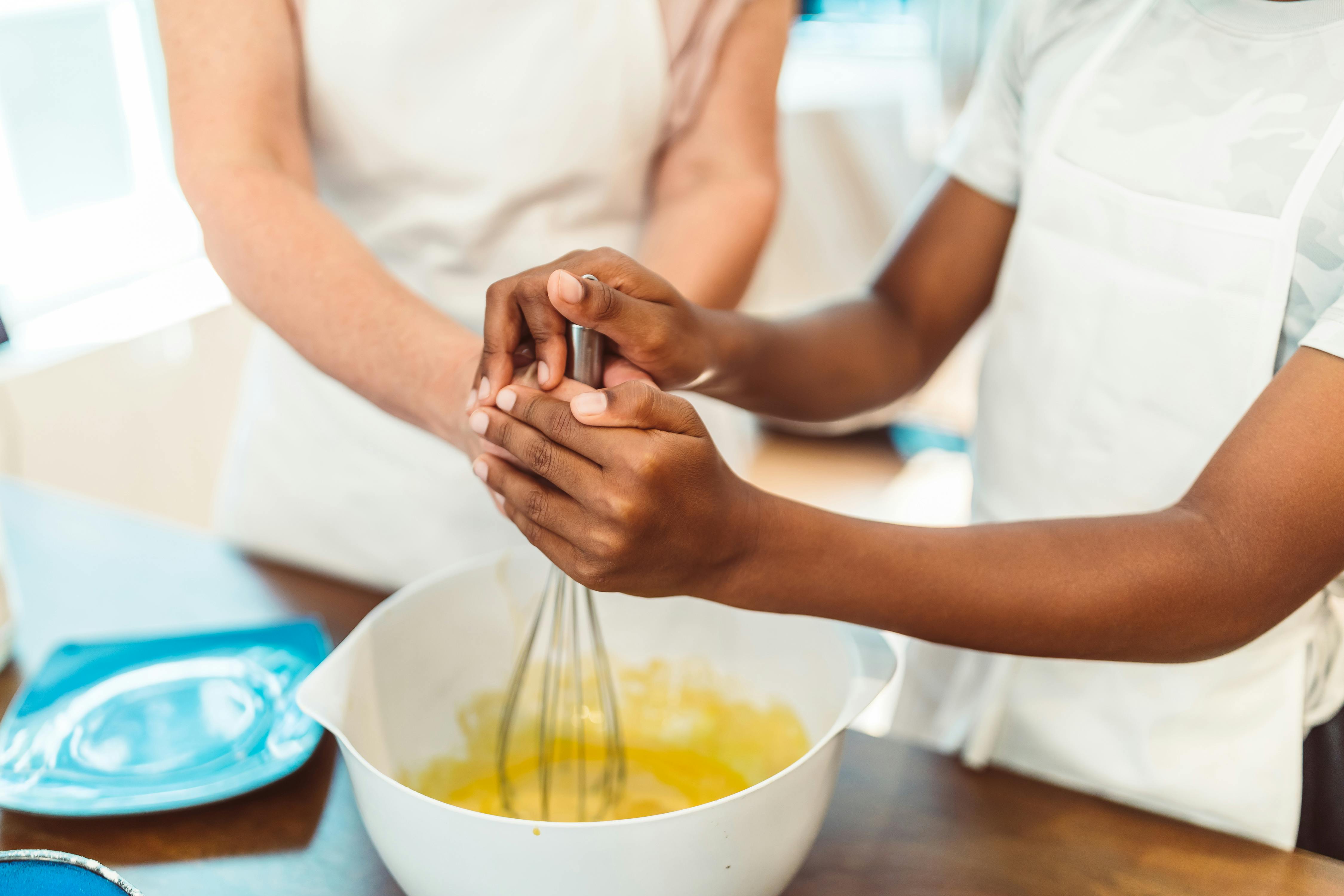
Restaurants helped broaden taste, especially in cities where diners first encountered regional Indian, Ethiopian, Vietnamese, Persian, or Syrian food. But restaurant exposure alone does not redefine a national cuisine. Real transformation happens when people start cooking related dishes at home.
During the pandemic years, that process accelerated. More Canadians learned to make noodles, flatbreads, biryani, dumplings, stews, and hot sauces in their own kitchens. They watched cooks online, swapped recipes with relatives, and bought ingredients that stayed in rotation afterward.
Once a spice blend or technique enters weekly use, it stops being exotic. It becomes part of household knowledge. That is how culinary belonging changes, not through official declarations, but through repeated practice and confidence at the stove.
Regional Canada is changing the conversation too
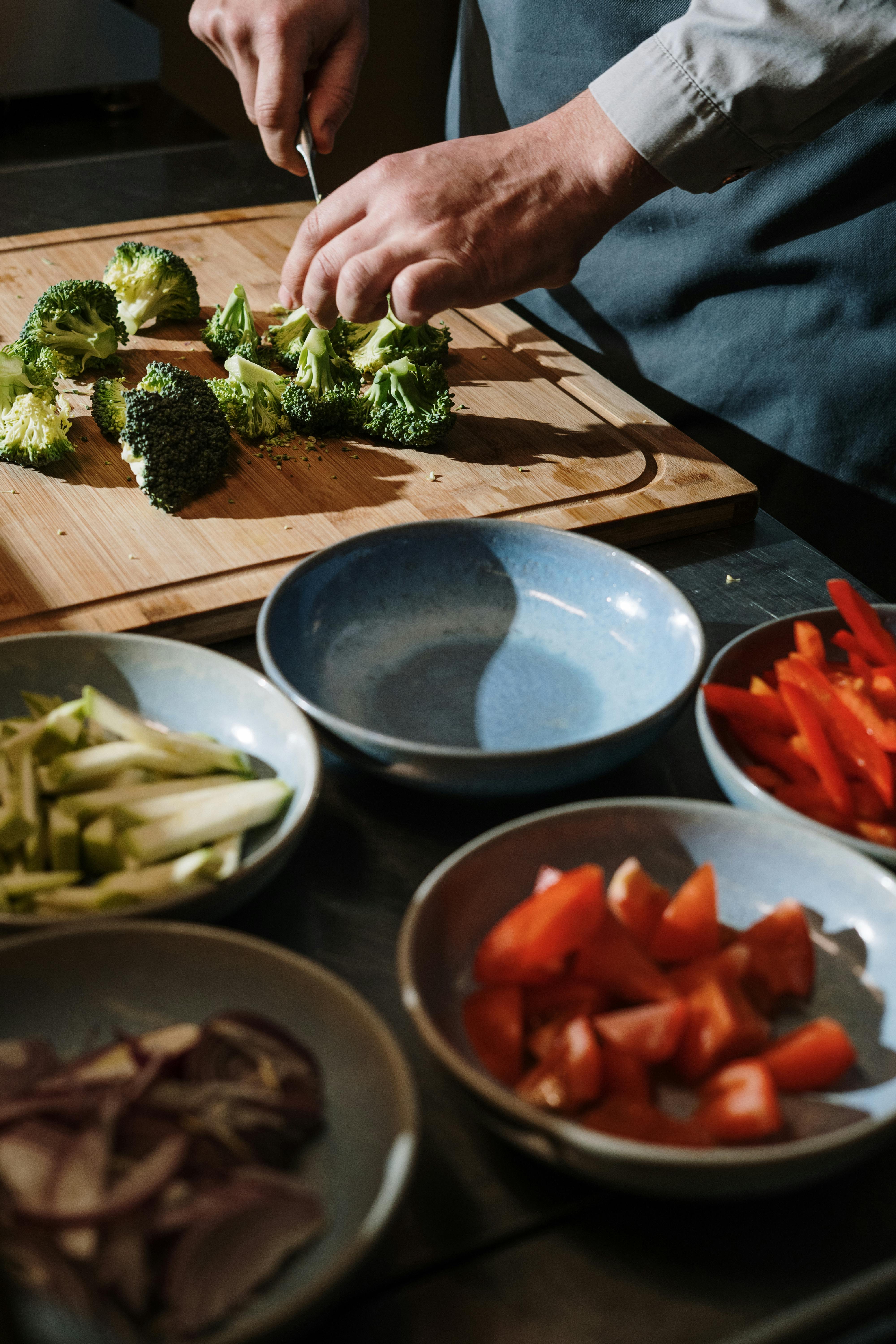
This evolution is no longer limited to Toronto, Vancouver, or Montreal. Smaller cities and suburbs across Alberta, Manitoba, Nova Scotia, and Saskatchewan increasingly support African grocers, South Asian sweet shops, Middle Eastern bakeries, and East Asian supermarkets.
That growth matters because it breaks the old idea that multicultural food is an urban niche. In many communities, sushi trays appear at office lunches, samosas at fundraisers, and halal barbecue at summer gatherings. Shared public eating normalizes broader definitions of local food.
At the same time, regional ingredients remain important. Canadian beef, Atlantic seafood, Prairie grains, Quebec cheese, and wild blueberries are being cooked with global techniques and seasonings. The result is not the loss of Canadian food, but its expansion into something more truthful.
The future of Canadian food is habit, not branding

For decades, national food identity was often reduced to a short list of symbols like poutine, butter tarts, tourtière, Nanaimo bars, and maple products. Those dishes still matter, but they no longer describe the full reality of how Canadians actually eat.
Today, Canadian food is better understood as a pattern of coexistence in the kitchen. It includes inherited recipes, adapted methods, local ingredients, and immigrant flavours used without explanation because they have become ordinary. That ordinariness is the most important change of all.
What emerges is a cuisine defined less by purity than by practice. If millions of people routinely cook with more than one culinary tradition, then that layered style is not outside Canadian food. It is Canadian food, as it is being lived right now.



Leave a Reply