
Canadian snack aisles just got a lot more exciting. After months of scarcity, some of the country's most sought-after chips are finally reappearing, and shoppers are noticing immediately.
Why these chips became so hard to find
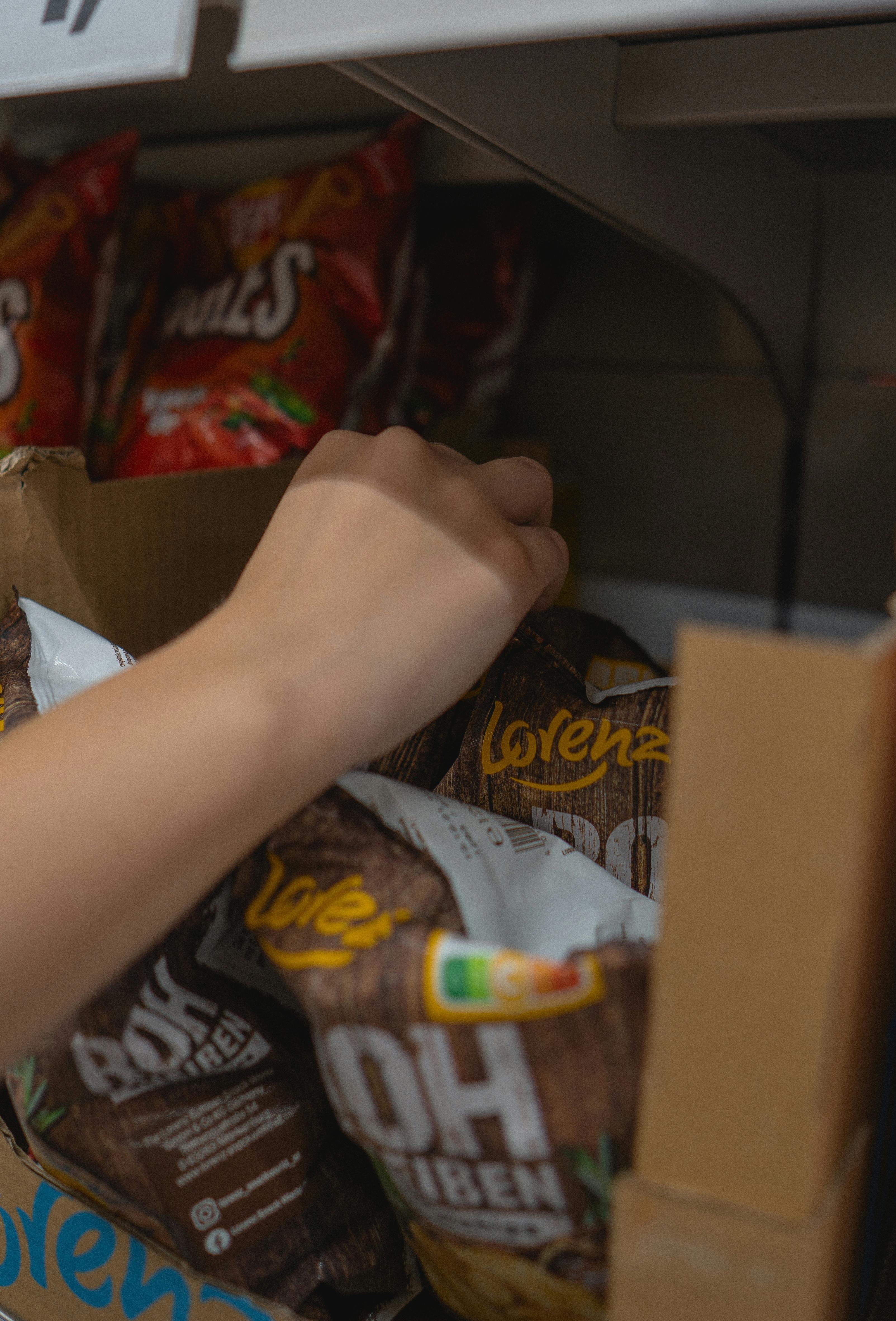
Scarcity turned an ordinary grocery item into a national obsession. In many parts of Canada, shoppers spent months checking shelves for specific chip brands and flavours that had either vanished completely or appeared only in tiny batches. What made the shortage unusual was how quickly it became a mainstream consumer story rather than a niche complaint among snack lovers.
Several factors contributed to the empty shelves. Food manufacturers across North America have faced repeated pressure from transportation bottlenecks, packaging delays, labour shortages, and fluctuating ingredient costs. Potatoes themselves were not always the issue. In many cases, it was the broader production system, including seasoning supply, cooking oil availability, and plant scheduling, that created uneven output.
Retail patterns also played a role. Large chains often received priority shipments, while smaller independent stores waited longer for restocks. That created the impression that products were disappearing randomly, when in reality distribution was being carefully rationed. For shoppers, the result was simple: favourite chips became inconsistent, and inconsistency tends to fuel demand.
The brands and flavours Canadians kept asking for
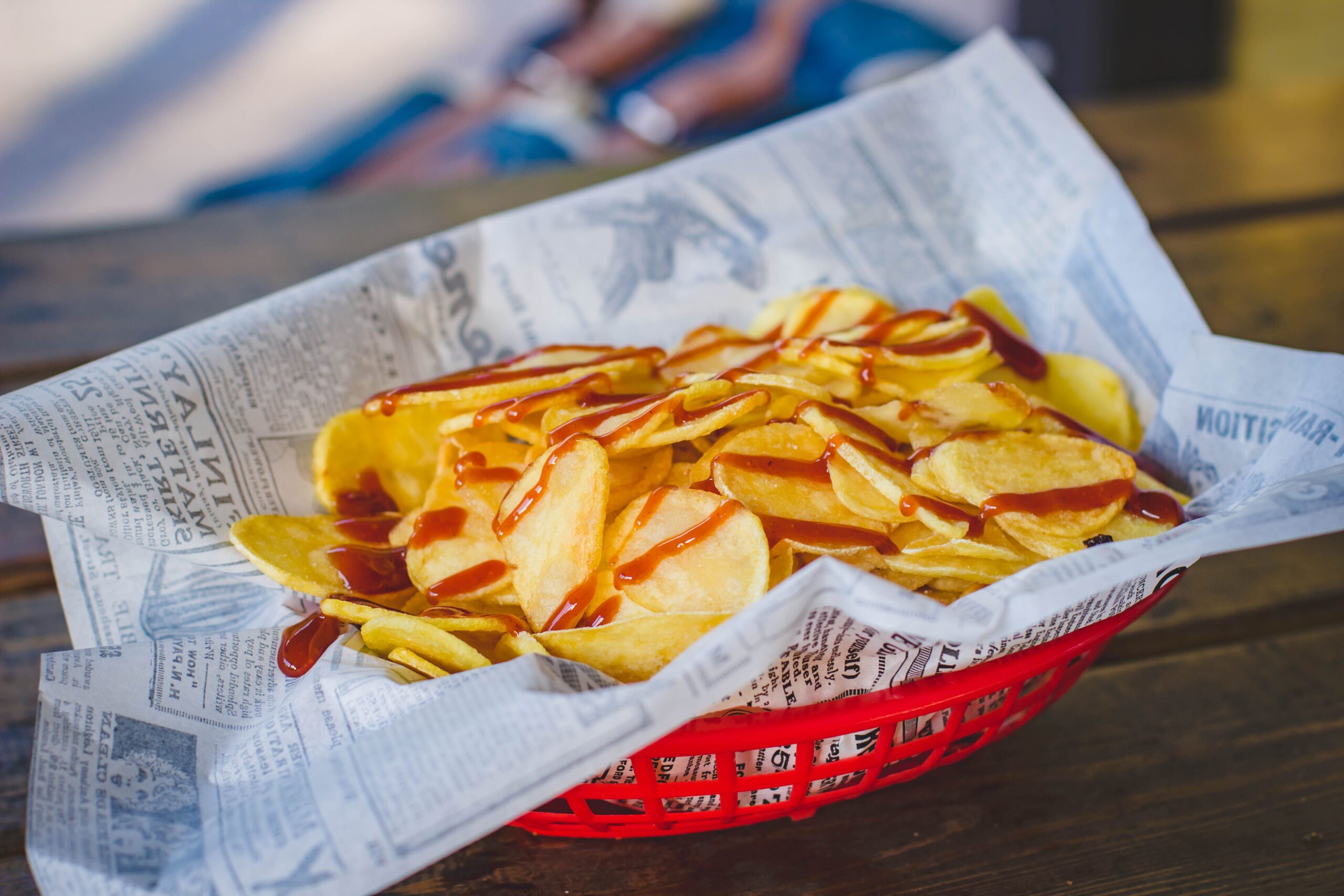
What stood out during the shortage was the level of attachment Canadians showed to familiar flavours. All Dressed, Ketchup, Salt & Vinegar, Sour Cream & Onion, and classic ripple varieties remained among the most discussed options in stores and online. These are not just snack foods in Canada. They are part of the country's grocery identity and, for many consumers, deeply tied to habit and nostalgia.
Some of the strongest demand centered on brands with long-standing recognition, especially those associated with Canadian-made products or flavour profiles that are harder to find in the United States. Ketchup chips, in particular, carry a kind of cultural status that goes beyond taste. When shelves emptied, shoppers were not simply missing a snack. They were missing a distinctly Canadian staple.
Retail workers across the country reported a similar pattern. Customers were not browsing casually. They were asking directly whether a shipment had arrived, when the next delivery was expected, and whether limits would be placed on purchases. That kind of targeted demand is rare for everyday packaged food and shows how emotionally loaded shortages can become.
What their return says about the food supply chain
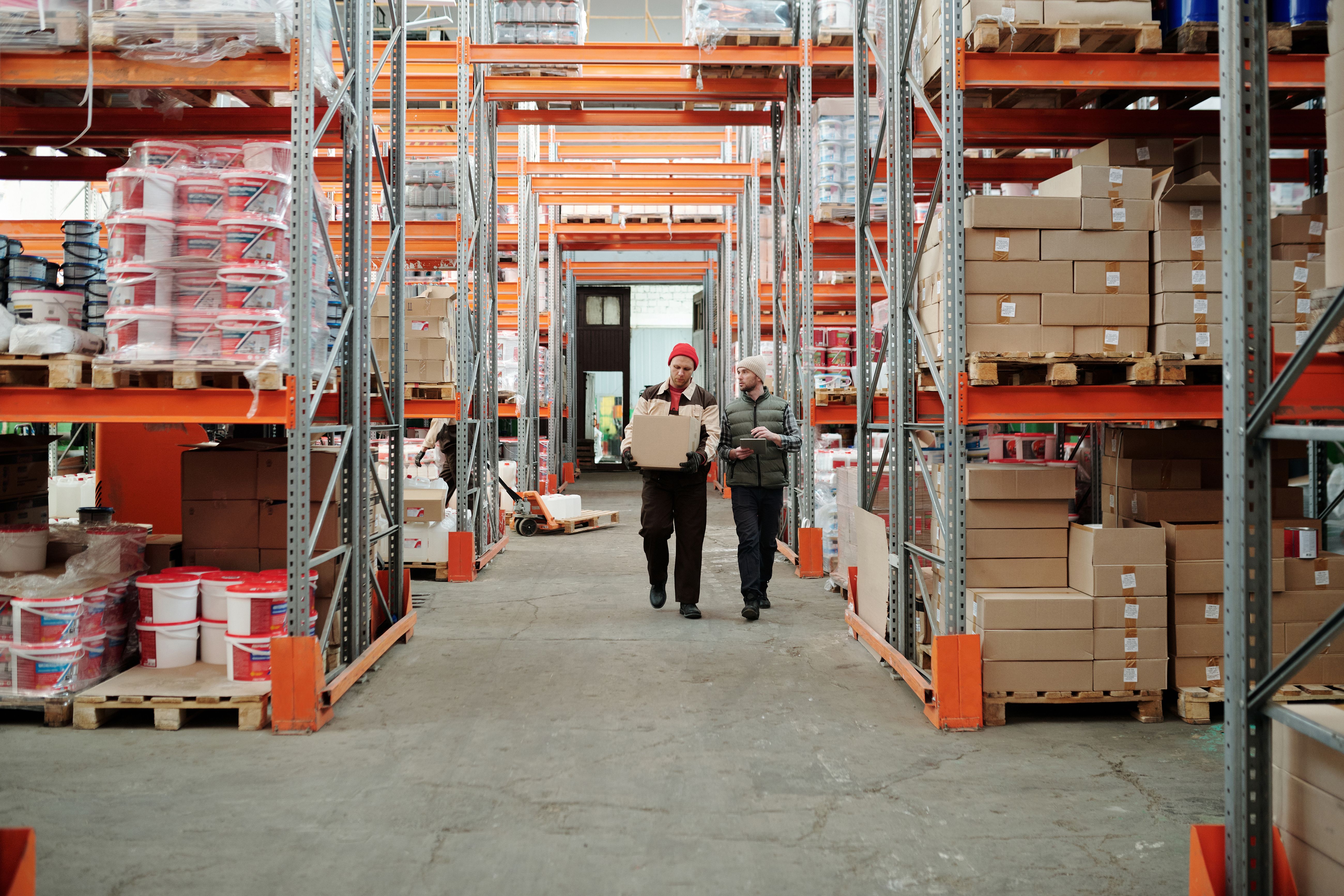
The return of these chips is good news for shoppers, but it also reflects a broader stabilization in the food industry. As processors catch up, transportation routes improve, and inventory management becomes more predictable, products that once seemed stuck in limbo are moving again. That does not mean the system is fully healed, but it does suggest that some of the worst disruptions have eased.
Industry analysts have noted that packaged snack foods are a useful measure of supply chain health because they depend on multiple synchronized inputs. A bag of chips may look simple, yet it requires agricultural supply, manufacturing capacity, packaging materials, freight coordination, and shelf placement. If even one part stalls, availability can quickly drop.
Canada's grocery landscape has become especially sensitive to these interruptions because of concentration in both manufacturing and retail. When a major supplier faces delays, the effects can spread nationally. The recent restocking of high-demand chips signals that producers and retailers have found a more reliable rhythm, at least for now.
Why consumers care more than outsiders might expect

To someone outside Canada, the excitement over chips may seem exaggerated. But food shortages, even temporary ones, often reveal which products people see as dependable comforts. In a time marked by inflation and uncertainty, familiar snacks can take on outsized emotional value because they represent normalcy, routine, and small affordable pleasures.
There is also a social layer to the story. Certain chip flavours are staples at barbecues, cottage weekends, hockey nights, and family gatherings. When they disappear, people notice because these products are woven into everyday occasions. Their return feels less like a simple retail event and more like the restoration of something recognizable.
Consumer psychology helps explain the intensity. When an item becomes scarce, people tend to assign it greater value, especially if it already holds cultural meaning. That combination of nostalgia and scarcity can transform a standard grocery purchase into a sought-after find. In Canada, chips crossed that line surprisingly fast.
What shoppers are seeing in stores now

The restocking process has not been perfectly even, but the difference is visible. More grocery stores are once again carrying fuller chip sections, and customers in several provinces report seeing familiar brands return in regular quantities rather than isolated cases. Some stores that previously sold out within hours are now keeping key flavours on shelves longer.
That said, availability still varies by region and retailer. Urban supermarkets with higher turnover often receive replenishment faster, while rural and remote communities may continue to face gaps. Independent grocers can also experience delays depending on their suppliers. So while the comeback is real, it is not yet identical across the country.
Prices remain another part of the story. Even as supply improves, many shoppers are finding that the same bags cost more than they did before the shortage period. Higher input and transportation costs have not disappeared. The product is back, but affordability remains a separate challenge for households already watching grocery bills closely.
What happens next for Canada's snack aisle

The current return is encouraging, but it does not guarantee long-term stability. Food manufacturers are still operating in an environment shaped by volatile weather, global transport risks, labour constraints, and changing consumer demand. Chips may be back today, yet the conditions that disrupted supply have not vanished entirely.
Still, brands and retailers have likely learned from the intensity of the response. When a basic product generates repeated customer inquiries and empty-shelf frustration, companies pay attention. That could lead to better forecasting, more flexible inventory planning, and stronger communication during future disruptions. Consumers have made it clear these are not optional products in their eyes.
For now, the message from the snack aisle is simple. Canadians wanted their favourite chips back, and the market responded. The story may seem small on the surface, but it captures something larger about food culture, resilience, and the enduring power of familiar tastes in uncertain times.




Leave a Reply