
Lunch can look ordinary and still be heavily industrialized. Recent research adds a sharper point to that familiar routine: U.S. children get an average of 67% of daily calories from ultra-processed foods, and scientists are now studying how that pattern may shape both appetite and health over time.
The typical packaged lunch
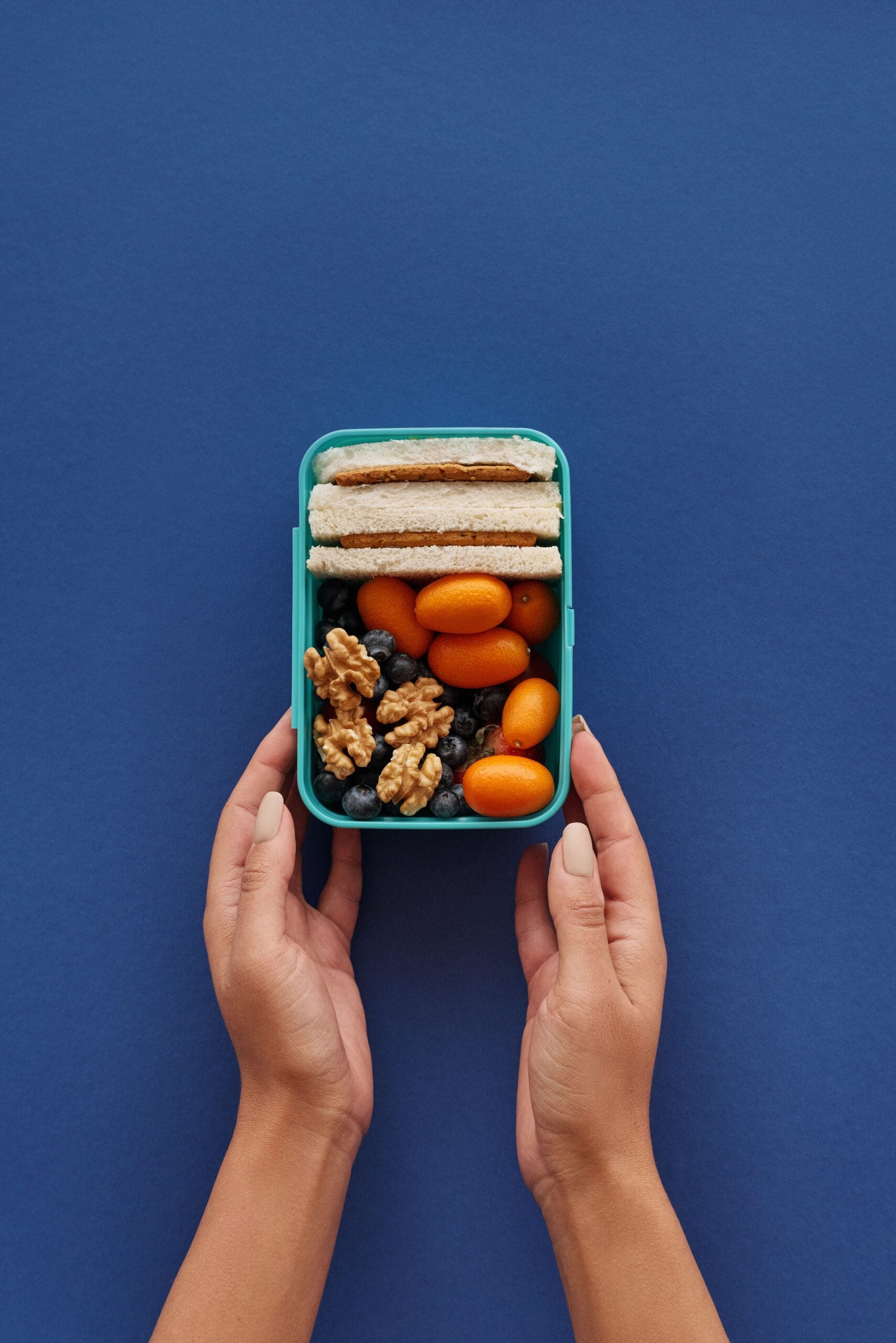
A lunch built from packaged snacks, sugary cereals, processed meats, and shelf-stable convenience foods can seem practical, not extreme. That is part of the issue. Many of the foods named in the research are common staples in lunch boxes, school cafeterias, and quick meals at home.
Researchers describe ultra-processed foods as industrially manufactured products made from refined ingredients and additives such as emulsifiers, artificial flavors, and stabilizers. They are often designed to be hyper-palatable, meaning they combine sugar, salt, and unhealthy fats in ways that keep people eating. That helps explain how an everyday lunch habit can quietly tilt so far toward ultra-processed calories.
The 67% figure
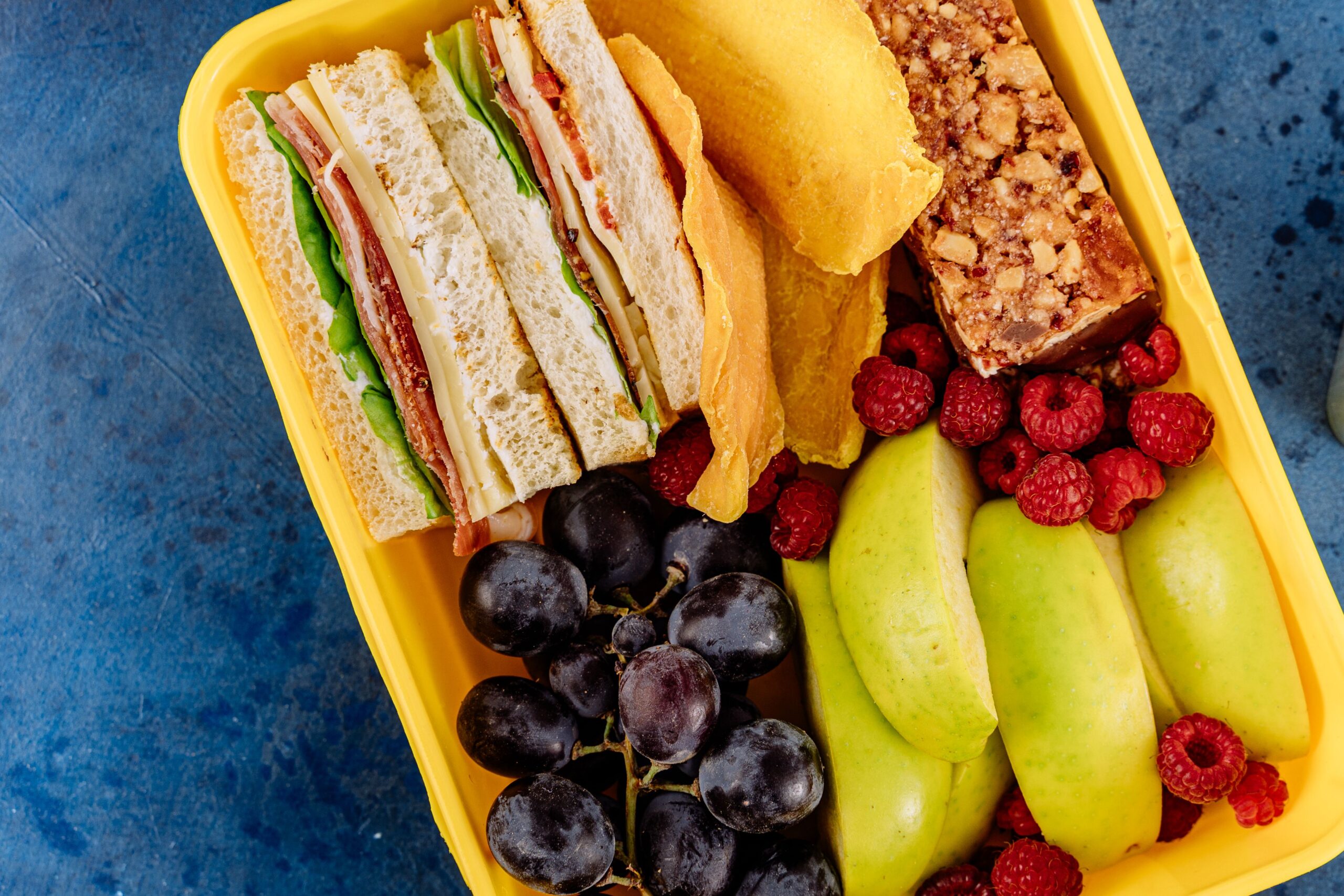
The headline number is striking because it is so easy to picture in real life. U.S. children derive an average of 67% of their daily calories from ultra-processed foods, according to the source material summarizing the new research. That is roughly two-thirds of what many children eat in a day.
When lunch includes several packaged items at once, that larger daily share starts to make sense. A processed meat sandwich, a bagged snack, a sweetened drink, and a packaged dessert can stack up quickly. The concern is not just one food at one meal, but the way repeated convenience choices shape the overall diet across weeks, months, and years.
What scientists saw in the brain

The study, published Oct. 23 in JAMA Network Open and conducted by researchers at the Keck School of Medicine of USC, looked at 46 healthy-weight children with a mean age of 8.7 years. Using functional MRI scans, researchers measured brain responses while the children viewed photos of ultra-processed foods.
Children with higher habitual ultra-processed food intake showed stronger activity in the dorsal striatum. That brain region is linked to motivation and reward. In plain terms, the scans suggest that frequent exposure to these foods may make the brain react more strongly to junk food cues, which could help reinforce cravings and repeated intake.
The link to weight changes

The children in the study were healthy weight when the research began, which makes the follow-up especially notable. Stronger dorsal striatal responses were associated with increases in BMI, body fat percentage, and waist circumference over the following 12 months.
The researchers also found that this brain activity partly explained the connection between ultra-processed food intake and later weight change. When they accounted for dorsal striatum responses, the association with BMI changes weakened by 31%, and the association with body fat percentage weakened by 44%. That does not prove cause and effect, but it does suggest the brain may be one pathway linking diet to future health.
Why childhood matters so much

Researchers say this is a critical window because children are still forming food preferences and habits. As senior researcher Dr. Kathleen Page noted in the source material, the implications go beyond weight alone. Past research has linked ultra-processed foods to Type 2 diabetes, cardiovascular disease, gut microbiome disruption, and even cognitive decline in young children.
That makes lunch more than a midday meal. It becomes a daily training ground for taste, fullness, and routine. If the most convenient choices are also the most engineered, children may learn to prefer foods that work against their long-term health.
A different kind of lunch environment
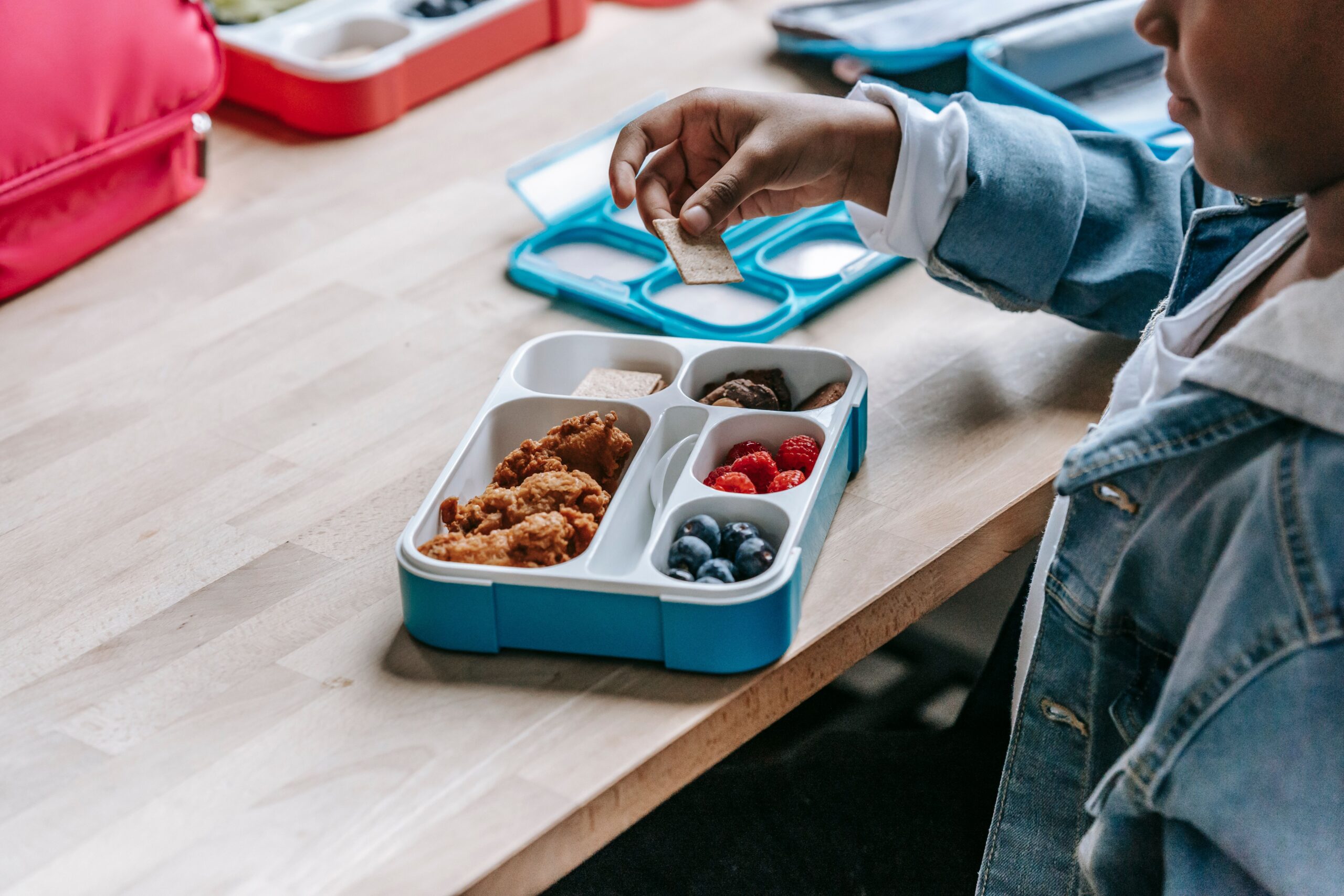
The researchers acknowledge that the study is observational, so it cannot prove causation. They are planning a follow-up trial that would replace children's diets with healthier options and track how brain responses change over time. That next step matters because it could show whether the pattern is reversible.
For now, the clearest takeaway is environmental. The researchers call for a food environment that prioritizes healthier, minimally processed options. In practical terms, that means lunches built more often around foods that look like what they started as, rather than products engineered for shelf life, convenience, and constant appeal.



Leave a Reply