
A smart breakfast plan can change the tone of an entire trip. Frequent travelers have known for years that the real trick is not just eating early, but using hotel breakfast as a money-saving and time-saving tool.
The trick is simple: treat breakfast as your first travel strategy
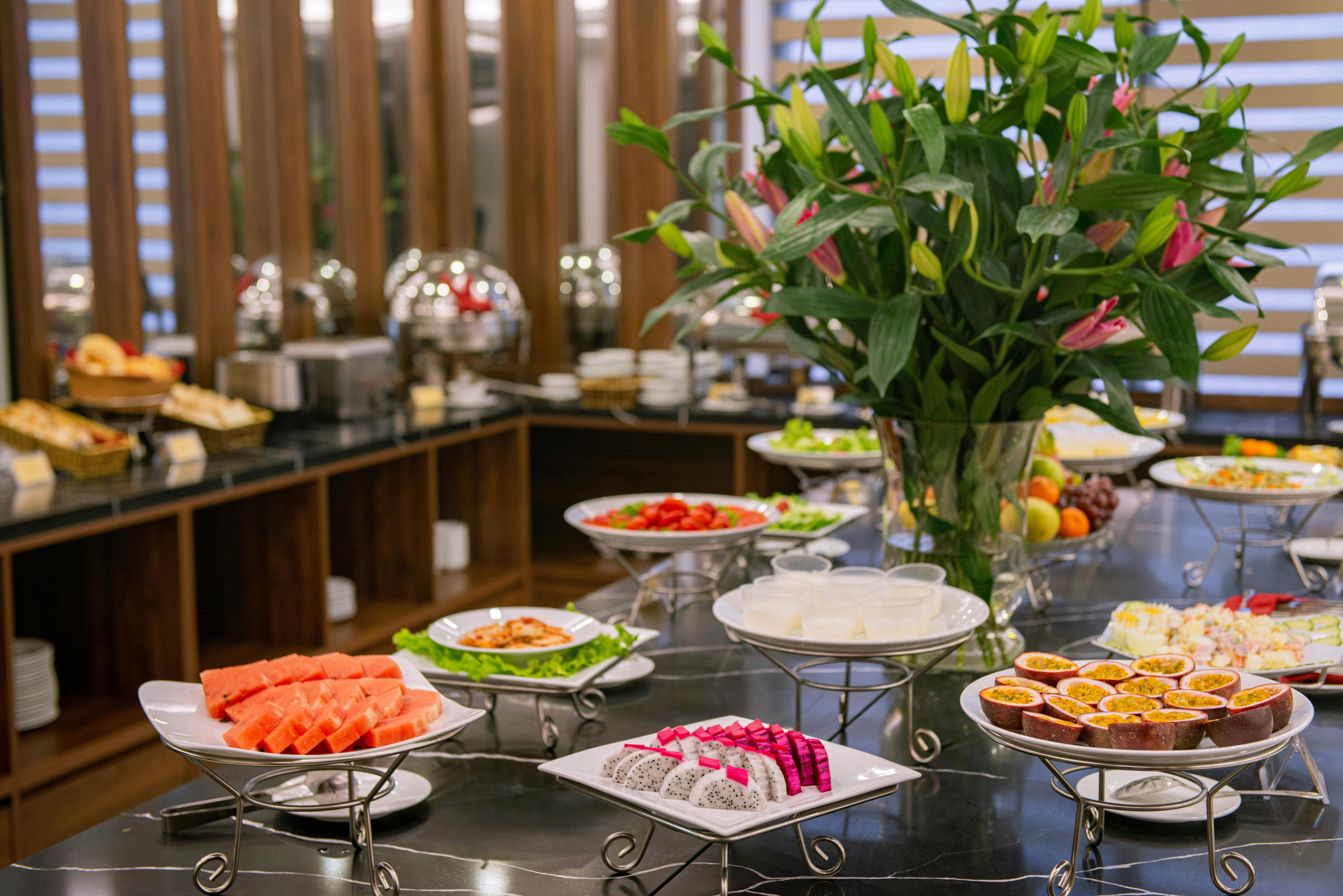
Most travelers think of hotel breakfast as a convenience. Experienced travelers treat it as a built-in advantage that can lower food costs, reduce decision fatigue, and help them avoid overpriced meals later in the day.
The core trick is straightforward. Eat a balanced breakfast, drink enough water or coffee, and if the hotel allows it, take a piece of fruit, yogurt, or a sealed pastry for later. That small habit often replaces an expensive mid-morning snack at an airport, train station, or tourist district.
Travel advisors have pointed out for years that breakfast-inclusive rates can offer real value, especially in cities where café prices are steep. In places like London, New York, or Paris, a simple breakfast outside the hotel can easily cost far more than the added room rate.
Why frequent travelers build their mornings around it
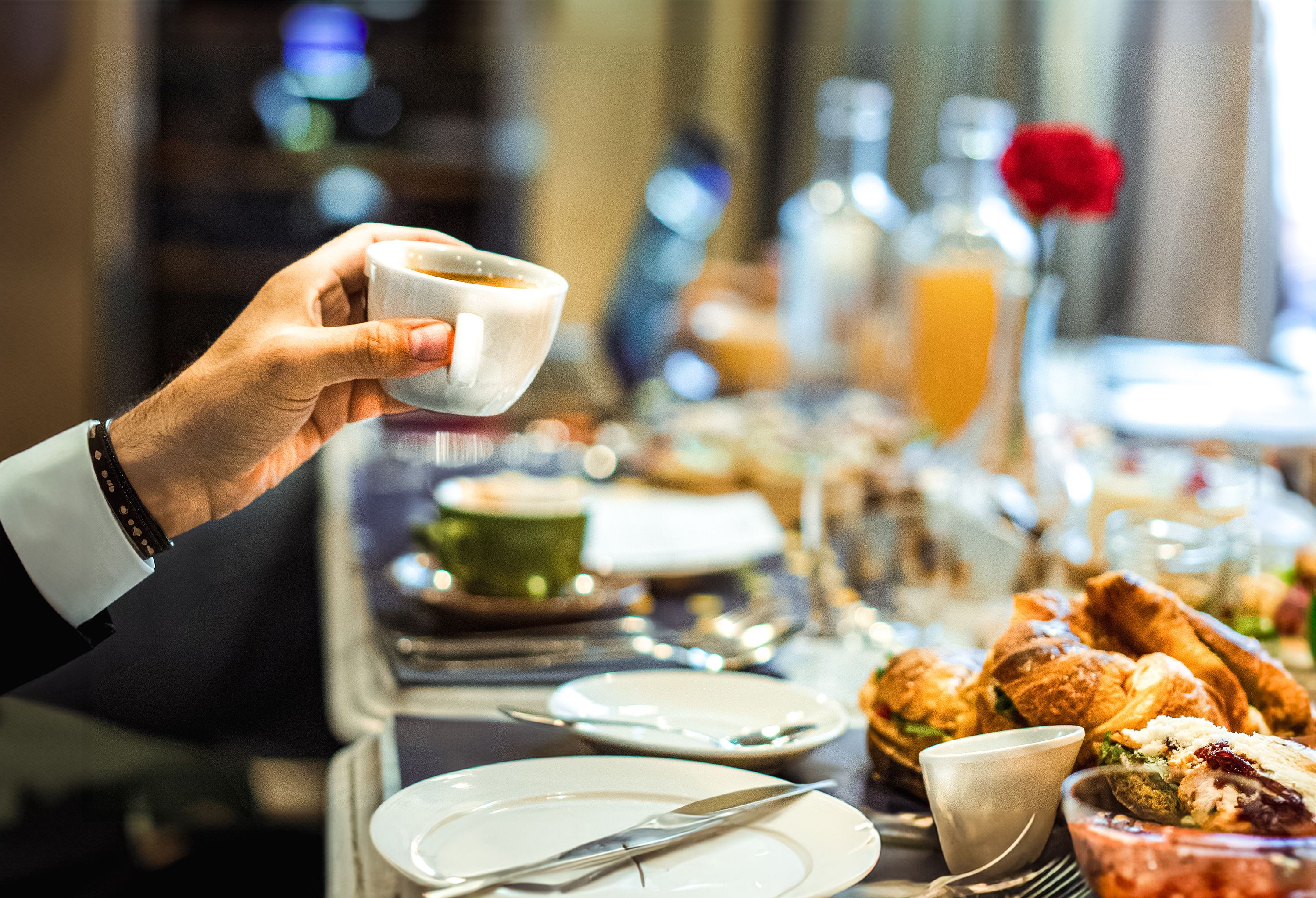
Veteran travelers know mornings are when trips either stay on track or start unraveling. A reliable breakfast removes one of the first logistical problems of the day, which matters even more when you are managing children, business meetings, tours, or early transportation.
There is also a timing advantage. Eating at the hotel means you are not wandering unfamiliar streets looking for an open café, waiting in line, or settling for the first expensive option near a major attraction.
Business travelers use this tactic constantly because it protects their schedule. Leisure travelers benefit just as much. A solid breakfast can buy enough energy to push lunch later, which creates more room for sightseeing and fewer rushed food decisions.
What the best travelers actually put on their plate
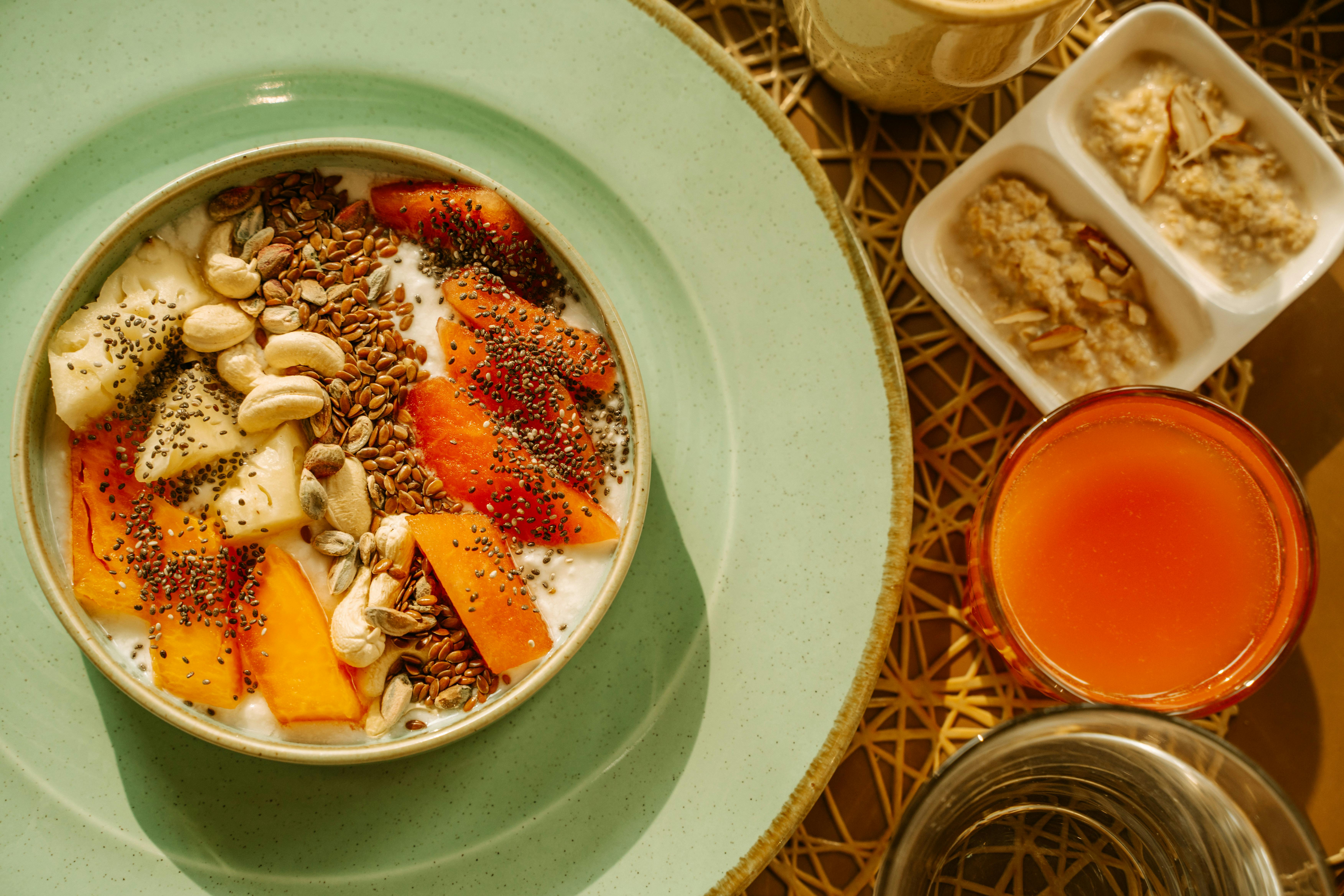
The smartest approach is not loading up on everything in sight. Frequent travelers usually build a breakfast that combines protein, fiber, and slow-digesting carbohydrates, because that mix tends to keep hunger down longer than a plate of sugary pastries alone.
A practical plate might include eggs, fruit, oatmeal, whole-grain toast, yogurt, or nuts if available. If the buffet offers vegetables, even better. These foods help maintain steady energy, which is useful on walking-heavy days, long drives, and multi-leg travel schedules.
Hydration is part of the trick too. Travel often means early flights, dry hotel rooms, and more coffee than usual. Starting the day with water before or alongside caffeine can make a noticeable difference in alertness and comfort.
The polite grab-and-go habit that saves money later

Here is the part frequent travelers are careful about. They do not assume every hotel welcomes guests taking extra food, but many properties are perfectly comfortable with a banana, apple, or wrapped muffin leaving the breakfast room.
The key is discretion and common sense. Sealed items, whole fruit, and single-serve yogurt are very different from filling bags with buffet food. If the policy is unclear, simply ask. Hotels that cater to business travelers often expect guests to take something for the road.
This small habit can prevent impulse spending later. Buying snacks in tourist centers, conference venues, and airports is rarely good value. Keeping a simple backup snack on hand is one of those small decisions that pays off repeatedly over a trip.
When paying extra for breakfast is actually worth it

Not every breakfast add-on is a bargain. Frequent travelers compare the extra room cost with what they would realistically spend outside, while also considering convenience, food quality, and how much time they would lose finding another option.
If breakfast costs $15 more per person but nearby cafés charge $18 to $25 for a basic meal, the math is easy. If the hotel serves weak coffee and a limited spread while a great local bakery sits next door, skipping the package may be smarter.
This is why seasoned travelers check reviews closely. They look for specific comments about freshness, crowding, hot food availability, and refill speed. A mediocre buffet can still be useful, but a genuinely good one can become part of the trip's daily strategy.
How to use the trick without overdoing it
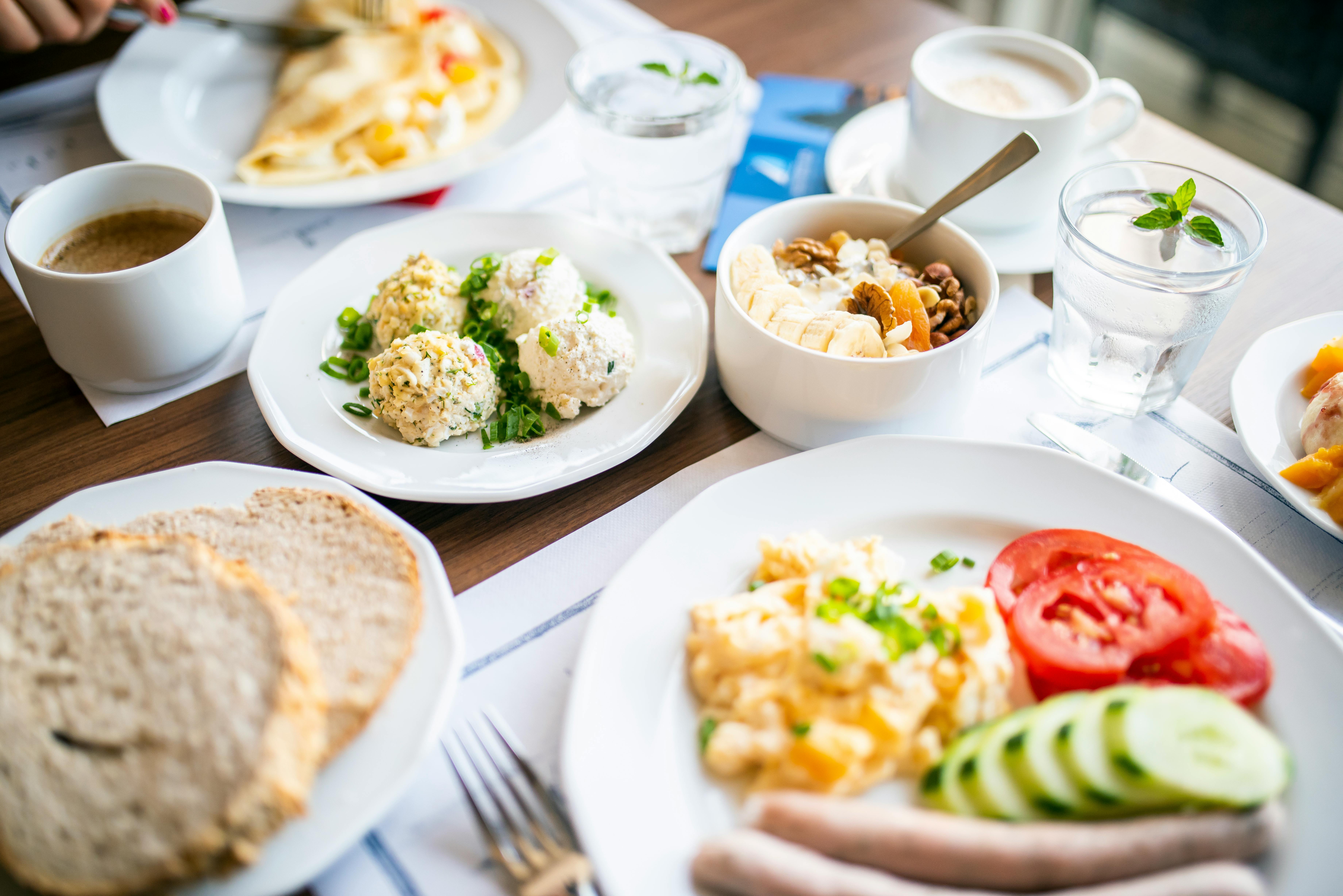
The smartest travelers use breakfast strategically, not excessively. Eating enough to stay full is helpful. Treating the buffet like a competition usually leads to sluggish mornings, wasted food, and the uncomfortable feeling of starting a day overfed.
A better rule is to think ahead. If you have a hiking day, a museum-heavy schedule, or long travel legs, eat more substance. If you plan a special lunch or food tour, keep breakfast lighter while still covering protein and hydration.
In the end, this trick works because it solves several travel problems at once. It saves money, simplifies mornings, and gives you a steadier start. That is why so many frequent travelers swear by it, trip after trip, hotel after hotel.



Leave a Reply