
It looks niche at first glance. Then the crowd gathers three deep around the shucking table, and the room changes.
A little-known contest with surprising pull
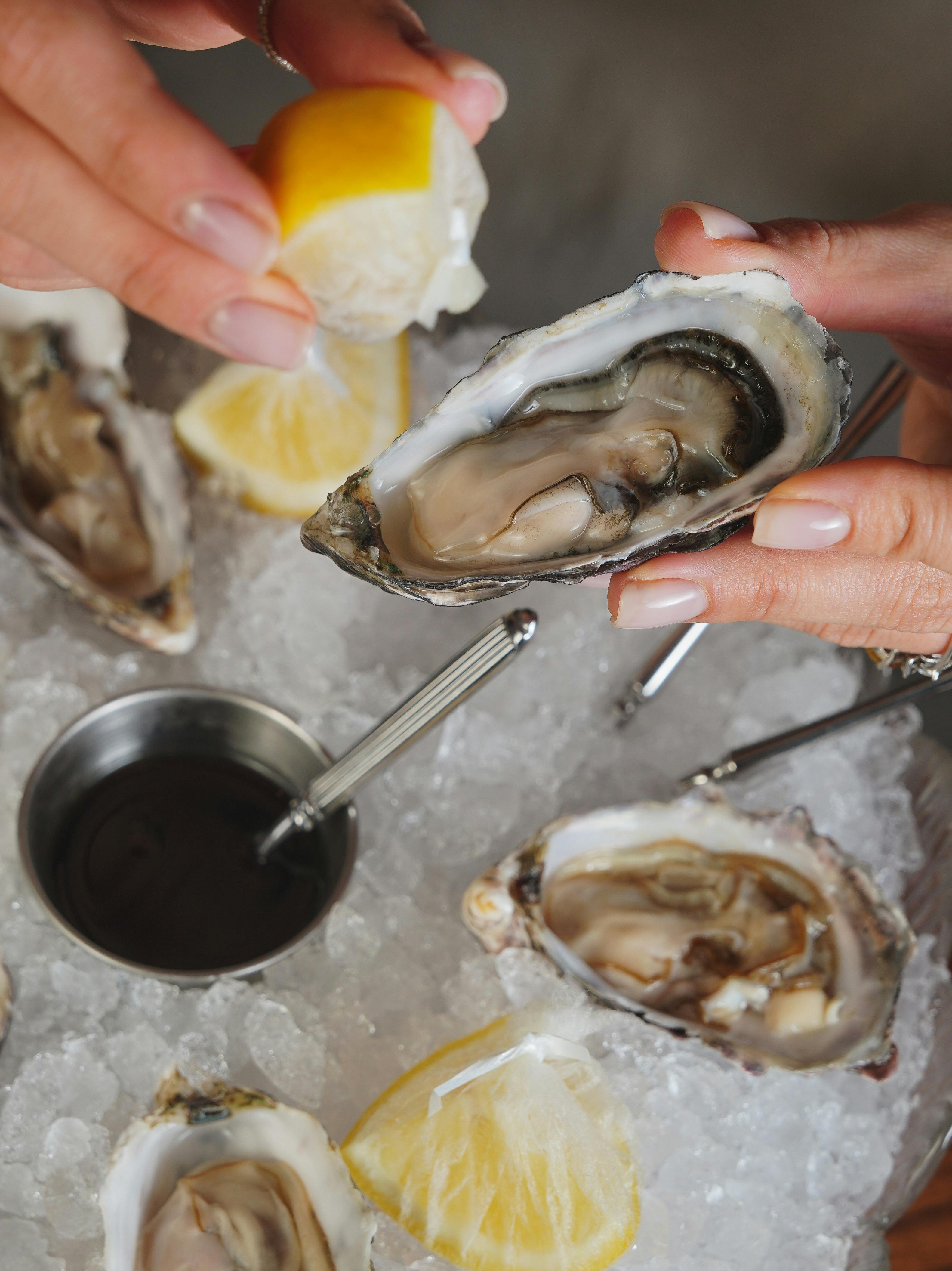
What surprises first-time visitors is not the oysters. It is the energy. The Halifax Oyster Festival's shucking competition has the pace of a sporting final, the concentration of a trade exam, and the social buzz of a food fair, all compressed into a few tense minutes.
Many Canadians know Atlantic lobster, PEI mussels, and Maritime chowder. Far fewer have heard of a Halifax event where professional shuckers race the clock while judges inspect shell presentation, liquor retention, and clean separation from the muscle. That gap in awareness has less to do with quality than geography and media attention.
Regional food events across Canada often stay regional unless they attach themselves to major tourism campaigns or celebrity chefs. Halifax's oyster culture has grown more organically. It spreads through chefs, bartenders, shellfish farmers, and loyal festivalgoers who return because the competition is genuinely exciting to watch.
Why shucking is harder than it looks

At a distance, oyster shucking can seem like brute force with a knife. In reality, the best competitors rely on wrist control, blade angle, hand protection, and a near-instinctive understanding of shell shape. Every movement is about speed without damaging the oyster.
A strong shucker has to open the hinge, sever the top adductor muscle, lift the shell cleanly, and present the oyster attractively, often in seconds. Lose too much liquor, chip the shell, or leave grit behind, and time alone will not save a competitor. In most contests, penalties matter almost as much as raw speed.
That balance is what makes the Halifax event so watchable. Spectators can grasp the basics instantly, yet the finer points reward attention. You do not need industry training to sense when someone is smooth, efficient, and fully in command of the station.
The crowd comes for theatre, not just seafood
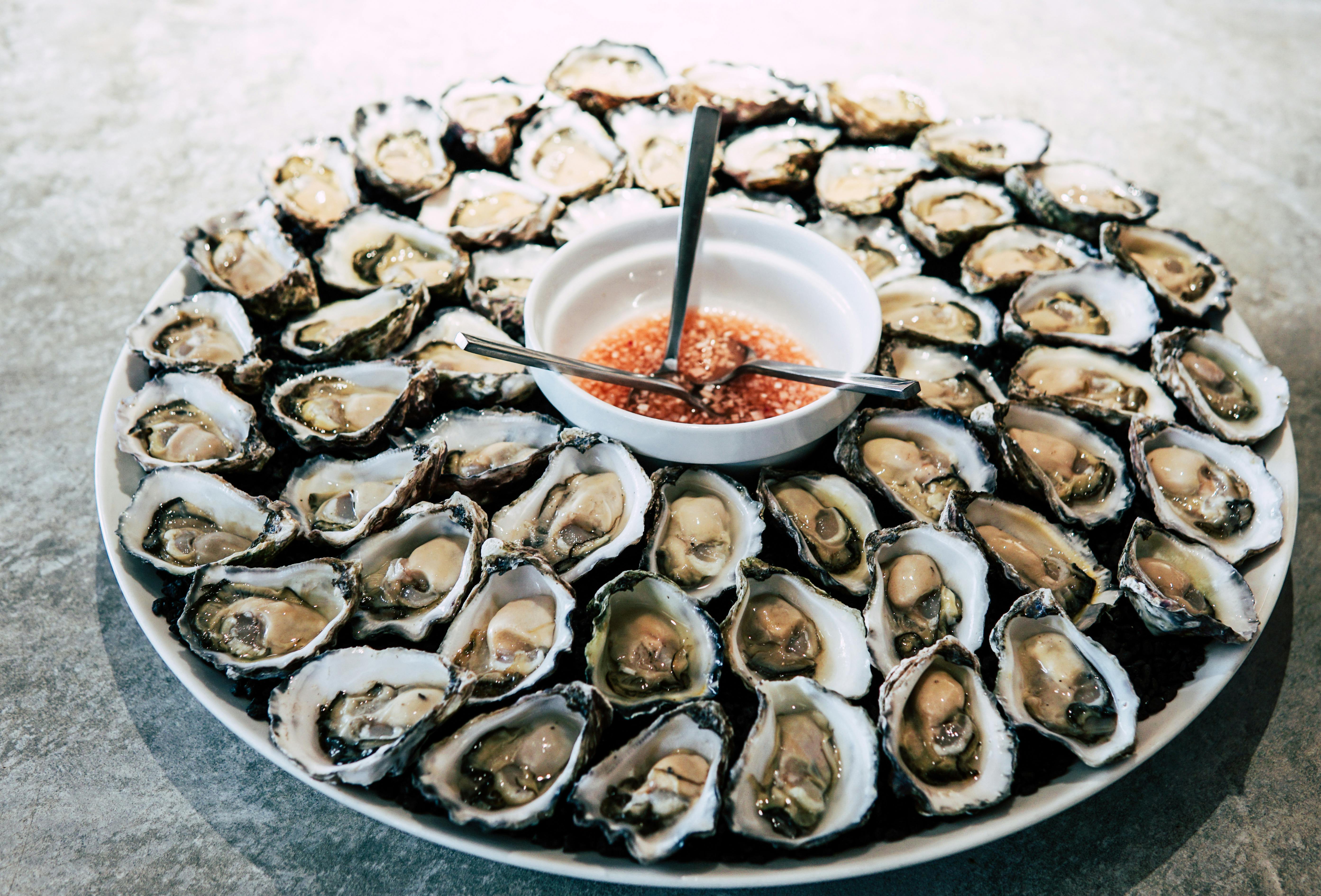
A shucking competition works because it is visual. There is noise from the room, shells stacking up, judges leaning in, and a countdown that gives even casual viewers something to follow. The drama is immediate, which helps explain why onlookers stop, stay, and start cheering.
Food festivals sometimes struggle to turn craft into spectacle. Halifax avoids that problem by staging oyster shucking as live performance. Contestants bring their own rhythm and style. Some move with quiet precision, while others feed off the crowd and work faster as the pressure rises.
That theatrical element broadens the audience beyond oyster obsessives. Friends come with friends, tourists wander over from other festival areas, and suddenly a highly specialized skill is being appreciated by people who may not know one oyster variety from another. The contest creates entry points without oversimplifying the craft.
Halifax has the right setting for it

The competition makes sense in Halifax because the city already sits close to the people and waters behind the product. Nova Scotia's shellfish story includes cold Atlantic conditions, tidal ecosystems, and a restaurant culture that treats local seafood as identity, not just inventory.
That matters because authenticity is visible. The event is not trying to import a food trend and dress it up as local. It reflects a broader East Coast relationship with harvest, hospitality, and seasonal eating. Oyster festivals in places with active seafood economies tend to feel more grounded, and Halifax benefits from that credibility.
The city also has the tourism mix to support a specialty event. Cruise visitors, culinary travellers, local industry workers, and curious residents all overlap in Halifax more easily than in many smaller coastal communities. A competition can stay insider-friendly while still attracting fresh audiences each year.
What most Canadians miss about oyster culture
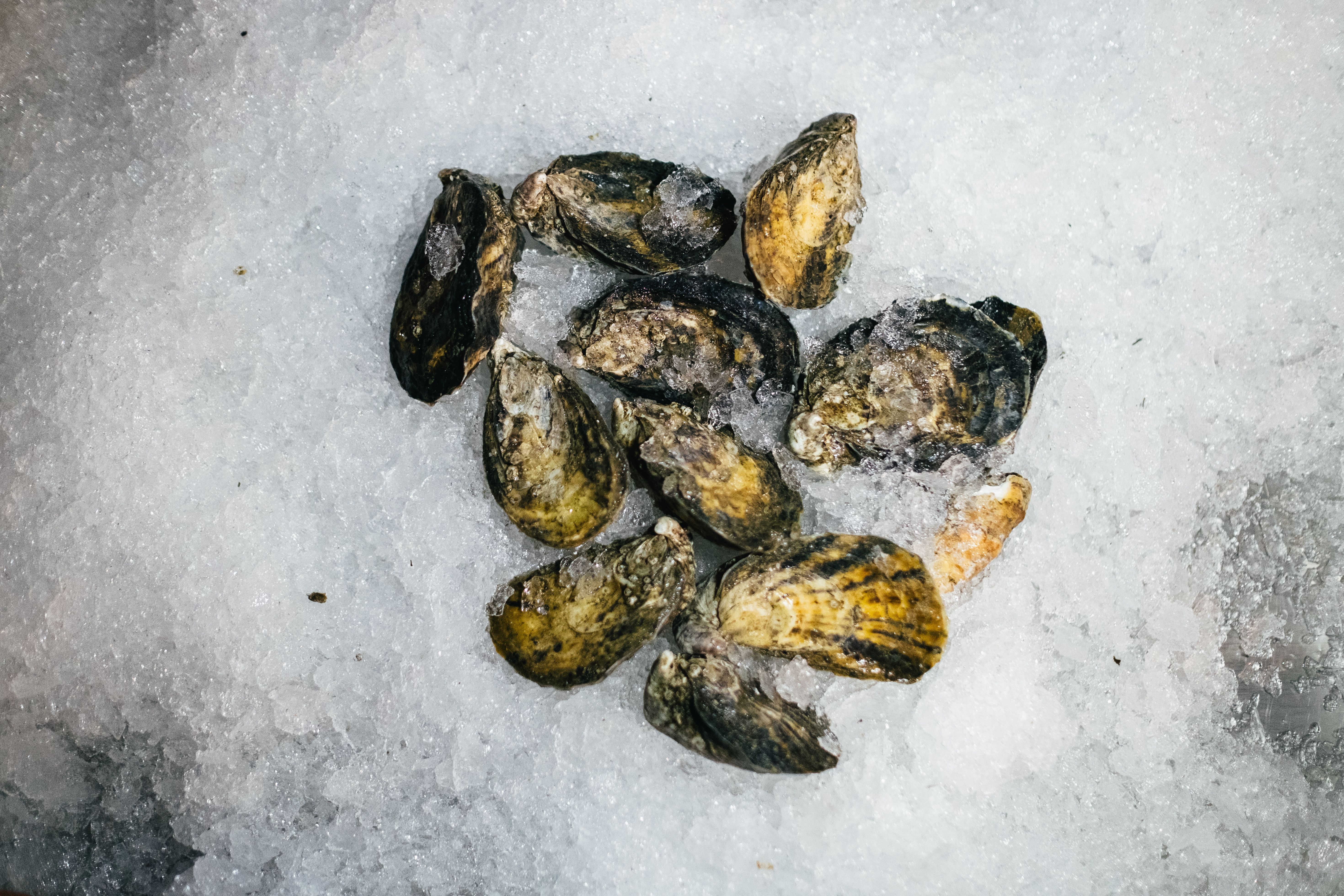
Outside Atlantic Canada, oysters are often treated as a luxury menu item, something ordered by the dozen at a polished bar. That image is only part of the story. Oyster culture also includes aquaculture innovation, regional taste differences, careful handling, and an enormous amount of manual skill.
The Halifax competition reveals those hidden layers quickly. One oyster may taste briny and sharp, another creamy and mineral, depending on water, salinity, and growing conditions. Shuckers and growers understand these distinctions in practical terms, not abstract ones, and festivals give the public a rare chance to learn that language.
There is also an economic story here. Events like this help producers build recognition, restaurants deepen local sourcing narratives, and cities sharpen their culinary brand. In a crowded tourism market, niche festivals often do the most effective work because they leave visitors feeling they discovered something real.
A festival that deserves a bigger national profile
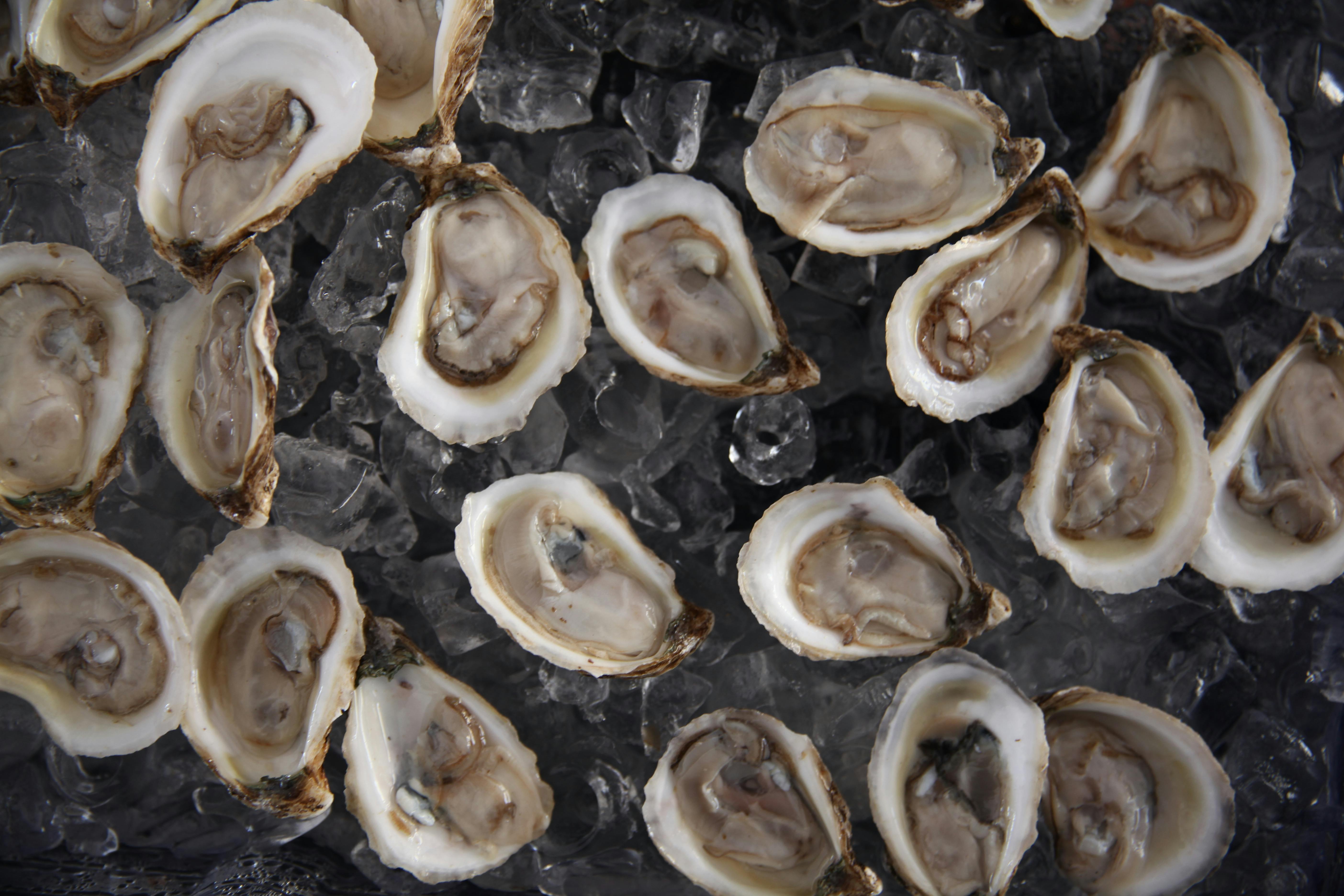
The Halifax Oyster Festival's shucking competition remains under the national radar partly because it resists easy packaging. It is specific, regional, and built around a skill many people do not realize can be competitive. Yet those are exactly the traits that make it memorable.
Canada has no shortage of food events, but not all of them produce genuine suspense, education, and regional pride at once. Halifax does. The contest showcases precision work, celebrates Atlantic producers, and gives audiences a direct, lively way to engage with local food culture.
If its profile grows, it will likely be through word of mouth, repeat tourism, and stronger attention to Canada's coastal food scenes rather than sudden hype. That may be fitting. The event's appeal lies in craft, atmosphere, and authenticity, and those qualities tend to last longer than trends.

Leave a Reply