
Canadians have been adjusting grocery habits as food prices stay elevated, and many of the biggest savings come from simple swaps rather than a full kitchen overhaul. These six examples reflect common changes shoppers have made as they compare brands, buy different formats, and rethink a few routine purchases.
Store brands over national brands

One of the clearest grocery shifts in Canada has been the move toward private label, or store brand, products. Loblaw has said its No Name line has seen stronger demand as shoppers look for lower prices on staples. Empire, which owns Sobeys, has also pointed to growing interest in its own-label products as households search for value.
The appeal is straightforward. Store brands often cover basics like pasta, canned tomatoes, cereal, flour, and frozen vegetables, categories where the difference in daily use can feel small. For shoppers trying to cut totals without changing what they cook, this is often the first swap because it works across many aisles in a single trip.
Dry beans and lentils over more meat
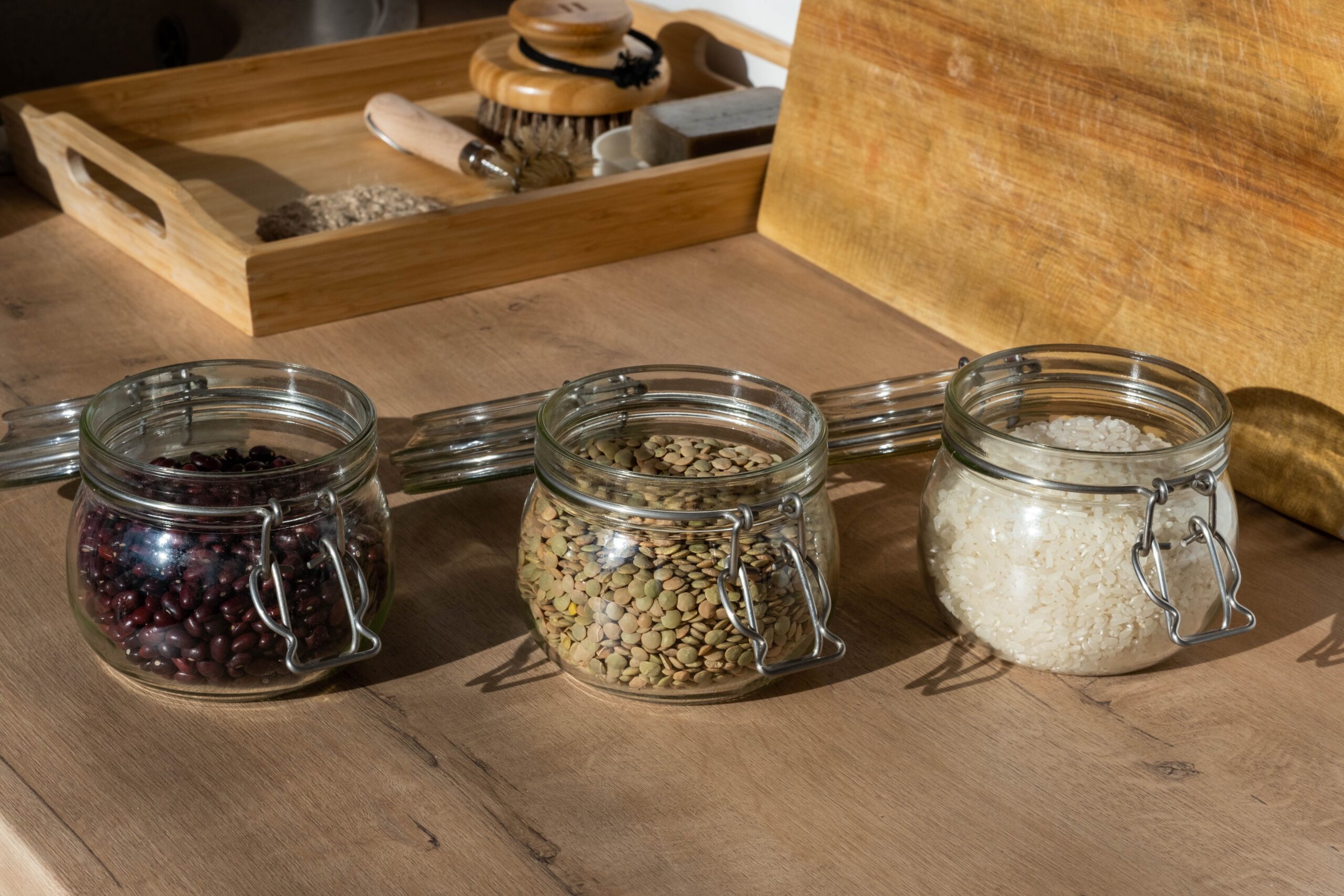
Protein is one of the costliest parts of many grocery bills, and dried beans and lentils have become a practical substitute. Statistics Canada has tracked notable food price pressure in categories including meat, which has pushed more shoppers to stretch stews, soups, chili, and pasta sauces with pulses, the term used for dried peas, beans, lentils, and chickpeas.
This swap saves money in two ways. It can replace some meat entirely in a meal, or reduce how much meat is needed without changing the dish too much. In Canada, lentils and beans are also familiar pantry foods, which makes the shift easier for households that want cheaper dinners built around ingredients with a long shelf life.
Frozen produce over fresh out of season
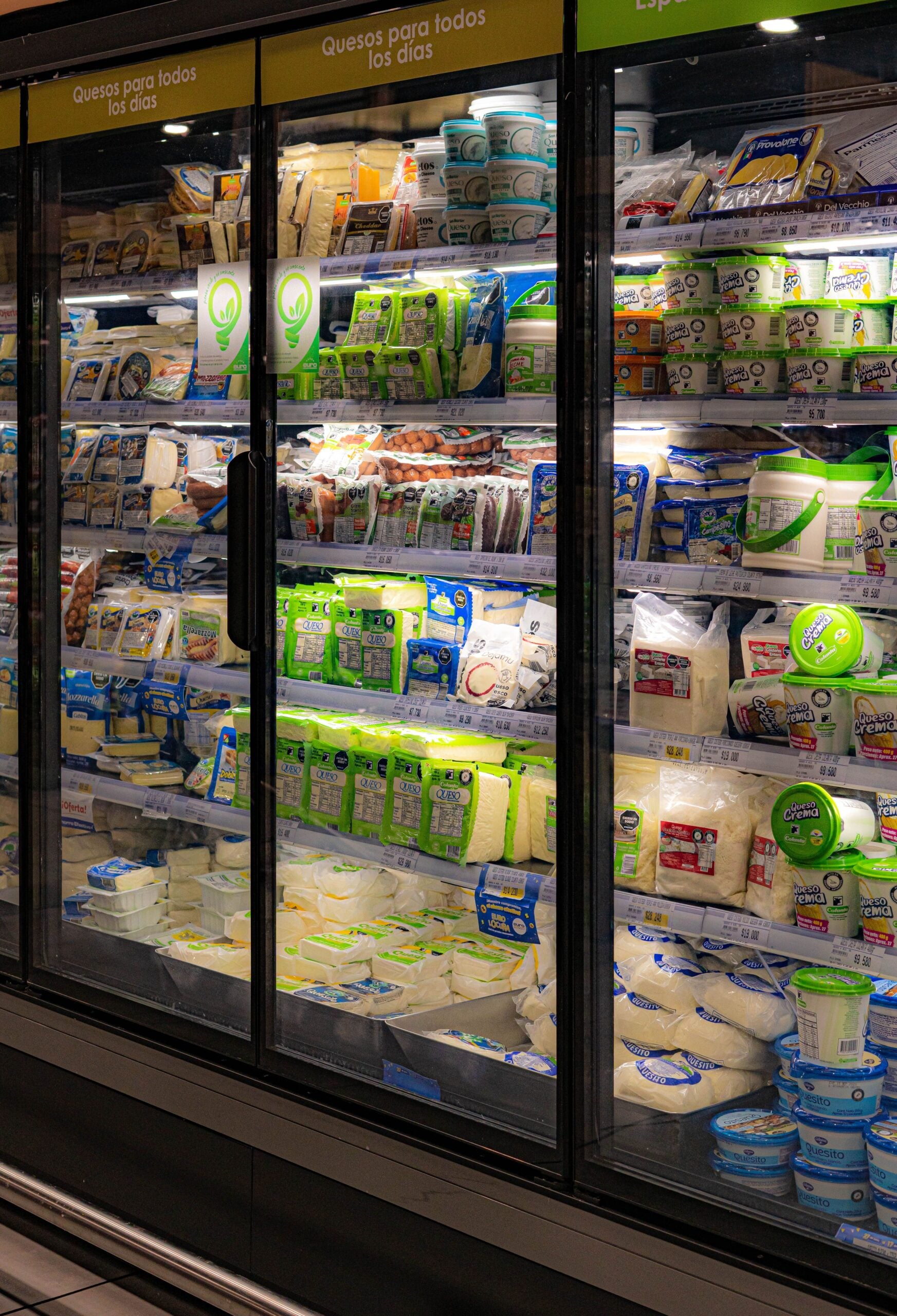
Fresh produce prices can swing sharply with season, transport costs, and weather. That is why many Canadian shoppers have been leaning more on frozen fruit and vegetables, especially for berries, broccoli, peas, spinach, and mixed vegetables. Frozen options can offer more predictable pricing and help households avoid throwing out produce that spoils before it gets used.
The value is not only at the checkout. A bag of frozen vegetables lets people use exactly what they need and keep the rest for another meal. For smoothies, soups, stir-fries, and side dishes, frozen produce often delivers the same function as fresh. When a recipe does not depend on crisp texture, this is one of the easiest swaps to make.
Larger formats over single-serve packs

Another common savings move is trading convenience packaging for larger containers. Instead of individual yogurt cups, snack packs, shredded cheese portions, or small juice boxes, shoppers often pay less per unit when they buy a larger tub, bag, or bottle. The sticker price can look higher, but the cost for each serving is usually lower.
This is one of the most visible examples of paying for convenience. A family-size yogurt tub, block cheese instead of pre-shredded, or a large bag of oats instead of instant packets can trim regular costs over time. The trade-off is that shoppers may need a little extra prep at home, but many see that as worth it when weekly grocery totals are under pressure.
Whole ingredients over prepared foods
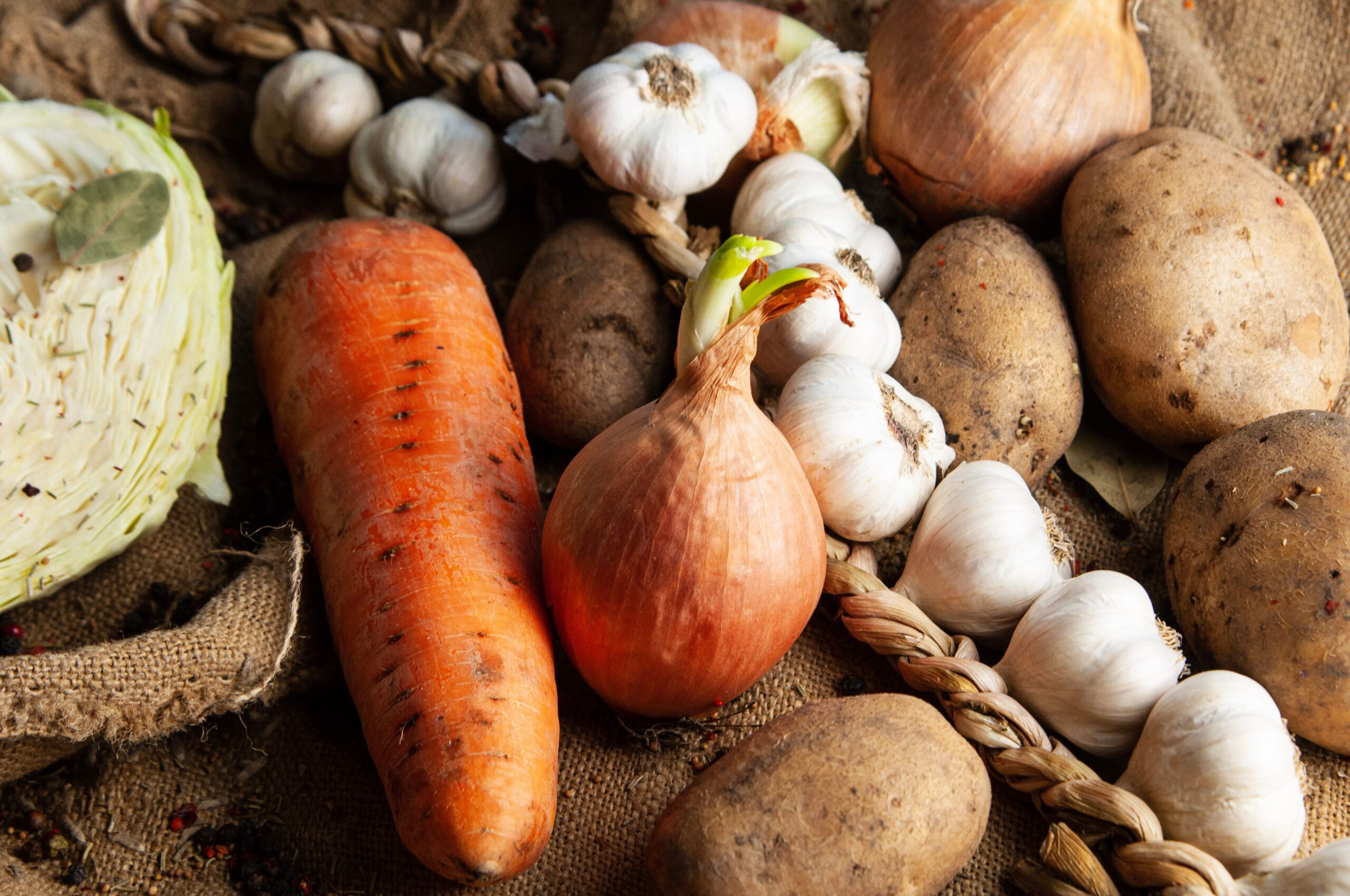
Prepared foods save time, but they often cost more because the chopping, seasoning, cooking, and packaging have already been done. Swapping pre-cut fruit for whole fruit, bagged salad kits for heads of lettuce and loose vegetables, or marinated meat for plain cuts is a common way Canadians reduce spending while still cooking familiar meals.
This kind of swap works best in categories where the convenience premium is easy to spot. A whole cabbage, bag of carrots, potatoes, or onions can stretch across several meals, while prepared versions are usually portioned for speed, not value. For shoppers who can spare a few extra minutes in the kitchen, whole ingredients often create the biggest savings per item.
Coffee made at home over ready-to-go drinks

Small routine purchases can have an outsized effect on food spending, and coffee is a classic example. Buying brewed coffee, bottled cold coffee, or café drinks adds convenience, but the cost per cup is far higher than making it at home. For Canadians reviewing recurring expenses, this has become one of the most repeated everyday swaps.
The switch does not require giving up coffee, only changing the format. Ground coffee, beans, or instant coffee can cover many servings for the price of a few prepared drinks. It also pairs well with another money-saving habit, planning ahead. When shoppers build coffee into their morning routine at home, they often cut a frequent extra purchase that had started to feel normal.



Leave a Reply