
Groceries in Canada cost a lot more than they did a few years ago, and meat is often where shoppers feel it first. One practical habit, long used by older Canadians on fixed incomes, is buying meat that has been marked down because it is close to its best-before date, then cooking or freezing it right away.
The yellow sticker moment
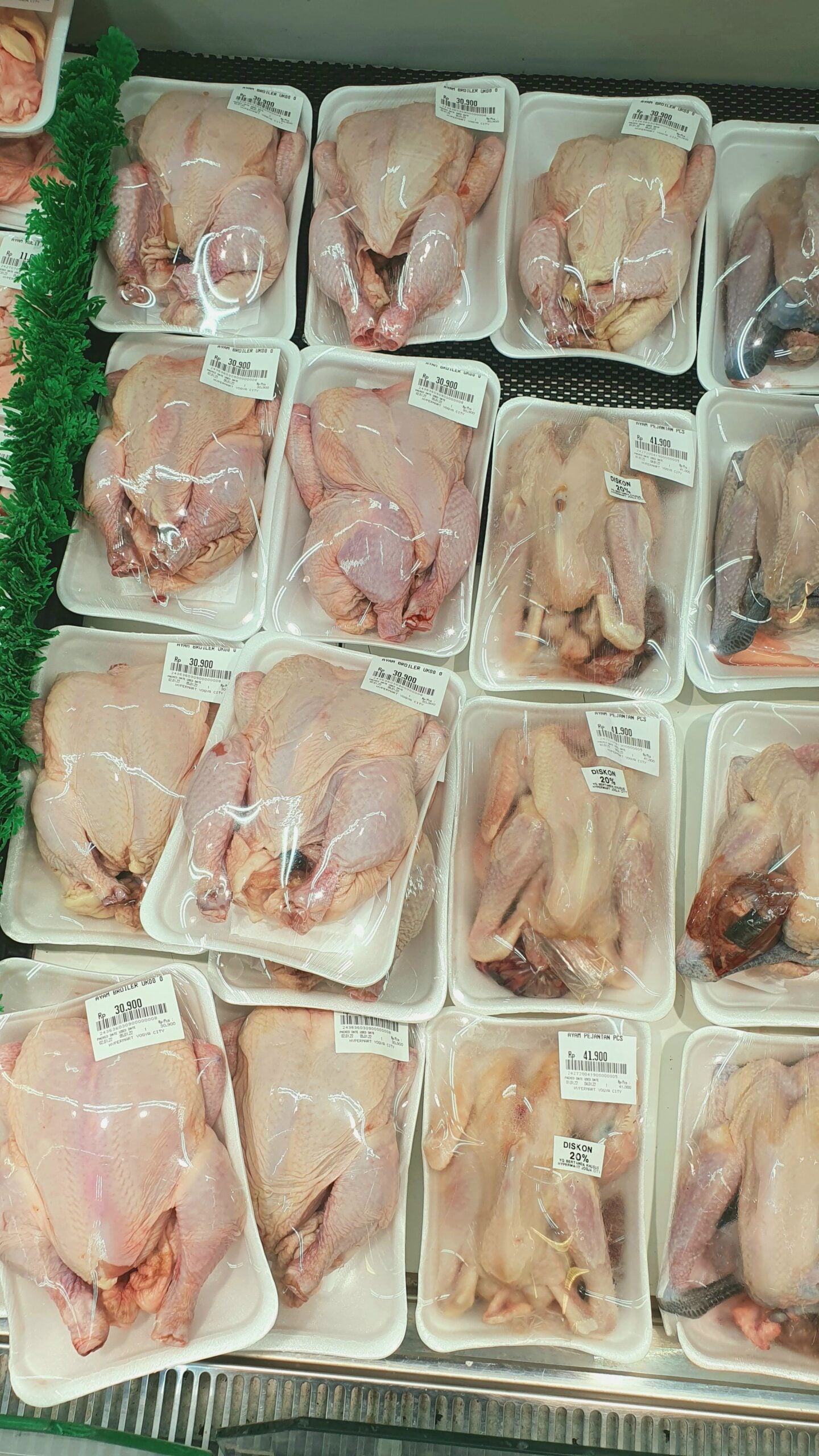
The savings usually start with a small sticker. In many Canadian grocery stores, meat that is nearing its best-before date is reduced by 30% to 50%, often first thing in the morning or later in the evening when staff are clearing short-dated stock.
That markdown matters because food prices have climbed sharply. Statistics Canada has reported that food purchased from stores rose 21.4% from August 2021 to August 2024, and many shoppers have felt even bigger increases since 2019. When the item is chicken, beef, pork or ground meat, a half-price sticker can turn a routine purchase into one of the best deals in the store.
Why the timing matters
Seasoned shoppers know that markdowns are often about timing, not quality. Stores need to sell products before the printed date gets too close, so the best window is usually early morning after overnight checks or late evening before the next day begins.
That is why this habit works best for people who shop with a plan. If you know what meats your household actually uses, you can scan the reduced section quickly, buy what fits your menu, and leave the rest. The trick is not buying random bargains. It is buying tomorrow's dinner at yesterday's price.
Best-before is not a safety deadline
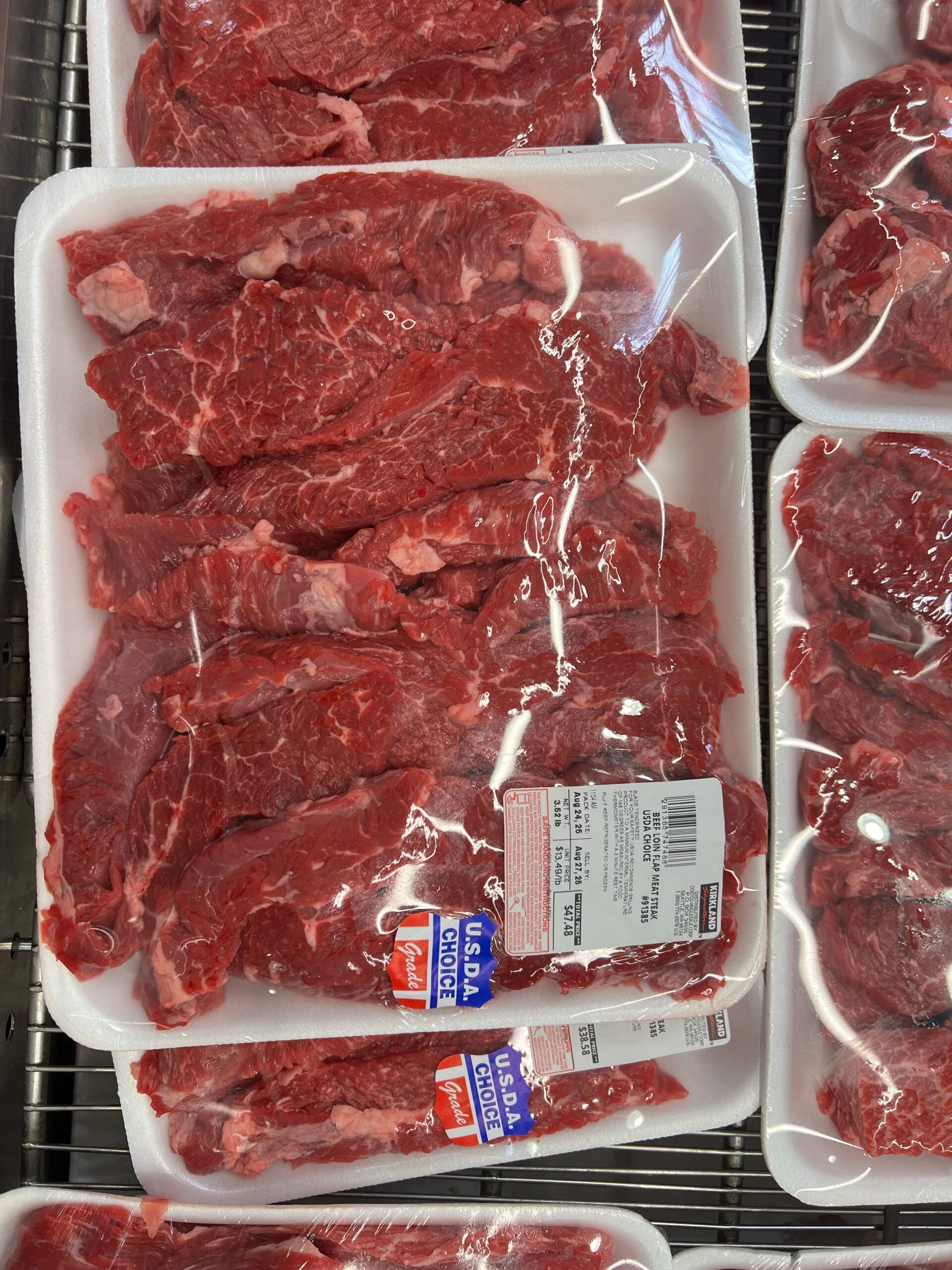
One reason some shoppers skip discounted meat is confusion about the label. The Canadian Food Inspection Agency says a best-before date is not the same as a food safety deadline. It applies to unopened products with a durable life of 90 days or less, and it tells you when the product may begin to lose freshness, not when it suddenly becomes unsafe.
That distinction is the whole reason markdowns exist. If the package is cold, sealed and still within date, it can be perfectly suitable to buy. The key is handling it properly once you get home, especially if you are not cooking it that day.
Freeze first, decide later
The smartest version of this hack does not require a same-night dinner plan. Health Canada advises keeping raw meat cold and refrigerating or freezing it promptly, which is why many budget-conscious shoppers bring markdowns home and portion them immediately.
A family pack of discounted chicken thighs can become two or three future meals in minutes. Ground beef can be flattened into freezer bags so it thaws faster. Pork chops can be wrapped in pairs. This is where the monthly savings build, because freezing keeps the discount from turning into waste, and wasted food is never a bargain.
How the monthly math adds up
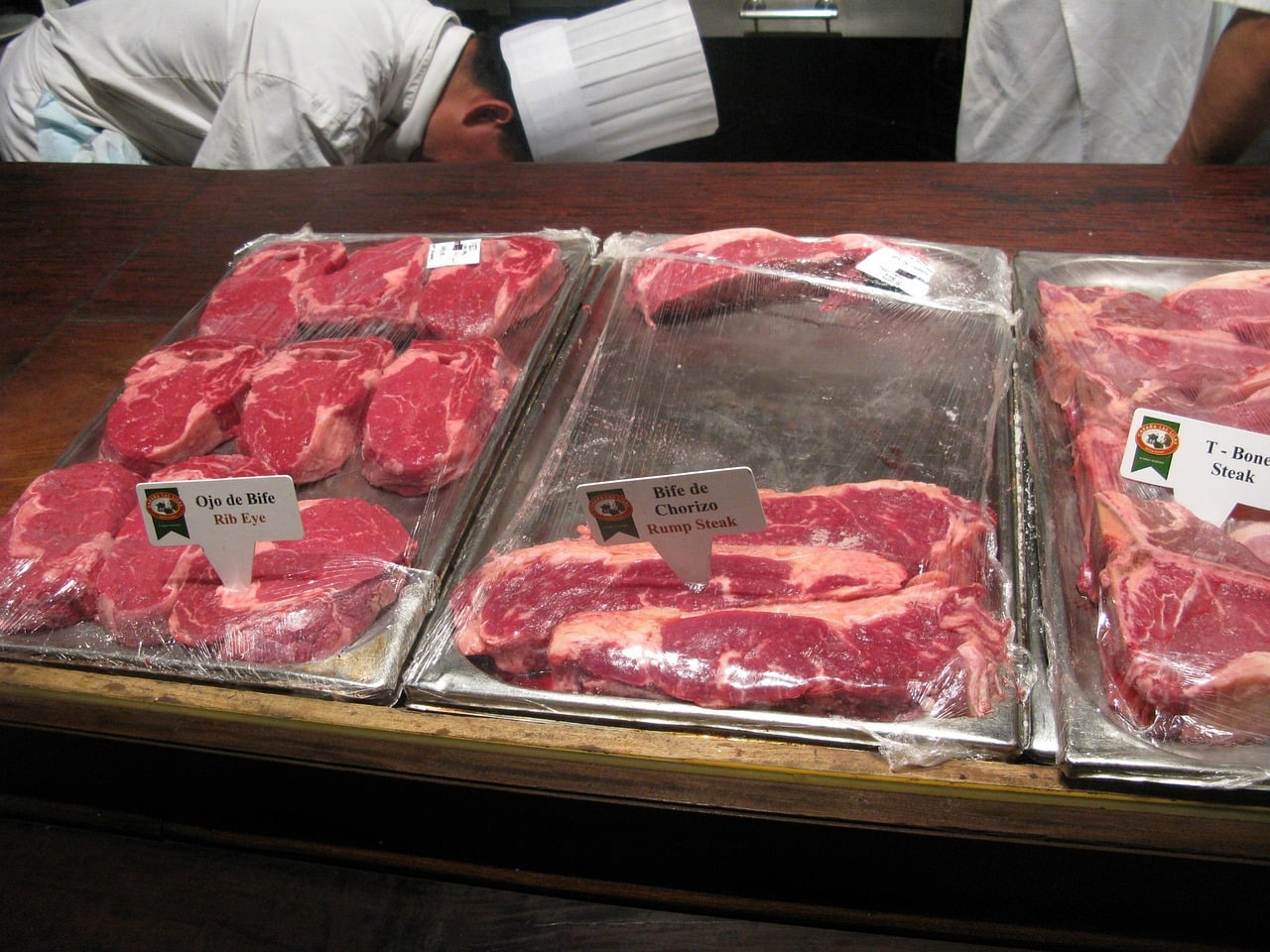
The numbers are simple enough to see in one cart. If a family of four buys about $25 a week in meat that happens to be marked down by 30% to 50%, that is roughly $7.50 to $12.50 saved each week.
Over a month, that works out to about $30 to $50 on that one portion alone. But many households spend much more than $25 a week on protein. At $50 a week in discounted meat, the monthly savings jump to roughly $60 to $100. In homes where meat prices have risen the fastest, that single routine can make a noticeable dent in the bill.
The habit that older shoppers mastered
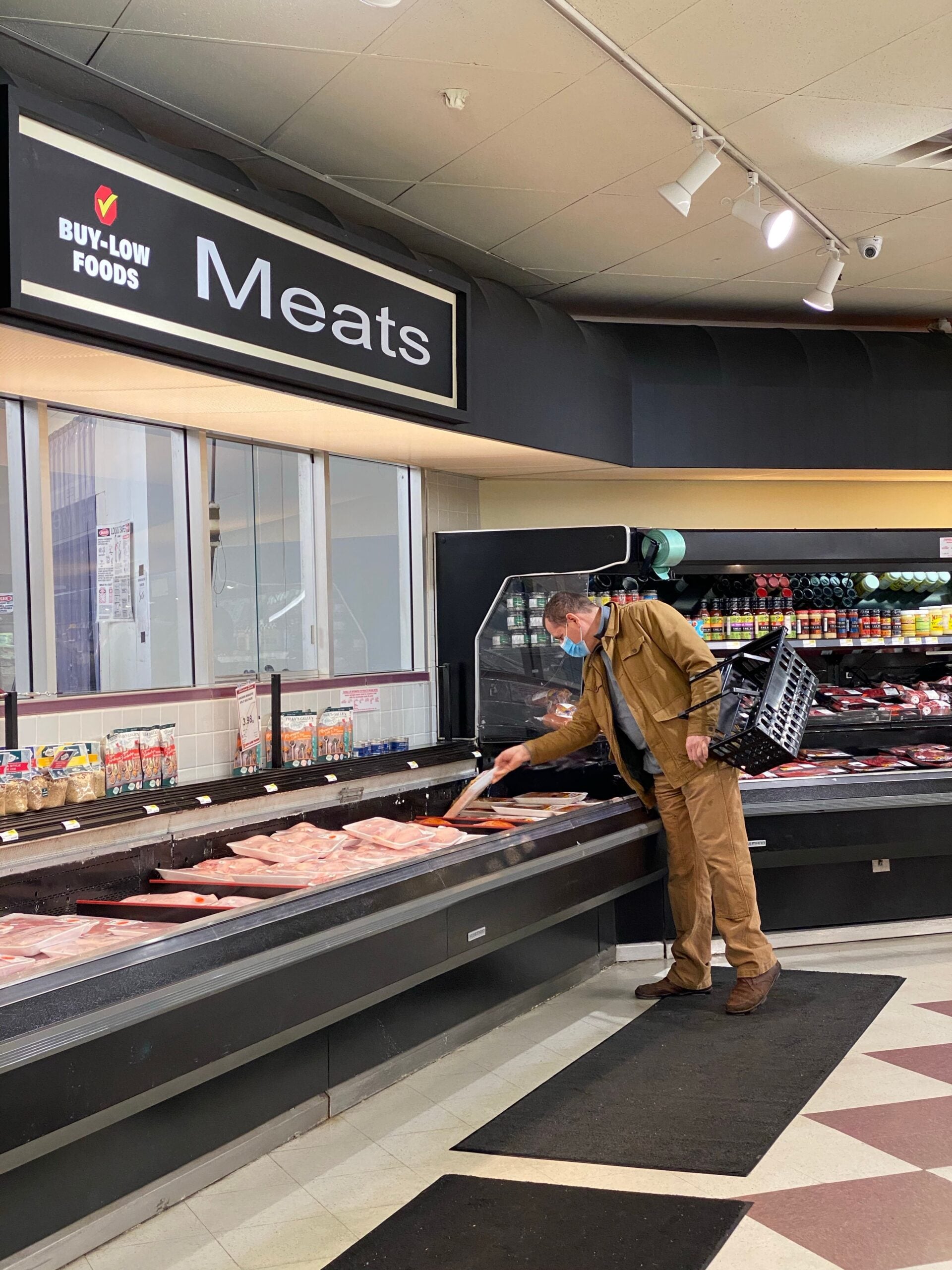
Canadians over 60 did not invent markdown shopping, but many perfected it out of necessity. People living on pensions or fixed retirement income often learned to shop early, compare unit prices, and treat the reduced meat section as a first stop instead of a last resort.
What makes the habit so durable is that it is simple. It does not depend on points, apps or complicated coupon rules. It rewards attention, basic food safety, and a freezer with a little space left in it. In a period of higher grocery costs, that old-school routine still holds up because it turns a store's urgency to sell into a shopper's chance to save.



Leave a Reply