
A grocery cart can feel oddly public. People may mind their own business, but many still make quick assumptions based on what lands on the conveyor belt.
Frozen dinners

Few items attract faster judgment than frozen dinners. They are often seen as a symbol of laziness, poor planning, or a diet built around sodium and preservatives. That impression persists even though the frozen food aisle has changed dramatically in the last decade.
Nutrition experts have long noted that frozen meals vary widely. Some are heavily processed and high in salt, but others are portion-controlled and include vegetables, lean protein, and reasonable calorie counts. A 2024 market analysis also found that younger workers increasingly buy them for speed, budget control, and reduced food waste.
There is also a class angle people rarely admit. Judging someone for buying a $4 microwave meal often ignores the realities of shift work, caregiving, and limited kitchen access. What looks like a bad choice from a distance may actually be an efficient survival tool in a demanding week.
Sugary cereal
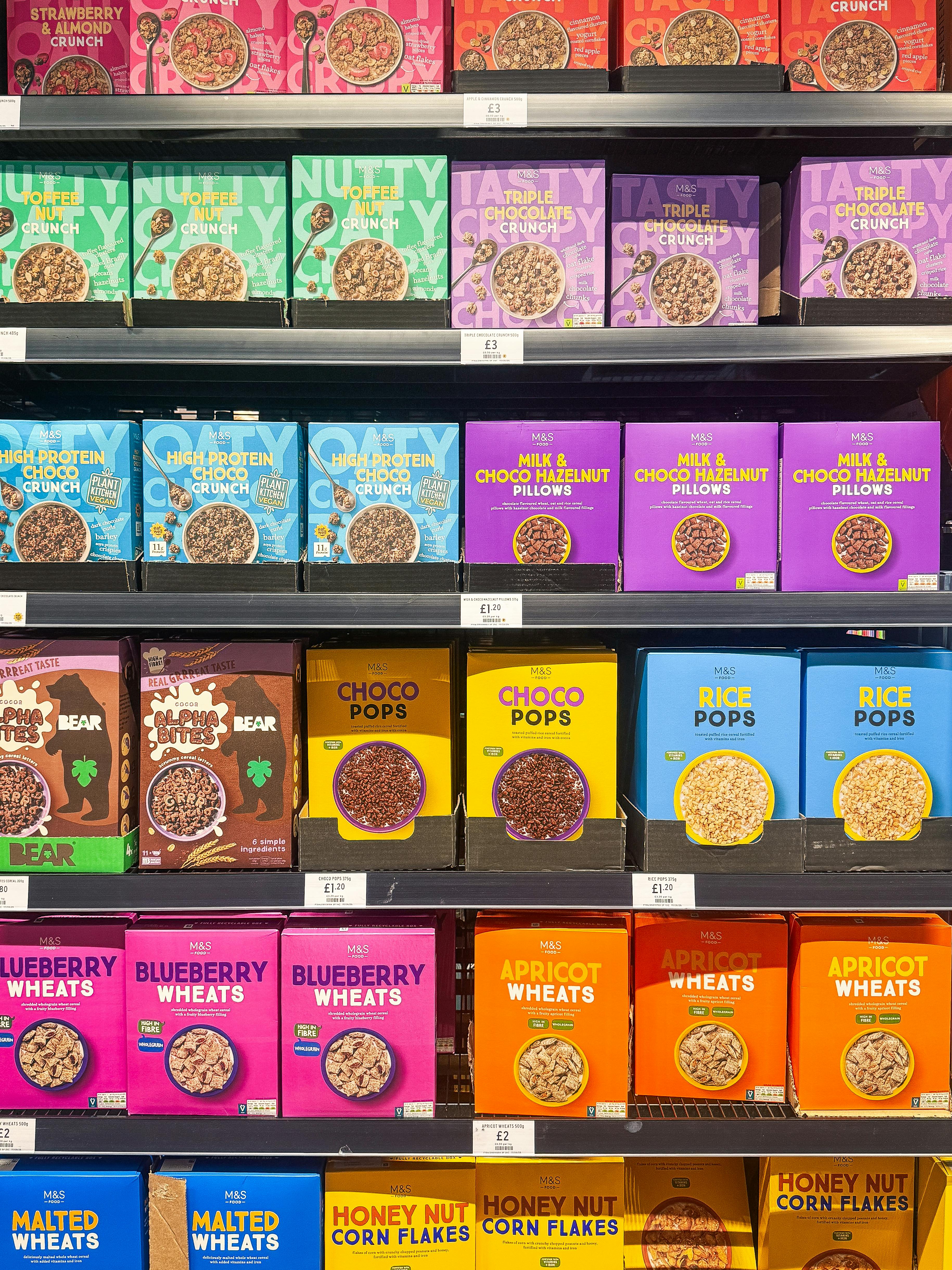
Bright cereal boxes still trigger a familiar reaction. Many shoppers see them and instantly think of poor nutrition, careless parenting, or adults who never outgrew childhood tastes. The judgment is sharp because cereal has become shorthand for a larger debate about sugar, marketing, and health.
That criticism is not baseless. Public health researchers have repeatedly linked many breakfast cereals to high added sugar intake, especially among children. Some brands contain dessert-level sweetness while presenting themselves as fortified, whole-grain, or family friendly, which makes them especially controversial in nutrition circles.
Yet context matters more than the box suggests. A sugary cereal bought occasionally for balance, convenience, or budget reasons tells a different story from a pantry stocked entirely with ultra-sweet options. Many families are managing picky eaters, school schedules, and rising prices, not trying to make a statement about nutrition.
Diet soda
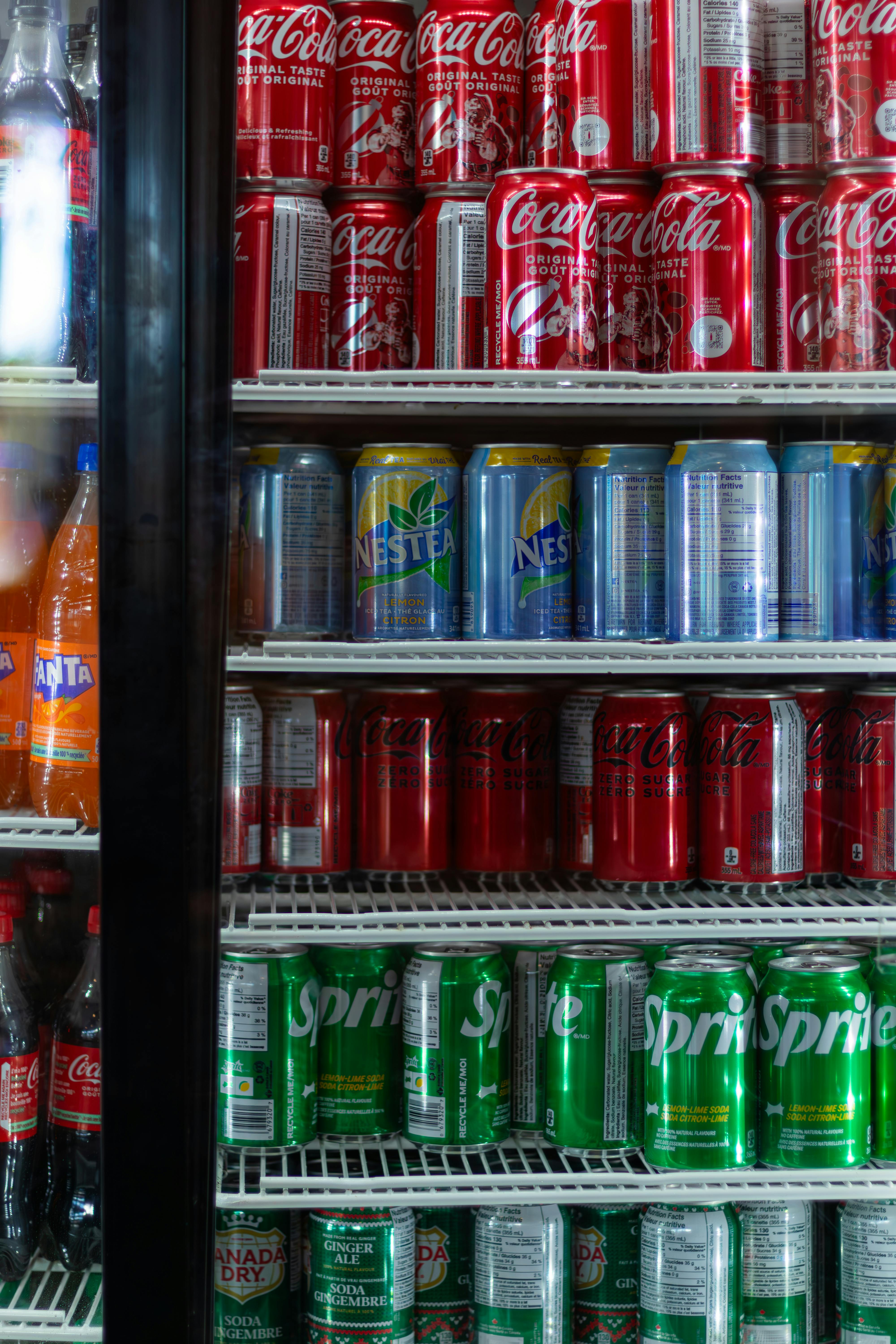
Diet soda carries a strange double stigma. Some people judge it as artificial and unhealthy, while others see it as a telltale sign of diet culture, body anxiety, or an obsession with calorie control. Few beverages manage to look both disciplined and suspect at the same time.
Research on artificial sweeteners remains more nuanced than public opinion. Major health bodies generally consider approved sweeteners safe within established limits, though scientists continue studying long-term metabolic effects and appetite responses. That uncertainty leaves room for strong opinions, even when the evidence is not as absolute as many assume.
Social judgment often says more about cultural anxieties than the can itself. People project ideas about self-image, aging, and wellness trends onto a beverage choice that may simply come down to taste. For many shoppers, diet soda is neither a moral failure nor a health halo. It is just what they like to drink.
White bread
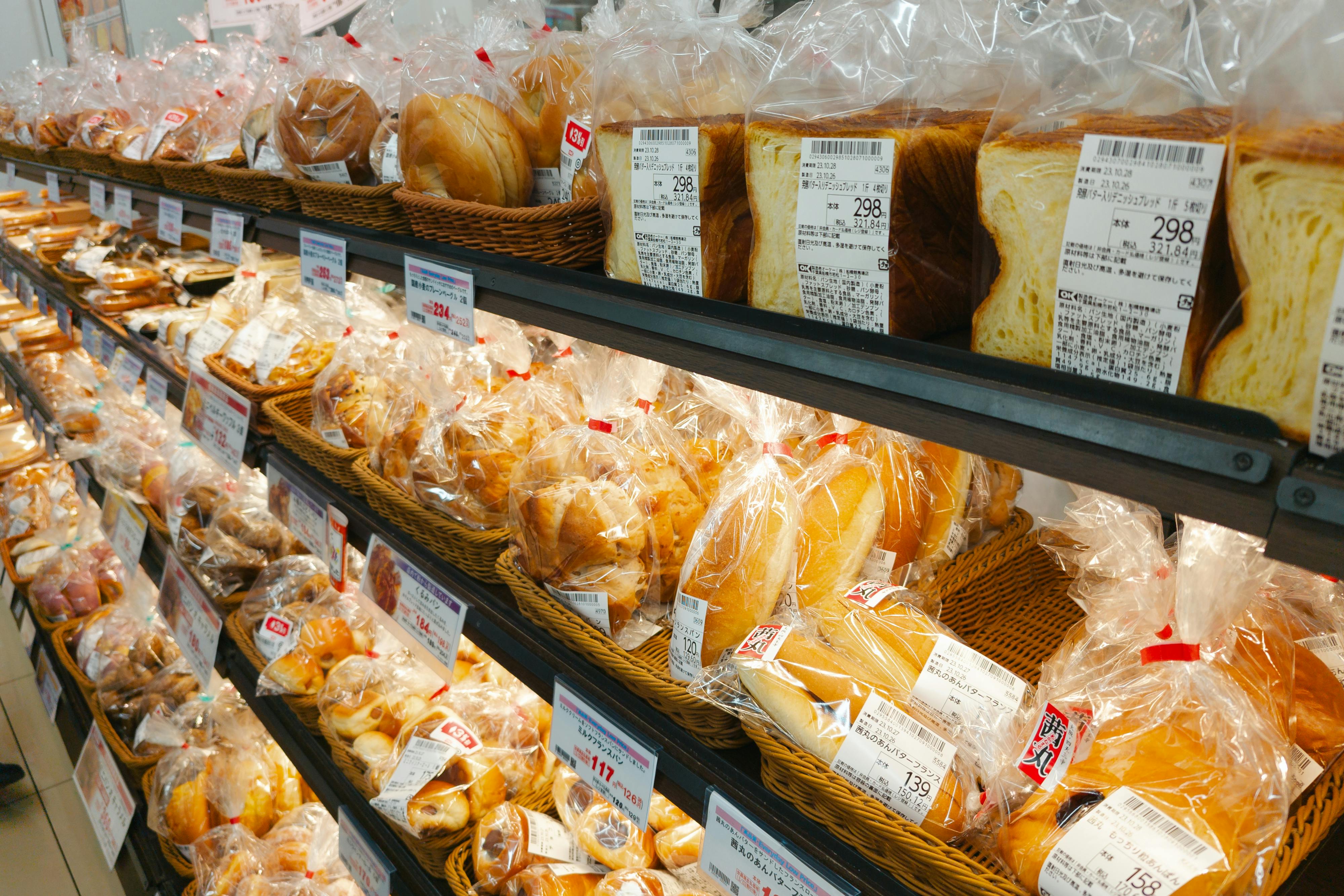
White bread often gets treated as a grocery confession. In a food culture that praises whole grains, fiber, and artisanal loaves, buying a plain packaged white loaf can make someone look uninformed or stuck in outdated eating habits. The reaction is immediate because bread has become a status marker.
From a nutritional standpoint, whole-grain bread usually offers more fiber and a better micronutrient profile. That much is clear. But white bread remains common because it is soft, affordable, familiar, and more acceptable to children, older adults, and people with certain digestive sensitivities.
There is also a cultural and regional layer to the judgment. For many households, white bread is tied to comfort foods, school lunches, and recipes passed down through generations. Treating it as automatically shameful ignores how food habits are shaped by memory, access, and practicality as much as by nutrition advice.
Cheap instant noodles
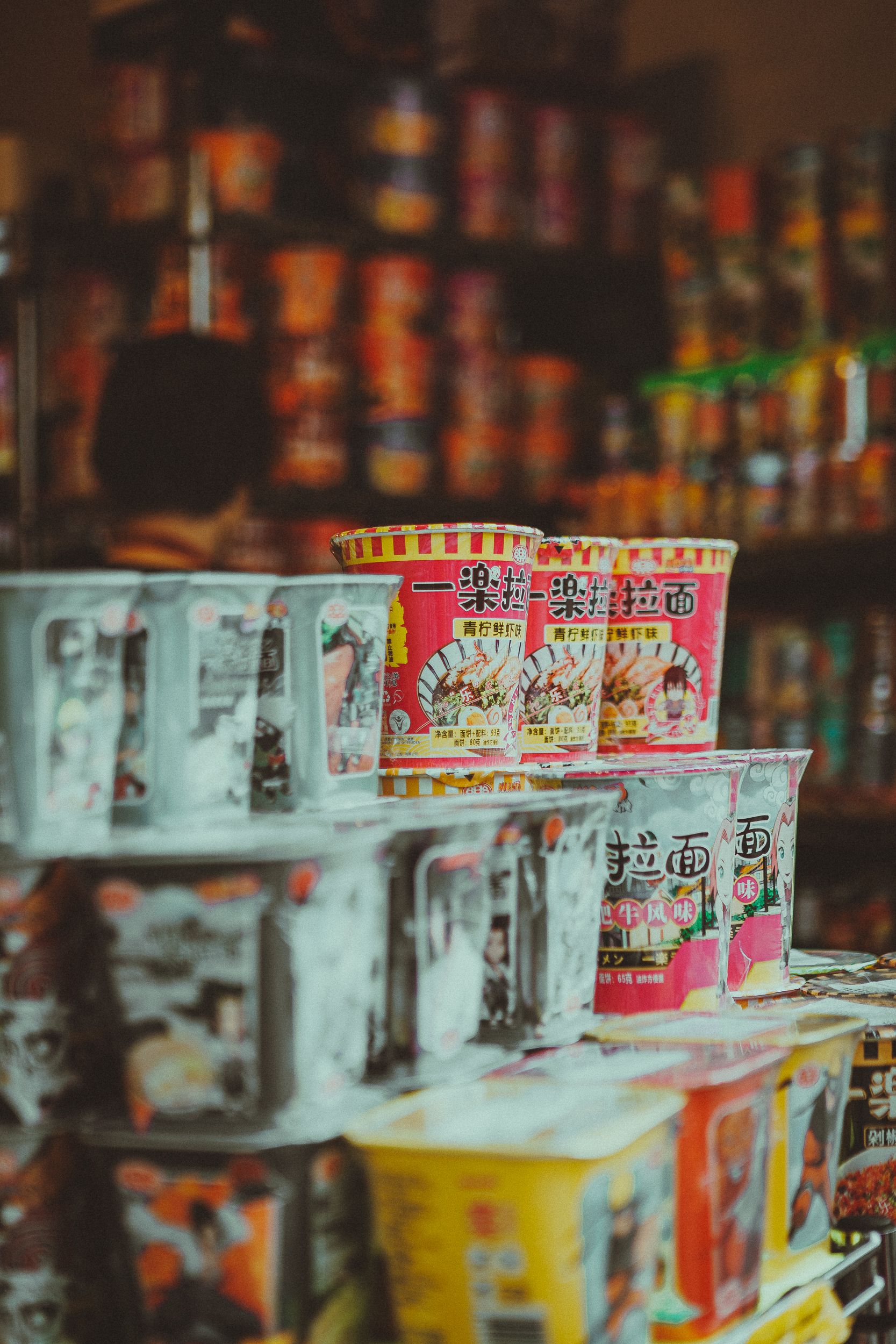
Instant noodles are one of the most judged items in any store. They signal financial strain so strongly that many people view them as a public display of hardship, poor health choices, or a college-student diet that should have ended years ago. That reaction says a lot about how society reads low-cost food.
The health concerns are real. Many instant noodle products are high in sodium and low in fiber, and on their own they do not make a balanced meal. But economists and food access researchers have pointed out that shelf-stable foods matter in homes where budgets are tight and fresh groceries spoil too quickly.
These noodles also survive because they are flexible. People stretch them with eggs, frozen vegetables, tofu, chicken, or broth to create something more filling and nutritious. What gets judged as a desperate purchase is often a base ingredient, chosen because it is cheap, fast, and reliably available.
Pre-cut fruit and vegetables
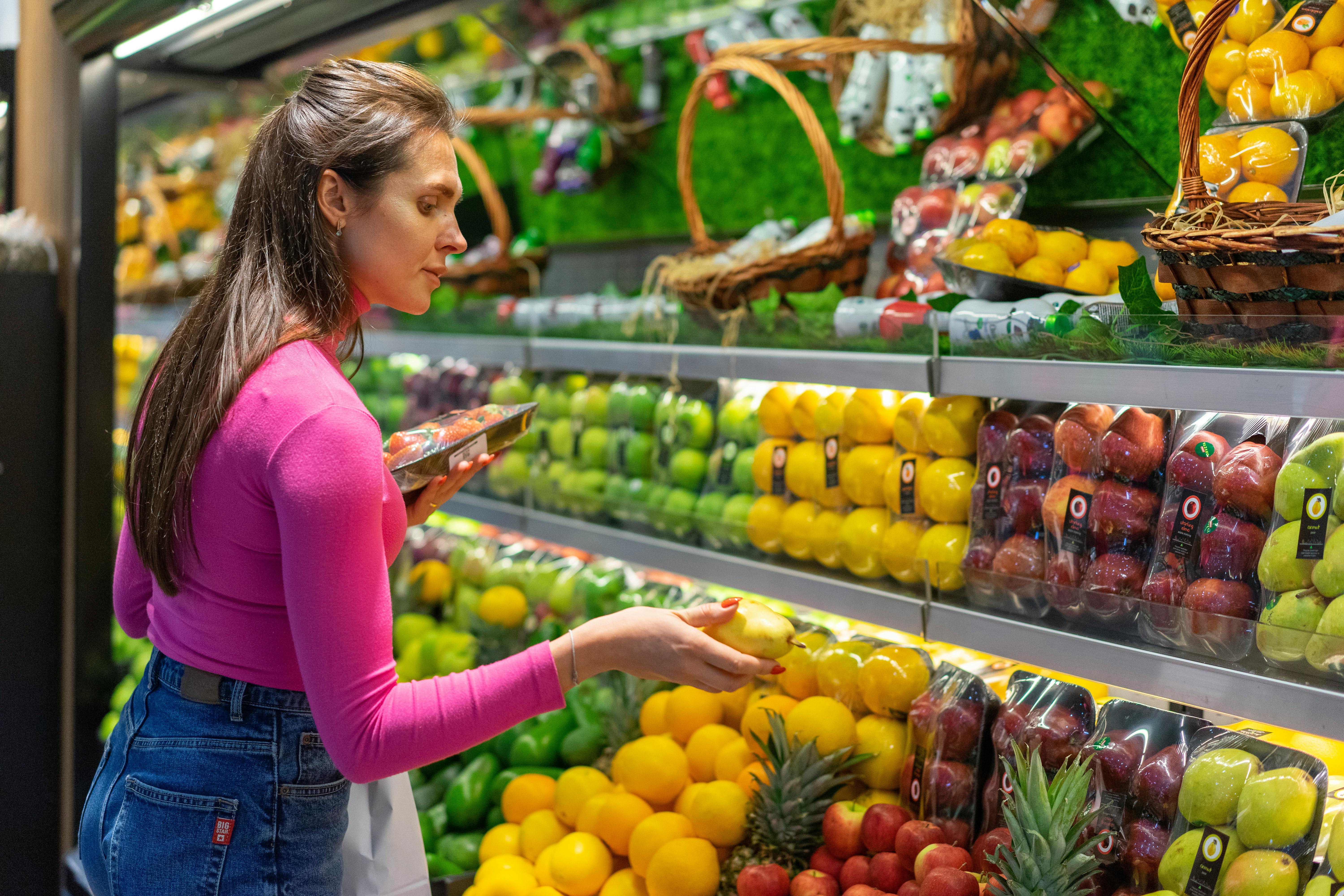
Pre-cut produce is judged for the opposite reason. Instead of looking cheap or careless, it can make shoppers seem wasteful, privileged, or unwilling to do basic kitchen work. The higher price tag on sliced melon or chopped onions often prompts quiet disbelief from people who see convenience as an unnecessary luxury.
But convenience food is not always laziness in disguise. Dietitians frequently note that people eat more produce when it is washed, cut, and ready to use. For older adults, people with disabilities, exhausted parents, or workers racing through long commutes, pre-cut produce can be the difference between eating vegetables and skipping them.
There is also strong evidence that time poverty shapes eating habits as much as income does. A more expensive container of ready-to-eat fruit may still be the rational purchase if it prevents takeout or reduces waste at home. In that light, convenience is not indulgence. It is a practical tool.



Leave a Reply