
Fermentation is having a bigger moment in Canada than many shoppers realize. The most interesting part is that the trend is no longer centered on yogurt and kombucha alone.
Fermentation in Canada has moved into everyday eating
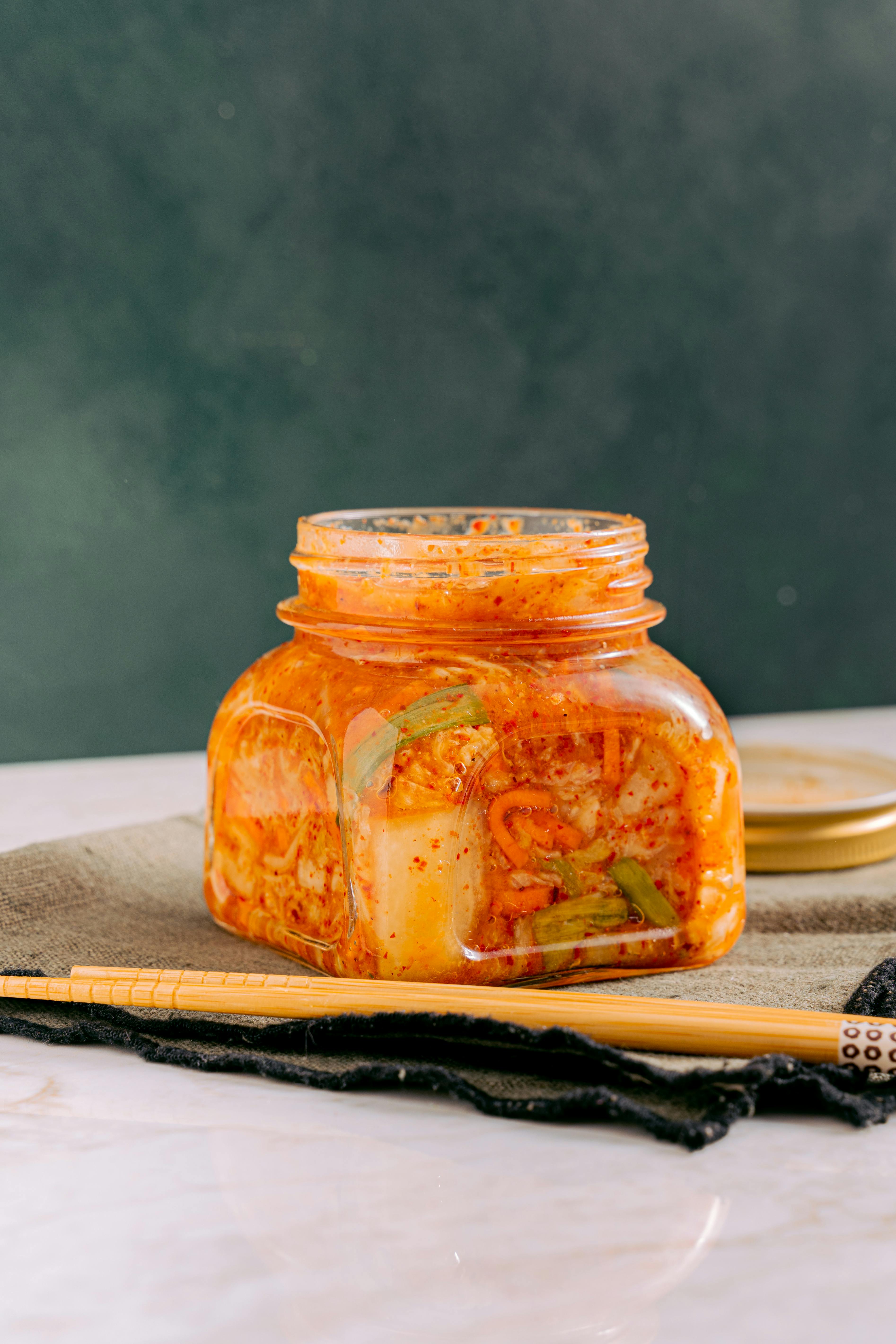
What stands out first is how ordinary fermented foods have become. They are no longer niche products found only in health food stores or specialty markets. In major Canadian cities and smaller communities alike, fermented foods now show up in supermarkets, meal kits, café menus, and home fridges.
That shift reflects both taste and habit. Canadians are eating fermented foods because they add sharpness, depth, and complexity to familiar meals. A spoonful of kimchi with eggs, a splash of kefir in a smoothie, or a side of pickles with a sandwich feels practical, not exotic.
Industry tracking has shown steady consumer interest in foods linked to gut health, but convenience matters just as much. Ready-to-eat fermented vegetables, drinkable cultured dairy, and shelf-stable condiments fit busy routines. The result is a category that is quietly expanding through daily use rather than fad-driven hype.
Kimchi has become one of the most visible stars
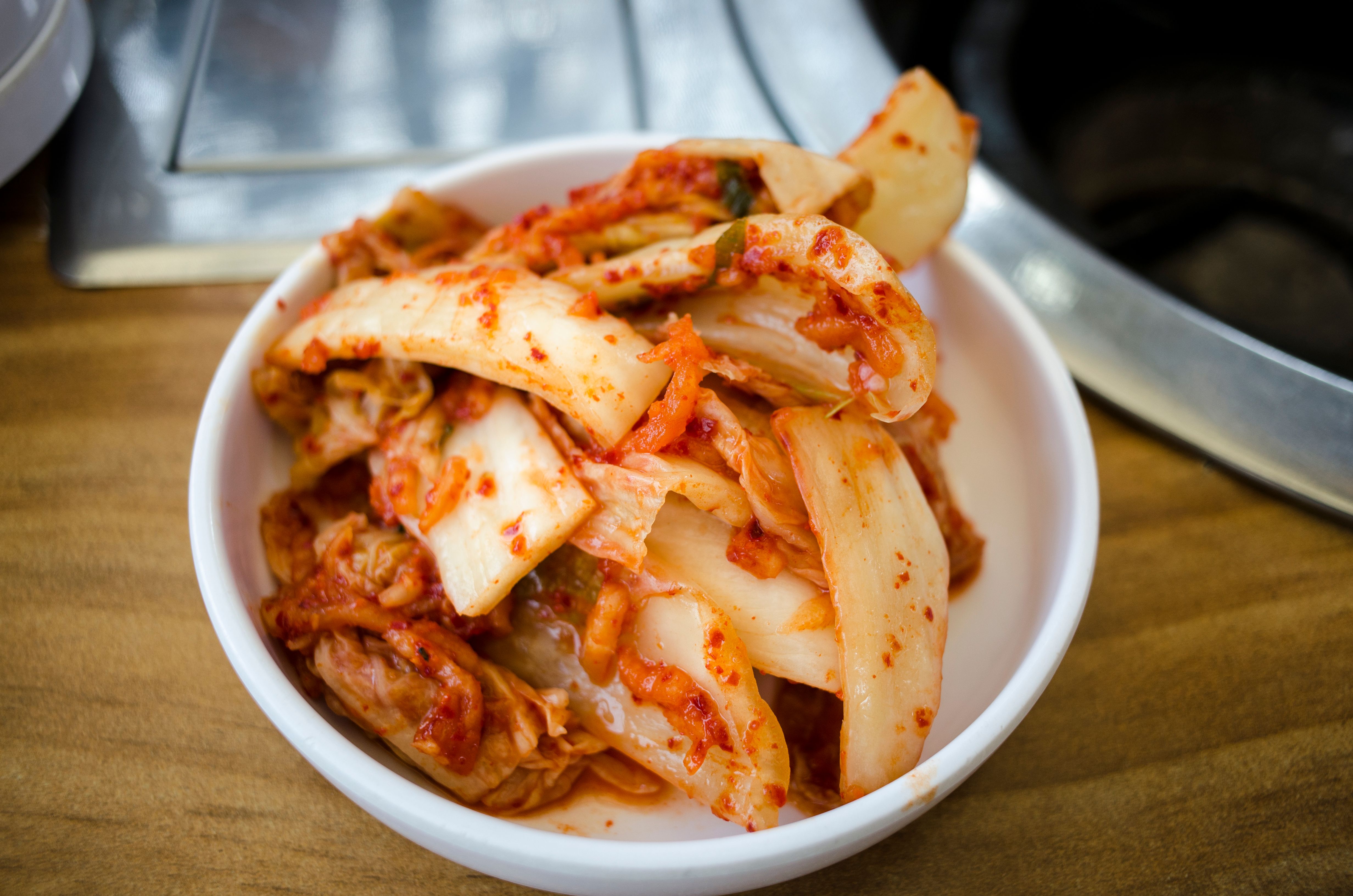
One of the clearest signs of change is kimchi's rise from specialty staple to mainstream favorite. Long central to Korean cooking, kimchi is now widely sold by large grocers, independent producers, and restaurant brands across Canada. It appears in tacos, rice bowls, grilled cheese sandwiches, and even Caesars.
Its appeal goes beyond health messaging. Kimchi delivers heat, acid, crunch, and savoriness in one bite, which makes it useful in a wide range of dishes. Canadians who want stronger flavors without complicated cooking often find kimchi an easy upgrade for leftovers, grain bowls, and roasted meats.
Canada's multicultural food landscape has helped fuel that growth. In cities such as Toronto, Vancouver, and Calgary, Korean food has long had a strong presence, and broader exposure has followed. What was once a cuisine-specific side dish is now treated as a flexible fridge essential by many households.
Kefir and cultured dairy are thriving for practical reasons

If kimchi represents bold flavor, kefir represents ease. This fermented milk drink, popular in Eastern Europe, the Caucasus, and many immigrant households, has become increasingly common in Canadian dairy aisles. Plain, fruit-flavored, and high-protein versions now sit alongside yogurt rather than behind it.
Kefir benefits from being familiar enough to feel low-risk. It can be poured into a glass, blended into breakfast, or used in overnight oats without much adjustment. For consumers interested in live cultures but tired of spoonable yogurt, kefir offers a simple alternative that feels both old-world and current.
Other cultured dairy foods are also gaining quiet ground. Labneh, skyr, and cultured cottage cheese speak to a broader appetite for tangy, protein-rich foods with culinary versatility. In Canada, where breakfast and snack choices often drive repeat buying, these products succeed because they are easy to use and easy to like.
Sauerkraut, pickles, and beets remain deeply rooted favorites

Not every fermented food trend is new. Sauerkraut, pickled cucumbers, and fermented beets have long histories in many Canadian homes, especially in families with Central and Eastern European roots. What has changed is the framing: these foods are now discussed as flavorful staples and wellness-friendly pantry items.
Artisanal producers have helped revive interest by offering less processed, refrigerated versions with stronger texture and brighter taste. Instead of the uniformly soft sauerkraut many consumers once knew, newer products emphasize crunch, natural acidity, and small-batch character. That has introduced traditional ferments to younger shoppers in a more compelling form.
These foods also suit Canadian eating habits. They pair naturally with sausages, smoked fish, roast dinners, sandwiches, and grain bowls. Their staying power comes from usefulness as much as heritage, which is often the real reason a food survives long enough to become fashionable again.
Miso, tempeh, and fermented condiments are widening the field

Another major shift is happening in the pantry. Fermented soybean foods such as miso and tempeh are becoming more common as Canadians cook more globally and seek savory depth without relying only on meat. Miso in particular has moved beyond soup into salad dressings, marinades, caramel sauces, and roasted vegetables.
Tempeh has grown more slowly, but it has found a clear audience among vegetarians, flexitarians, and cooks who want texture with substance. Unlike many highly processed meat substitutes, tempeh brings its own nutty flavor and culinary identity. That distinction matters to shoppers who care about both ingredients and taste.
Fermented hot sauces, soy sauces, and chili pastes are also thriving. These condiments let consumers experiment with fermentation in small, manageable ways. A jar or bottle can transform an ordinary meal, which helps explain why fermented foods often enter the home not as a health purchase, but as a flavor purchase.
What Canadians are really buying is flavor with function
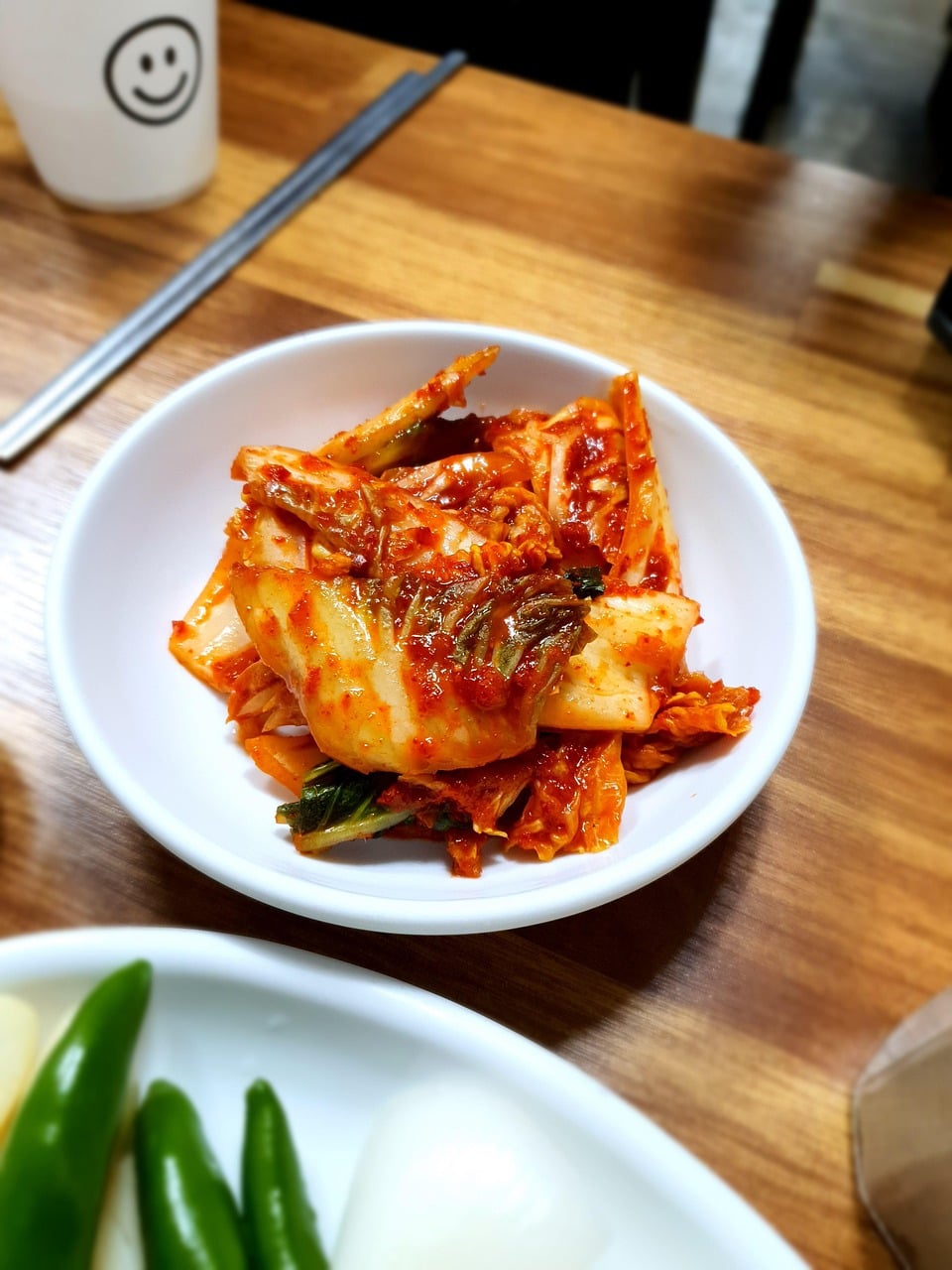
The most revealing part of this shift is that Canadians are not choosing fermented foods for one reason alone. Health interest, especially around digestion and microbial diversity, plays a role, and dietitians often note that fermented foods can be part of a balanced pattern. But taste, versatility, and cultural openness are doing just as much work.
That helps explain why the category looks so varied. The fermented foods Canadians are actually eating include kimchi, kefir, sauerkraut, miso, pickles, labneh, and cultured drinks, each with different textures, traditions, and uses. This is not a single trend with one hero product. It is a broad change in how flavor and everyday eating now intersect.
In practical terms, fermentation has become less of an identity and more of a habit. Canadians are adding these foods because they make meals brighter, deeper, and more interesting with very little effort. That may be why the real story is more compelling than yogurt and kombucha ever suggested.




Leave a Reply