
Some of the best heart foods are not exotic at all. One of the most consistently praised by cardiologists is a bowl of plain oats.
Why oats stand out in heart medicine
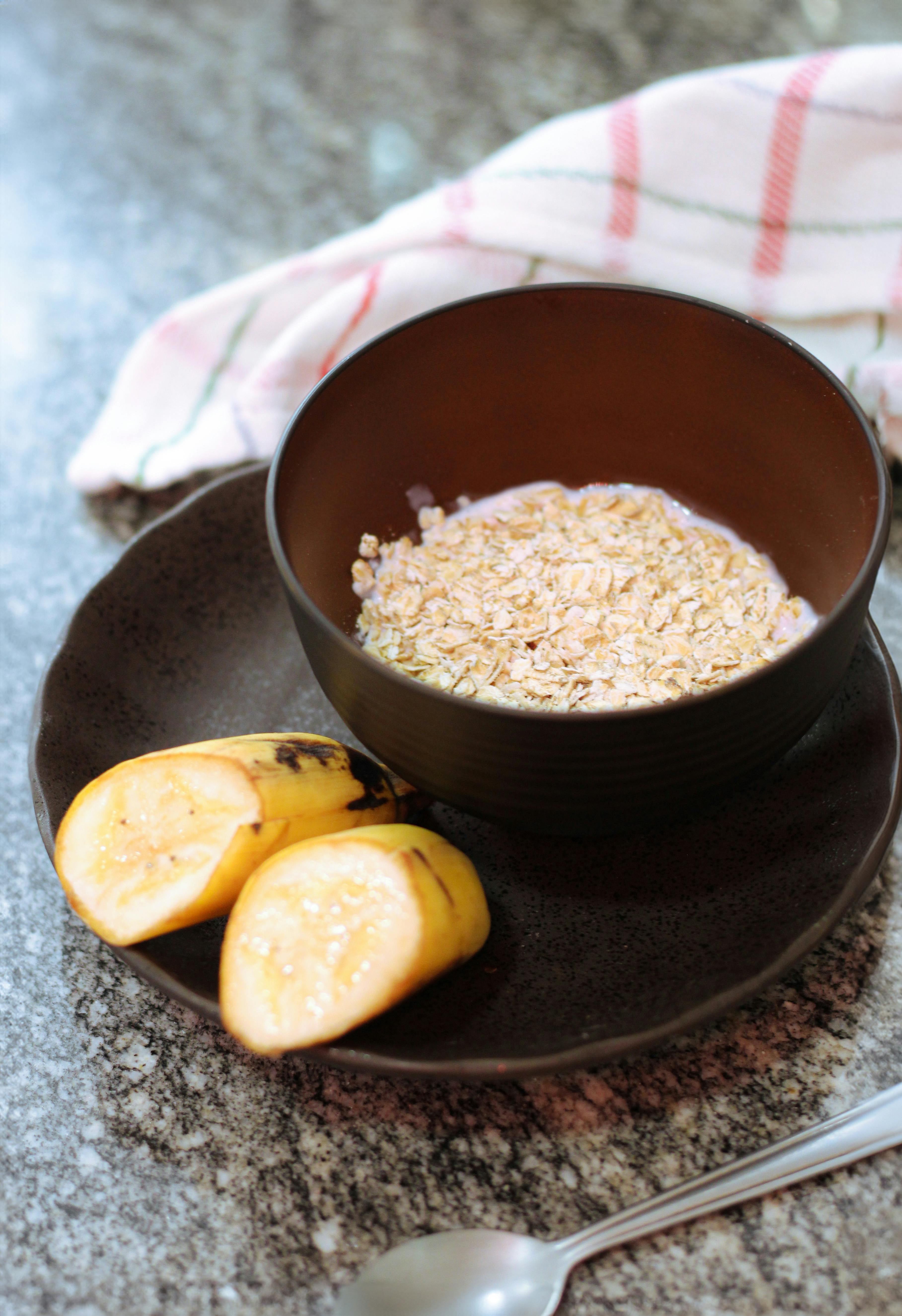
Cardiologists often recommend oats because they deliver a rare mix of convenience, affordability, and proven cardiovascular benefit. Unlike trend-driven superfoods, oats have decades of research behind them and fit easily into daily meals. That matters because foods only help if people will actually keep eating them.
A major reason oats get so much attention is beta-glucan, a soluble fiber that forms a gel-like substance in the digestive tract. This process helps reduce the absorption of cholesterol into the bloodstream. Over time, that can support lower LDL cholesterol, the type most closely linked with plaque buildup in arteries.
The American Heart Association has long emphasized soluble fiber as part of a heart-smart eating pattern. Oats are one of the simplest ways to get it. A 2024 body of research continued to support the idea that regular oat intake can improve cholesterol numbers, especially when it replaces refined breakfast foods.
How oats help cholesterol and blood vessels
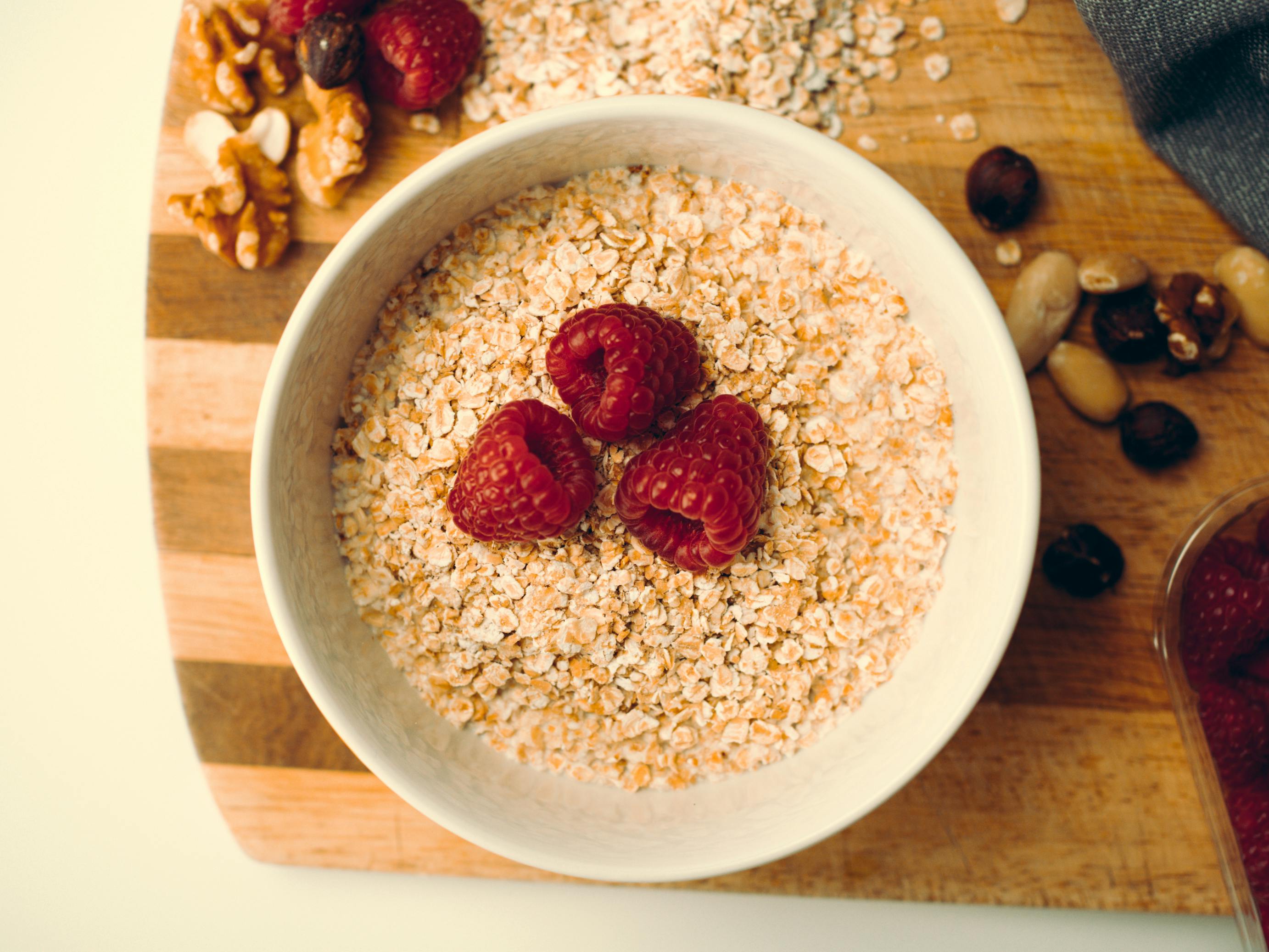
The heart benefit of oats is not just a vague wellness claim. It is tied to measurable effects inside the body, especially in people with elevated cholesterol or diets high in processed carbohydrates. That is one reason preventive cardiologists keep bringing them up in real-world care.
Beta-glucan helps trap bile acids, which are made from cholesterol, and encourages the body to remove them. In response, the liver pulls more cholesterol from the blood to make new bile acids. This is one of the best-understood ways a food can directly help improve lipid profiles.
Oats may also support steadier blood sugar, which matters for heart health more than many people realize. Spikes in blood glucose and insulin can contribute to inflammation, weight gain, and higher long-term cardiometabolic risk. A slower-digesting breakfast can help reduce that cycle and keep energy more stable through the morning.
The best kinds of oats to choose

Not all oat products are equally helpful, and cardiologists usually mean minimally processed oats, not sugar-heavy instant packets. Steel-cut oats, old-fashioned rolled oats, and plain quick oats can all be good choices. The key difference is what gets added before they reach your bowl.
Flavored oatmeal packets often contain significant amounts of added sugar, sodium, or sweetened fruit blends. Those ingredients can chip away at the food's natural advantage. If the goal is better heart health, plain oats topped with fruit, nuts, or seeds are usually the smarter route.
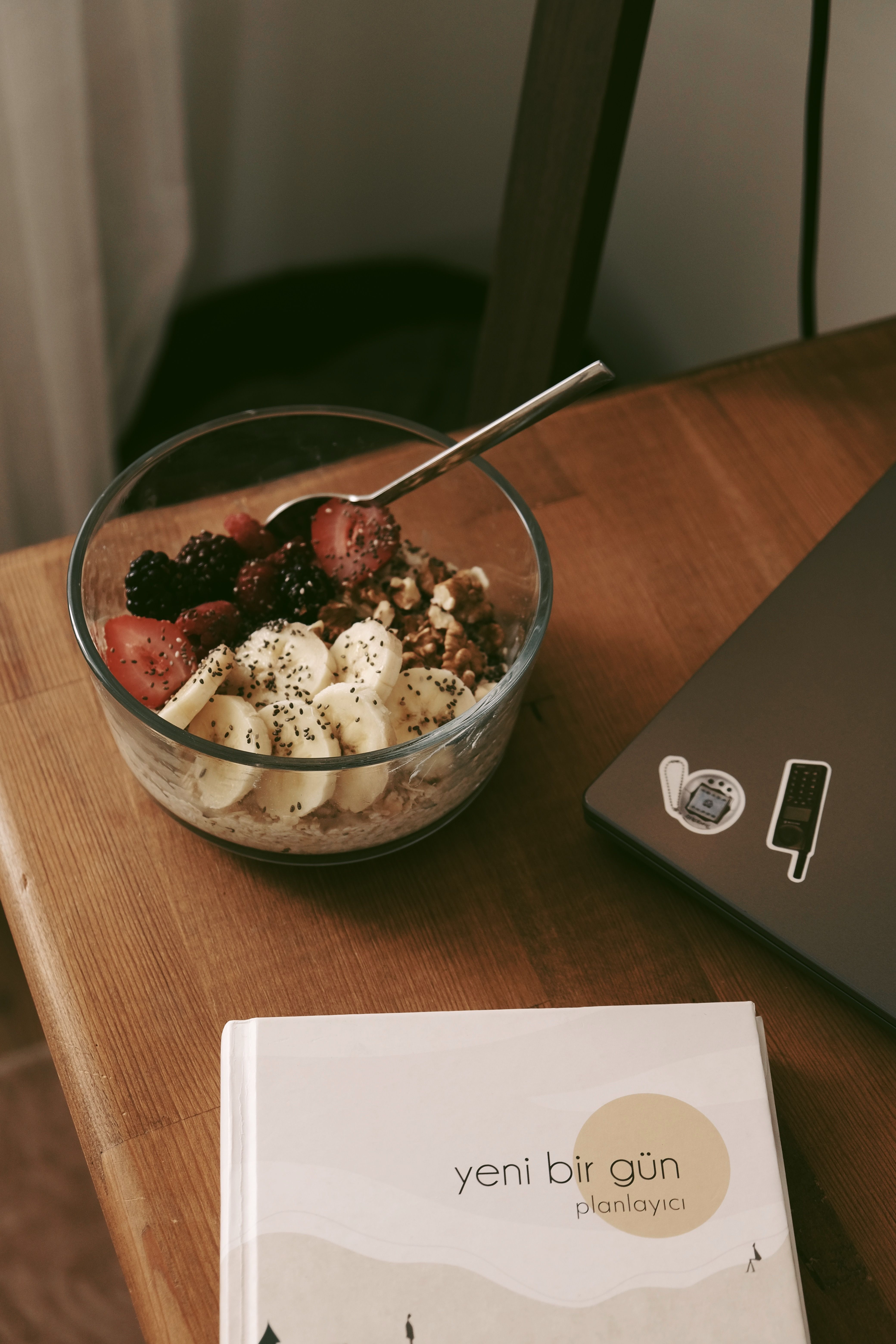
Portion and preparation matter too. A serving that includes berries, walnuts, chia seeds, or a spoonful of unsweetened yogurt offers a stronger nutritional profile than oats made with syrups or candy-like mix-ins. Cardiologists generally favor combinations that add fiber, healthy fats, and minimal added sugar.
What the research says in plain terms
Oats are one of those foods where expert enthusiasm lines up well with published science. Clinical studies have repeatedly found that regular oat consumption can modestly lower LDL cholesterol. The effect is not as dramatic as medication for high-risk patients, but it is meaningful, especially as part of a larger dietary pattern.
That distinction is important. No cardiologist would suggest oatmeal alone can cancel out smoking, uncontrolled blood pressure, or a diet built around ultra-processed food. Still, food-based improvements add up, and small LDL reductions across months and years can support better long-term heart outcomes.
Researchers also value oats because they are realistic for broad populations. They do not require expensive shopping habits or advanced cooking skills. In public health terms, an everyday food that many people can adopt consistently is often more powerful than a niche product with perfect nutrition on paper.
Easy ways to eat oats without getting bored

The biggest nutritional win usually comes from repetition, so variety helps people stick with healthy foods. Oats can work far beyond hot breakfast cereal. Overnight oats, oat-based smoothies, homemade muesli, and savory oat bowls all make the ingredient easier to use week after week.
For breakfast, combining oats with cinnamon, sliced apple, and walnuts creates a meal that supports both satiety and heart health. For lunch or dinner, savory oats with sautéed greens, olive oil, and a soft-boiled egg can be surprisingly satisfying. These combinations also keep sodium and added sugar more manageable than many packaged meals.
Even baking can be an entry point. Using oats in homemade muffins, energy bites, or pancake batter can improve texture and fiber content. The smartest approach is to let oats replace more refined grains, not simply add them on top of an already calorie-heavy routine.
Why one simple food can make a real difference
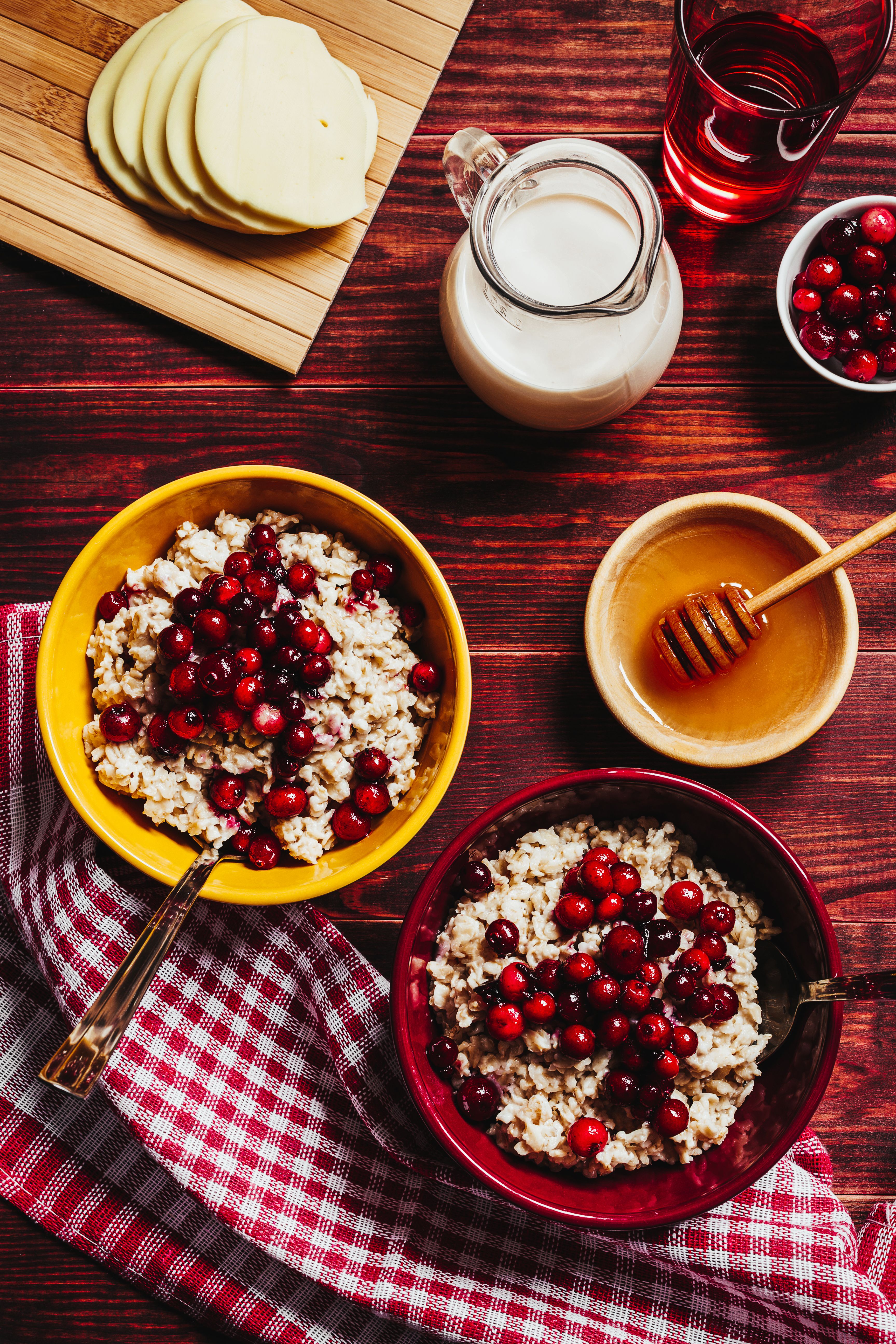
What makes oats so valuable is not hype but consistency. Heart specialists tend to favor foods that target known risk factors, are easy to sustain, and support overall dietary quality. Oats check all three boxes, which is why they remain a staple recommendation in cardiovascular nutrition.
They are not a miracle food, and that is actually part of their appeal. They work best as one piece of a broader plan that includes fruits, vegetables, beans, nuts, exercise, sleep, and blood pressure control. In that context, a daily bowl of oats can be a small habit with outsized long-term value.
For many people, the most heart-friendly change is also one of the simplest. If you want an everyday food cardiologists genuinely respect, plain oats belong near the top of the list. They are practical, evidence-based, and easy to turn into a lasting routine.




Leave a Reply