
Habitant pea soup is one of those dishes that proves thrift and flavor can live in the same pot. Built from dried yellow peas, salted or smoked pork, and a few basic vegetables, this Quebec classic was designed to feed families well for very little, and its slow-cooked depth is exactly why chefs still admire it.
The humble pot that fed Quebec
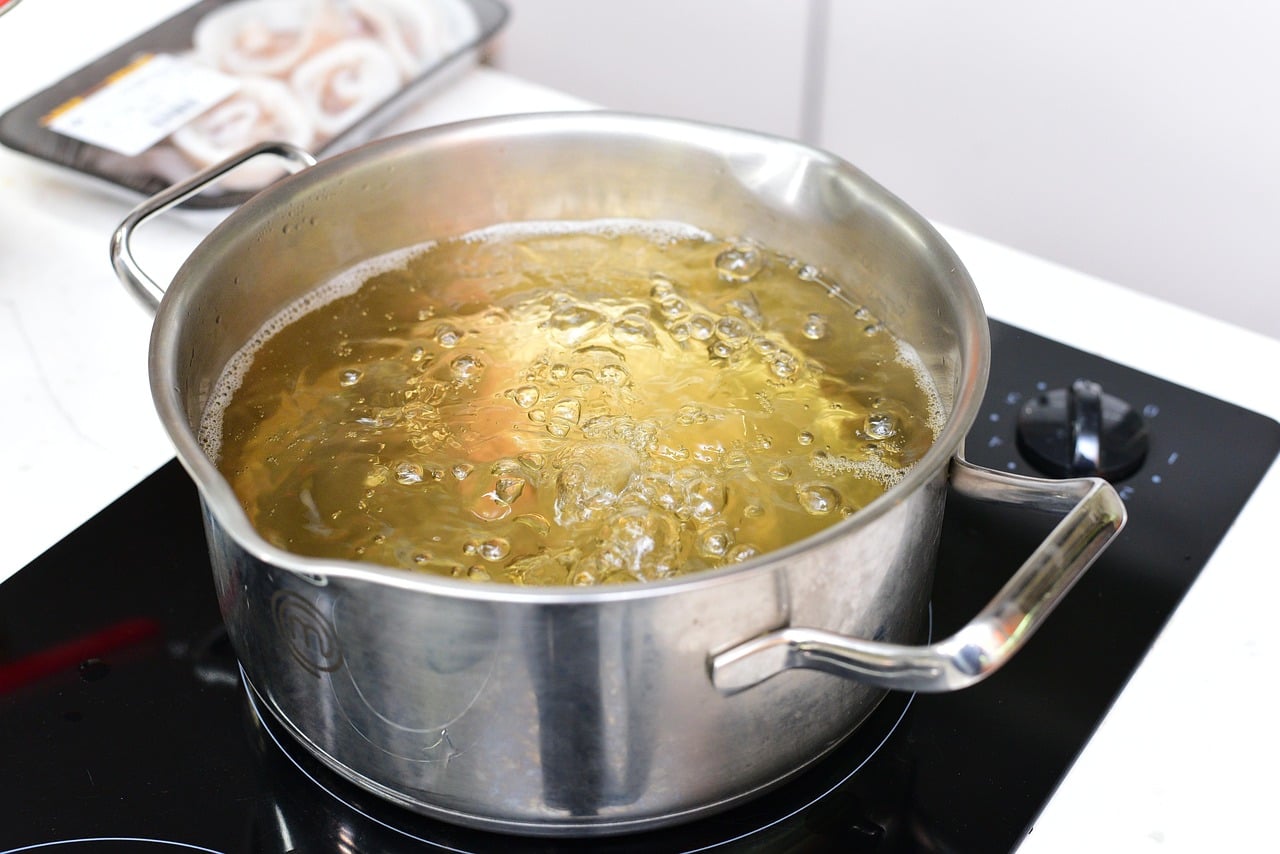
At its core, Habitant pea soup is a practical dish from French Canada, especially Quebec, where dried peas stored well through long winters and stretched a small amount of meat into a full meal. The name "habitant" refers to the early French Canadian farmers and settlers who relied on simple, durable ingredients.
What made the soup economical was the balance. Split peas brought body and protein, while a ham bone, salt pork or other cured pork added savor without requiring a large roast or expensive cut. Onion, celery and carrot often rounded it out, but the idea stayed the same: use pantry staples, simmer slowly, and feed many people from one pot.
Why dried peas mattered so much
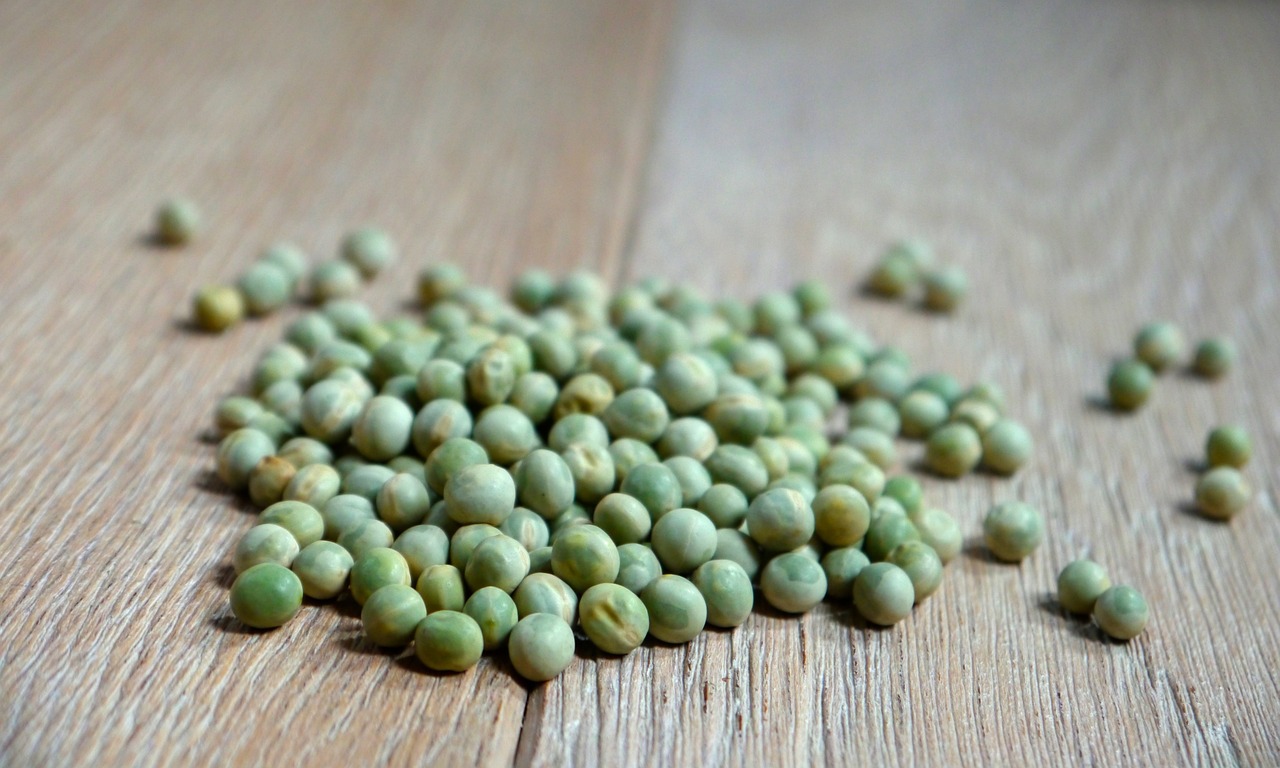
The real engine of this soup is the yellow pea. Dried peas were inexpensive, shelf-stable and easy to keep on hand, which made them especially valuable during lean times and in rural households where frequent shopping was not an option.
They also do more than save money. As they cook, split peas break down and naturally thicken the broth, creating a velvety texture without cream, flour or extra fat. That is part of why Habitant pea soup can taste so luxurious even when the ingredient list is spare. The result feels substantial, not austere, which helps explain its staying power across generations.
The pork that built the flavor
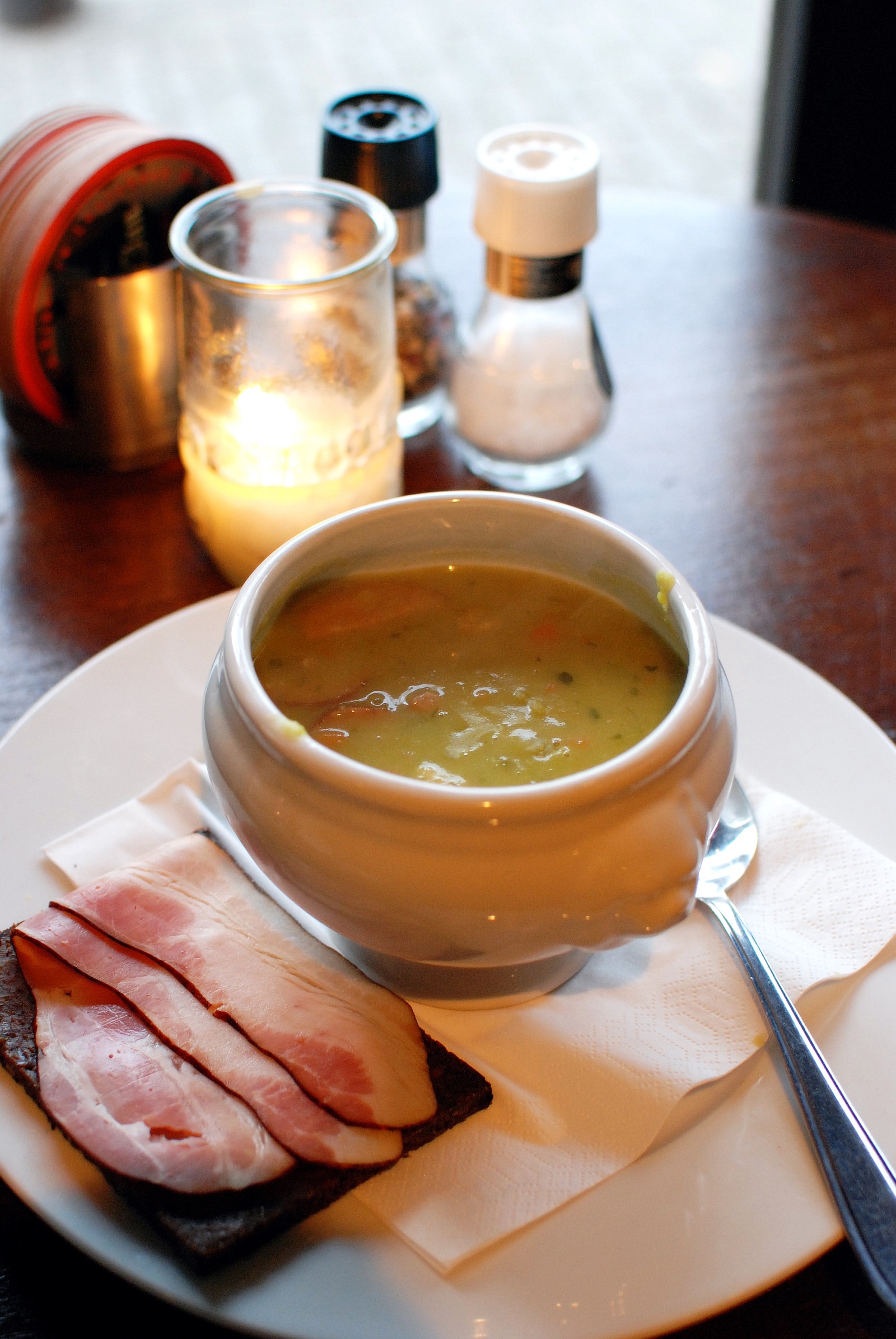
A defining trait of Habitant pea soup is how much flavor comes from very little meat. Traditional versions often use a ham hock, a meaty bone, or a piece of salt pork, all of which release collagen, smoke and savory depth into the pot as they simmer.
That technique is part of the dish's Depression-era logic. Instead of serving pork as the main event, cooks used it as seasoning and structure. Every spoonful carried the impression of a richer meal than the budget suggested. In modern kitchens, that same slow extraction is one reason chefs treat the soup seriously. It shows how classic home cooking can achieve complexity through patience rather than expensive ingredients.
A dish chefs now treat with respect
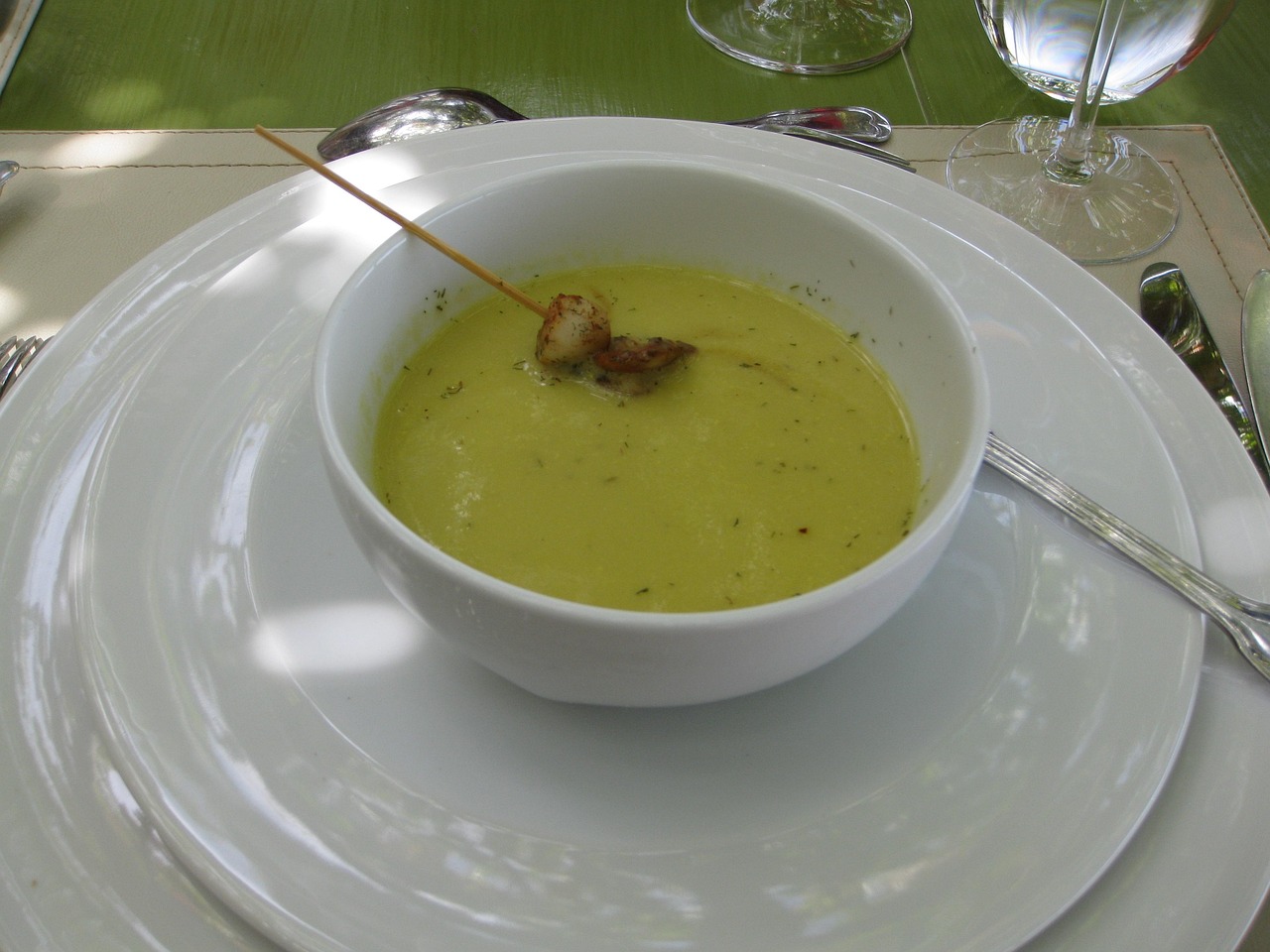
What was once seen as plain working-family fare is now being reframed by Canadian chefs as a dish of craft and memory. In restaurant settings, Habitant pea soup may appear smoother, more carefully garnished, or paired with refined touches, but its backbone remains the same.
That renewed interest is not just nostalgia. Chefs often prize dishes that make intelligent use of ingredients, and this soup does exactly that. It transforms a bag of peas and a modest piece of pork into something layered and comforting. In an era that values low-waste cooking and regional food traditions, Habitant pea soup reads less like a relic and more like a model.
Why it tastes far richer than it costs
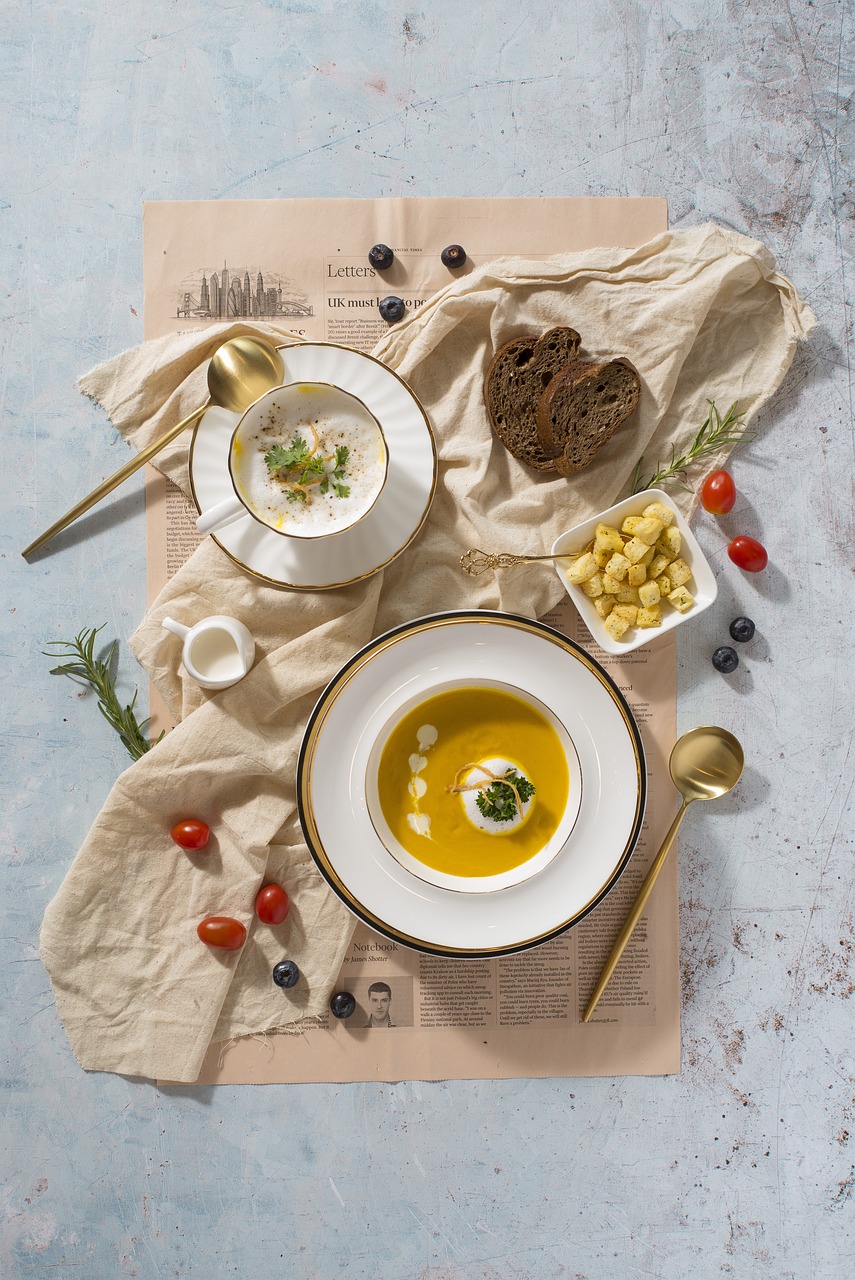
The gourmet reputation makes sense once you break down the cooking. Slow simmering melds the sweetness of onion and carrot with the earthy peas and the smoky, salty pork. The peas soften into a thick base that carries flavor in a way a thin broth cannot.
Texture matters, too. A good bowl can be silky or slightly rustic, depending on how much the cook blends or stirs, and that flexibility helps it fit both farmhouse and fine-dining settings. The aroma alone suggests a much pricier dish. What people often read as luxury is really concentration, time and balance, three things this soup delivers in abundance.
The old lesson that still feels current
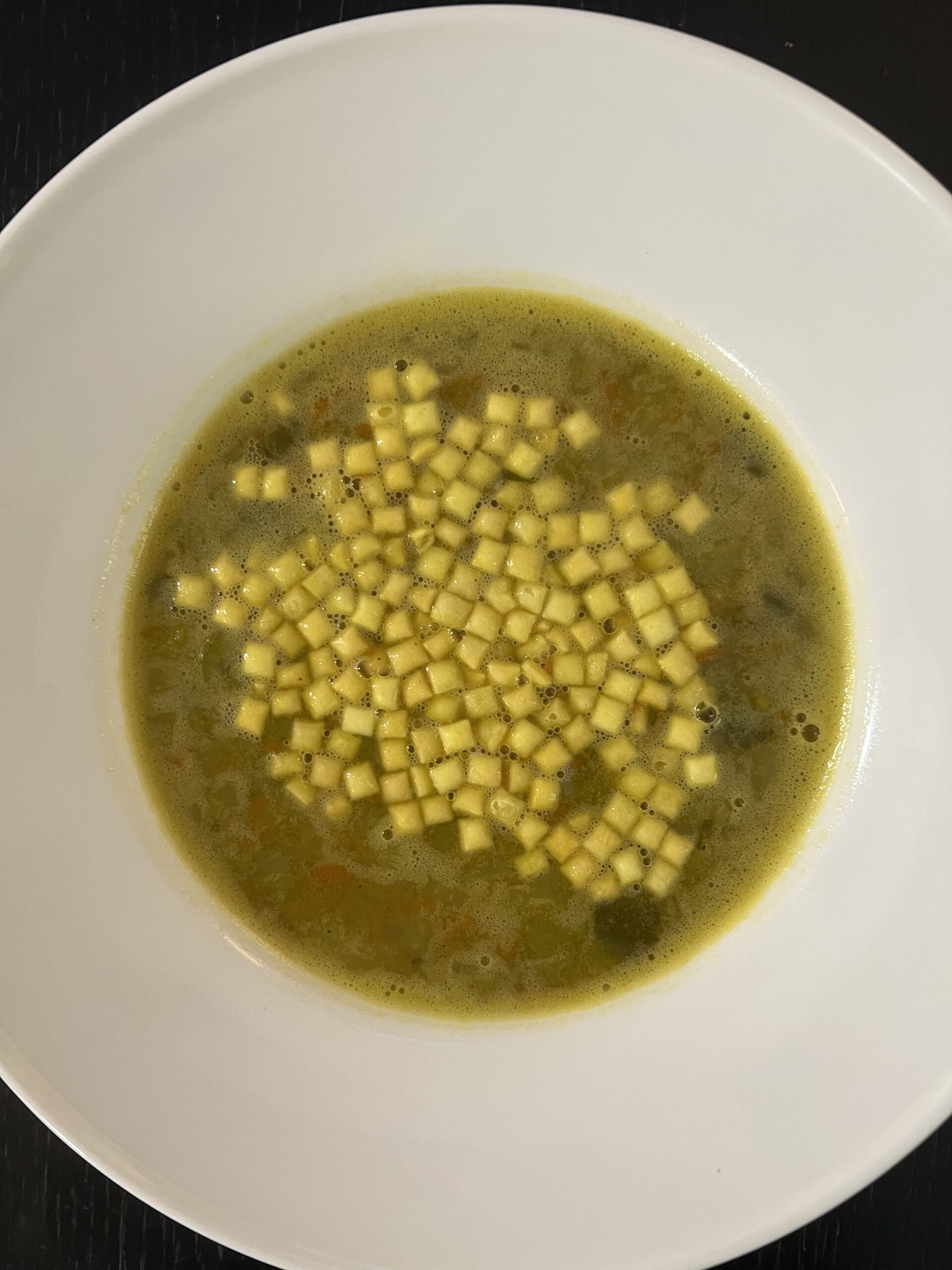
Habitant pea soup endures because it solves a problem that never fully disappears: how to cook something nourishing, deeply satisfying and affordable. Its roots in hardship are real, but the dish is not defined only by scarcity. It is also about skill, preservation and the ability to draw maximum flavor from basics.
That may be why the soup still resonates now. Food culture often swings back toward meals that are regional, sensible and honest about where flavor comes from. Habitant pea soup fits that mood perfectly. It asks for little, wastes almost nothing, and offers the kind of slow, savory comfort many expensive dishes spend far more trying to achieve.




Leave a Reply