
Costco's food court has long been part of the ritual for Canadian shoppers. Now, regulars are starting to notice that the experience is changing in visible and subtle ways.
Digital ordering is becoming part of the routine

One of the most noticeable shifts is how customers place food court orders. In more Canadian warehouses, self-serve kiosks have become central to the process, reducing lineups at the traditional counter and speeding up transactions during peak shopping hours.
That change may seem minor, but it alters the feel of the visit. Members who once chatted briefly with staff at the register now move through a more automated system, one that mirrors broader retail trends across North America.
The benefit is efficiency, especially on weekends when food courts can become crowded. Kiosks also make add-ons and combo choices easier to view at a glance, which can improve order accuracy and shorten wait times after payment.
For some shoppers, though, the learning curve is real. Older members and first-time users sometimes prefer face-to-face service, so the transition works best when staff remain visible and ready to help, which many Canadian locations appear to recognize.
Menu differences are standing out more clearly
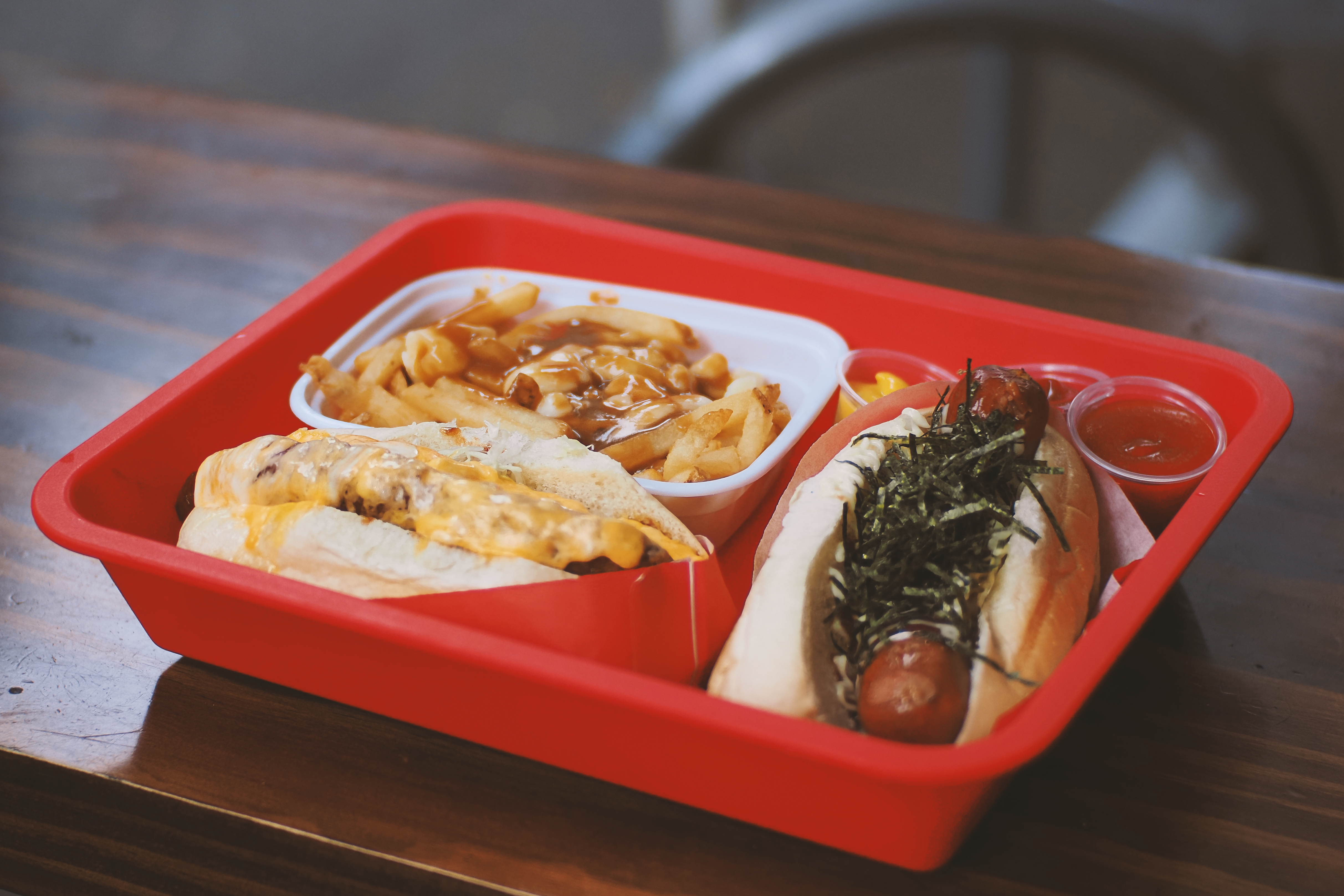
Canadian shoppers are also paying closer attention to what is and is not on the menu. While staples like hot dogs, fries, and pizza remain central, some items vary by province, by warehouse, or by supply conditions, making the food court feel less uniform than many members expect.
The chicken wings available in some Canadian locations have become a talking point, particularly because they help distinguish the domestic menu from the better-known U.S. lineup. Poutine also remains a signature Canadian offering, reinforcing that Costco adapts to local tastes where it sees strong demand.
At the same time, members often notice the absence of certain seasonal or limited-run items they hoped would return. That inconsistency can create online chatter and in-store disappointment, especially when a product develops a loyal following and then quietly disappears.
From an operations standpoint, selective menus make sense. Costco tends to focus on high-volume items that can be produced quickly and consistently, and any item that slows service or complicates inventory has a tougher path to staying permanent.
Value still matters, but shoppers are watching prices

Costco's food court reputation was built on dependable low prices, and that expectation remains powerful in Canada. Even modest changes get noticed quickly because shoppers view these meals less as indulgences and more as part of the warehouse value promise.
The famous hot dog and drink combo remains the symbolic benchmark. Its staying power matters because it signals that Costco is willing to absorb some inflationary pressure in order to preserve member trust and maintain a highly visible value statement.
Other items do not always enjoy the same price stability. Fries, chicken offerings, and specialty items can reflect ingredient, labor, packaging, and transportation costs, all of which have been more volatile in Canada in recent years.
That is why even small food court adjustments can spark strong reactions. Shoppers are not just reacting to a snack price. They are reading those price tags as clues about whether Costco can still deliver the kind of everyday deal that helped build its loyal membership base.
Wait times and traffic patterns are shifting

Another change shoppers are noticing has less to do with the menu and more to do with flow. At many Canadian warehouses, the food court now feels more tightly linked to checkout traffic, pickup congestion, and overall store design than it did before.
Weekend rushes have always been intense, but heavier membership traffic in recent years has made bottlenecks more visible. A line for food can quickly merge with the exit path, cart traffic, and receipt checks, creating friction in spaces that were not designed for long dwell times.
This helps explain why some locations are changing queue layouts or emphasizing pickup numbers more clearly. Small operational tweaks can make a large difference when hundreds of customers move through the same narrow zone in a short period.
For shoppers, the practical impact is simple. The food may not have changed dramatically, but the timing of when you order, where you stand, and how long you wait now plays a bigger role in whether the experience feels smooth or frustrating.
Regional identity plays a bigger role than many expect

Not every Costco food court in Canada feels exactly the same, and seasoned members are increasingly aware of that. Differences in local demand, warehouse size, staffing levels, and supplier access can shape what customers see from one city to the next.
In areas with especially strong demand for certain comfort foods, operators may lean harder into those items because they move quickly and predictably. In other regions, limited kitchen capacity may narrow the menu to the fastest, easiest products to prepare at scale.
This regional variation is not unusual in food service, but it stands out at Costco because the brand is often associated with consistency. When a shopper visits another province and finds a different item mix or service flow, the difference becomes more memorable.
For Costco, this flexibility is practical rather than cosmetic. A food court that reflects local purchasing habits, labor realities, and supply reliability is often better positioned to serve members efficiently while still protecting the chain's value-first reputation.
The food court is changing without losing its core appeal
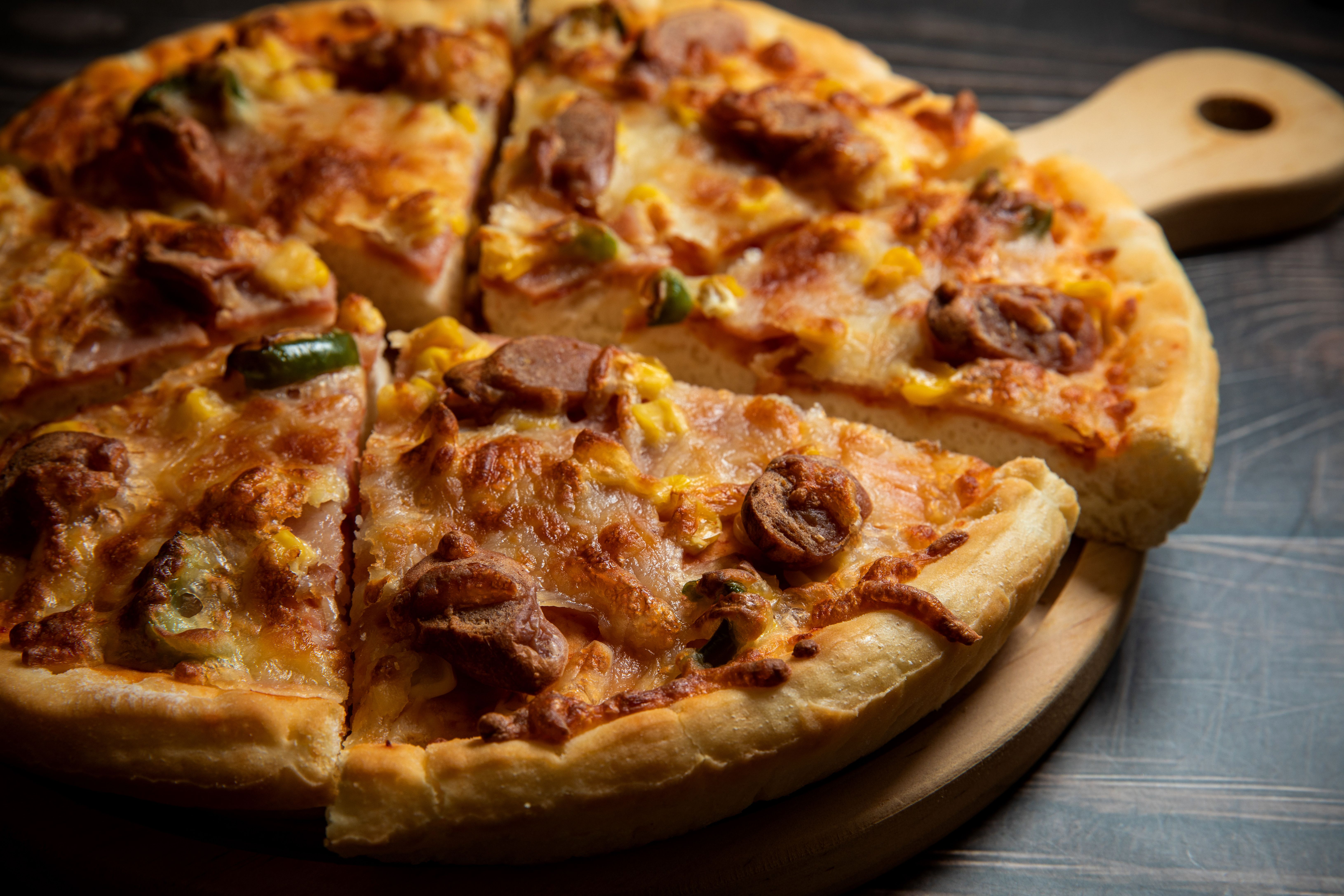
The most important thing Canadian shoppers are noticing is that Costco is adjusting the food court carefully, not reinventing it. The company appears to be making targeted changes that improve throughput and protect margins while keeping familiar favorites at the center.
That balancing act matters. If Costco changed too much, it would risk undermining one of the most recognizable parts of the warehouse experience, a place where members expect simplicity, speed, and a satisfying low-cost meal after a large shopping trip.
So far, the broader pattern suggests evolution rather than disruption. More kiosks, occasional menu variation, and tighter operations point to a business responding to modern pressures without abandoning the straightforward value proposition that made the food court iconic.
For Canadian members, that means the experience may feel a little different, but not unrecognizable. The details are shifting, and shoppers are right to notice them, yet the basic promise of convenience and value remains the reason the line still forms.



Leave a Reply