
The 1960s Canadian Prairie pot roast was not fancy, but it was precise in the ways that matter. Built around Alberta beef, farm vegetables, low heat and a practical homemade gravy, it delivered the kind of deep flavor many faster modern versions miss.
Alberta beef at the center
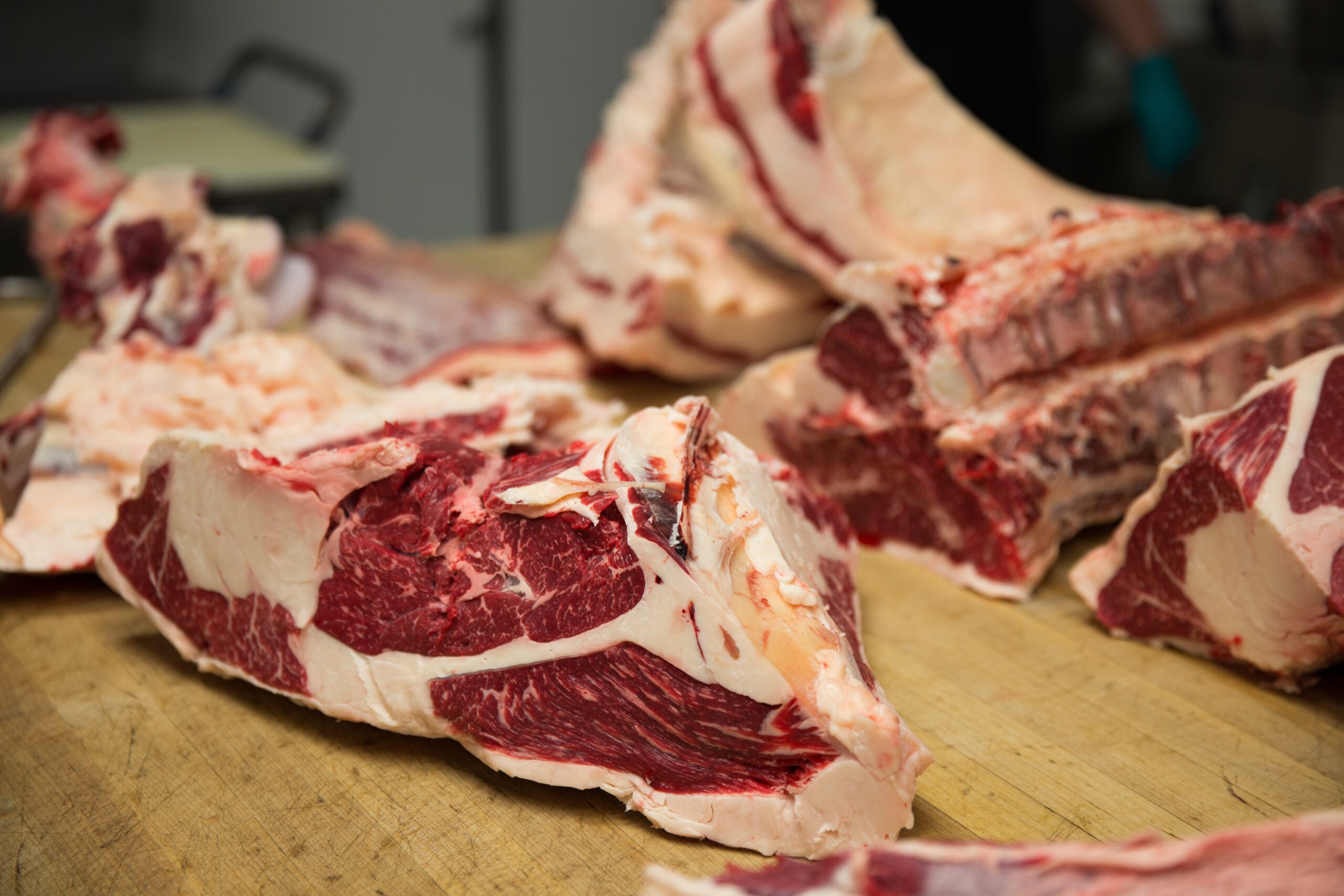
At the heart of the classic version was a chuck roast, often described here as Alberta beef, the cut that could stand up to hours of gentle braising. Chuck was not chosen because it was trendy or expensive. It was chosen because slow cooking could transform a hard-working cut into something tender and rich.
That mattered on the Prairies, where a roast needed to feed a table and reward patience. The beef brought the base flavor, but also the collagen that would slowly melt during cooking. That natural change is what gave the finished roast its full, silky body.
Vegetables from the same farm
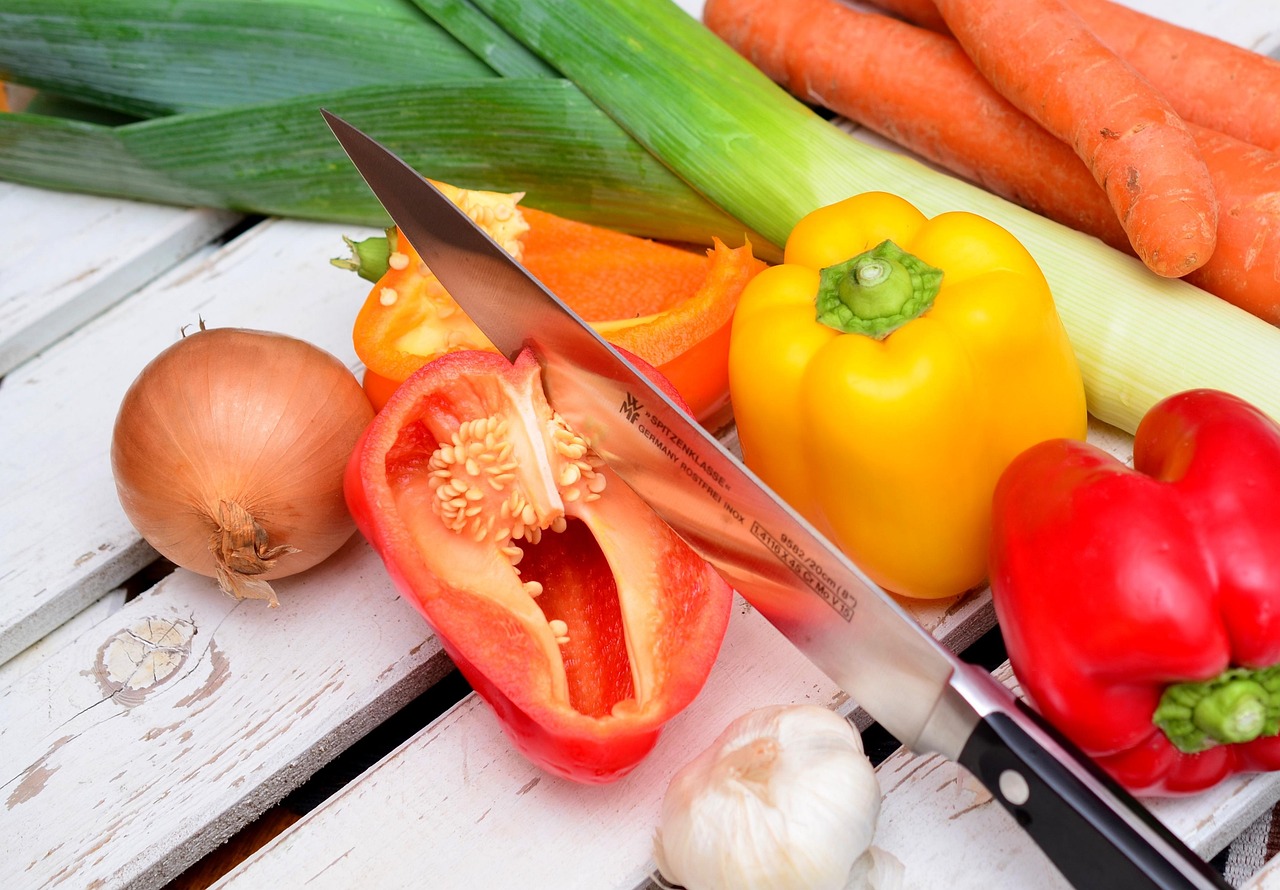
The supporting cast was as practical as the beef: garden carrots, onions, garlic and new potatoes. In the traditional Prairie version, these were not decorative extras added at the last minute. They were part of the identity of the dish, reflecting the farm-based cooking that shaped many Canadian family meals in the 1960s.
Each vegetable contributed something different to the braise. Onions and garlic deepened the savory base, carrots added sweetness, and new potatoes absorbed the juices while keeping their shape. Cooked together, they created a one-pot meal that felt complete without needing side dishes to rescue it.
The deglazing step that changed everything
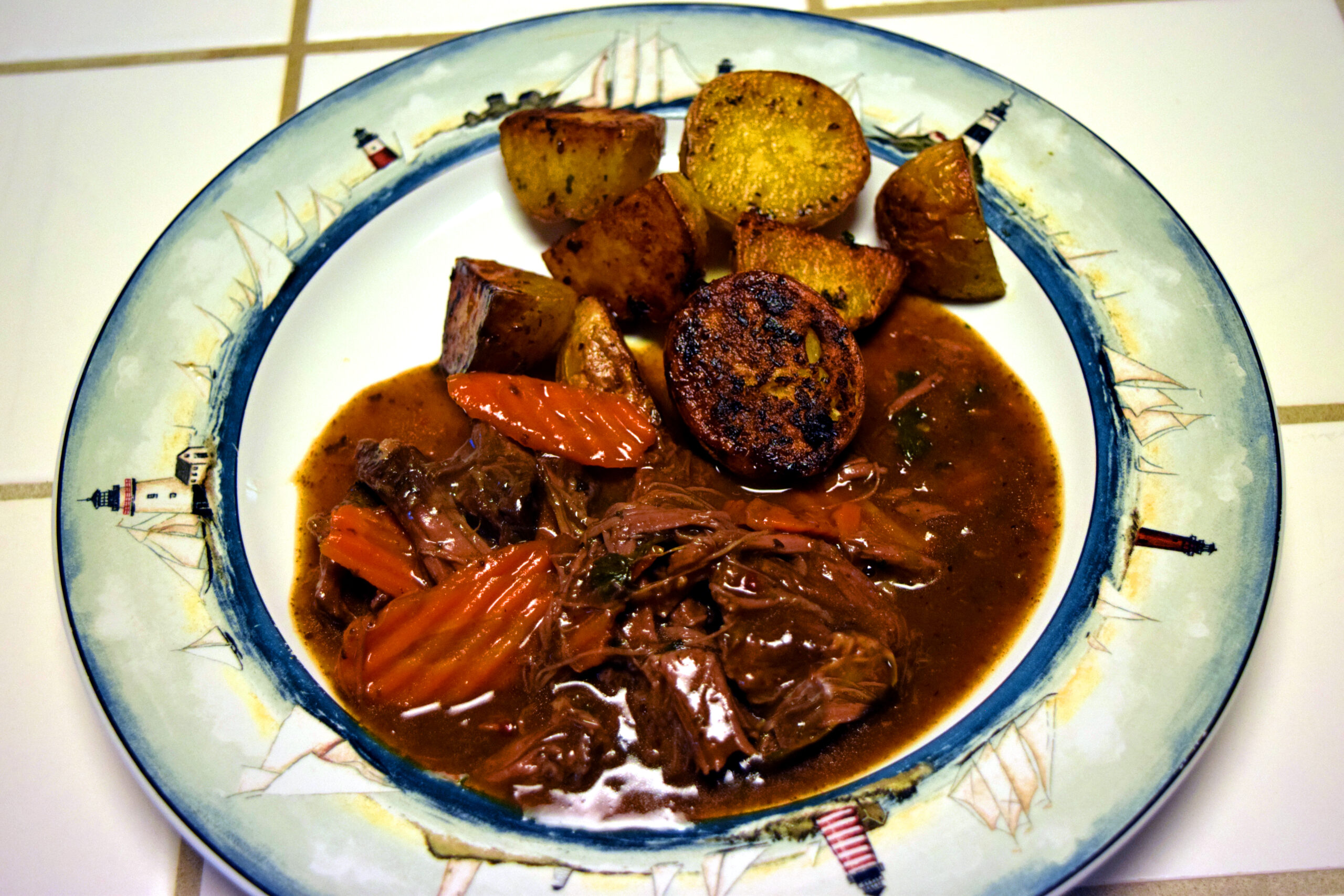
One of the most important old-school techniques came after browning, when the pan was deglazed with red wine or brandy. That simple step lifted the browned bits left behind by the meat, dissolving concentrated flavor straight into the cooking liquid. It is a small move with a big payoff.
This is also where the 1960s version begins to separate itself from many streamlined modern recipes. Deglazing adds depth that water alone cannot provide. Red wine brings acidity and fruit, while brandy adds warmth and a rounder edge, both helping the final sauce taste layered rather than flat.
Why the low oven mattered
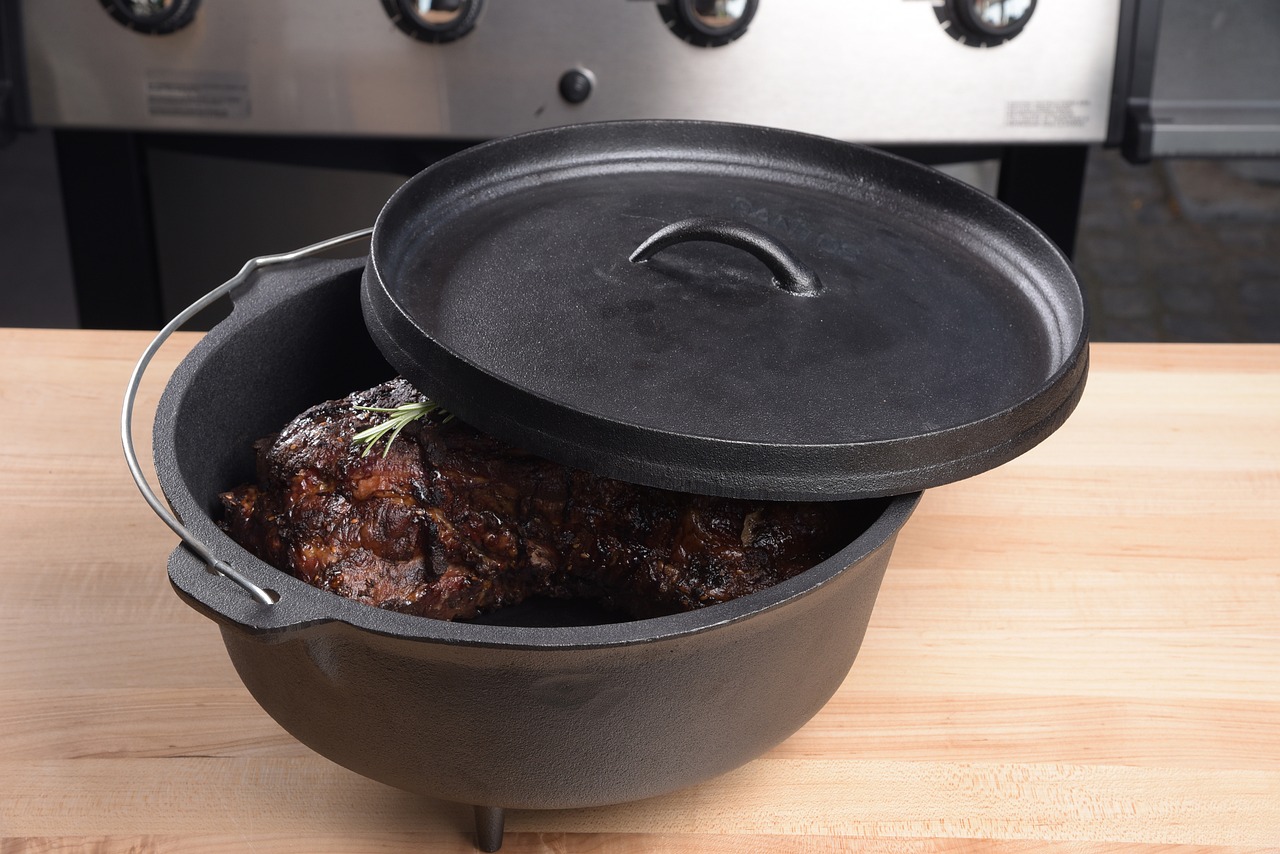
The classic method called for cooking the chuck roast at 250-300°F for hours. That temperature range is central to the recipe's reputation. Instead of pushing the meat to finish quickly, it gave time for connective tissue to gradually soften.
That process is the science behind the texture people remember so fondly. Collagen in the beef slowly breaks down into natural gelatin during a long, low braise. The result is meat that does more than pull apart. It turns supple and moist, with a melt-in-the-mouth quality that high-speed roasting does not easily recreate.
The canning jar gravy trick
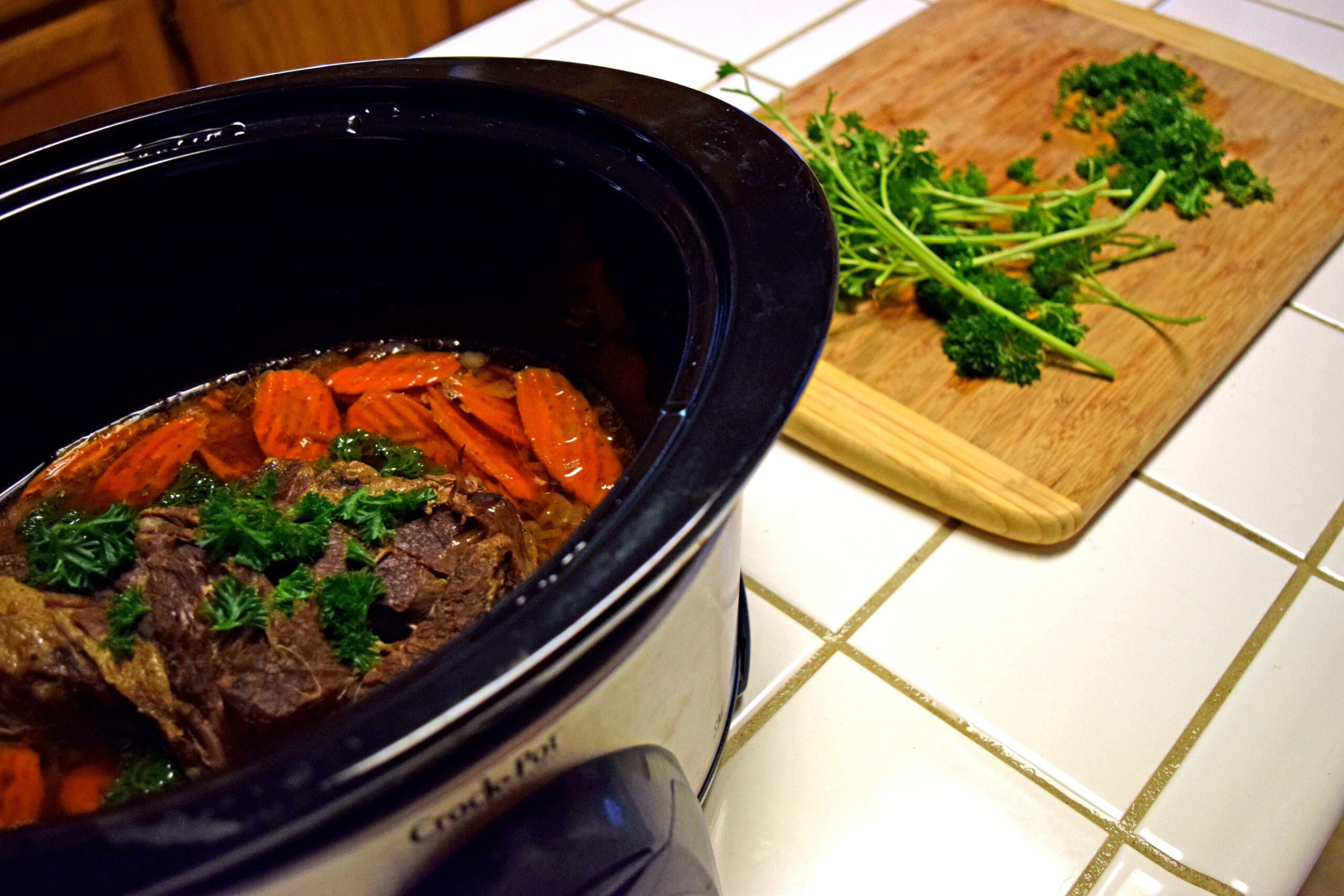
The gravy method was as practical as it was effective. Flour and water were shaken together in a canning jar, then whisked into the pan juices. This helped prevent lumps and made it easy to control the thickness without opening a packaged mix.
More importantly, the gravy carried the full flavor of the roast itself. It picked up the beef drippings, the deglazing liquid and the sweetness released by the vegetables. Compared with a store-bought gravy packet, the result was usually richer, darker and more closely tied to everything that had been cooking in the pan for hours.
Why it still outshines modern shortcuts
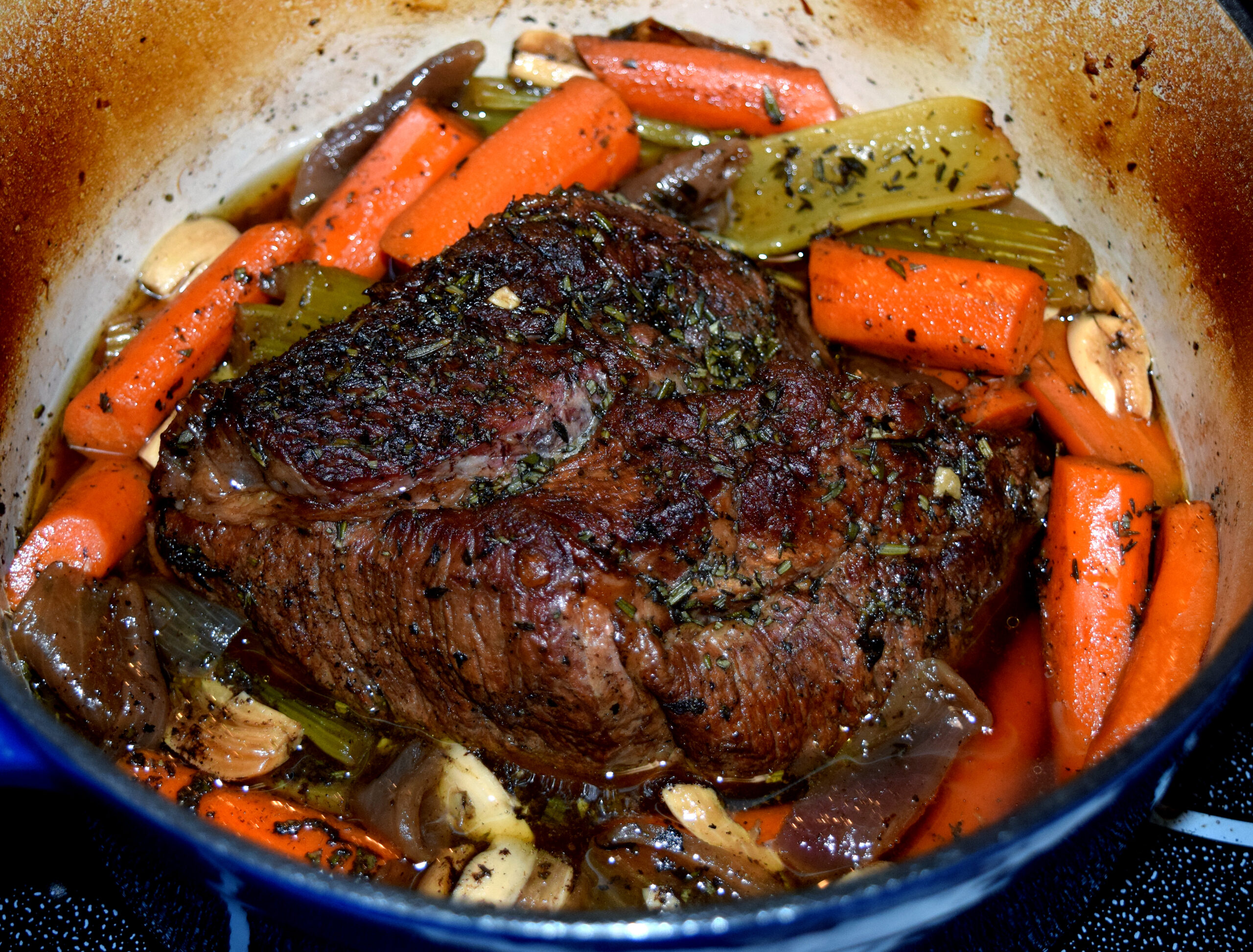
Many modern pot roast recipes aim for convenience, often using hotter temperatures or shorter cooking times. That can still produce a decent meal, but it changes the final character. Speed tends to emphasize tenderness in a narrow sense, while the older Prairie method built tenderness, body and sauce at the same time.
That is why the 1960s Canadian version still stands out. Its strength came from technique, not nostalgia alone: a chuck roast, low heat, red wine or brandy, farm vegetables and gravy made from real pan juices. Put together, those choices created a pot roast with a depth many modern versions still struggle to match.




Leave a Reply