
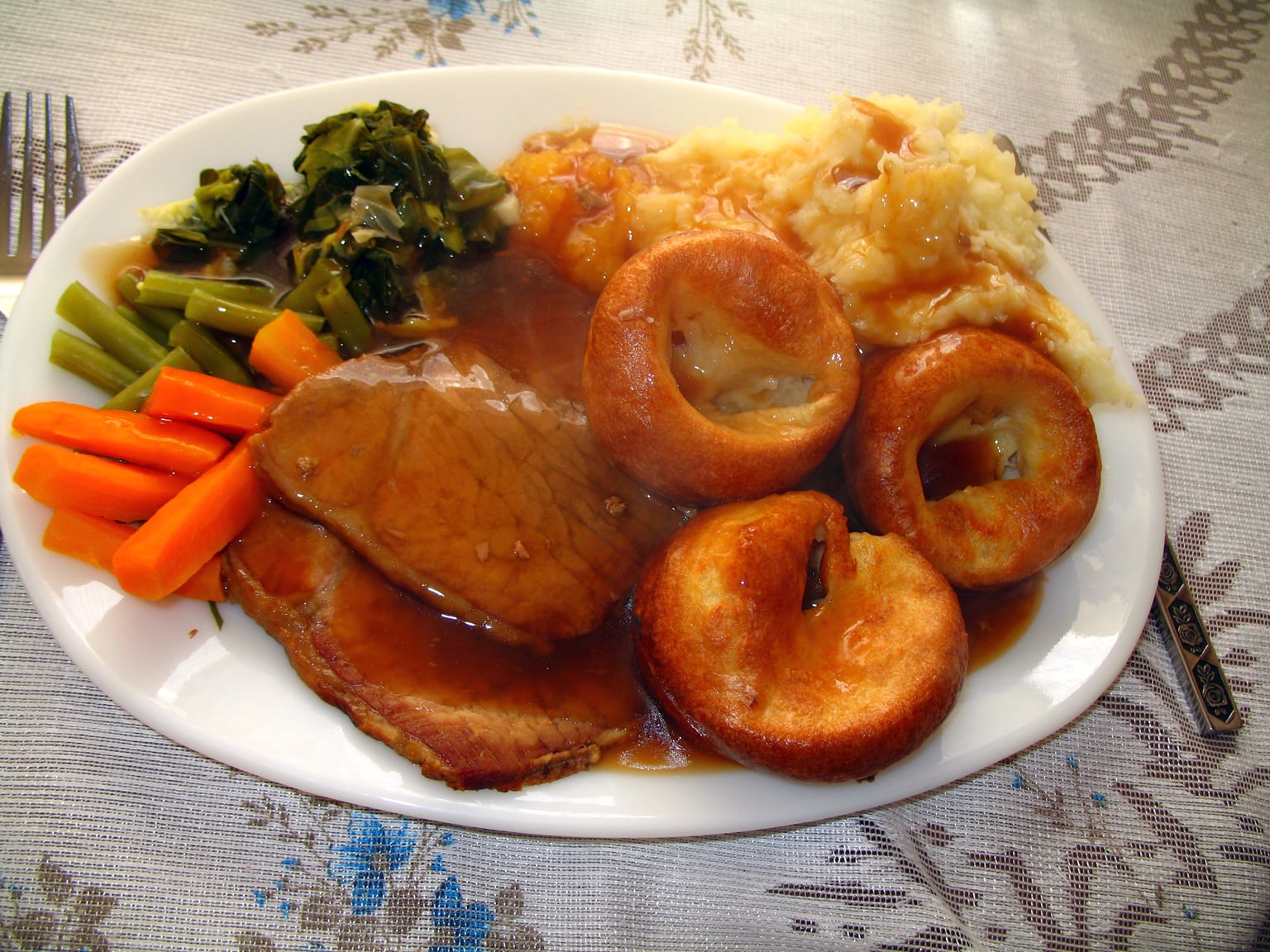
For generations, the Canadian Sunday roast was less a special occasion meal than a dependable weekly system. Built around roast beef, Yorkshire pudding, root vegetables, and gravy, it fed a table of six from one pan and asked for far less hands on work than its reputation suggests.
Roast beef at the center
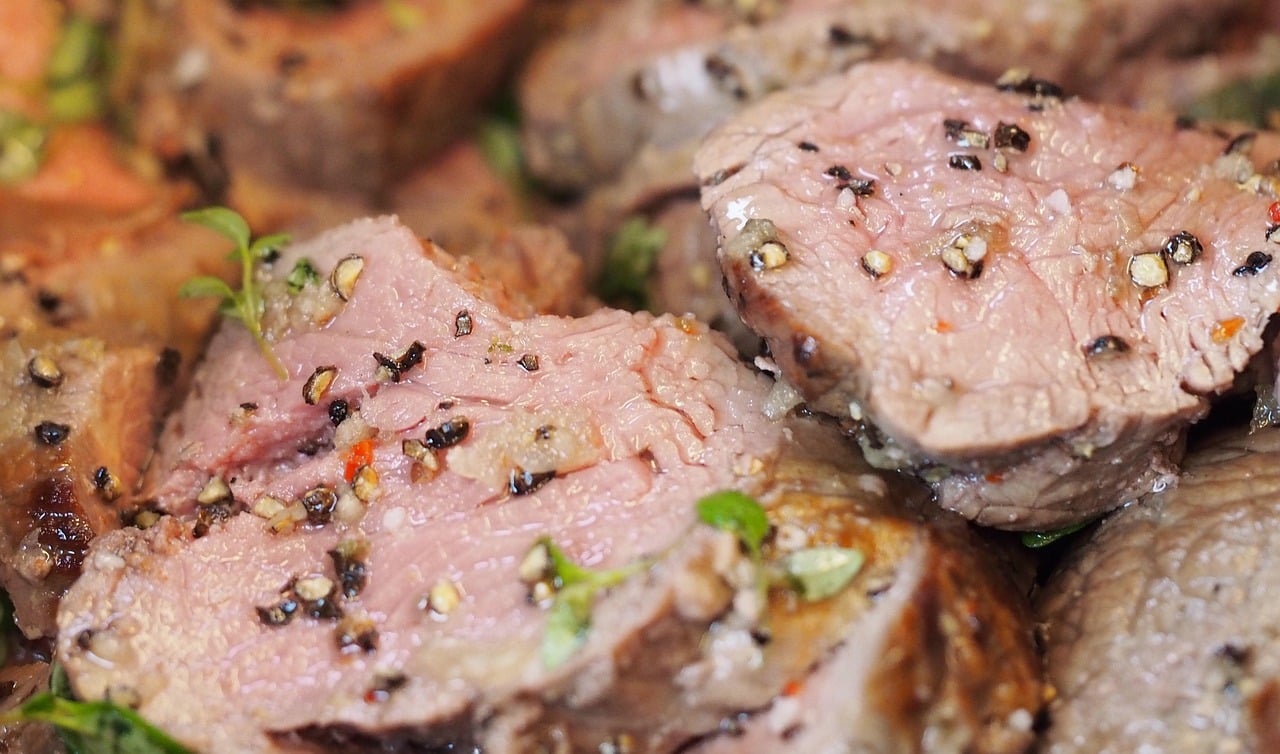
The classic Canadian Sunday roast came straight from British settler cooking, and its centerpiece was roast beef. English food traditions had a deep influence on Canadian home cooking, especially in households where a roast marked the most substantial meal of the week.
What made the dish practical was not luxury but scale. One beef roast could feed a large family in a single sitting, then stretch into leftovers for sandwiches or reheated plates the next day.
That economy matters now because the basic logic still holds. A single roast can produce multiple portions with about 20 minutes of active prep, which helps explain why this old meal is being viewed again through the modern lens of batch cooking.
Yorkshire pudding made it a meal
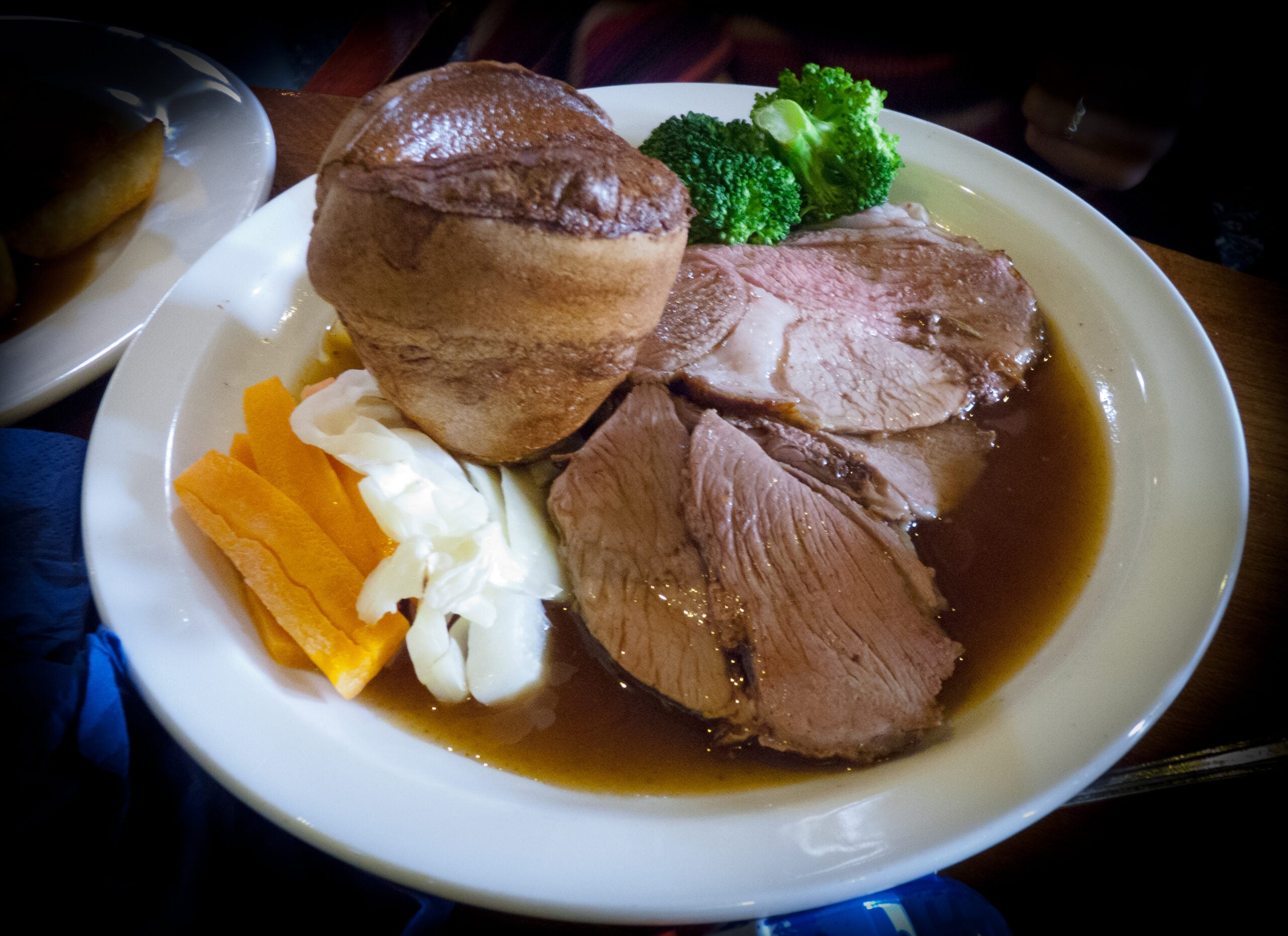
Yorkshire pudding gave the roast its unmistakable shape on the plate. Despite the name, it is not a dessert but a simple batter of eggs, flour, and milk baked in hot fat until it rises and crisps.
In Canadian homes shaped by British tradition, it served an important purpose. It turned meat drippings into something filling and satisfying, helping smaller amounts of beef feel like a full family dinner.
That is one reason the meal delivered value beyond the roast itself. The pudding used inexpensive pantry staples, soaked up gravy beautifully, and added bulk to the plate without requiring another expensive main dish.
Root vegetables did the heavy lifting
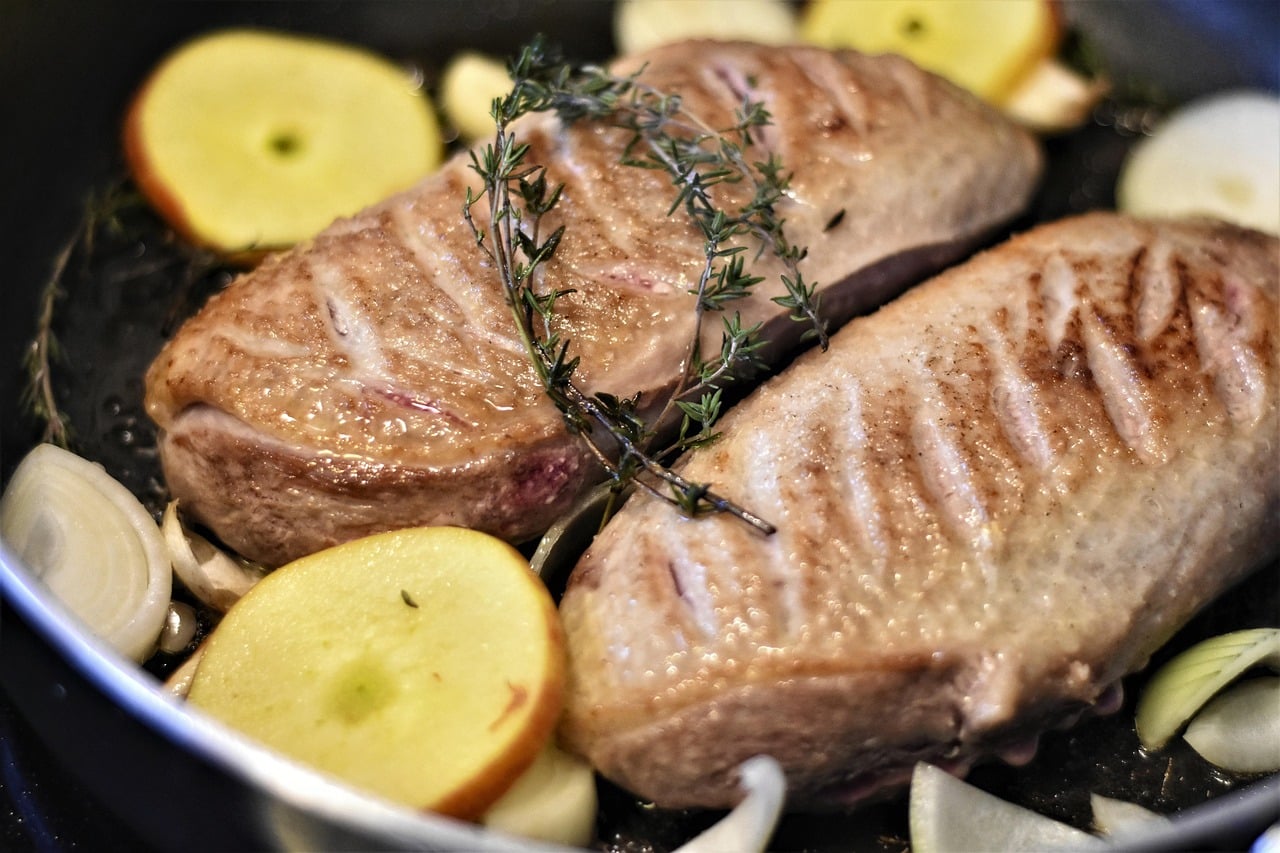
The vegetables were rarely an afterthought. Potatoes, carrots, onions, and other sturdy roots roasted alongside the beef or in the same oven, becoming sweet, browned, and deeply savory from the surrounding drippings.
This was efficient home cooking in its clearest form. One oven handled the entire meal, and one pan often did most of the work, which kept cleanup manageable even for a dinner meant to feed six people.
That all in one structure is part of why the roast functioned so well as a weekly anchor. It offered hearty portions, familiar flavors, and a sense of abundance without asking the cook to juggle several separate dishes on the stove.
Gravy tied everything together
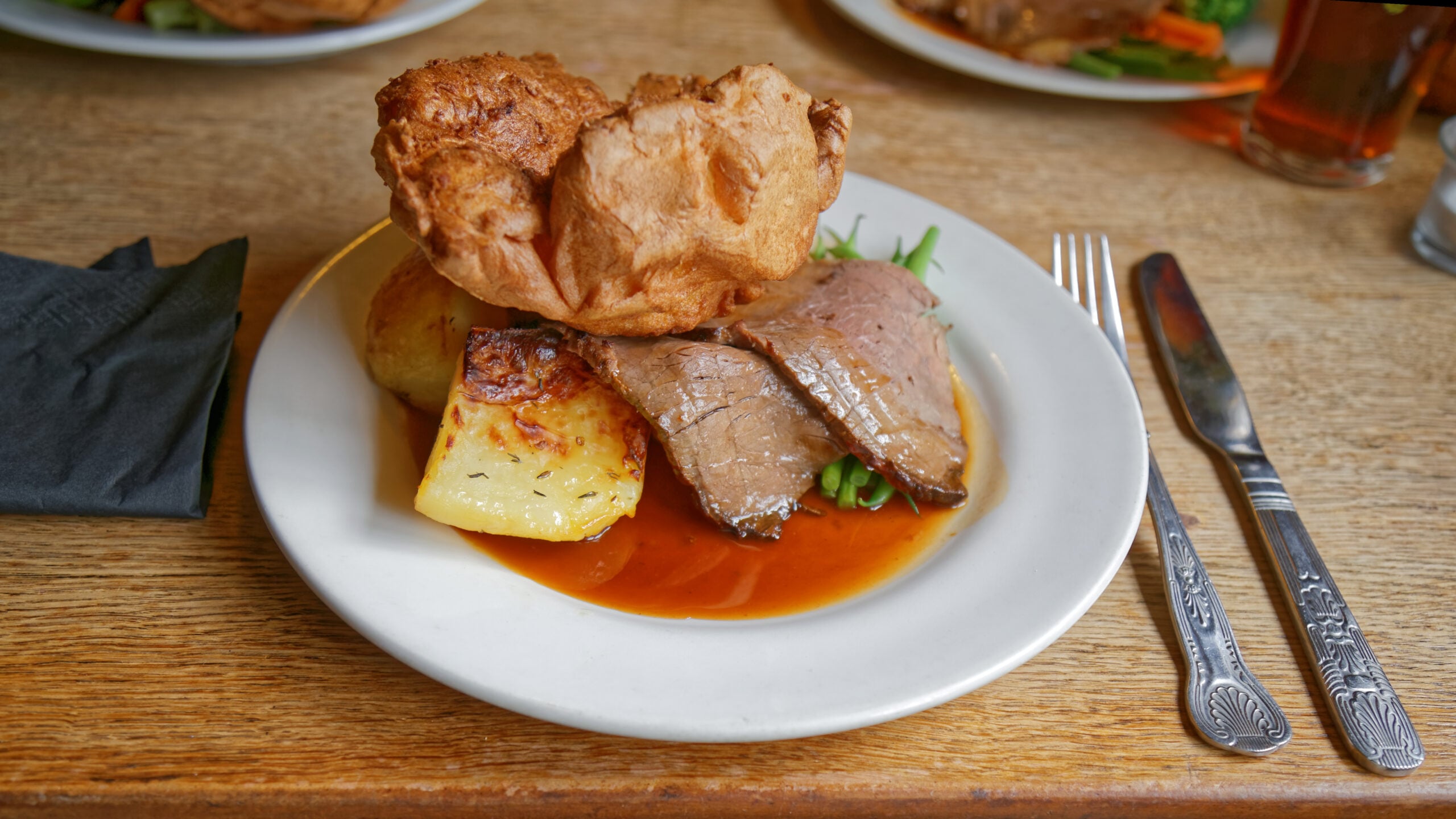
The thick gravy was more than a finishing touch. It was made from the roast's drippings, turning what collected in the pan into the flavor that connected the beef, Yorkshire pudding, and vegetables.
This detail helps explain why the Sunday roast felt complete in a way simpler meat and potato meals sometimes did not. Gravy brought moisture, richness, and the distinct taste of a long cooked dinner without adding much extra cost.
It also reinforced the meal's frugal design. Instead of wasting the drippings, cooks built the sauce from them, making the entire roast feel resourceful, satisfying, and especially suited to families watching their grocery budget.
Why the ritual faded in the 1990s
The meal did not disappear because it stopped making sense on the plate. It faded because the rhythm of family life changed, especially by the 1990s, when longer working hours and more two income households left less time for slow weekend rituals.
The rise of Sunday shopping also mattered. As Sundays became less protected as a day for staying home, the shared meal that once gathered everyone around the table lost its fixed place in the week.
That shift was cultural as much as culinary. The roast had been the anchor meal, the one dinner when everyone was expected to sit down together, and once schedules scattered, even practical traditions could slip away quickly.
Why Canadians are looking at it again
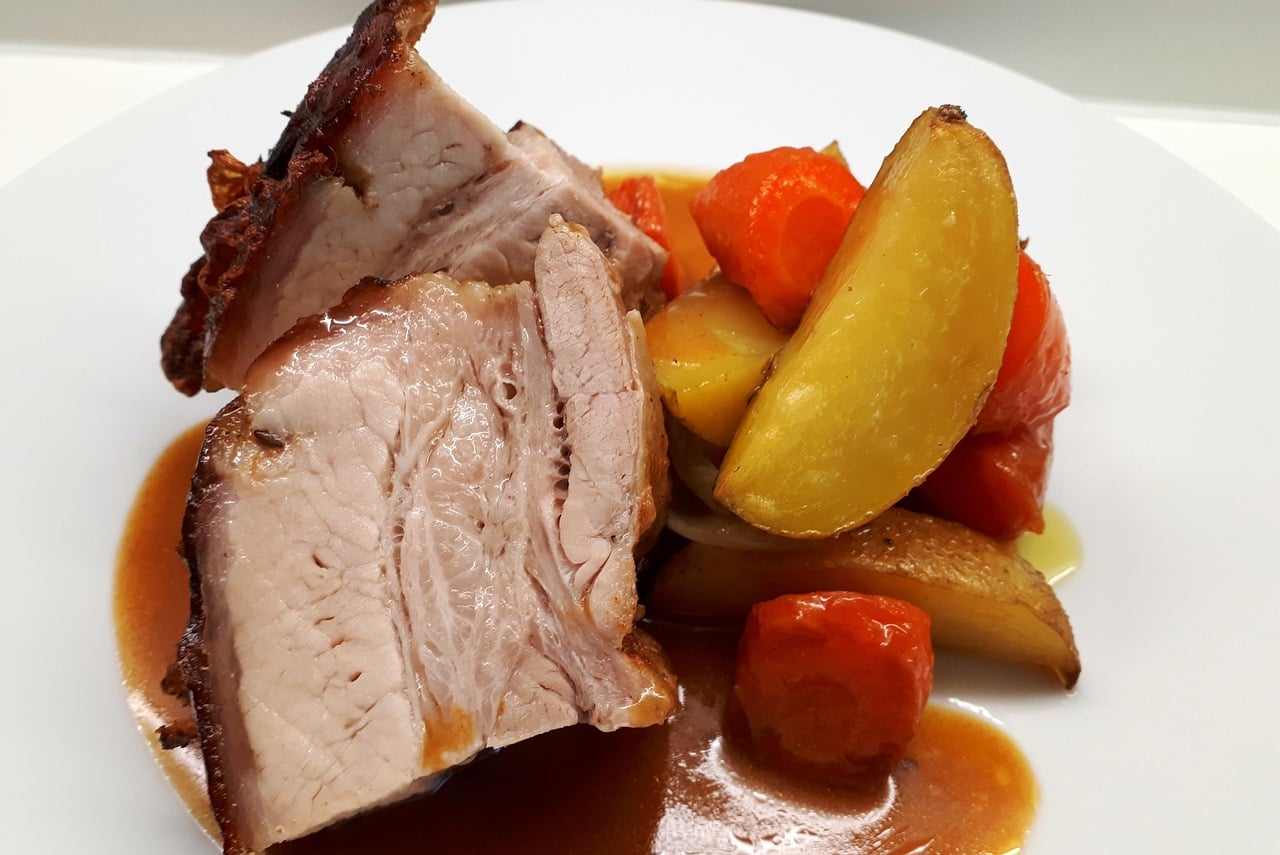
The Sunday roast is getting a fresh look for the same reason it lasted so long in the first place. It is economical, straightforward, and built to feed a group, qualities that line up neatly with today's interest in meal prep and batch cooking.
Its appeal is easier to see when compared with takeout. A roast that serves six from one pan can work out cheaper per serving than many restaurant deliveries, while still leaving leftovers that extend its value.
Most important, the workload is often misunderstood. The meal needs time in the oven, but only about 20 minutes of active preparation, which makes it feel less like a lost ritual and more like a practical modern dinner waiting to return.




Leave a Reply