
Some Canadian packaged foods built loyal followings in the United States, then quietly vanished from store shelves. These six products show how recipes, regulations, ownership changes, and shifting demand can turn a familiar cross border snack into a memory.
Smarties
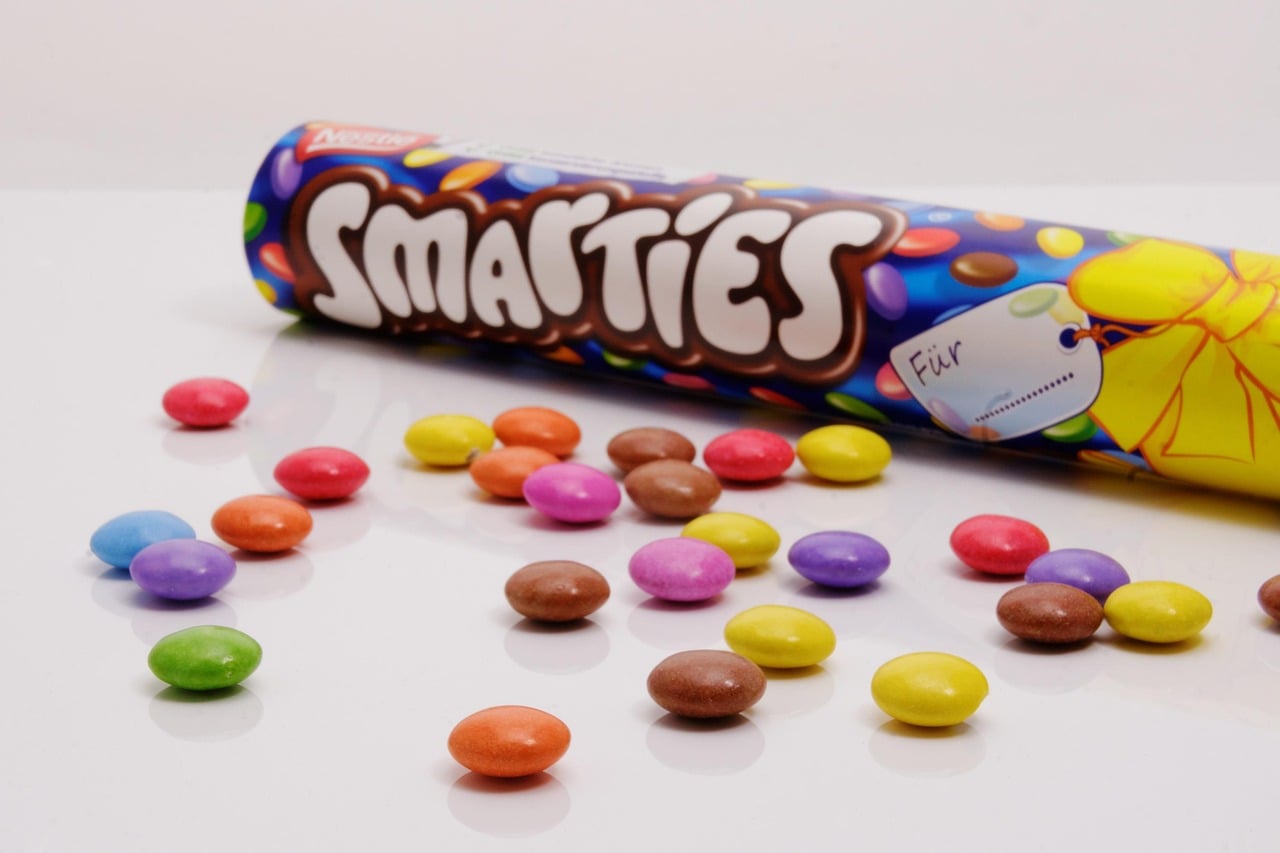
In Canada, Smarties are candy coated milk chocolate pieces made by Nestlé. In the United States, that name belongs to a different candy entirely, the chalky fruit flavored tablet rolls made by Smarties Candy Company. That trademark split has kept the Canadian version largely out of regular US retail channels for years.
The result is a small but real border mystery for American shoppers who expect one candy and discover another. Canadian Smarties still show up in specialty shops and import stores, but they are not a standard US supermarket item. For many travelers, they remain one of the clearest examples of a Canadian treat that never secured a lasting mainstream place in the American market.
Coffee Crisp
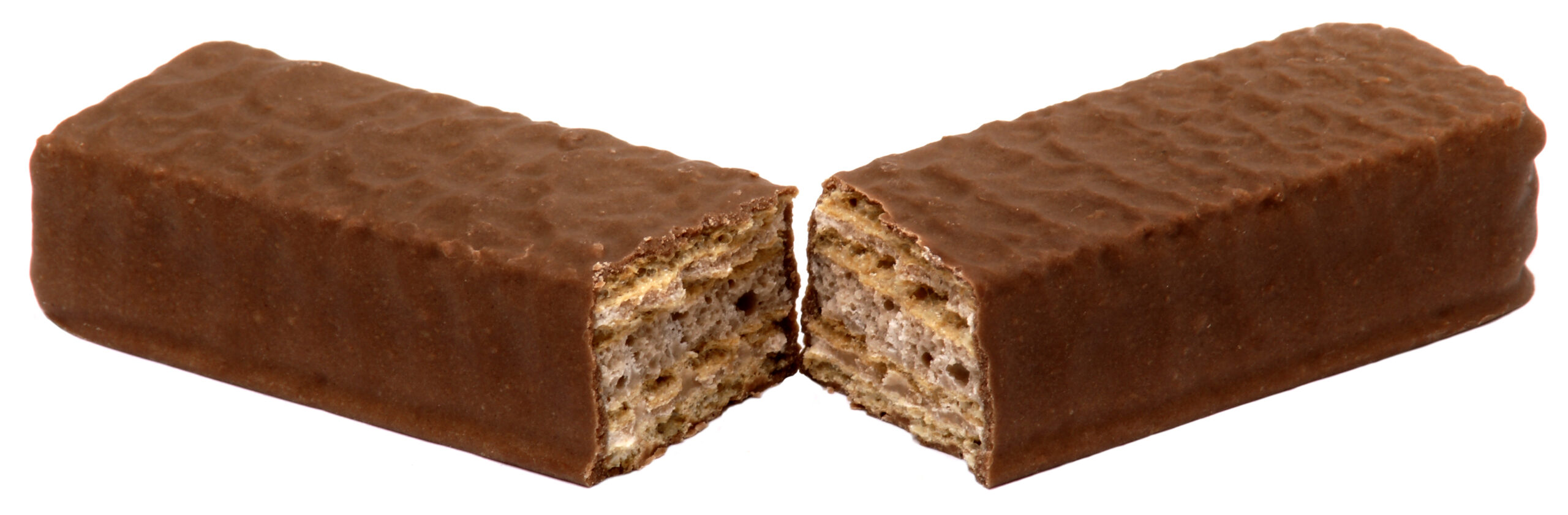
Coffee Crisp has been a familiar Canadian chocolate bar for decades, made by Nestlé and built around thin wafer layers with a coffee flavored candy filling. Its taste is much lighter than many US bars, and that difference helped it become a cult favorite among Americans who tried it while visiting Canada.
Nestlé did test the US market more than once, including limited runs in select regions. Even so, Coffee Crisp never became a permanent national item in the United States. It is still easy to find in Canada, but in the US it survives mostly through import retailers, Canadian themed shops, and online specialty sellers rather than through the big candy aisles.
Kraft Peanut Butter in the US market
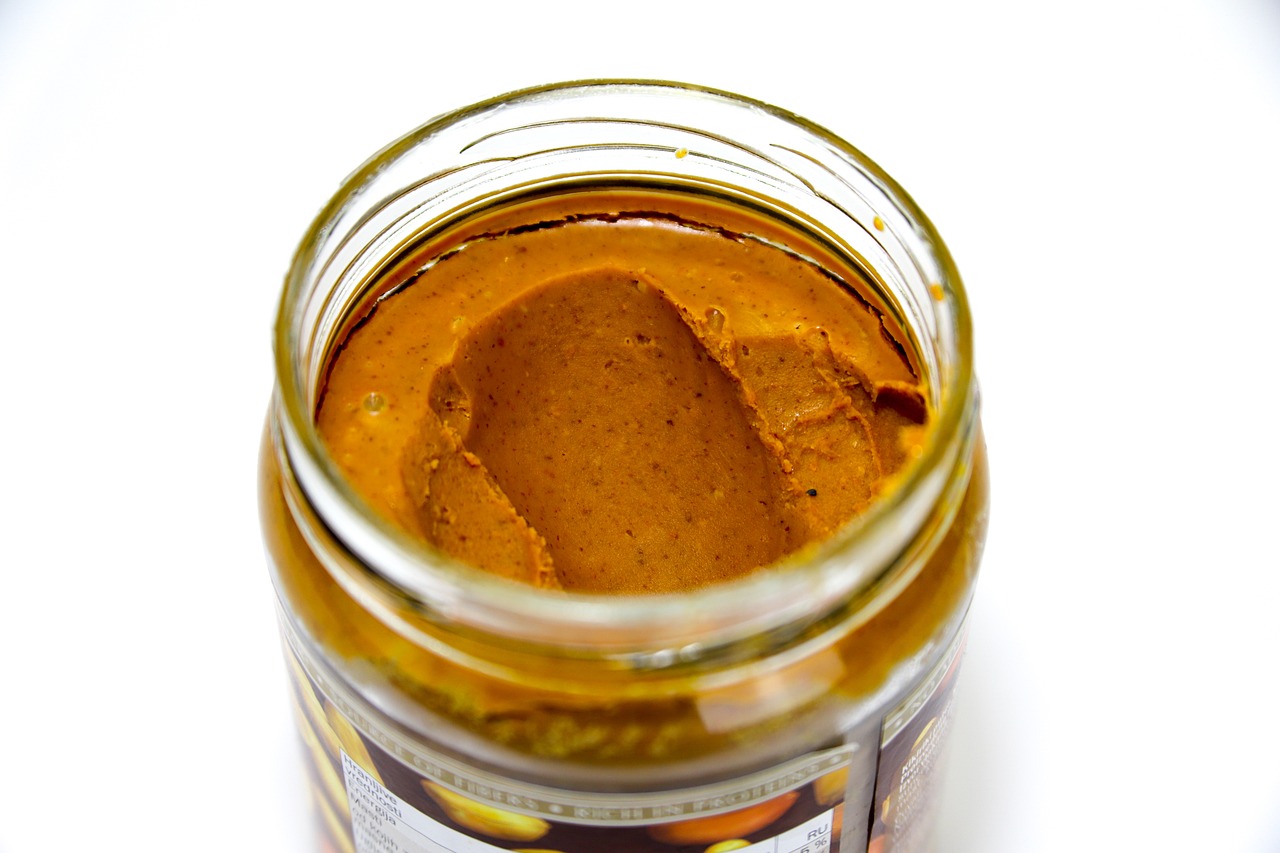
Kraft Peanut Butter is one of the most recognized grocery products in Canada, known for its broad jar, bright label, and long standing place in Canadian kitchens. For many Canadians, it carries the same familiarity that Jif or Skippy does in the United States. That kind of national attachment did not translate into a lasting American presence.
The product has not remained a regular offering in US grocery chains, where the peanut butter aisle is crowded and deeply brand loyal. American shoppers can still encounter it near the border or through specialty import channels, but it is no longer part of a broad US retail footprint. Its absence says a lot about how hard it is for even a dominant domestic brand to crack a neighboring market.
Swiss Chalet sauce
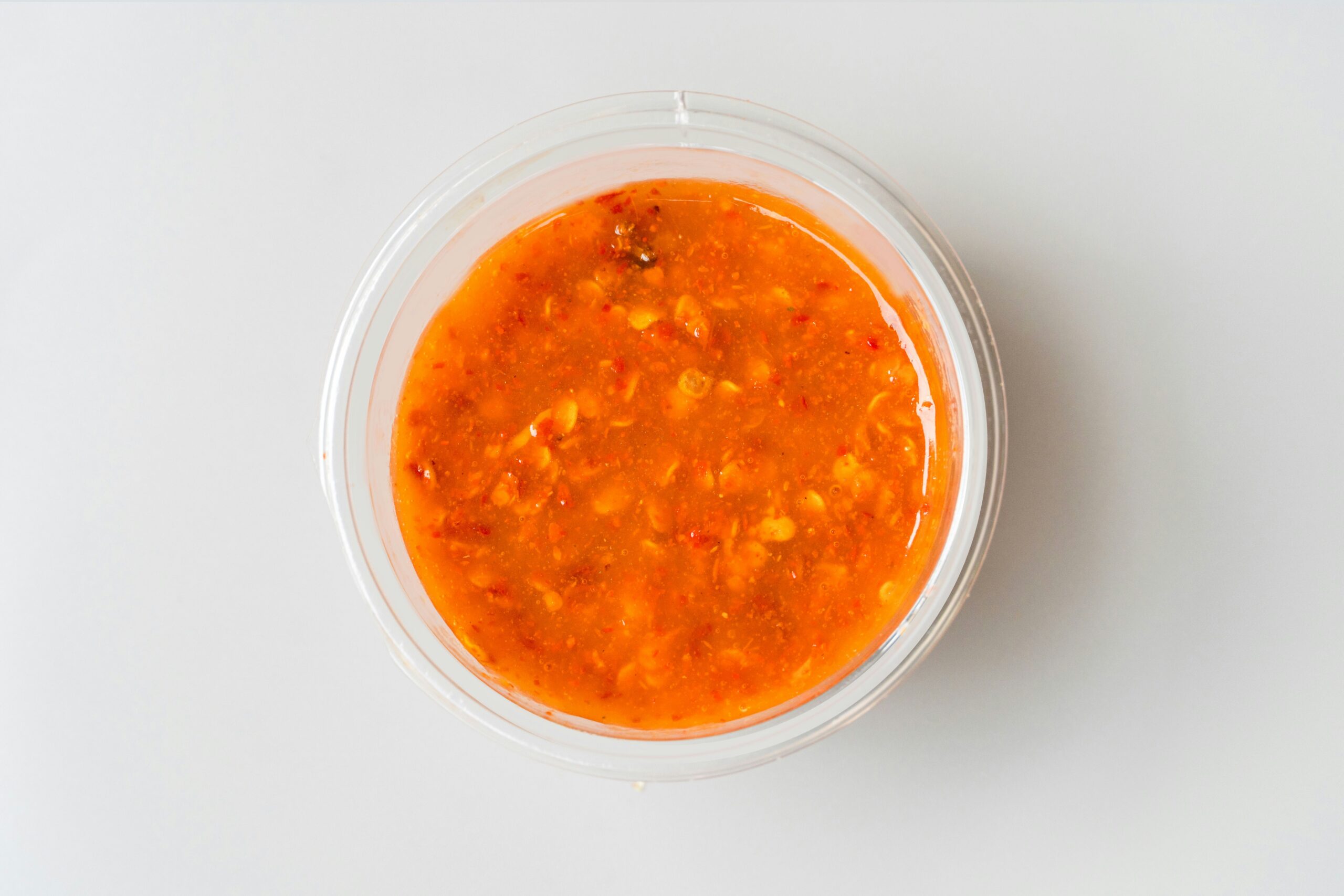
Swiss Chalet is best known in Canada as a rotisserie chicken chain, but its signature dipping sauce also became a grocery product with a fan base of its own. The sauce has a savory, seasoned profile that Canadians often pair with chicken, fries, and stuffing. For homesick expats, it became one of the most searched out Canadian pantry items.
While packets and canned versions have turned up in parts of the United States, they have not held a dependable national shelf presence. Distribution has been inconsistent, and many buyers now rely on import stores instead of ordinary supermarkets. That makes Swiss Chalet sauce less a mainstream US grocery item and more a taste of Canada that Americans usually have to seek out deliberately.
Hostess Hickory Sticks

Hickory Sticks are thin, crunchy potato sticks with a smoky seasoning, sold in Canada under the Hostess brand, which is owned by PepsiCo Foods Canada. They are a classic lunchbox and road trip snack north of the border. Their texture sets them apart from standard potato chips, and many visitors remember them long after trying them.
Products like this have appeared in the US only in scattered ways, not as a stable nationwide snack staple. That matters because potato sticks do exist in America, but Hickory Sticks as Canadians know them are not a common sight in major US chains. Their status shows that even a simple snack can stay strongly tied to one country's grocery culture.
President's Choice The Decadent Chocolate Chip Cookie
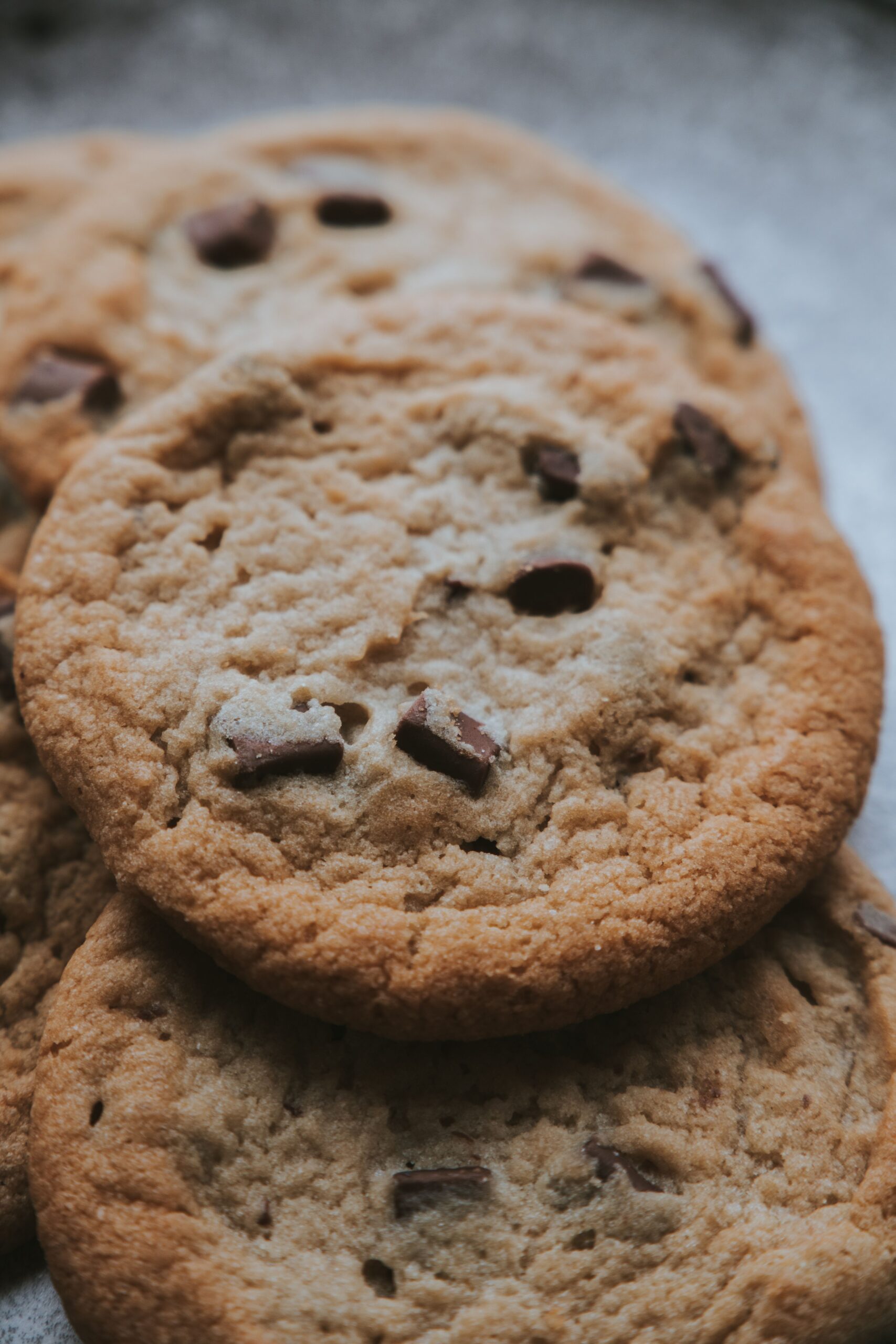
President's Choice built a reputation in Canada for private label products that felt more ambitious than standard store brands. Few examples are more famous than The Decadent Chocolate Chip Cookie, launched with a focus on large chocolate chips and a richer style than many packaged cookies of its era. It became one of the banner products for the brand.
In the United States, President's Choice had periods of retail presence through partnerships, but that footprint faded over time. As those arrangements changed, products like The Decadent stopped being familiar US shelf items. The cookie still carries weight in Canada, where it remains part of a larger story about how a supermarket house brand turned everyday groceries into destination products.


Leave a Reply