
For years, Canadians defended it with a shrug. Now the world's most influential chefs are treating it like culinary heritage.
From roadside snack to national punchline

Poutine began in rural Quebec in the late 1950s, most commonly linked to Warwick, Drummondville, and Victoriaville, where diners first combined fries, fresh cheese curds, and hot gravy. The exact origin remains disputed, but the formula was unmistakably working-class. It was cheap, filling, and built for casse-croûtes, truck stops, and hockey-town counters.
Outside Quebec, however, the dish spent decades being treated as a joke. To many foreigners, it looked like a culinary dare rather than a serious plate of food. Even some Canadians saw it as something faintly embarrassing, a messy late-night indulgence that confirmed every stereotype about heavy northern eating.
That image stuck through the 1980s and 1990s as chains commercialized it. Frozen fries, rubbery curds, and overly salty gravy turned a regional specialty into fast-food shorthand. The problem was not the idea itself. It was the low-quality imitation that many people encountered first.
Why the dish was misunderstood for so long

At its core, poutine is deceptively strict. Proper fries need enough structure to hold gravy without collapsing. Fresh curds should squeak against the teeth, a sign of recent production, and the gravy must be hot enough to soften the curds slightly without fully melting them into sauce.
When any one of those parts is wrong, the result becomes exactly what critics mocked. Soggy potatoes, shredded cheese, and bland brown gravy create a dish that feels heavy rather than balanced. That failure happened often outside Quebec, where access to same-day cheese curds was historically limited.
Food historians and chefs have noted that dishes rooted in laboring-class culture are often dismissed until elite institutions reinterpret them. Poutine followed that pattern. Like ramen in the United States or regional Italian peasant dishes before them, it was underestimated because of where it came from, not because of what it could be.
The chefs who reframed poutine as craft

The turning point came when serious Canadian chefs stopped apologizing for it. Instead of distancing themselves from poutine, they began refining it through technique, ingredient sourcing, and regional identity. House-cut potatoes, stock-based gravies, and dairy-fresh curds restored the dish's original logic.
Restaurants across Montreal, Toronto, and Vancouver helped change the conversation by treating poutine with the same rigor they applied to any classic preparation. Duck confit poutine, braised short rib versions, and seasonal mushroom gravies were not gimmicks when executed thoughtfully. They showed that the dish could absorb culinary ambition without losing its soul.
International recognition followed as Michelin expanded in Canada and global diners became more interested in local food histories. Fine-dining kitchens began to see poutine as a platform for precision and memory. In that setting, it transformed from guilty pleasure into edible cultural shorthand.
What Michelin-starred versions do differently

The best restaurant versions do not simply make poutine expensive. They improve fundamentals. Potatoes may be double-fried in beef fat for deeper flavor and a crisp shell, while gravy is often built from reduced veal, chicken, or mushroom stock with layered aromatics rather than powder-thickened sauce.
Cheese matters most. Michelin-level kitchens seek curds with the right moisture, salinity, and elasticity, often sourced from top Quebec dairies. Some chefs adjust temperature and plating carefully so the curds soften at the edges while still retaining their distinct shape and bite.
Luxury additions can appear, but restraint separates thoughtful cooking from parody. Foie gras, lobster, black truffle, or aged beef can work if they serve the structure rather than bury it. The strongest versions still taste recognizably like poutine, not a chef showing off over fries.
Why diners now see it as cultural pride
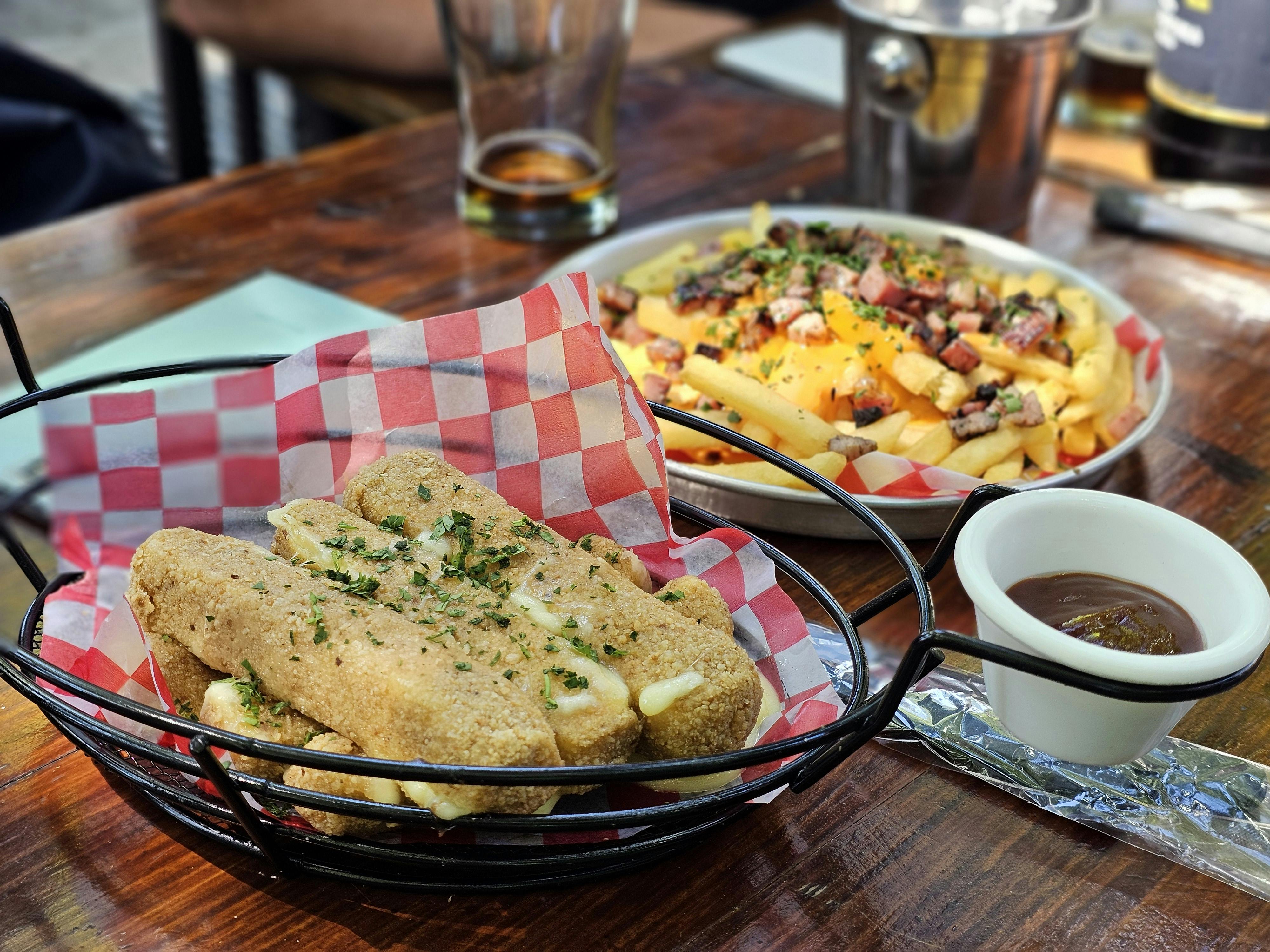
Poutine's rise reflects a broader shift in how people value national and regional dishes. Diners increasingly want foods with story, place, and emotional legitimacy. In that climate, poutine offers all three, carrying Quebecois roots, roadside nostalgia, and a distinctly Canadian refusal to overcomplicate comfort.
It also benefits from changing ideas about what counts as sophisticated. Fine dining no longer depends solely on French formalism or visual austerity. Many top restaurants now elevate familiar foods by honoring technique and provenance, which gives dishes like poutine a more natural route into high-end settings.
For Canadians, that change has emotional weight. A dish once used as shorthand for excess or bad taste is now discussed in terms of terroir, dairy quality, stock-making, and regional identity. That is not just rebranding. It is a public correction.
The dish's future on the global table
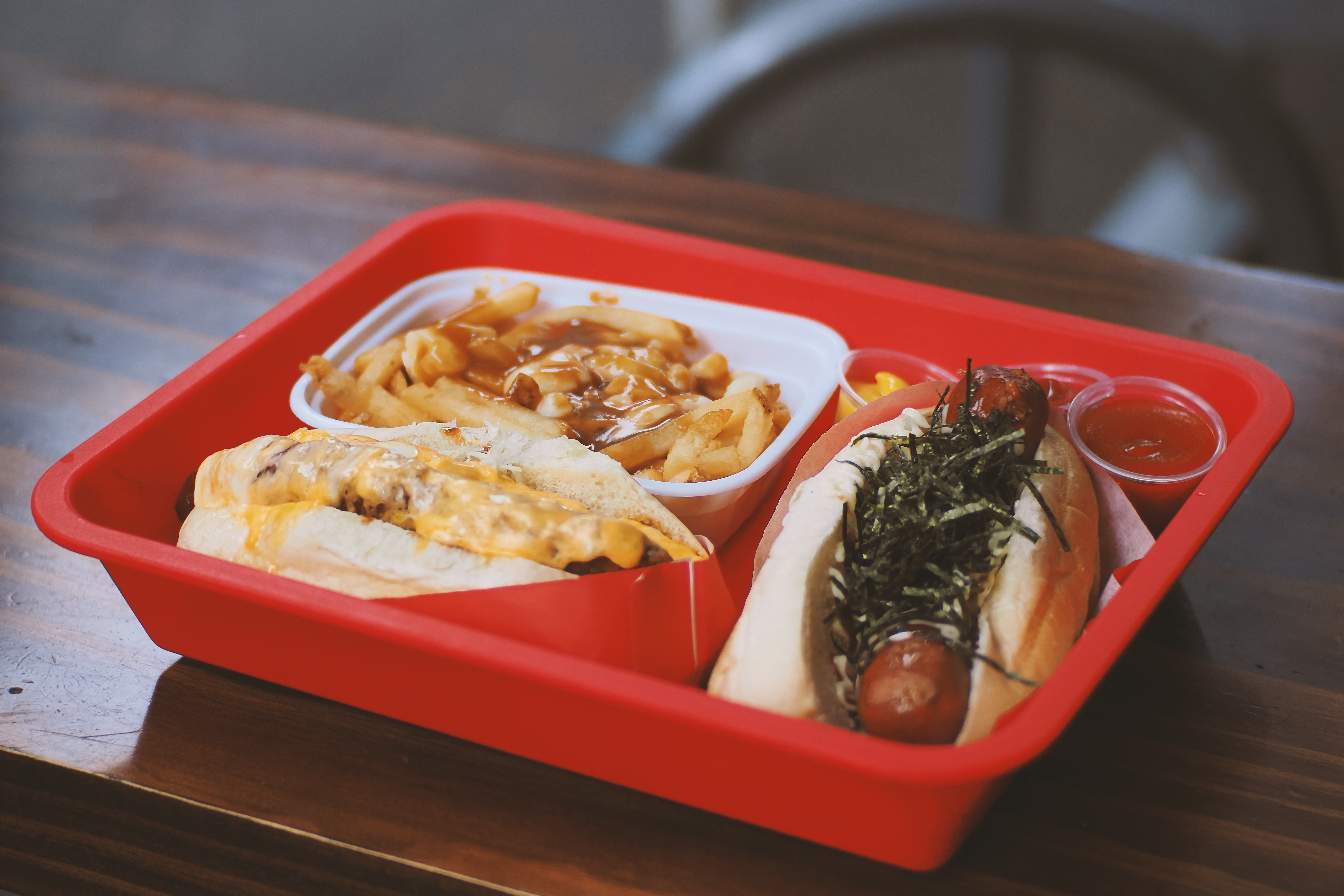
Poutine is unlikely to become a universal luxury staple, and that is probably for the best. Its power lies in contrast: humble ingredients treated with unusual care. If it becomes too ornamental, it risks losing the rough-edged pleasure that made it beloved in the first place.
Still, its international journey says something important about modern food culture. Dishes once dismissed as lowbrow can gain prestige when people understand their history and when chefs respect their fundamentals. Poutine did not need reinvention so much as honest execution.
That is why its arrival in Michelin-starred restaurants matters. It signals that culinary worth is no longer decided only by old hierarchies. Sometimes the food that once made a country cringe becomes the food that best explains who it is.



Leave a Reply