
A quick scan of a menu QR code can now promise a whole biography for your dinner. The bigger question is whether that biography is hard proof, clever branding, or a little of both.
Why blockchain suddenly showed up on the menu

For years, restaurants sold stories about origin with phrases like farm-to-table, line-caught, and pasture-raised. Blockchain enters that same territory with a sharper claim: not just that a steak came from somewhere admirable, but that every handoff can be logged and verified.
That promise matters because diners have grown more skeptical. Food fraud is a real global business, from mislabeled seafood to counterfeit premium ingredients. Industry groups and regulators have repeatedly warned that supply chains are long, fragmented, and surprisingly easy to manipulate when records still depend on paper trails or isolated databases.
Into that trust gap steps blockchain, which is essentially a shared digital ledger. In food systems, companies use it to record events such as slaughter dates, packing locations, cold-chain temperatures, shipping transfers, and distributor receipts. The restaurant then turns those records into a consumer-facing sticker, QR code, or menu badge that signals transparency.
What the technology can actually prove
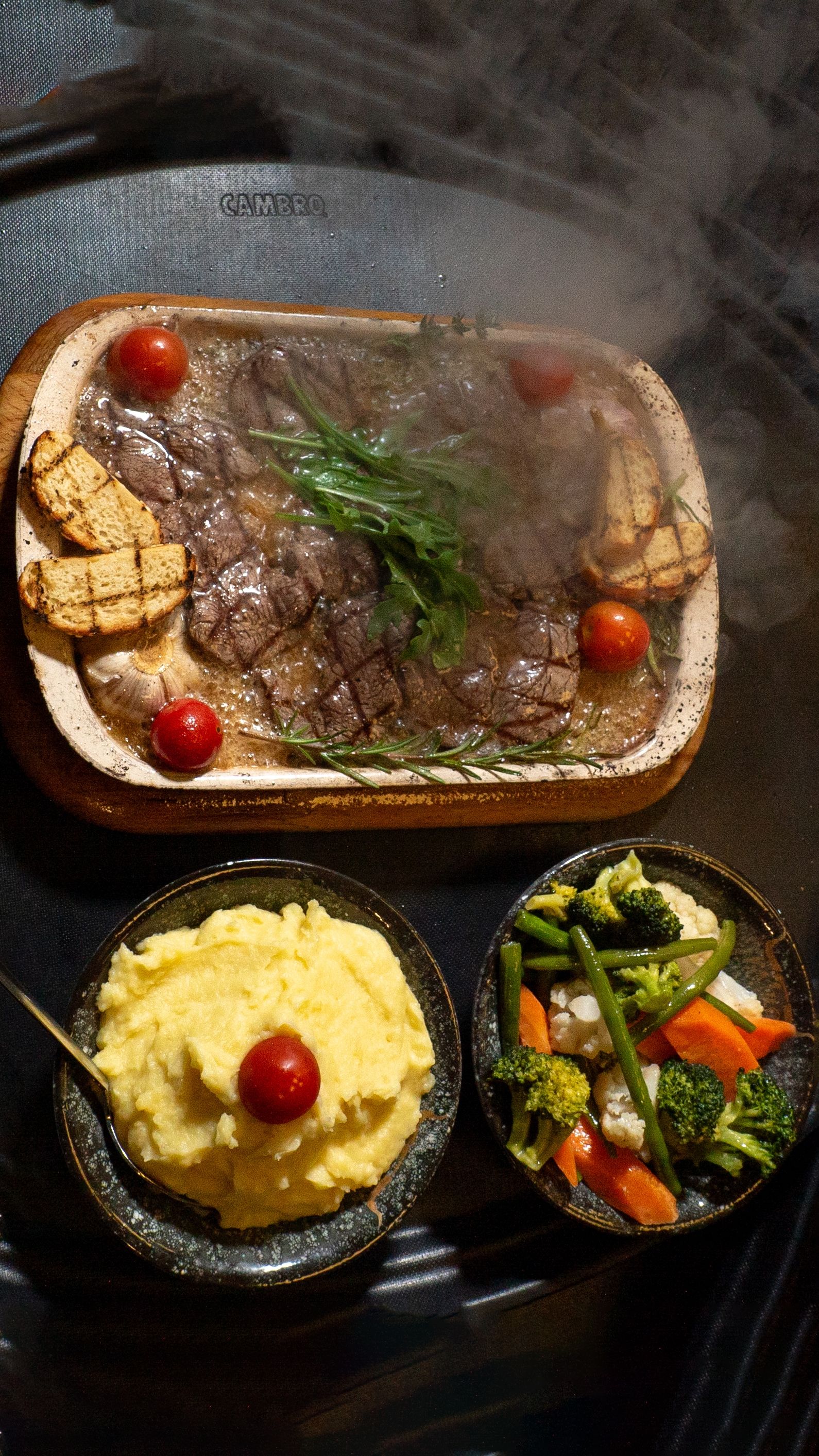
The strongest case for blockchain is traceability, not magic. If every participant enters accurate information at each stage, the system can create a tamper-resistant chain of custody that is faster to audit than scattered spreadsheets, invoices, and emails.
This has obvious operational value during recalls. Walmart's widely cited food traceability pilots showed how quickly product origins could be tracked compared with traditional methods, helping push the broader food industry toward better digital records. Similar logic applies to restaurants buying high-value meat, seafood, and produce from multiple suppliers.
Still, blockchain only protects the record after information is entered. It does not guarantee that the cow was truly grass-fed, that the animal welfare claim was honest, or that a supplier did not upload bad data in the first place. In plain terms, a beautiful ledger can preserve a lie just as efficiently as it preserves the truth.
Why restaurants love the label anyway

The restaurant business runs on margins, mood, and meaning. A blockchain sticker does more than document supply chains; it creates a premium experience by telling guests that this meal has an auditable backstory, which can justify a higher price and reinforce a brand's identity.
That is especially useful in upscale steakhouses and chef-driven casual concepts, where provenance already carries financial weight. Japanese wagyu, regenerative beef, heritage pork, and day-boat seafood all benefit from a narrative of rarity and care. Blockchain adds a modern, data-rich layer to the same old art of menu seduction.
There is also a public relations upside. In an era of food safety anxieties, climate scrutiny, and labor concerns, being able to say "scan and see the chain" sounds responsible and forward-looking. Even when customers never scan, the visible presence of the label itself can function as a trust badge.
Where the story gets slippery

Not every blockchain claim is equal, and consumers rarely see the weak points. Some systems cover only one segment of the journey, such as processing or shipping, while the menu language can imply full cradle-to-plate transparency. That gap between scope and impression is where marketing starts to outrun substance.
Another issue is verification. Independent audits, certification bodies, temperature sensor data, and supplier inspections can strengthen a blockchain record. Without those external checks, the diner is often being asked to trust a proprietary platform built by the same businesses that benefit from the claim.
There is also the problem of comprehension. Most guests do not know whether they are looking at a public blockchain, a private ledger, or simply a branded traceability database using fashionable language. For many consumers, blockchain has become shorthand for authenticity, even when the actual evidence remains thin.
What useful transparency really looks like
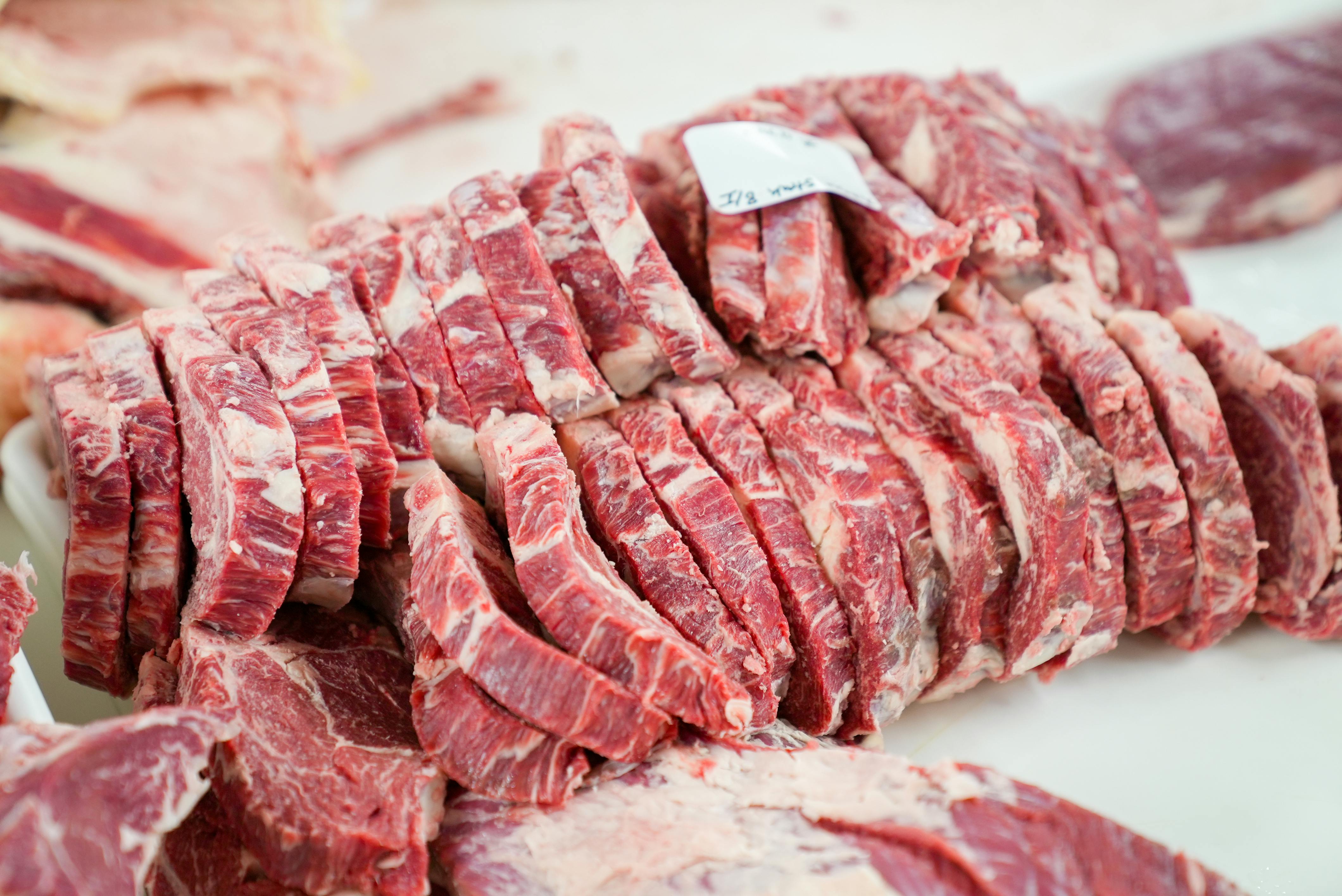
Real transparency is less flashy than a sticker but more valuable. It includes plain-language sourcing details, named farms or ranches, harvest or packing dates, independent certifications, animal welfare standards, and clear explanations of what is and is not being tracked.
The best systems pair digital records with physical controls. Tamper-evident seals, batch numbers, cold-chain monitoring, DNA testing in some seafood and meat categories, and surprise audits all address the old computing rule of "garbage in, garbage out." Technology works best when it supports verification instead of replacing it.
Restaurants that use these tools well do not oversell them. They train staff to answer questions honestly, distinguish between verified facts and supplier claims, and avoid implying that blockchain alone makes food safer, more ethical, or more sustainable. That restraint is often the clearest sign that the operation takes transparency seriously.
What diners should ask before buying the story
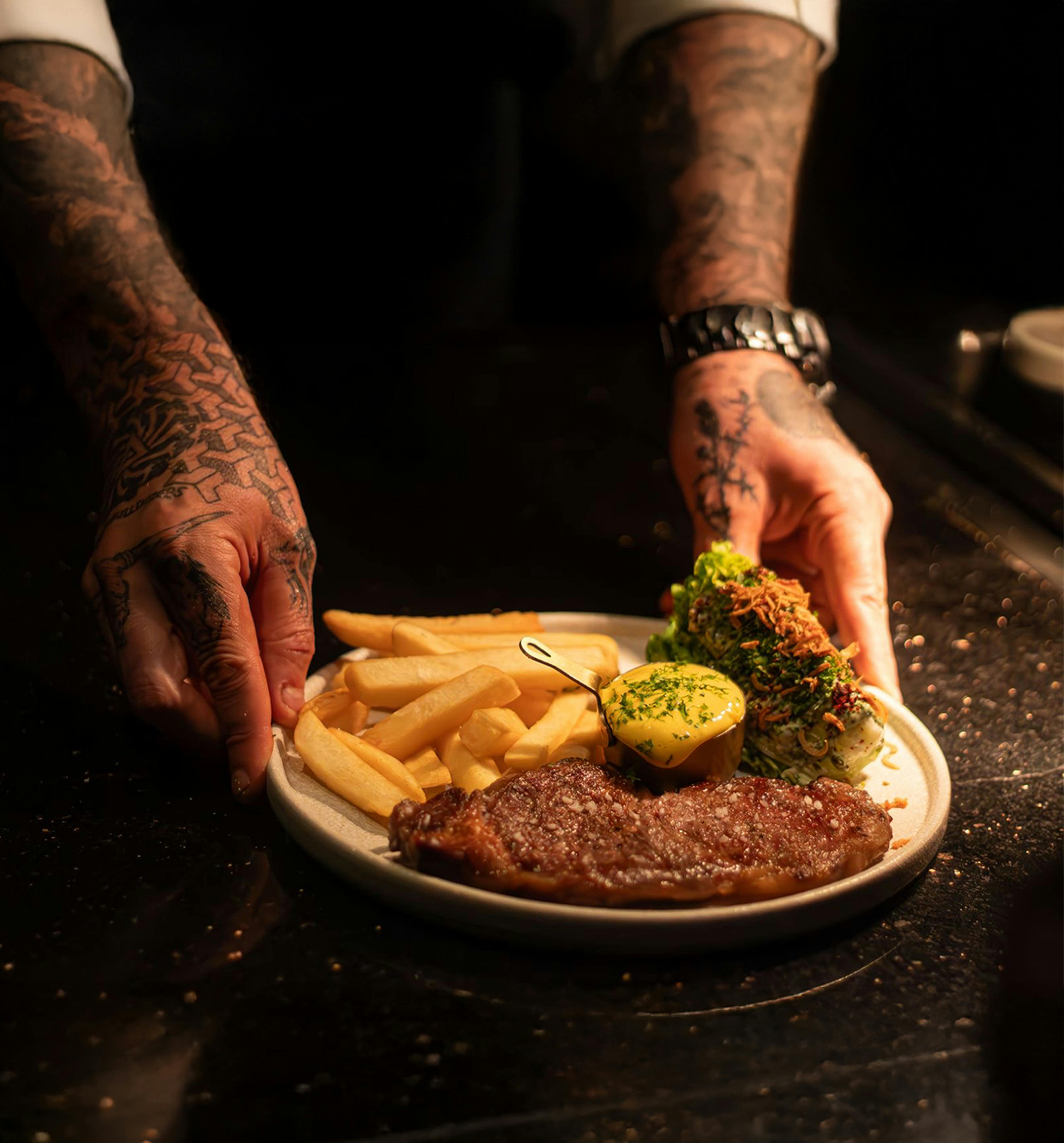
A smart diner does not need to be anti-technology. They just need to ask a few grounded questions: What exactly is being tracked? Who entered the data? Was any of it independently audited? And does the record cover the full journey or only one checkpoint along the way?
If the answers are specific, consistent, and easy to explain, the label may reflect a genuinely stronger supply chain. If the language stays vague, heavy on buzzwords, and light on verifiable detail, then the blockchain sticker is probably doing what restaurant marketing has always done: turning dinner into a story worth paying extra for.
That does not make the story worthless. People enjoy meaning with their meal, and provenance can matter deeply for safety, quality, and ethics. But diners should recognize the difference between transparency as evidence and transparency as theater, because the restaurant industry increasingly knows how to package both.
Leave a Reply