
The idea sounds futuristic, but it is already real. If you want to eat actual meat without slaughter, cultivated meat is the clearest path.
What cultivated meat actually is

At its core, cultivated meat is real animal meat grown from animal cells rather than cut from a slaughtered animal. Scientists take a small sample of cells, often from muscle or fat, and place them in a nutrient-rich environment where they multiply. Those cells grow into the same kinds of tissues that make chicken, beef, or pork recognizable on the plate.
That distinction matters because cultivated meat is not a plant-based imitation. It is also not synthetic protein assembled from unrelated ingredients. According to regulators in places such as Singapore and the United States, the goal is to produce biologically authentic meat with the same essential cell types people already eat.
Why it avoids animal killing

The most important advantage is straightforward: one small biopsy can produce a very large amount of meat. In principle, that means companies can keep collecting starter cells from living animals without turning those animals into food. The process does not eliminate all animal involvement today, but it can dramatically reduce slaughter when compared with conventional livestock production.
This is why many animal welfare advocates see cultivated meat as more than a niche food trend. Billions of chickens, pigs, and cattle are slaughtered globally each year, and even modest replacement could matter. A 2024 review in the scientific literature noted that the ethical promise of cultivated meat depends on reducing animal inputs across the full production chain, which remains a central industry target.
Why many experts see it as the best option

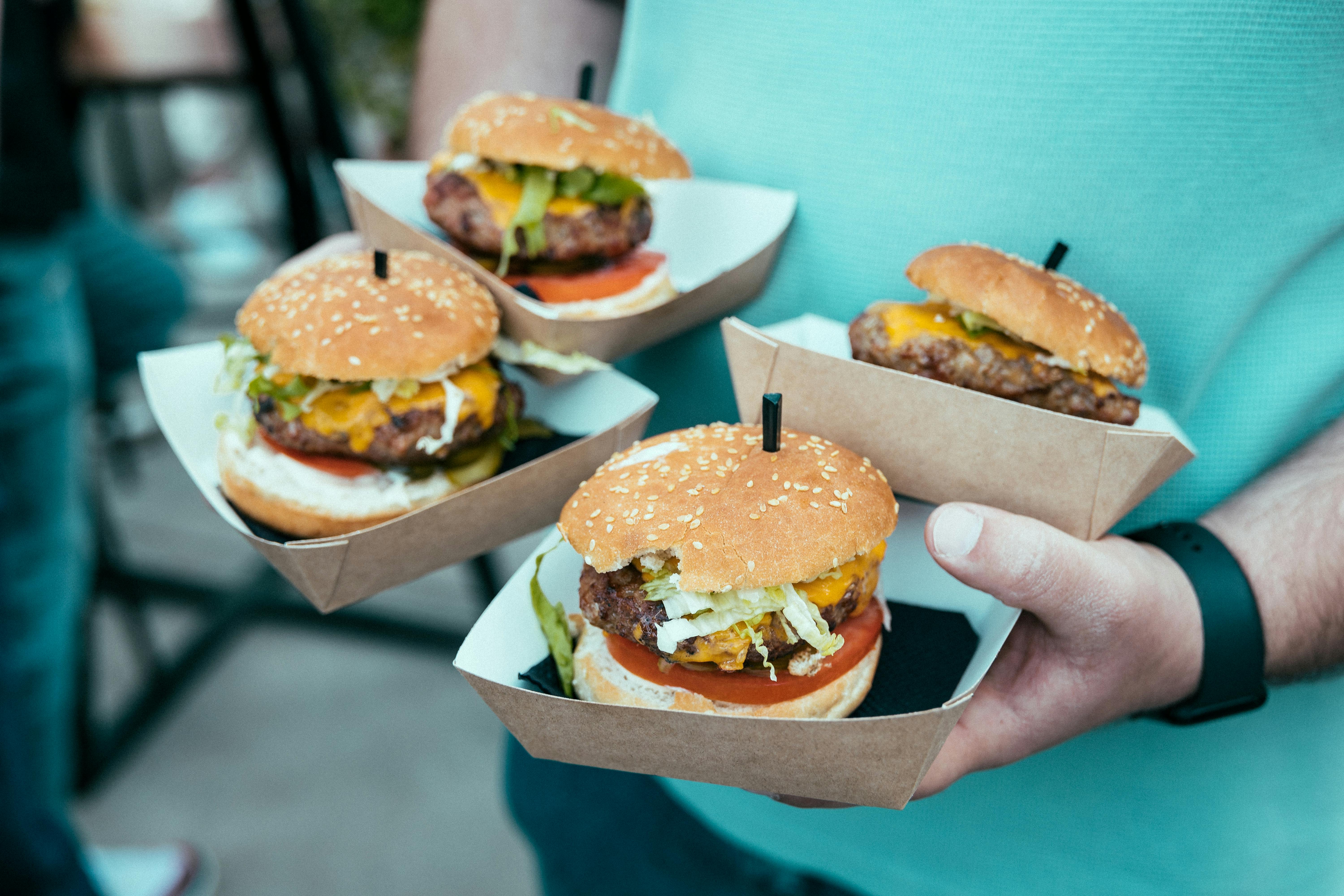
Here is the practical case: if someone wants the taste, texture, and cooking behavior of meat, cultivated meat addresses that demand better than substitutes do. Plant-based burgers can be convincing in some dishes, but they do not fully replicate whole muscle cuts, marbling, or rendered animal fat. Cultivated meat is designed to close that gap because it starts with animal cells themselves.
That makes it uniquely appealing to people who are unwilling to give up meat entirely. It can satisfy carnivores, flexitarians, and ethically conflicted consumers at once. Industry analysts and food scientists often describe this as the category's strongest advantage, because changing how meat is made may prove easier than asking the entire public to stop wanting meat.
The biggest challenges still in the way
The science has advanced quickly, but scale remains the hard part. Growing meat in controlled tanks requires sterile conditions, specialized growth media, and careful engineering to produce texture at commercial volumes. Chicken nuggets and blended products are easier than thick steaks, which need more complex structure and vascular-like support inside the tissue.
Cost is another obstacle. Early cultivated burgers famously cost enormous sums, though prices have fallen sharply over the past decade. Even so, most companies are still working toward mass-market affordability. Reuters and other outlets have reported that many firms are now focused less on hype and more on building manufacturing systems that can lower costs without compromising safety or flavor.
How it compares with other no-kill approaches
A different route is precision fermentation, which uses microbes to produce specific animal proteins such as whey or egg white without raising animals. That approach is already making an impact in dairy and ingredient markets. It is highly promising, but it does not usually create a full piece of meat in the way cultivated meat aims to do.
Plant-based foods also deserve credit because they are available now, often cheaper, and increasingly good. Yet for people specifically asking for real meat without killing animals, cultivated meat remains the most direct answer. It provides genuine animal tissue, not a look-alike. That is why it stands apart from every other option now competing for space in the future of food.
What the future likely looks like
The near-term future will probably be gradual rather than dramatic. Expect cultivated meat to appear first in limited products, premium restaurants, hybrid foods, and markets with supportive regulation. Companies are likely to blend cultivated fat with plant ingredients before offering many affordable whole-cut products, because fat delivers much of meat's flavor and can improve eating quality quickly.
Over time, success will depend on trust as much as technology. Consumers will want clear labeling, rigorous safety standards, and honest explanations of how the food is made. If producers can deliver meat that tastes right, costs less, and meaningfully reduces slaughter, cultivated meat may become the most important food innovation for people who want to keep eating meat with a cleaner conscience.




Leave a Reply