
Few summer foods deliver more payoff for less effort than corn on the cob. The chef-approved secret is simple: grill it hot, season it lightly, and let freshness do the work.
Why grilling wins over boiling

Ask chefs how they prefer to cook corn in peak season, and grilling comes up again and again. The reason is not trendiness. It is flavor concentration, better texture, and a little smokiness that boiling simply cannot create.
When corn cooks over direct heat, some of the natural sugars on the kernels begin to caramelize. That gives each bite a deeper sweetness and a lightly roasted taste. Boiled corn stays juicy, but it can also taste flatter because water dilutes the corn's natural character.
Grilling also gives cooks more control. You can leave the ears in the husk for a gentler steaming effect, or remove the husk for more char. Many restaurant chefs prefer a mix of both approaches, starting in the husk and finishing over open flame for color.
Start with the freshest ears possible
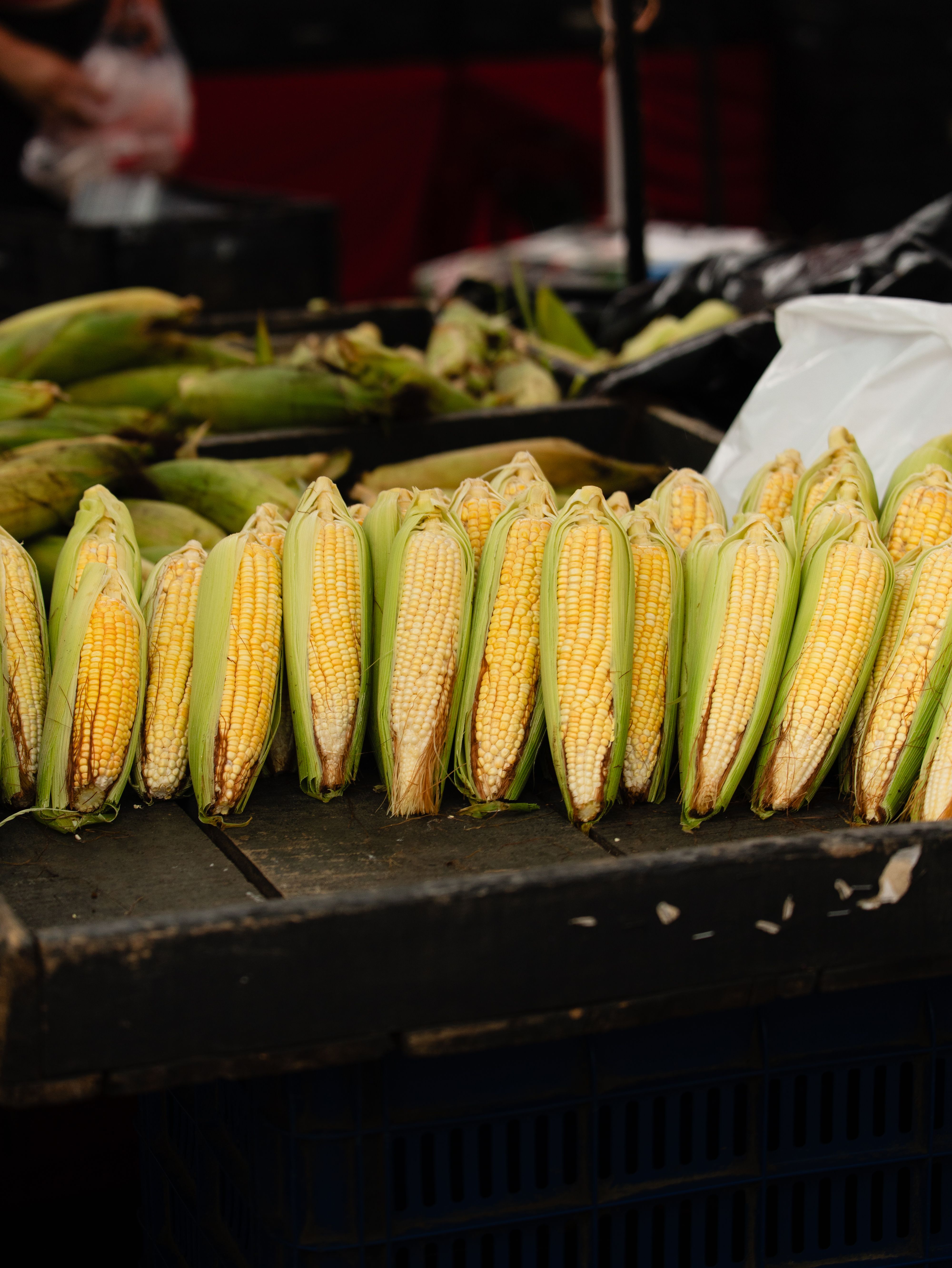
Great cooking cannot rescue old corn. The best ears feel heavy for their size, with husks that are bright green and snug around the cob. The silk should look slightly sticky and pale gold, not dried out or blackened.
Freshness matters because corn's sugar starts converting to starch soon after harvest. Food scientists have long noted that this change affects sweetness and tenderness fast, especially when corn sits in warm conditions. That is why farmers market corn often tastes noticeably better the same day it is bought.
If you can, peel back just a small part of the husk to inspect the kernels. They should be plump, glossy, and tightly packed. Skip ears with missing rows, shriveled kernels, or worm damage near the tip.
The best chef-approved method step by step
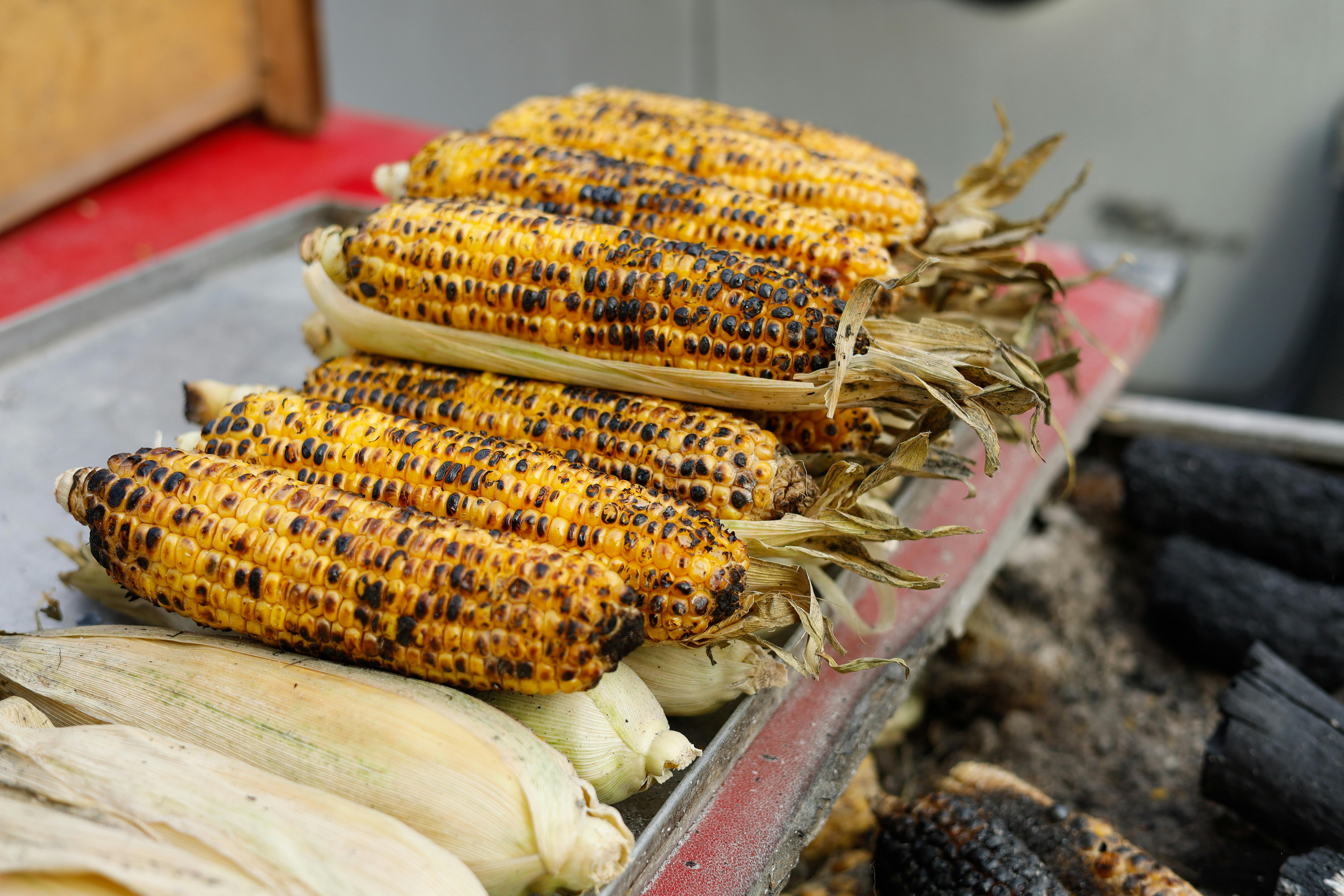
For the best balance of juiciness and char, chefs often recommend grilling corn in the husk first. Soak the ears in water for 10 to 15 minutes if the husks seem dry. Then place them on a medium-high grill and turn every few minutes for about 12 to 15 minutes total.
Once the corn has steamed inside the husk, peel it back carefully. Remove the silk, then return the ears to the grill for 2 to 4 minutes. This final step adds light blistering and a roasted aroma without drying the kernels out.
No grill? A grill pan or cast-iron skillet works well indoors. You will miss some smoke, but you can still get browning and sweetness. Chefs also approve of roasting corn at high heat in the oven when outdoor cooking is not practical.
Seasoning should support, not hide, the corn
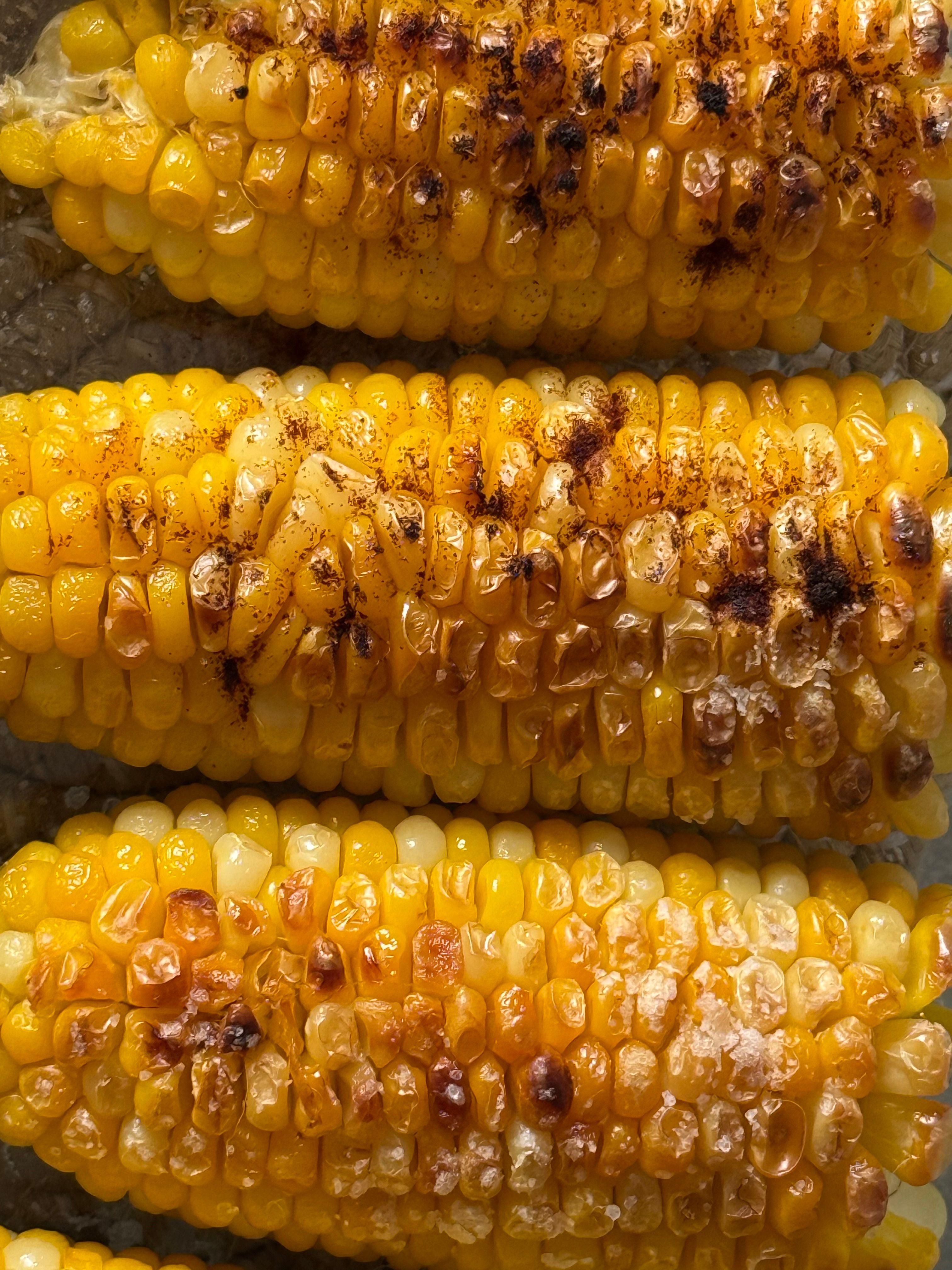
The biggest mistake people make is overloading fresh summer corn. When the corn is truly sweet, all it needs is butter, salt, and maybe black pepper. Many chefs even salt after cooking rather than before, so the kernels stay plump and glossy.
That said, corn welcomes bold finishing flavors if they are used with restraint. Lime, chili powder, cotija, parsley, basil butter, and garlic oil all work well. The key is to treat toppings as accents, not camouflage.
Restaurant kitchens often brush grilled corn with flavored butter while it is still hot. That helps the seasoning melt into the surface instead of clumping. A small amount goes further than most home cooks think.
Common mistakes that ruin texture
One common error is boiling corn too long. A few minutes in simmering water can be fine, but extended cooking makes kernels mushy and dull. Modern sweet corn is naturally tender and does not need the long cooking times many people still use.
Another problem is cooking over weak heat. If the grill is not hot enough, the corn dries before it chars. High, steady heat gives quick color while preserving moisture inside the kernels.
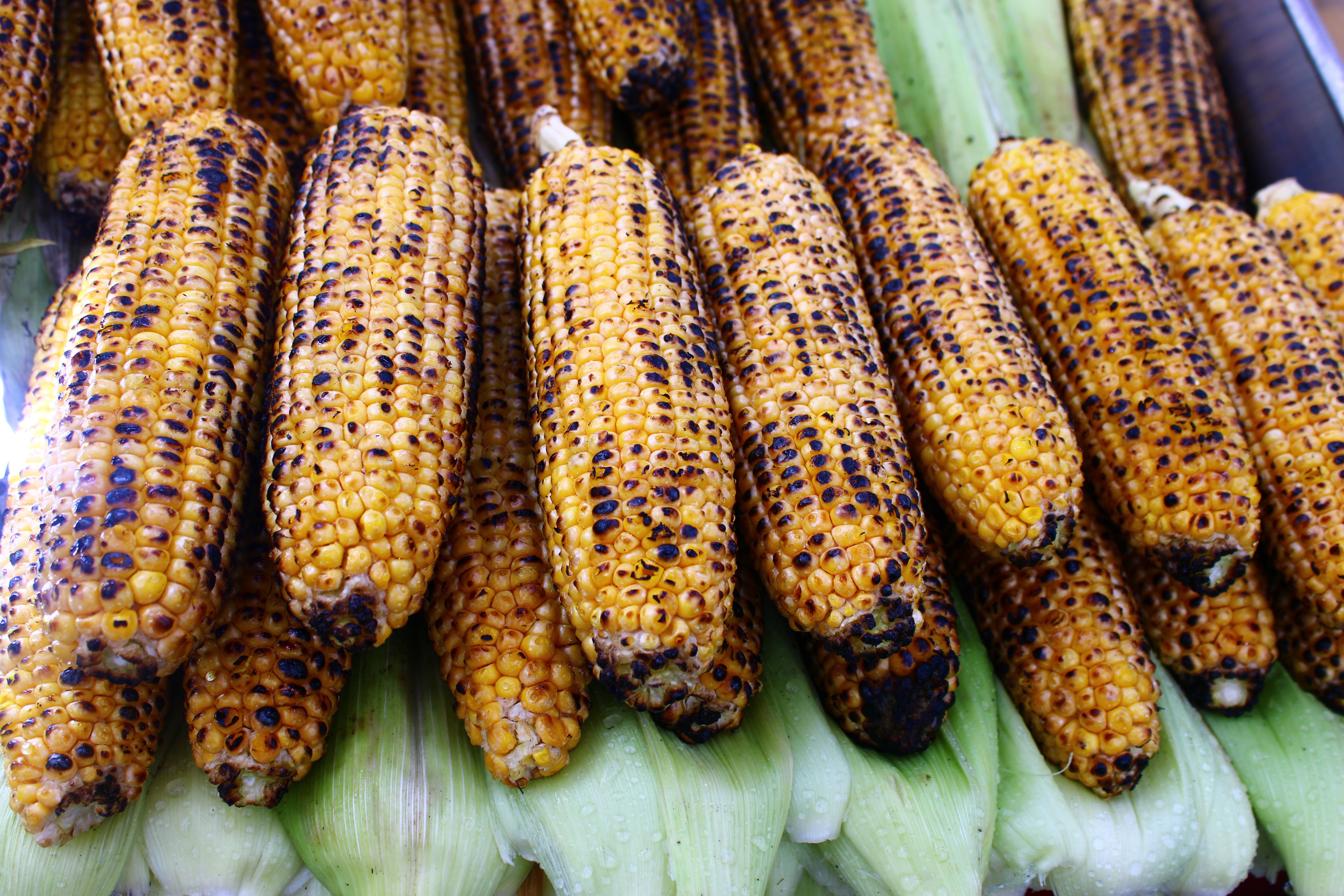
Leaving peeled corn on the grill too long can also toughen it. Once the husk is off, watch it closely and turn often. The goal is blistered spots, not a fully blackened surface.
How chefs serve it at its best
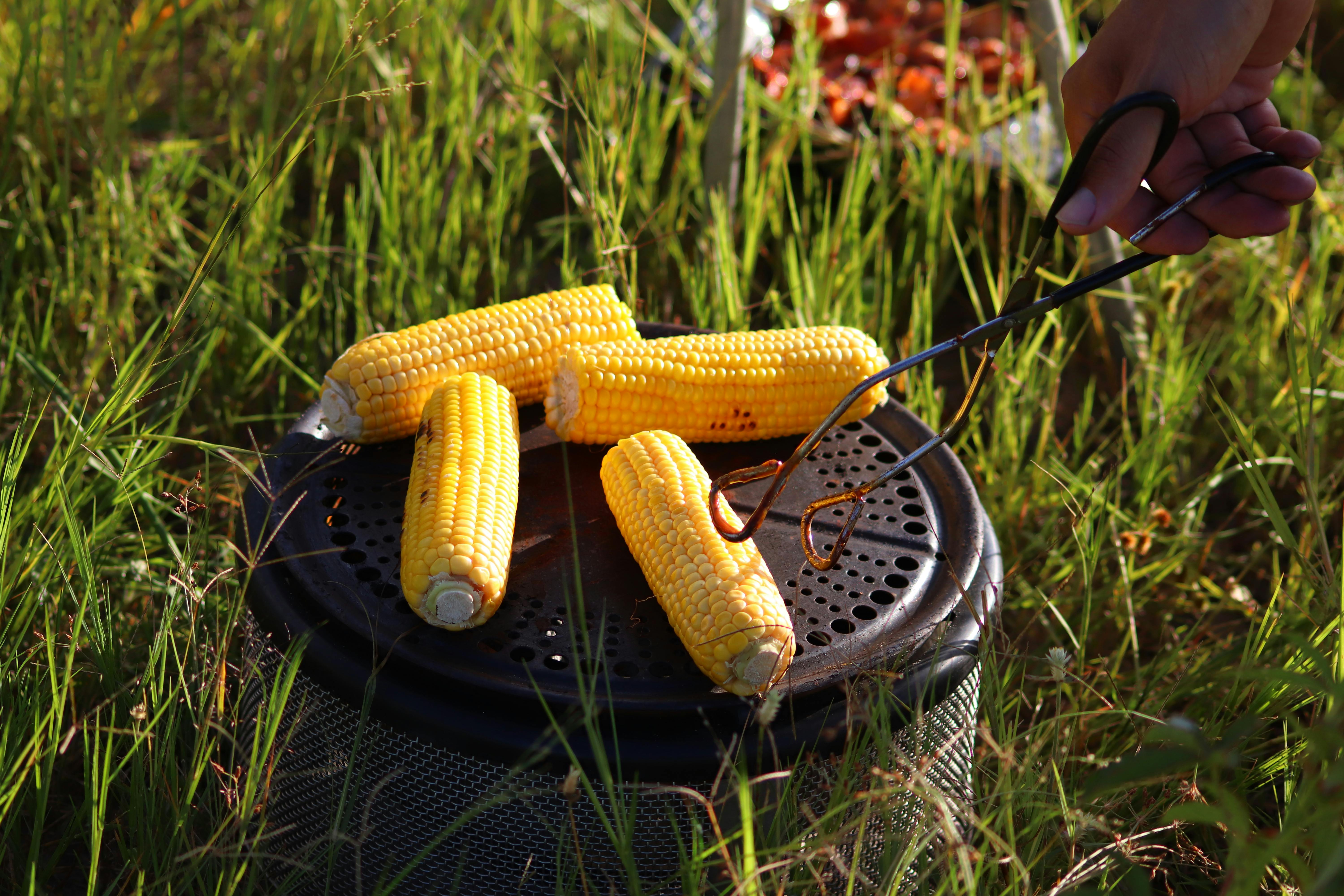
Chefs usually serve corn immediately after cooking, while the juices are still lively and the butter is melting into every row. Resting it too long can dull both flavor and texture. This is one side dish that rewards timing.
For cookouts, grilled corn pairs especially well with burgers, grilled chicken, seafood, and tomato salads. It also works off the cob, sliced into salsas, pasta, or succotash. Many chefs grill extra ears specifically for leftovers because charred kernels carry into other dishes beautifully.
If you want the simplest winning formula, buy the freshest ears you can find and grill them in the husk before a quick char. It is the method chefs return to because it protects moisture, builds flavor, and lets summer corn taste like itself.




Leave a Reply