
Food in Canada is getting a reality check. The polished, "Instagram-perfect" ideal is losing ground to meals that feel useful, comforting, and genuinely enjoyable.
Perfection is losing its grip
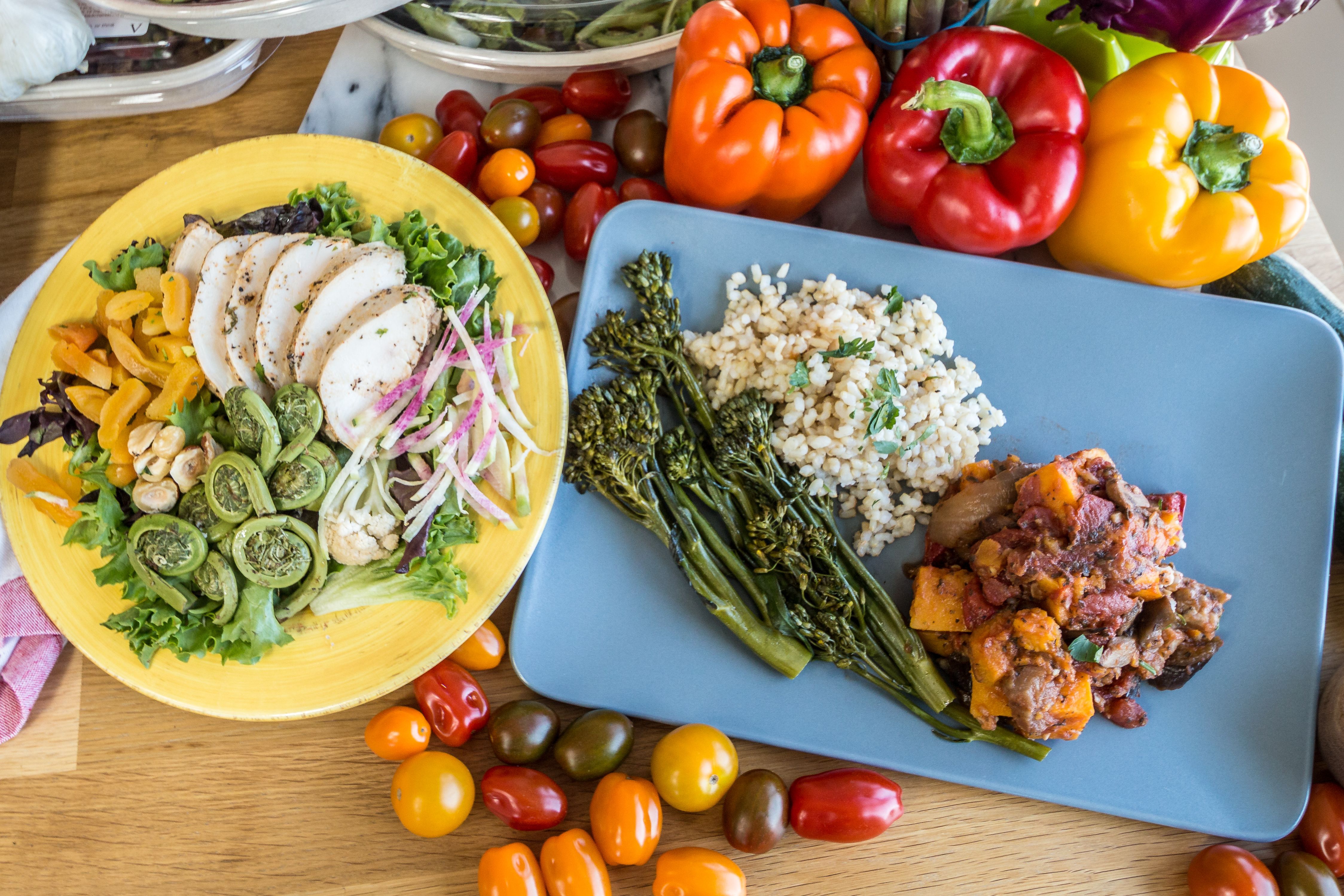
The clearest message in the 2026 food trend conversation is that appearance no longer leads the decision. Canadians are showing fatigue with food that looks flawless but feels expensive, wasteful, or hard to replicate at home. In a market shaped by inflation, high grocery bills, and time pressure, perfection can come across as impractical.
That shift reflects a broader cultural reset. For years, food media rewarded visual polish, rare ingredients, and restaurant-level presentation. Now shoppers are asking a different question: does this fit real life? If the answer is no, it matters less how beautiful the plate looks.
Retailers and brands are responding by toning down the fantasy. Messaging is leaning into messier textures, uneven shapes, and homemade cues that suggest honesty rather than aspiration. What once might have been edited out is now part of the appeal.
Canadians want food that feels real
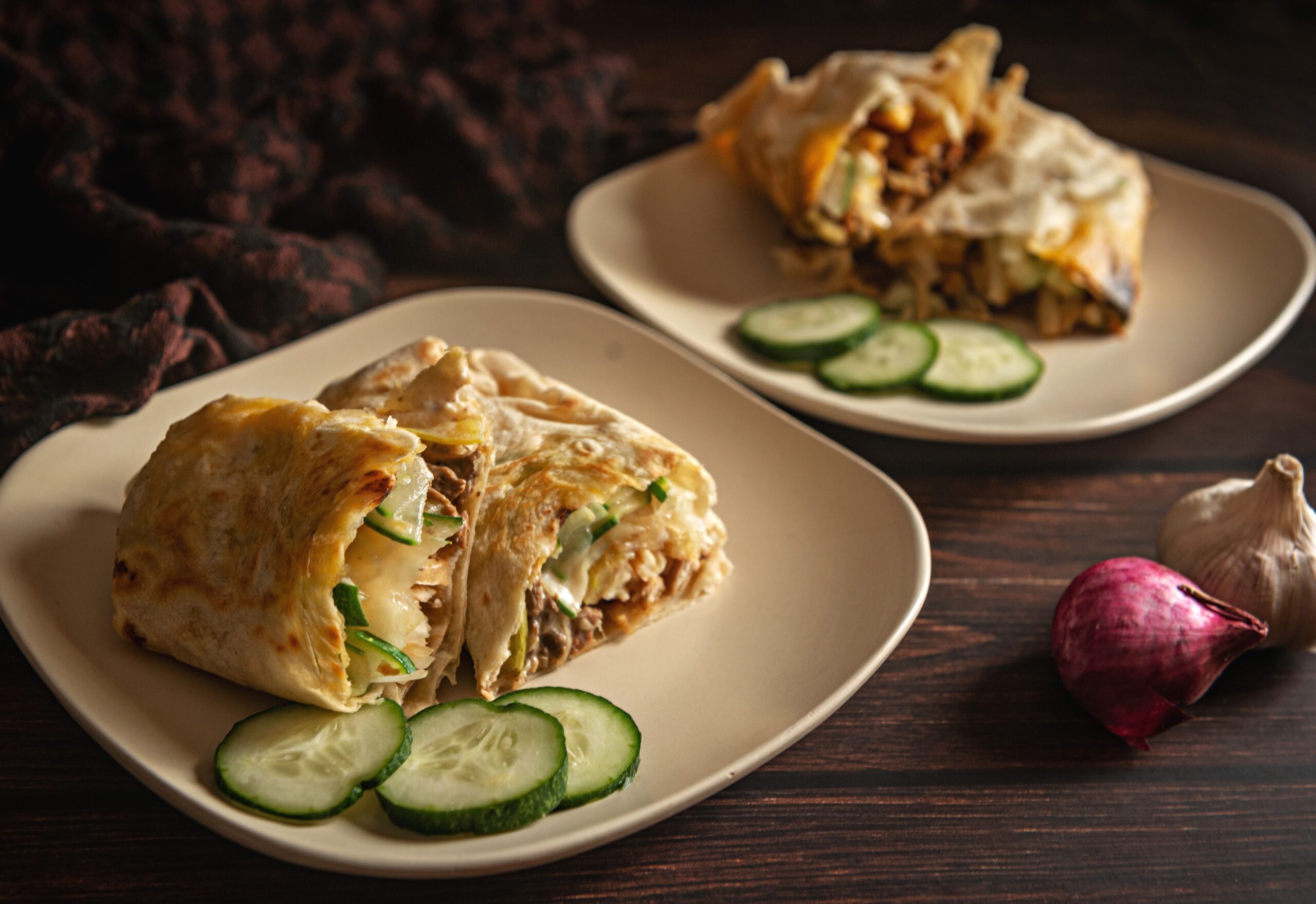
Authenticity has become more powerful than image. That means foods with visible texture, recognizable ingredients, and a clear sense of where they came from are resonating more strongly than highly styled, overly engineered products. Shoppers want food that feels believable.
This is showing up across categories. Produce with natural variation, baked goods with rustic finishes, and prepared meals that resemble something made in an actual kitchen are earning trust. Imperfection signals that the product has not been overworked for the camera.
According to recent consumer trend tracking across North America, buyers increasingly connect "real" food with transparency and emotional comfort. In practical terms, they want fewer artificial signals and more cues that suggest freshness, simplicity, and honest preparation.
Value now matters more than visual appeal

There is also a strong economic story behind the trend. Canadian households have been managing persistent cost pressure, and food purchases are under sharper scrutiny. When budgets tighten, people become less willing to pay a premium for aesthetics alone.
That does not mean consumers are giving up quality. It means they are redefining it. Quality now includes portion value, ingredient usefulness, shelf life, and the ability to turn one purchase into multiple meals during the week.
This is one reason imperfect produce programs and less polished private-label offerings continue to attract attention. If a crooked carrot or slightly uneven loaf costs less and tastes just as good, many shoppers see that as common sense, not compromise.
Comfort and convenience are winning together

Another important change is that comfort food is no longer competing with convenience. Canadians increasingly want both at the same time. They are looking for foods that soothe stress, save time, and still feel somewhat personal.
That demand is pushing growth in categories like elevated frozen meals, soups, sauces, noodles, and ready-to-heat dishes with familiar flavor profiles. The winning products are not necessarily flashy. They are dependable, satisfying, and easy to work into a busy evening.
The emotional side matters here. After years of uncertainty, many consumers are gravitating toward foods that create stability. A simple bowl of stew, a tray bake, or a hearty sandwich can feel more relevant than a photogenic but overly complicated dish.
Waste reduction is shaping what looks appetizing
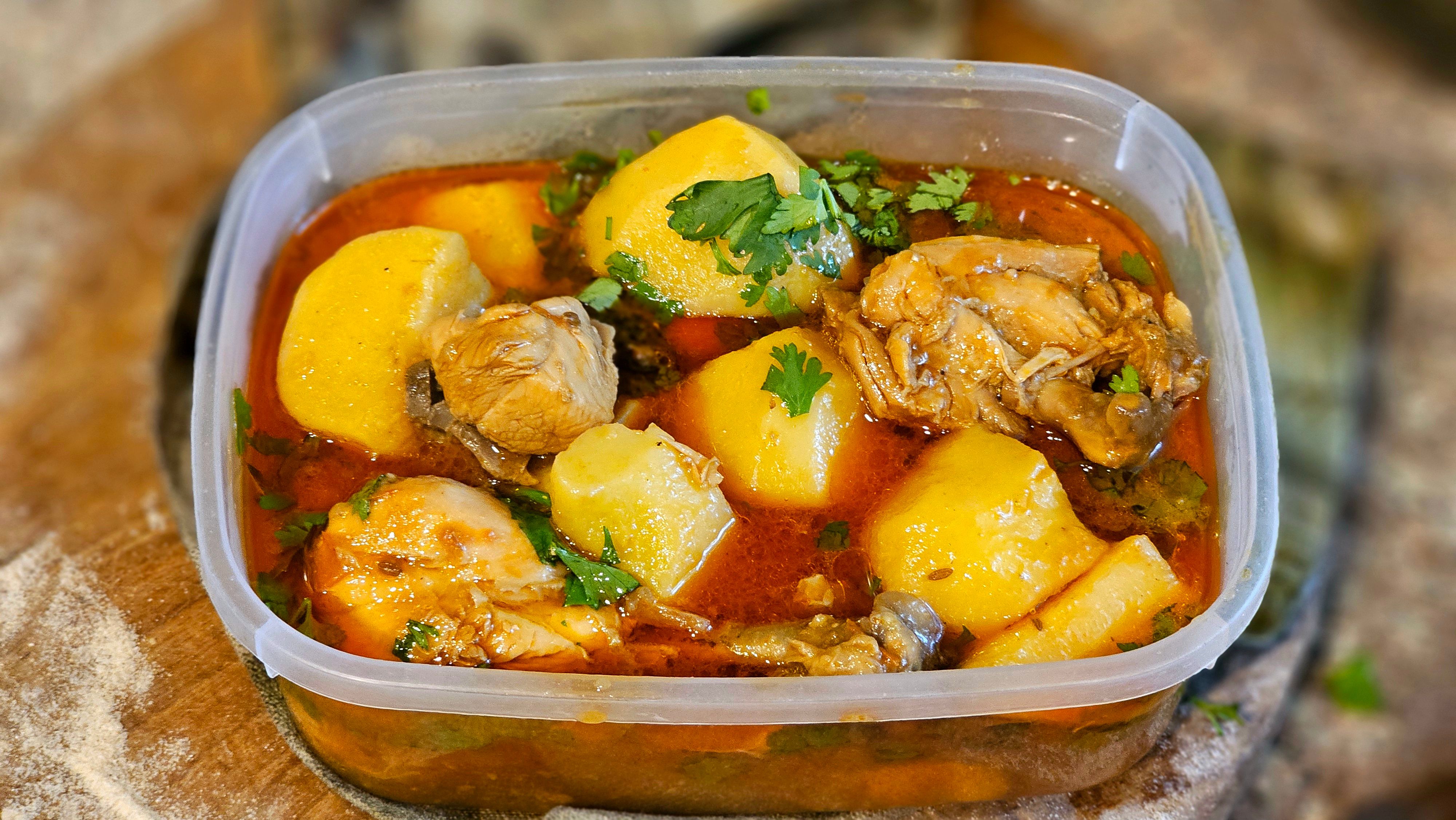
Canadians are also rethinking what "good" food looks like because waste has become harder to ignore. Food that is too polished can imply trimming, sorting, and discarding at every stage. That perception clashes with growing concern about sustainability and household waste.
As a result, shoppers are becoming more open to "ugly" produce, mixed-size packaged goods, and recipes designed to use scraps, leftovers, and pantry staples. Restaurants and grocers that frame this clearly can turn thrift into a positive brand signal.
This attitude is especially strong among younger consumers, who often link sustainability with everyday buying habits rather than abstract promises. In that environment, imperfect food can communicate responsibility, resourcefulness, and modern values all at once.
What brands and home cooks should do next

The takeaway for food companies is straightforward: stop selling fantasy and start solving real problems. Products should deliver taste, flexibility, affordability, and trust. Packaging and advertising that feel too staged risk missing a public that increasingly values candor.
For restaurants and retailers, that may mean showing food as it is, highlighting practical uses, and talking more openly about sourcing, waste reduction, and everyday value. Menus and shelves that acknowledge real routines are likely to feel more relevant in 2026.
For home cooks, the shift is liberating. A meal does not need symmetry, rare garnishes, or picture-perfect plating to be good. What Canadians appear to want instead is food that nourishes, stretches the budget, reduces waste, and fits life as it is.




Leave a Reply