
Restaurant trends can spread fast, especially when they promise novelty, value or a better way to eat. But the same forces that make a concept feel fresh can make it fade, leaving behind empty dining rooms, dated menus and lessons the industry still studies.
All you can eat buffets
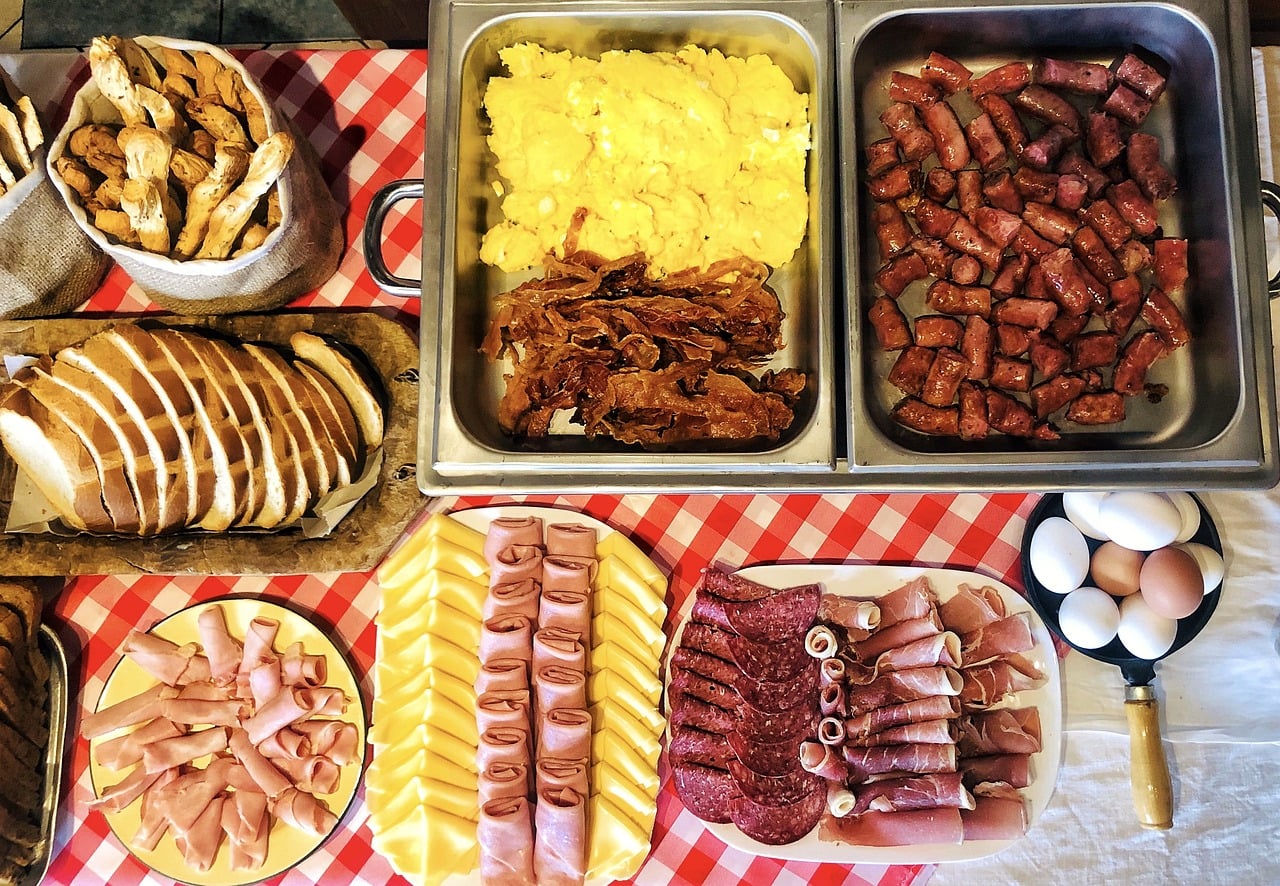
For a long stretch, the buffet looked like unbeatable math. Diners loved the sense of abundance, and operators could draw families, tour groups and bargain hunters with one simple promise: pay once, eat as much as you want.
Chains such as Old Country Buffet and Souplantation built loyal followings around that model. Yet buffets were always vulnerable to food waste, labor demands and thin margins. They also depended on steady traffic to keep hot food moving and costs under control.
The format took a major hit when public concern over shared serving tools and crowded lines grew during the pandemic. Souplantation never reopened after closing in 2020, and Fresh Acquisitions later filed for bankruptcy after buying Furr's, Tahoe Joe's and other buffet related brands. What once felt generous began to look risky, expensive and out of step.
Frozen yogurt shops
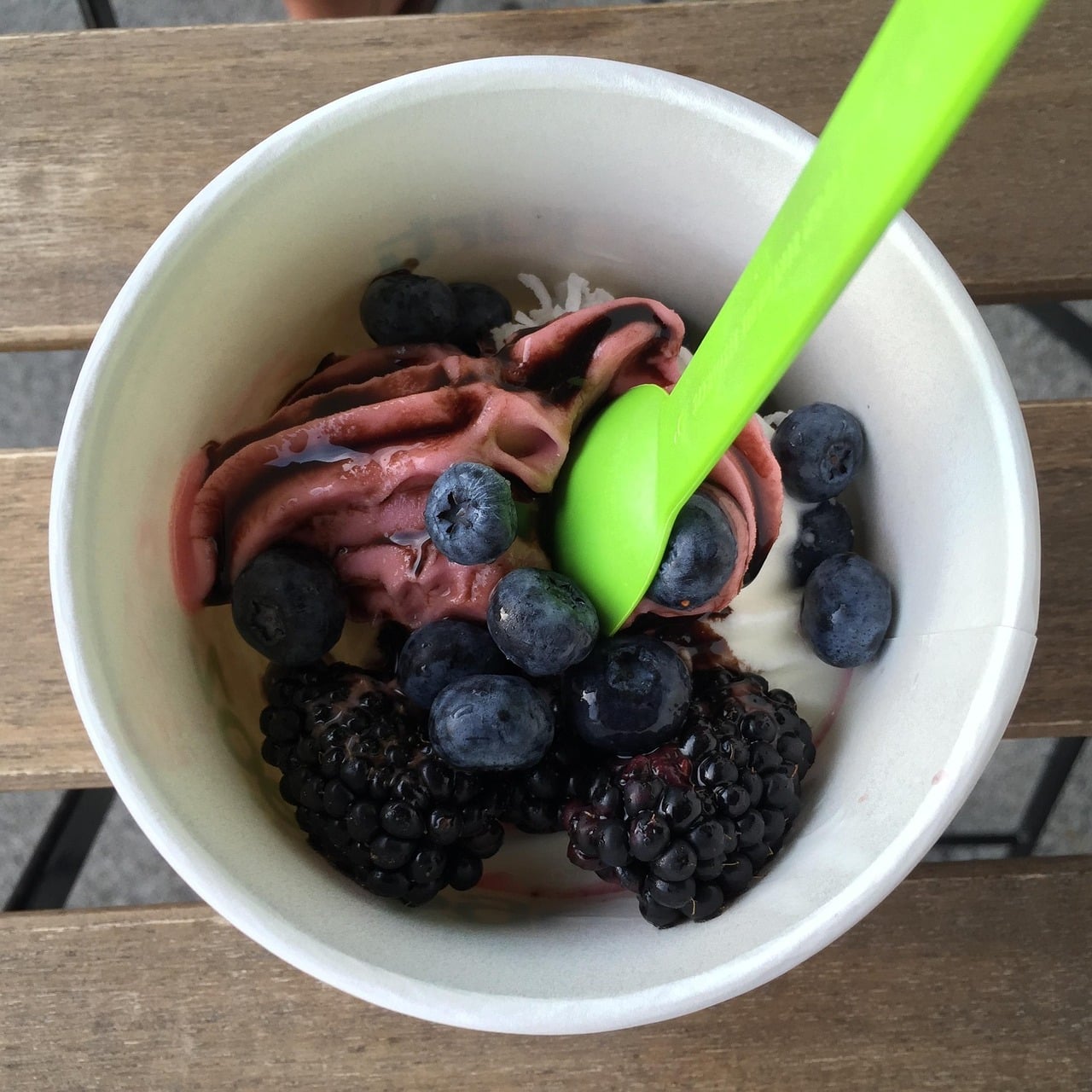
At their peak, self serve frozen yogurt stores seemed to occupy every shopping center in America. The pitch was easy to grasp: tart or sweet yogurt, bright toppings, a cup priced by weight and just enough health halo to make dessert feel lighter.
Chains such as Pinkberry helped spark the craze in the 2000s, and many rivals rushed in. Menchie's, Yogurtland and countless independents followed, often clustering in the same neighborhoods and competing on toppings, flavors and promotions.
The trouble was saturation. A concept built on novelty can weaken once every strip mall has three versions of it. Frozen yogurt also faced fierce competition from premium ice cream, bubble tea, acai bowls and delivery friendly desserts. Many shops survived, but the nationwide boom cooled sharply as the market became crowded and less special.
Cupcake bakeries
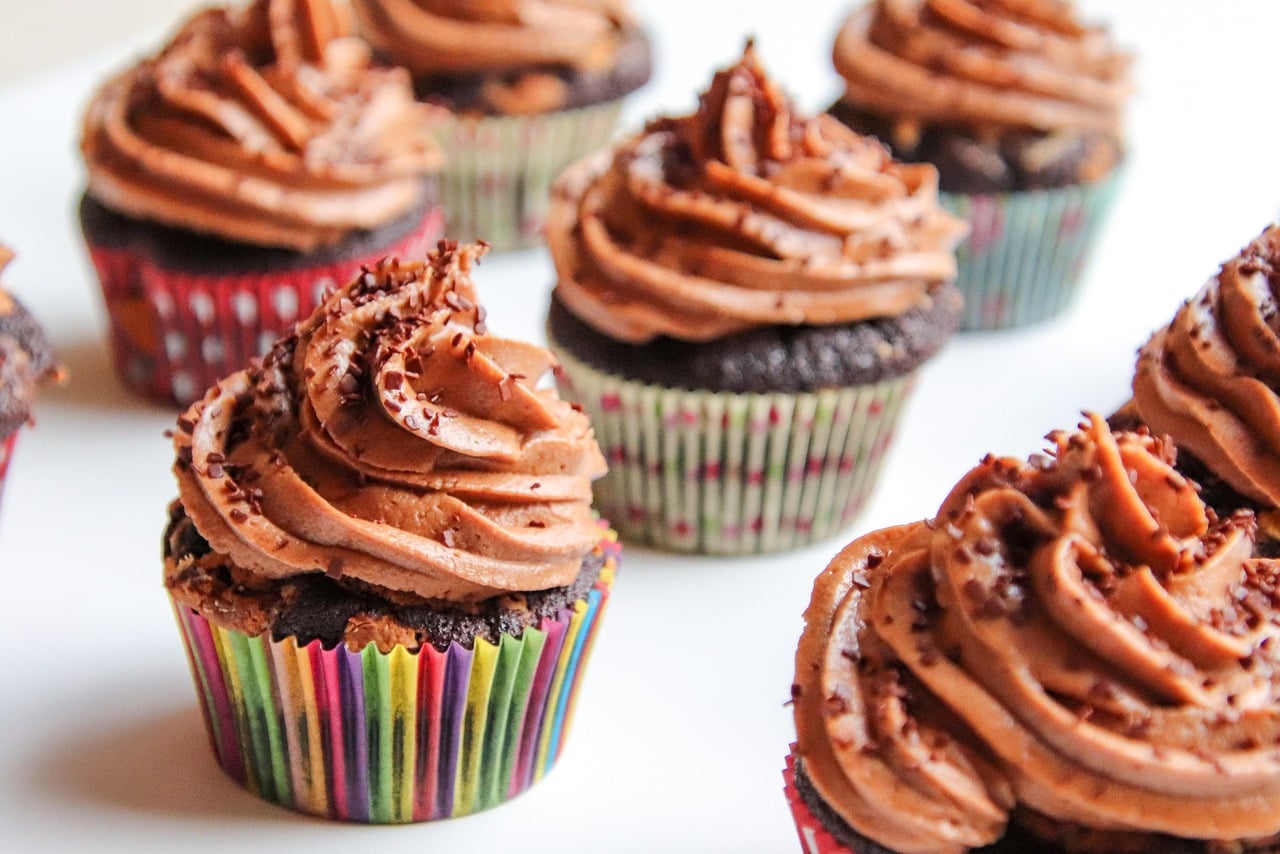
For a while, cupcakes were not just dessert, they were a business plan. Television exposure, social media appeal and the low commitment of a single serving treat helped cupcake shops explode in the late 2000s and early 2010s.
Chains and independents leaned hard into the format, with rotating flavors, oversized frosting swirls and gift box packaging. Georgetown Cupcake and Sprinkles became national reference points, and cupcake ATMs even appeared as a novelty extension of the craze.
Then the idea ran into its limits. Cupcakes are photogenic, but they are also easy to make, easy to imitate and hard to turn into a repeat purchase habit at premium prices. As novelty faded, many dedicated cupcake stores struggled to justify rent, staffing and high ingredient costs with a menu built around one indulgence.
Casual dining salad bars
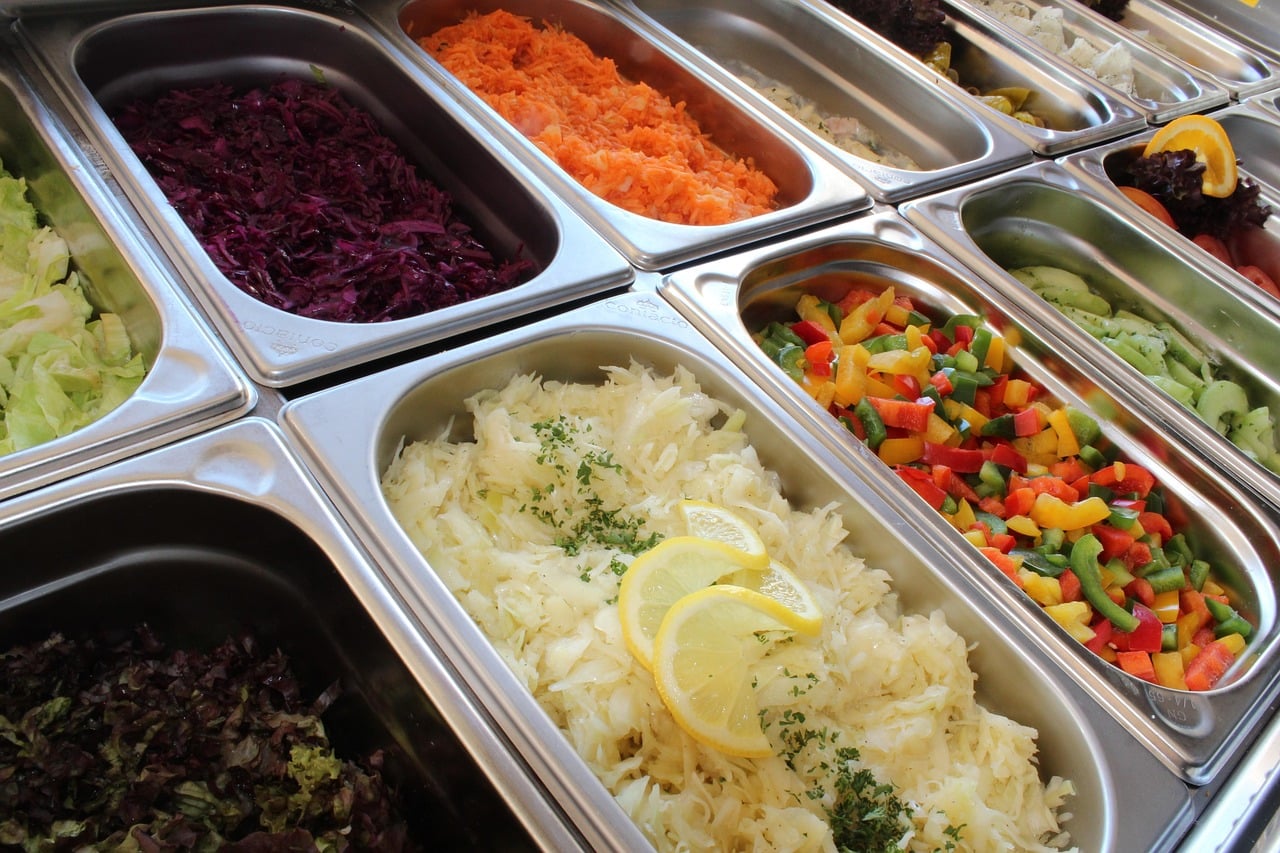
The salad bar once signaled choice, freshness and family friendly flexibility. At chains like Ruby Tuesday, it could even be the main attraction, drawing customers who wanted a lighter meal without giving up the sit down restaurant setting.
For operators, though, salad bars came with stubborn costs. Produce is perishable, constant replenishment takes labor and presentation matters. A wilted tray or half empty station can damage the whole experience in minutes.
The model also suffered from the same hygiene concerns that hurt buffets. Ruby Tuesday, which had already been closing locations for years, became a symbol of a broader problem: a feature that once differentiated casual dining now looked expensive to maintain and less suited to changing guest habits. Convenience, takeout and tighter margins left little room for sprawling self serve setups.
Mongolian barbecue grills
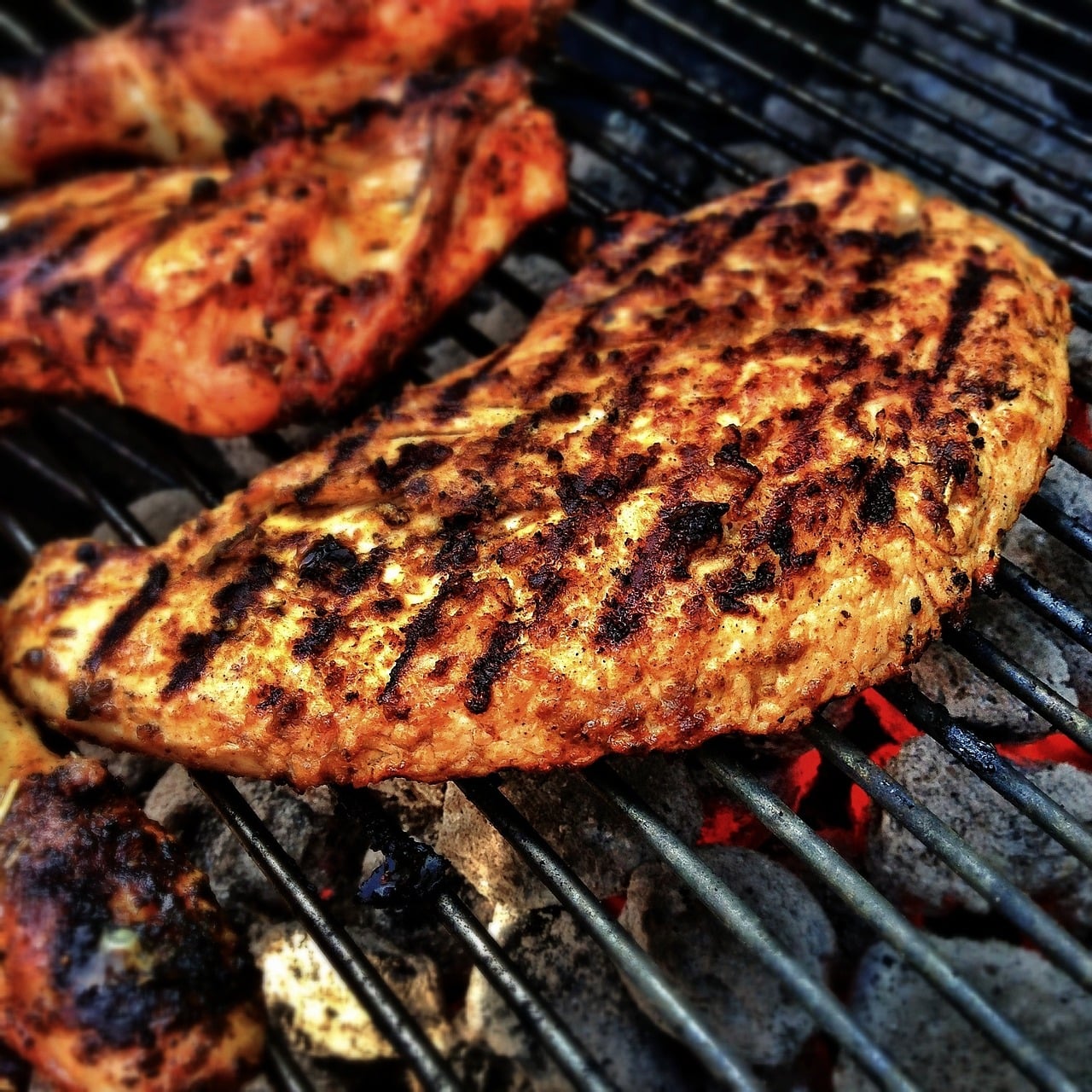
There was a time when a giant round grill in the middle of the room felt like dinner and theater at once. Customers filled bowls with sliced meat, noodles, vegetables and sauce, then watched cooks sear everything in front of them.
The appeal was clear. It was customizable before customization became standard, and it gave guests a sense of control. Regional chains and independents found success by turning the build your own stir fry format into a communal event.
Its weaknesses became clearer later. The line based setup could bottleneck fast, ingredient variety drove up prep demands and mistakes were easy to make because diners mixed their own combinations. As fast casual brands improved digital ordering and made customization more convenient, the old grill line lost some of its edge. Spectacle alone was not enough to carry the format forward.
Fondue restaurants
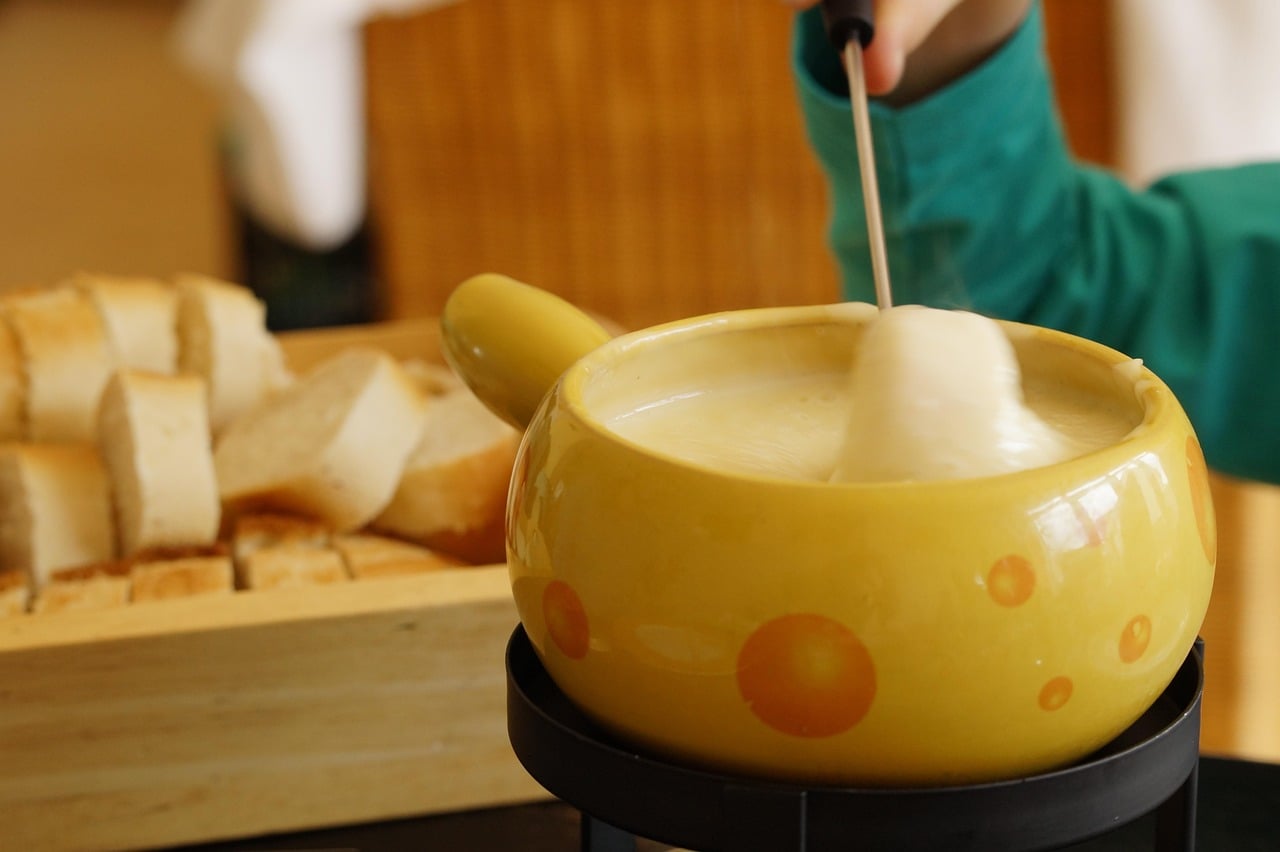
Fondue restaurants sold an experience more than a quick meal. Melting pots of cheese, broth or chocolate invited diners to slow down, share courses and turn dinner into an occasion.
That made the concept memorable, especially for dates, birthdays and group celebrations. The Melting Pot became the best known national name, proving fondue could support a chain with a clear special event identity.
Still, fondue was never easy to scale into everyday dining. Meals took time, tables turned slowly and the format depended on guests wanting a long, interactive experience. As dining habits shifted toward speed, value and convenience, fondue became a niche instead of a broad movement. It survived in select markets, but the dream of fondue as a dominant restaurant trend faded.
Baked potato bars
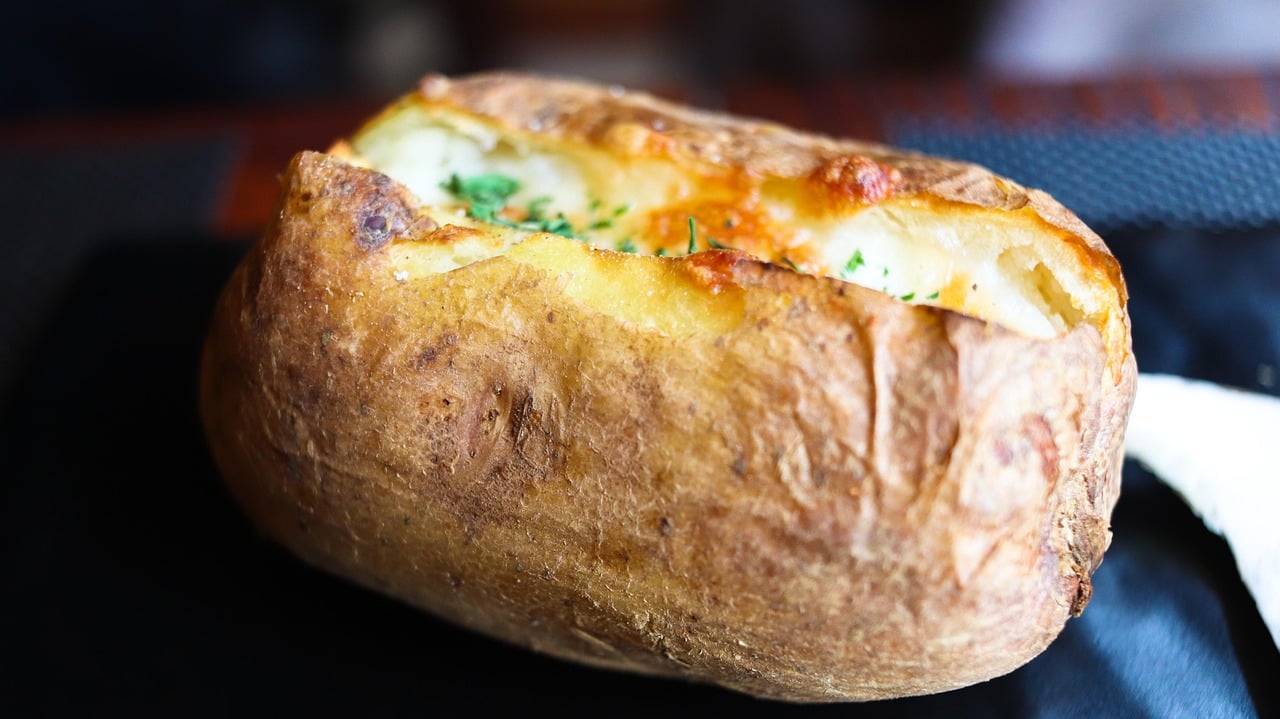
The baked potato bar was once treated as a clever middle ground between comfort food and customization. Diners could start with a cheap, filling base and pile on cheese, chili, broccoli, bacon bits, sour cream and almost anything else.
For a while, the idea showed up in malls, food courts and quick service concepts. It worked on paper because potatoes are inexpensive, familiar and adaptable, and operators could market the format as hearty without being as costly as meat centered meals.
But the ceiling was low. A baked potato can only feel exciting for so long, and many versions were heavy rather than versatile. As wraps, burrito bowls, poke and other build your own meals gained traction, the potato bar began to look dated. It was comfort food without enough novelty to keep a national fad alive.
Restaurant smoking sections

This fad now feels strange, but for decades smoking sections were a standard restaurant feature across much of the country. They were presented as a compromise, giving smokers a place to light up while supposedly protecting everyone else.
In practice, smoke drifted, and the separation rarely worked as cleanly as signs suggested. Public health research and changing social norms steadily eroded the acceptability of smoking indoors, especially in spaces centered on meals and families.
As state and local indoor smoking bans spread, the section itself disappeared. That change did more than end a layout trend. It marked a shift in what diners expected from restaurants: cleaner air, broader comfort and a public space designed around shared health standards. Few dining fads died more completely or more decisively.
Sizzling fajita spectacles
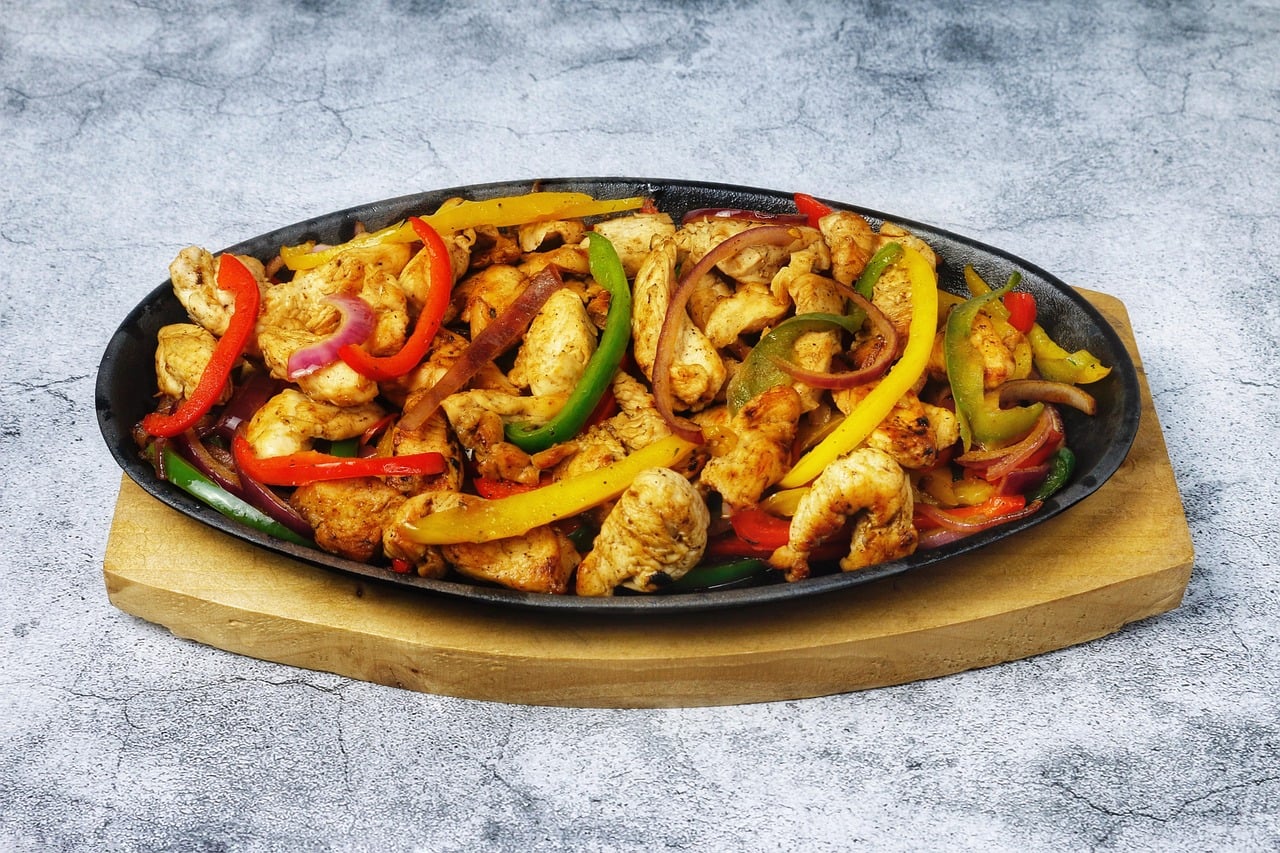
For a period, the sound was half the sale. Sizzling fajitas arrived at the table hissing loudly on hot cast iron, filling the room with aroma and making nearby diners suddenly want the same thing.
Chains leaned into that effect because it was built in marketing. Chili's, Applebee's and others used fajitas as a sensory advertisement that moved through the dining room without buying extra ad space. The platter felt festive, customizable and ideal for sharing.
But a dramatic delivery cannot protect a category forever. As menus expanded and operational costs rose, fajitas became just one more item rather than a star attraction. Off premises dining also weakened the impact. A dish designed to command attention in a crowded room loses much of its power inside a takeout container.
The race for giant portions
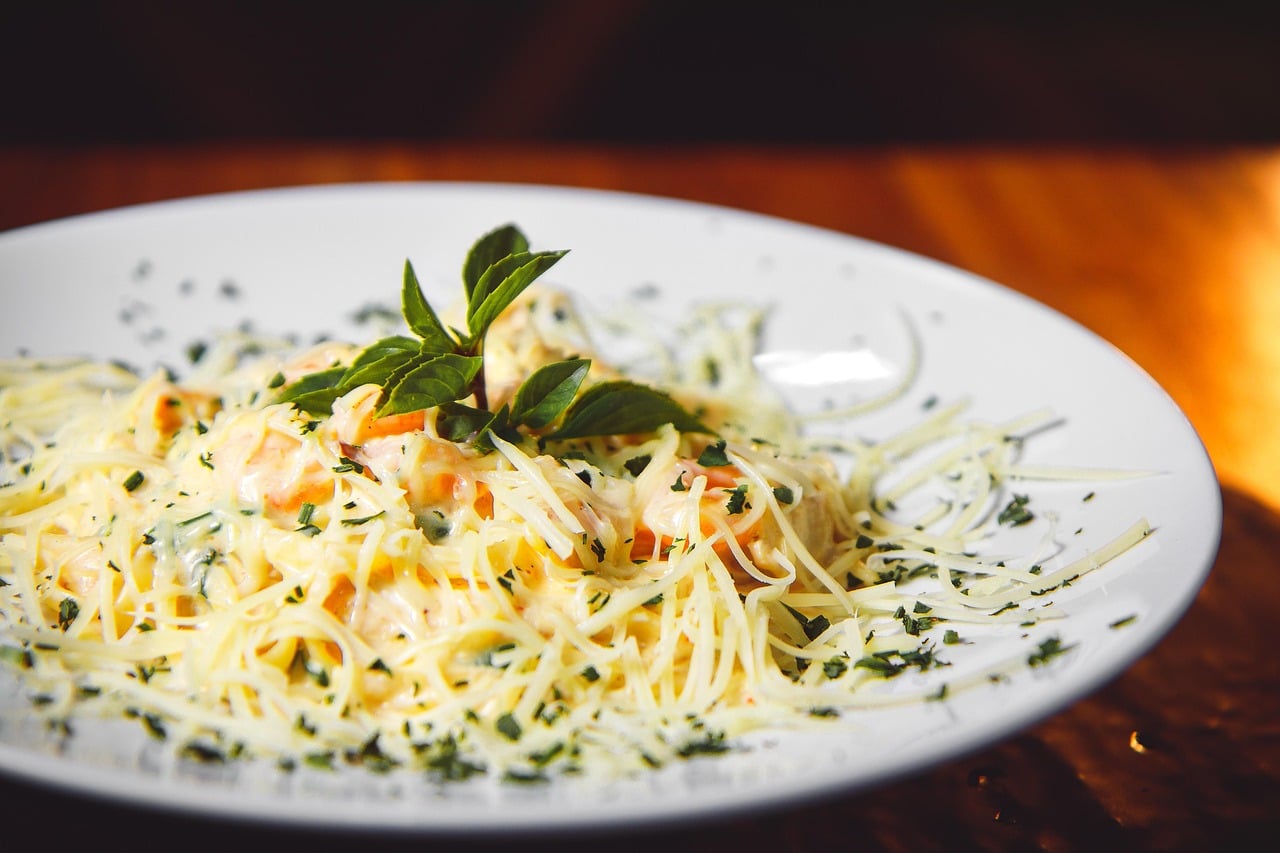
Few trends defined chain dining in the 1990s and 2000s like oversized plates. Restaurants competed with towering pasta bowls, massive combo platters and desserts large enough for several people, often positioning quantity itself as value.
This worked for years because diners associated abundance with generosity. Brands such as The Cheesecake Factory became known for long menus and large servings, and many rivals chased the same formula in hopes of looking equally indulgent.
Over time, the drawbacks piled up. Food costs rose, nutrition concerns became harder to ignore and consumers gained more interest in quality, freshness and flexibility. Huge portions never disappeared, but the arms race cooled. A meal that once felt exciting began to read as excessive, wasteful or simply too expensive for what people wanted from everyday dining.
Dessert only restaurants
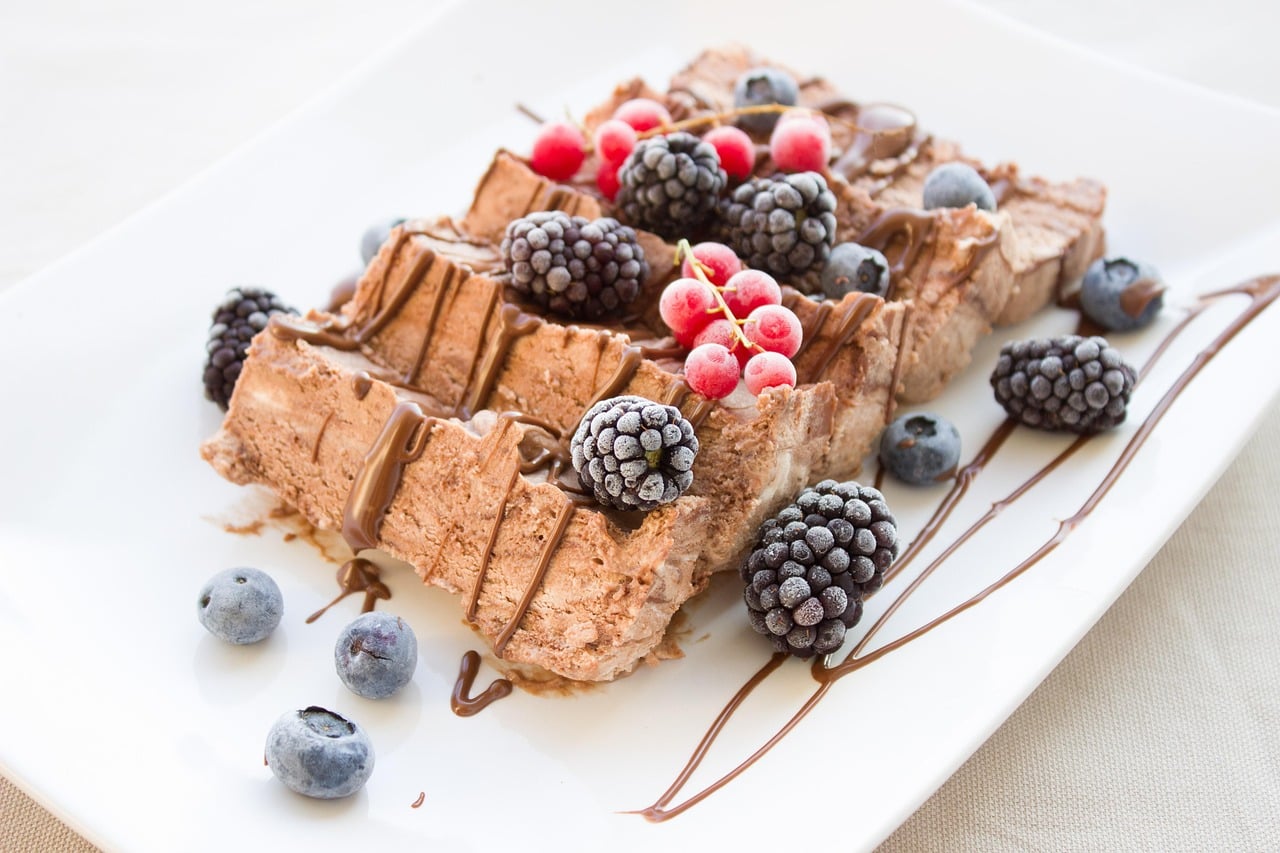
Some fads fail because they are too narrow. Dessert only restaurants and lounges tried to turn the last course into the whole event, with menus centered on cakes, sundaes, pastries, chocolate flights or late night sweets.
The idea had logic behind it. Dessert carries high margins, strong impulse appeal and social media friendly presentation. In urban nightlife districts, a sweets focused stop could pair well with coffee, cocktails or a post dinner outing.
Yet many of these businesses struggled to become routine destinations. Diners may crave dessert, but not always as a standalone occasion, and the daypart can be limited. Competition is also everywhere, from bakeries and cafes to grocery stores and delivery apps. For many operators, dessert worked better as an add on than as the whole concept.
Automats and cafeteria lines
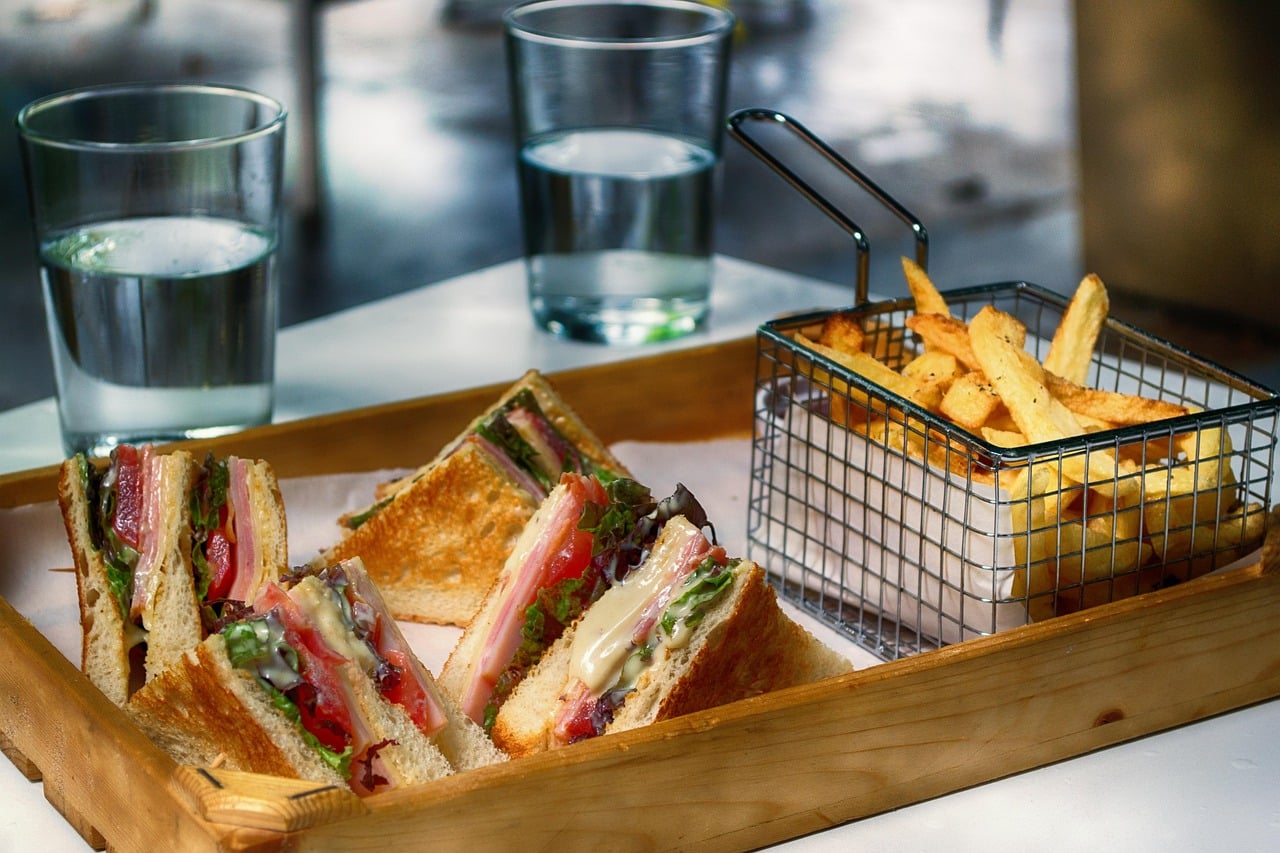
Before app based ordering and drive thru lanes dominated convenience, the automat and the classic cafeteria line represented speed. Customers selected ready made food from compartments or trays, paid quickly and found a seat without the formality of full service dining.
Horn & Hardart made the automat famous in the Northeast, and cafeteria style service spread widely in schools, institutions and some restaurant chains. The model fit an era that valued efficiency but still expected people to be physically present in the dining room.
Its decline says a lot about how convenience changed. Today, speed often means ordering ahead, skipping the line and eating somewhere else. The old cafeteria line now feels rigid compared with digital customization, delivery and grab and go retail food. It once represented the future. Now it mostly survives as nostalgia.

Leave a Reply