
That morning cup can do more than wake you up. In some cases, it can quietly change how a medication works, making it weaker, stronger, or more likely to cause side effects.
Thyroid medications can become less effective

For people taking levothyroxine or similar thyroid hormone medicines, timing matters a great deal. Coffee can reduce how much of the drug your body absorbs, which means you may not get the full dose your doctor intended. Even one rushed sip too close to your pill can interfere with a medication many people need every single day.
This interaction has been recognized for years in endocrine care. Studies have shown that drinking coffee soon after taking levothyroxine can lower absorption enough to affect thyroid blood test results. That can lead to ongoing symptoms such as fatigue, constipation, dry skin, weight changes, and brain fog even when someone believes they are taking the correct dose.
In real life, this often looks like a patient whose thyroid numbers stay unstable despite good adherence. The missing piece is sometimes not the pill, but the latte. Clinicians commonly advise taking thyroid medication with plain water on an empty stomach and waiting at least 30 to 60 minutes before drinking coffee or eating breakfast.
Cold and allergy medicines may feel much stronger

Many over-the-counter cold remedies contain stimulant-like ingredients, especially pseudoephedrine. Coffee is also a stimulant, so combining the two can amplify effects such as jitteriness, shakiness, rapid heartbeat, nervousness, and trouble sleeping. What feels like a harmless combination during a bad cold can leave some people feeling surprisingly uncomfortable.
The issue is not limited to decongestants. Some allergy products and combination flu formulas contain ingredients that can already make the heart work harder or raise blood pressure slightly. Add several cups of coffee, and the effect may become more noticeable, particularly in older adults or people with anxiety or heart conditions.
Pharmacists see this often during cold season. Someone grabs a daytime congestion medicine, keeps drinking coffee to fight fatigue, and later wonders why they feel wired and restless. Reading labels carefully and asking a pharmacist whether a cold medication contains stimulants can prevent that unpleasant spiral.
ADHD stimulants can raise overstimulation risks

Medications used for ADHD, including amphetamine-based products and methylphenidate, are designed to stimulate the central nervous system in a controlled way. Coffee does something similar, though less precisely. When taken together, the combined stimulation may increase restlessness, heart palpitations, sweating, anxiety, or a sense that the medication feels too intense.
This does not mean every person with ADHD must avoid coffee completely. Some tolerate small amounts without any obvious problem. But sensitivity varies widely, and caffeine can make it harder to tell whether a dose is appropriate, especially during the first weeks of treatment or after a dose change.
Doctors often look for patterns when patients report crashes, irritability, or insomnia. In some cases, the medication is blamed first, when caffeine is actually adding fuel to the effect. Keeping coffee intake consistent, modest, and well separated from medication can make symptom tracking much more accurate.
Some antidepressants and antipsychotics interact with caffeine
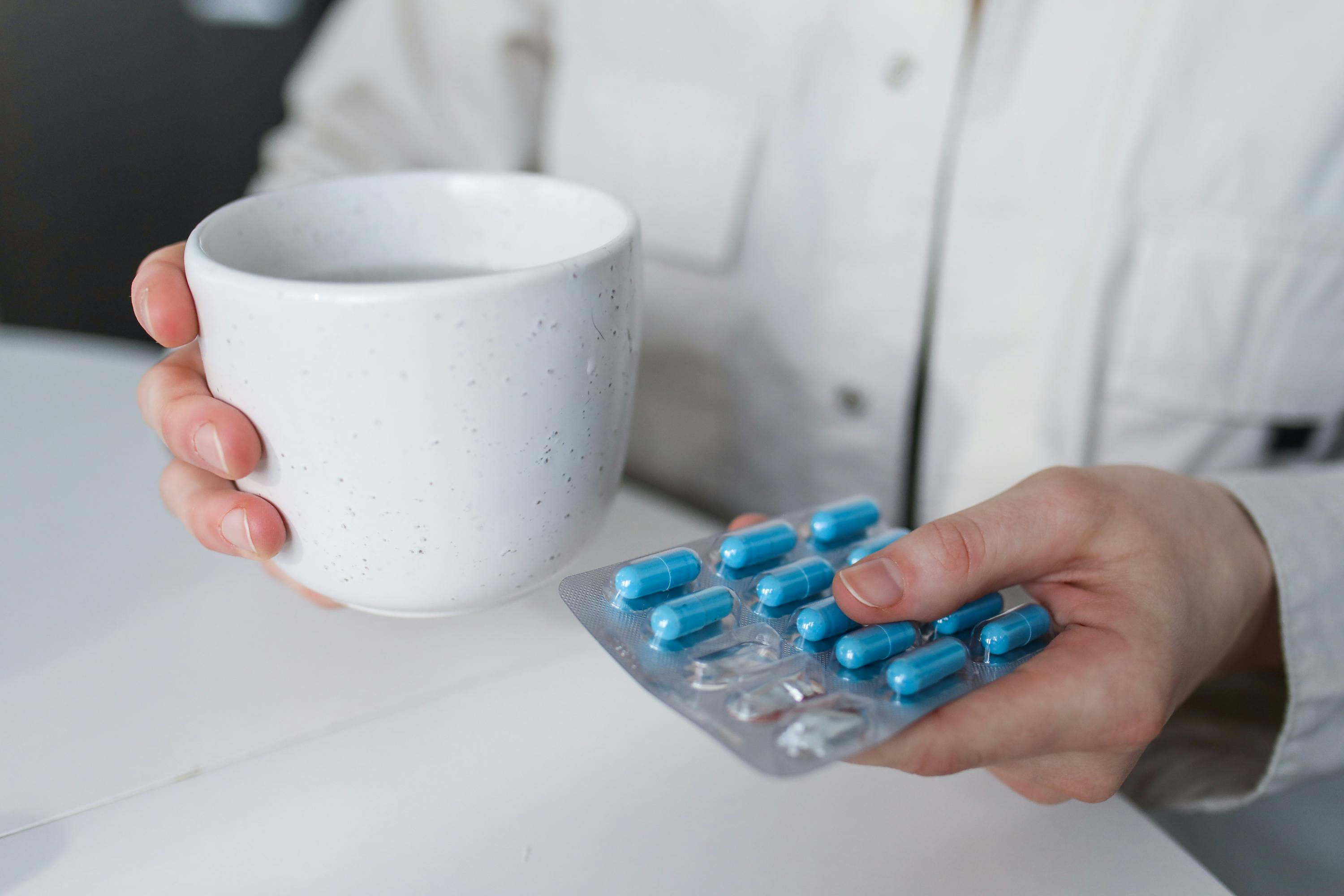
A quieter problem with coffee is that it can affect how the body handles certain psychiatric medications. Fluvoxamine, for example, is known to slow caffeine breakdown, which can make a normal amount of coffee feel unusually strong. That can lead to tremors, racing thoughts, stomach upset, or difficulty sleeping long after the cup is finished.
Clozapine is another important example. Changes in caffeine intake can affect blood levels of the drug, which is used in specific mental health settings and requires careful monitoring. If someone suddenly doubles their coffee intake or stops caffeine altogether, medication levels may shift enough to matter clinically.
This is why consistency is often emphasized more than total avoidance. A psychiatrist may be less concerned that a patient drinks coffee than that the amount changes wildly from day to day. Stable habits make it easier to judge whether symptoms come from the illness, the medicine, or the caffeine.
Osteoporosis drugs need an empty, careful stomach

Bisphosphonates such as alendronate and risedronate already come with strict instructions, and coffee is one reason why. These medications are poorly absorbed even under ideal conditions. If taken with coffee instead of plain water, absorption can drop further, reducing the treatment's ability to protect bone over time.
That matters because osteoporosis treatment is a long game. You do not feel these drugs working from one day to the next, so it is easy to underestimate how important proper use really is. Years later, however, reduced effectiveness can mean less fracture protection for the spine, hip, or wrist.
Experts typically advise taking these medications first thing in the morning with a full glass of plain water, then remaining upright and waiting before consuming food, coffee, or other drinks. The exact wait time depends on the product, but following those instructions closely is part of the treatment itself.
Asthma medicines can pair badly with caffeine

Breathing medicines are meant to open airways, but some can also stimulate the nervous system. Theophylline is the classic example, though it is used less often today than in the past. Because caffeine is chemically similar in some ways, combining the two may increase side effects such as nausea, headache, irritability, and a racing heartbeat.
Coffee can also muddy the picture when someone is already feeling shaky from asthma treatment. If symptoms worsen, it may be hard to tell whether the bronchodilator dose is too high, the coffee intake is excessive, or the asthma itself is flaring. That confusion can complicate self-management.
Older clinical guidance has long noted the overlap between caffeine and theophylline effects. While not every asthma medication has this issue, patients using stimulant-like respiratory drugs should be especially careful. If coffee seems to worsen shakiness after treatment, that pattern is worth discussing with a clinician.
Diabetes medications can be harder to balance

Coffee itself does not directly cancel out diabetes medicines, but it can make blood sugar management less predictable in some people. Caffeine may affect insulin sensitivity and stress hormones, which can nudge glucose levels upward. For someone taking insulin or oral diabetes drugs, that can make daily readings harder to interpret.
The challenge becomes more obvious when sweet coffee drinks enter the picture. A person may assume the medication is failing, when in fact a large flavored coffee is adding both caffeine and a heavy sugar load. Even unsweetened coffee can still affect how the body responds under stress, especially first thing in the morning.
Endocrinologists often encourage patients to test patterns rather than guess. If blood sugar consistently runs higher after coffee, the habit may need adjusting. The medication may still be working, but caffeine can complicate timing, appetite, and the body's normal glucose response enough to matter.
Blood pressure medicines can face extra resistance

Here is the irony many people miss: some take medicine to lower blood pressure, then wash it down with something that can temporarily raise it. Caffeine can cause a short-term increase in blood pressure, especially in people who are sensitive to it or do not consume it regularly. That rise may blunt the apparent effect of treatment.
This matters most when people check their pressure soon after drinking coffee. A reading may look disappointing, leading to concern that the medication is not doing enough. In reality, the number may reflect the coffee's temporary effect rather than a failure of the prescription itself.
Cardiology advice often includes avoiding caffeine for about 30 minutes before a blood pressure check, and sometimes longer depending on the person. For patients with difficult-to-control hypertension, heavy coffee intake may deserve a closer look alongside sodium, sleep, stress, and medication adherence.
Iron supplements are absorbed less when coffee is nearby

Iron does not pair well with coffee, and that is a problem for people treating iron deficiency anemia. Compounds in coffee can reduce iron absorption, particularly non-heme iron found in supplements and plant-based foods. That means a carefully chosen iron dose may deliver less benefit if taken with or near your morning brew.
The result can be slow progress that frustrates both patients and clinicians. Someone may faithfully take iron every day yet continue to feel tired, weak, short of breath, or mentally foggy. Lab values may creep up far more slowly than expected because absorption is being blocked by the timing of coffee.
Hematology guidance usually favors taking iron with water and separating it from coffee by at least a couple of hours when possible. Vitamin C may help absorption, while coffee works in the opposite direction. For people with stubborn anemia, that scheduling detail can make a meaningful difference.
Pain relievers can irritate the stomach or hit harder
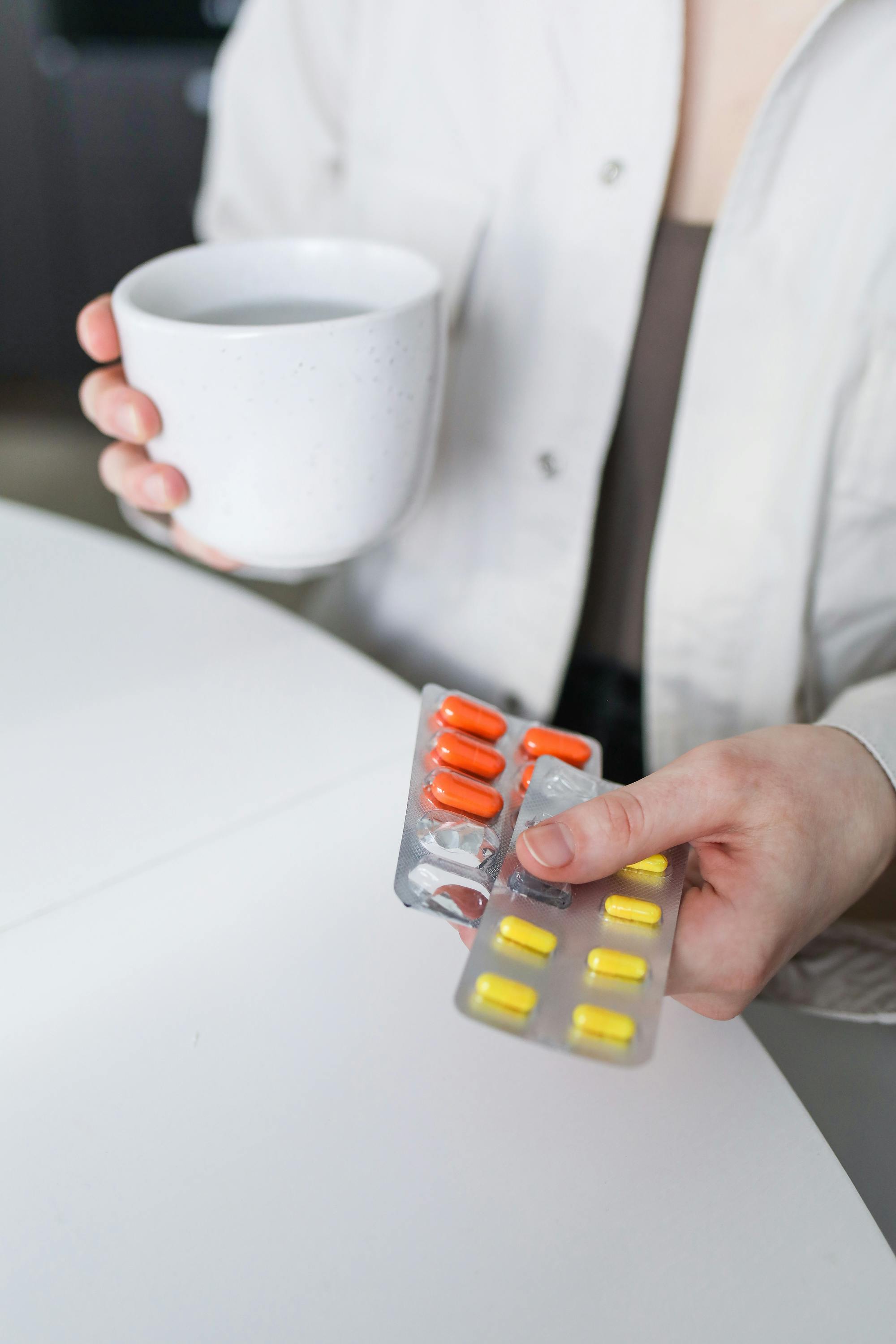
Some headache and migraine products actually include caffeine because it can help certain pain relievers work faster. But adding coffee on top of that can increase total caffeine intake more than people realize. The result may be jitteriness, nausea, rebound headaches, or a pounding heart that makes the original problem feel worse.
Nonsteroidal anti-inflammatory drugs such as ibuprofen or aspirin can also be tough on the stomach in some people. Coffee may add to stomach irritation, especially on an empty stomach or in those prone to reflux. That combination can turn a simple pain routine into heartburn, queasiness, or abdominal discomfort.
A practical example is the person treating a morning headache with a caffeinated pain tablet and a large coffee. Relief may come quickly, but so can side effects. Checking labels for hidden caffeine and being mindful of total intake helps prevent an overcorrection that backfires.




Leave a Reply