
Not all fats behave alike, and new research is sharpening that distinction. The latest findings suggest that one common fat may help tumors grow, while another may be tied to lower cancer risk.
What the new study found
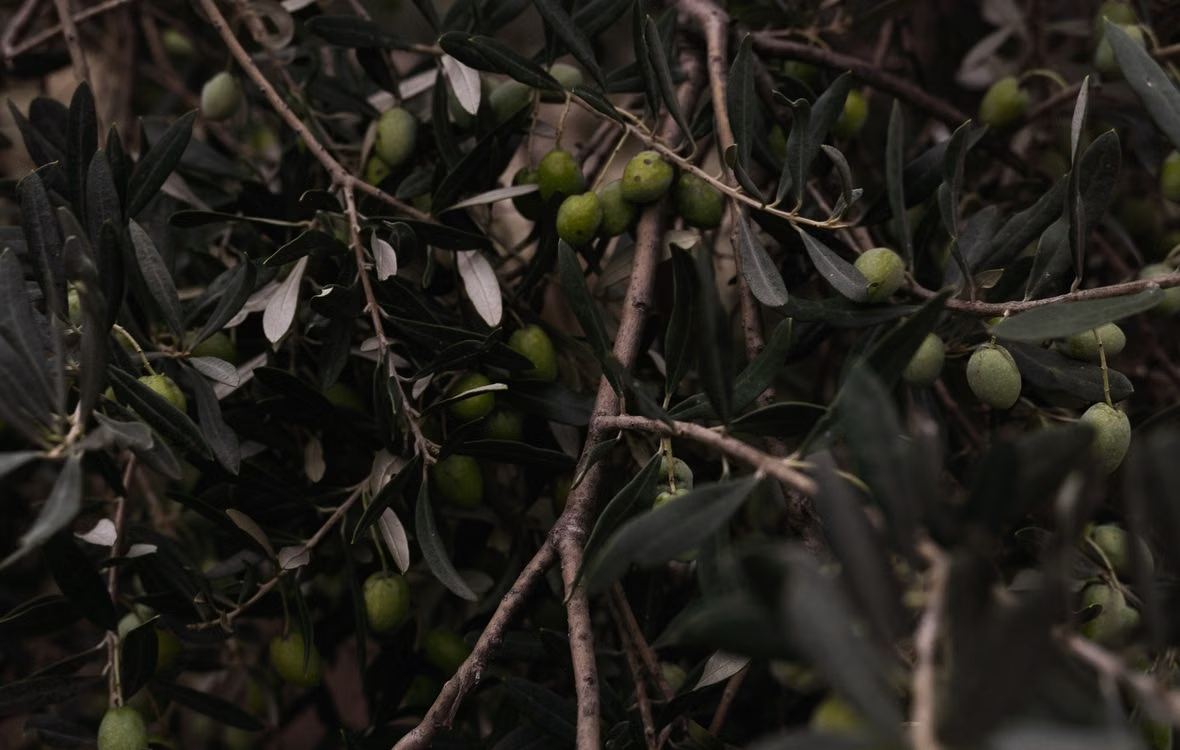
At the center of the research is a contrast between two well-known fats: linoleic acid, an omega-6 fat common in seed oils and processed foods, and omega-3 fats, which are often found in fatty fish, walnuts, and flaxseed. Scientists reported that linoleic acid may directly encourage the growth of certain hard-to-treat cancers, especially triple-negative breast cancer.
The study, reported by major health and science outlets, showed that linoleic acid can activate a growth pathway in tumor cells through a protein called FABP5. That matters because triple-negative breast cancer lacks the hormone receptors that many standard treatments target. In simpler terms, researchers may have identified a biological route through which a widely consumed fat helps some cancers thrive.
At the same time, separate lines of evidence have pointed in the opposite direction for omega-3 fats. Several observational studies and reviews have linked higher omega-3 intake or better omega-3 blood levels with lower cancer risk or better outcomes in some patients. The latest work does not mean all omega-6 fats are harmful or that omega-3s are a cure, but it does reinforce that the kind of fat people eat can influence disease biology.
Why linoleic acid is drawing attention
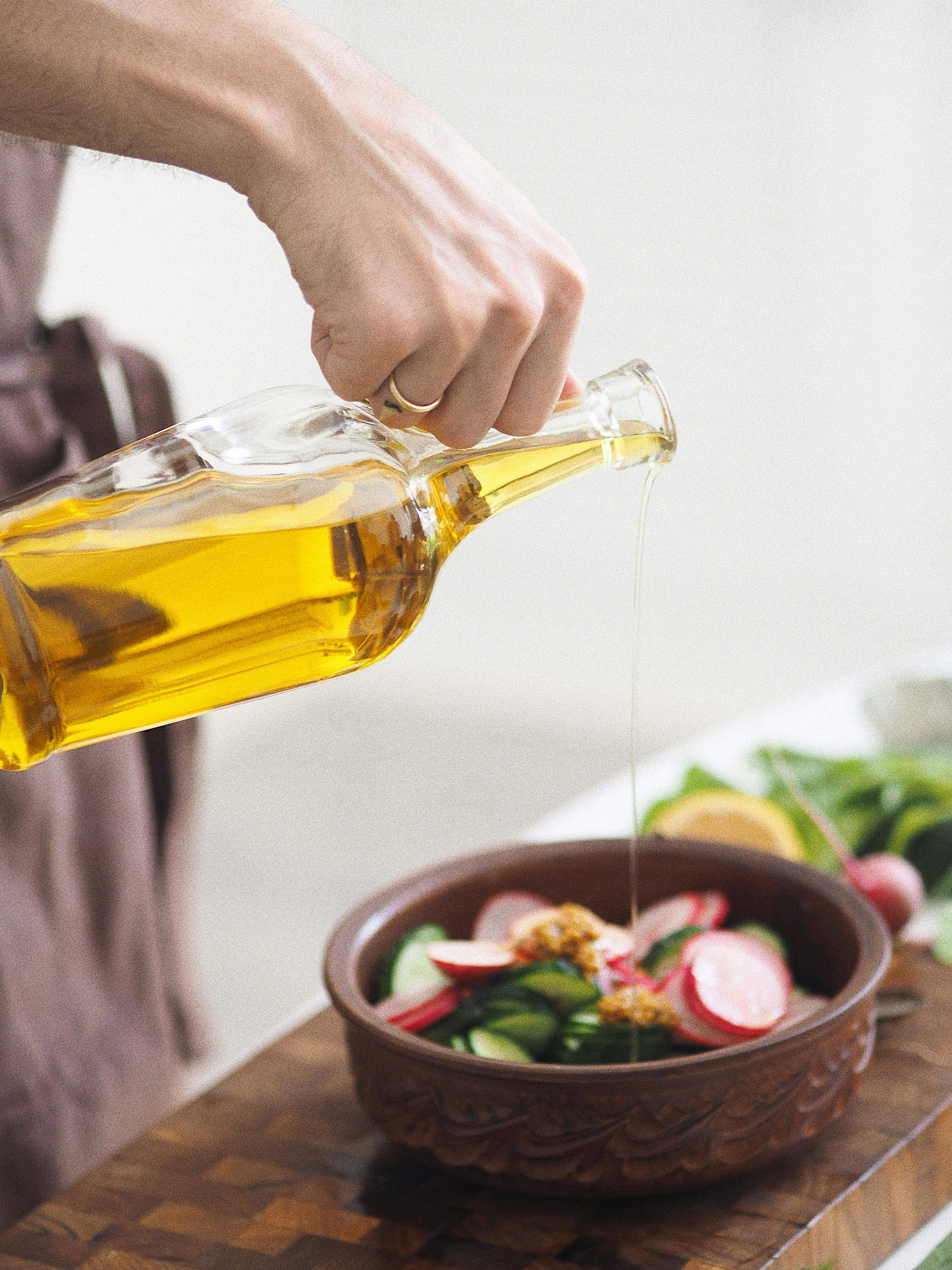
This finding is getting attention because linoleic acid is everywhere in modern diets. It is abundant in soybean, corn, safflower, and sunflower oils, all of which are widely used in restaurant frying, packaged snacks, baked foods, dressings, and fast food. That does not automatically make these oils dangerous, but it does mean exposure can be high and constant.
Researchers were careful to focus on mechanism, not fear. The concern is not that a single meal containing seed oil causes cancer. The issue is whether long-term, high exposure creates conditions that help existing tumor cells grow faster in susceptible people, especially when a tumor expresses the FABP5 protein that appears to respond to linoleic acid.
This is an important distinction for the public. Nutrition research often gets flattened into good-versus-bad headlines, when the reality is more specific. A fat may affect one cancer subtype, under certain molecular conditions, while having a far less dramatic effect in the broader population. That is why scientists are framing this study as a clue to cancer biology, not a final verdict on every bottle of cooking oil.
The fat linked to lower risk
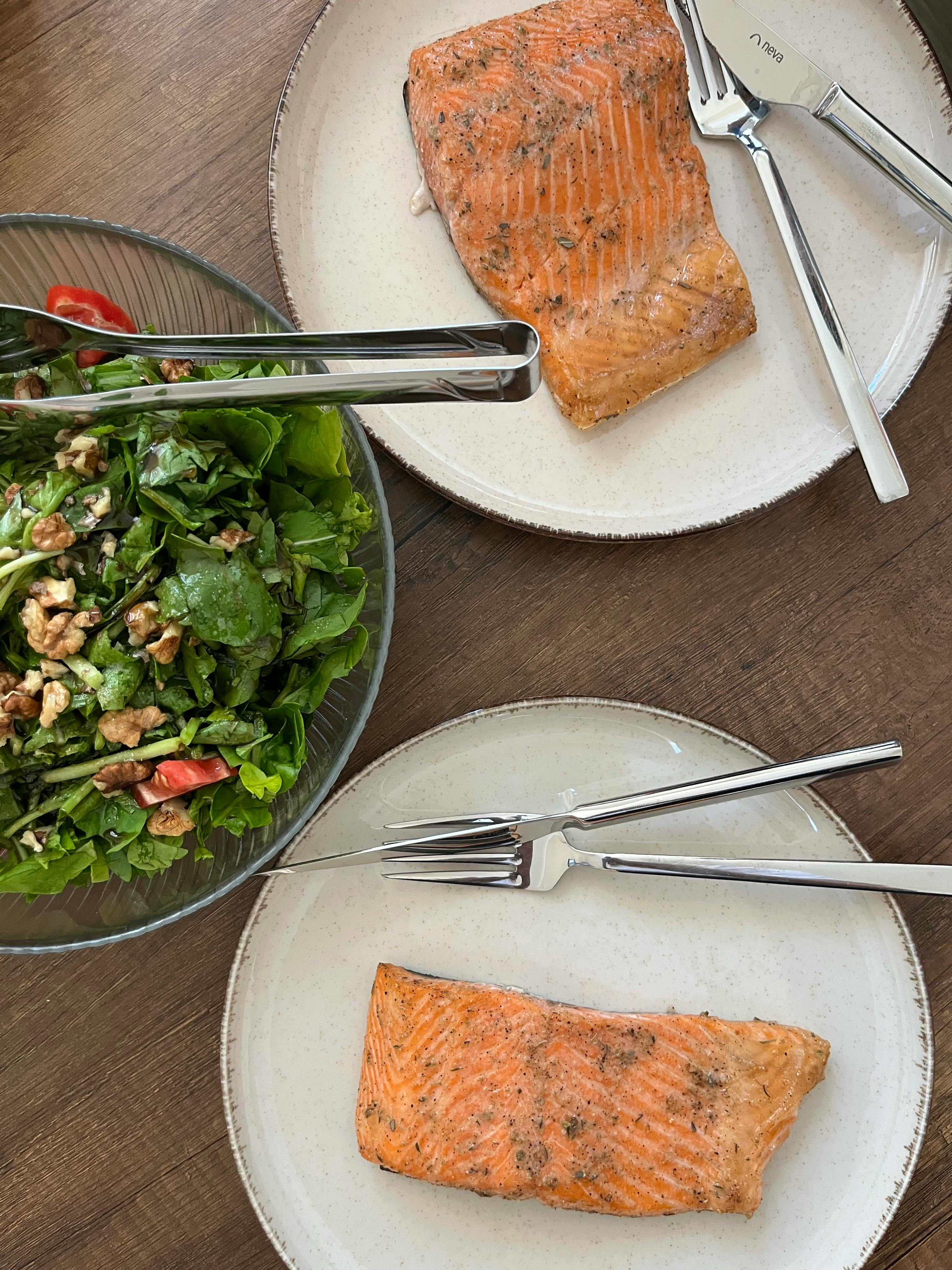
Omega-3 fats enter the story from a very different angle. These fats, especially EPA and DHA from fish, are known for their anti-inflammatory effects and their role in cell membrane health. Chronic inflammation is one of the conditions that can help cancer develop and spread, so nutrients that dampen inflammation have long interested researchers.
Some studies have found that people with higher omega-3 intake have modestly lower risks for certain cancers, including breast and colorectal cancer, though results are not always uniform. That inconsistency is common in nutrition science because diet is difficult to isolate from exercise, smoking, weight, genetics, and access to healthcare. Even so, the broader trend has kept omega-3s in the conversation as a potentially protective dietary factor.
There is also laboratory evidence that omega-3 fats may slow tumor-promoting signals, reduce cell proliferation, or make the environment around a tumor less favorable for growth. Those effects are not the same as preventing cancer outright, but they help explain why researchers continue to study omega-3s as part of cancer prevention and supportive care.
What this means for everyday eating

For most people, the practical takeaway is not to panic, but to be more selective about fat sources. A diet dominated by ultra-processed foods, fried meals, and packaged snacks tends to deliver large amounts of omega-6 fats without much nutritional balance. By contrast, whole-food eating patterns usually bring a healthier mix of fats, fiber, antioxidants, and plant compounds.
Experts generally advise shifting, not eliminating. That means eating more fatty fish such as salmon, sardines, or trout, adding nuts and seeds in moderate amounts, and relying more often on minimally processed foods. It may also mean cutting back on frequent fast food and heavily processed products, which often combine refined carbohydrates, excess sodium, and industrial oils in ways that are hard on overall health.
It is also worth remembering that body weight, alcohol intake, physical activity, and smoking remain major cancer-related factors. No single nutrient determines destiny. Still, if two types of fat send different biological signals, then improving fat quality over time is a sensible move with benefits that likely extend beyond cancer risk.
Why scientists are being cautious

A strong laboratory finding does not instantly translate into a universal rule for human diets. Many cancer studies begin in cells or animals because that is where researchers can isolate specific pathways and see how molecules behave. Human beings, however, eat mixed diets over decades, and their risk is shaped by countless interacting factors.
That is why experts are avoiding sweeping claims. The new work appears especially relevant to triple-negative breast cancer, not necessarily every cancer type. It also highlights the possibility that personalized nutrition could someday matter more in oncology, with doctors looking at a tumor's molecular profile to determine whether certain fats are especially risky or potentially useful to limit.
Another reason for caution is that omega-6 fats are essential fats, meaning the body needs them. The issue is balance and context, not total elimination. Public health guidance is unlikely to tell people to cut out all seed oils, but this research could influence future recommendations about how much is too much and who may be most vulnerable.
Where the research could lead next

What makes this study especially important is its potential to open more precise cancer prevention strategies. If scientists can confirm that FABP5 helps certain tumors feed on linoleic acid, that pathway might become a drug target. In theory, doctors could one day block that signal and reduce a tumor's ability to use this fat for growth.
Researchers are also likely to test whether dietary changes can alter outcomes in patients whose tumors show this vulnerability. That would be a major step because it would move the conversation from general dietary advice to targeted nutrition plans based on tumor biology. It could also help explain why some people respond differently to the same foods.
For now, the clearest message is measured and practical. Fats are not interchangeable, and the body responds differently depending on the source, the amount, and the disease context. As evidence builds, the safest bet remains a diet centered on whole foods, regular physical activity, and a pattern of eating that favors healthier fats over heavily processed ones.



Leave a Reply