
Canadians still like flavor. They are simply becoming far less interested in pain disguised as dinner.
Hot sauce growth is no longer telling the old story
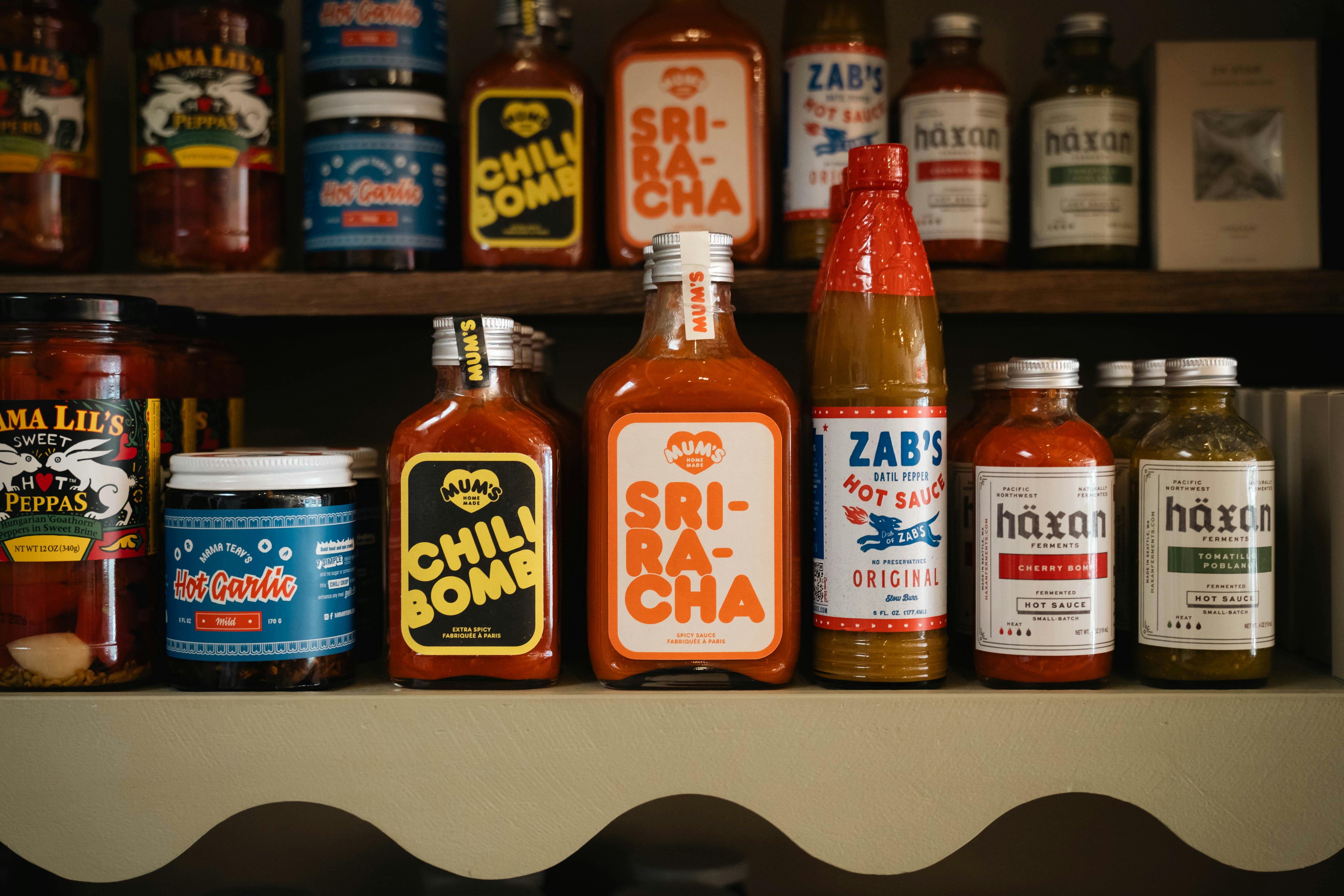
For years, spicy food looked unstoppable in Canada. Hot sauces multiplied on grocery shelves, chicken chains competed over ghost pepper launches, and snack brands leaned hard into heat as a badge of excitement. That momentum has clearly softened.
Recent retail tracking across North American packaged foods has shown that hot and extra-hot flavor lines are no longer outpacing the broader condiment and snack categories the way they did in the late 2010s. In many cases, growth has flattened while classic, barbecue, garlic, dill, honey, and creamy profiles have gained share.
Industry analysts have pointed to a simple explanation. Novelty drove earlier gains, but repeat purchasing is harder to sustain when the experience is too intense for the average household. A bottle bought once out of curiosity does not create a dependable category winner.
That matters in Canada, where mainstream grocery success depends on broad family appeal. Products that satisfy one adventurous eater but alienate everyone else at the table struggle to earn permanent basket space.
Restaurant menus are quietly dialing back the heat
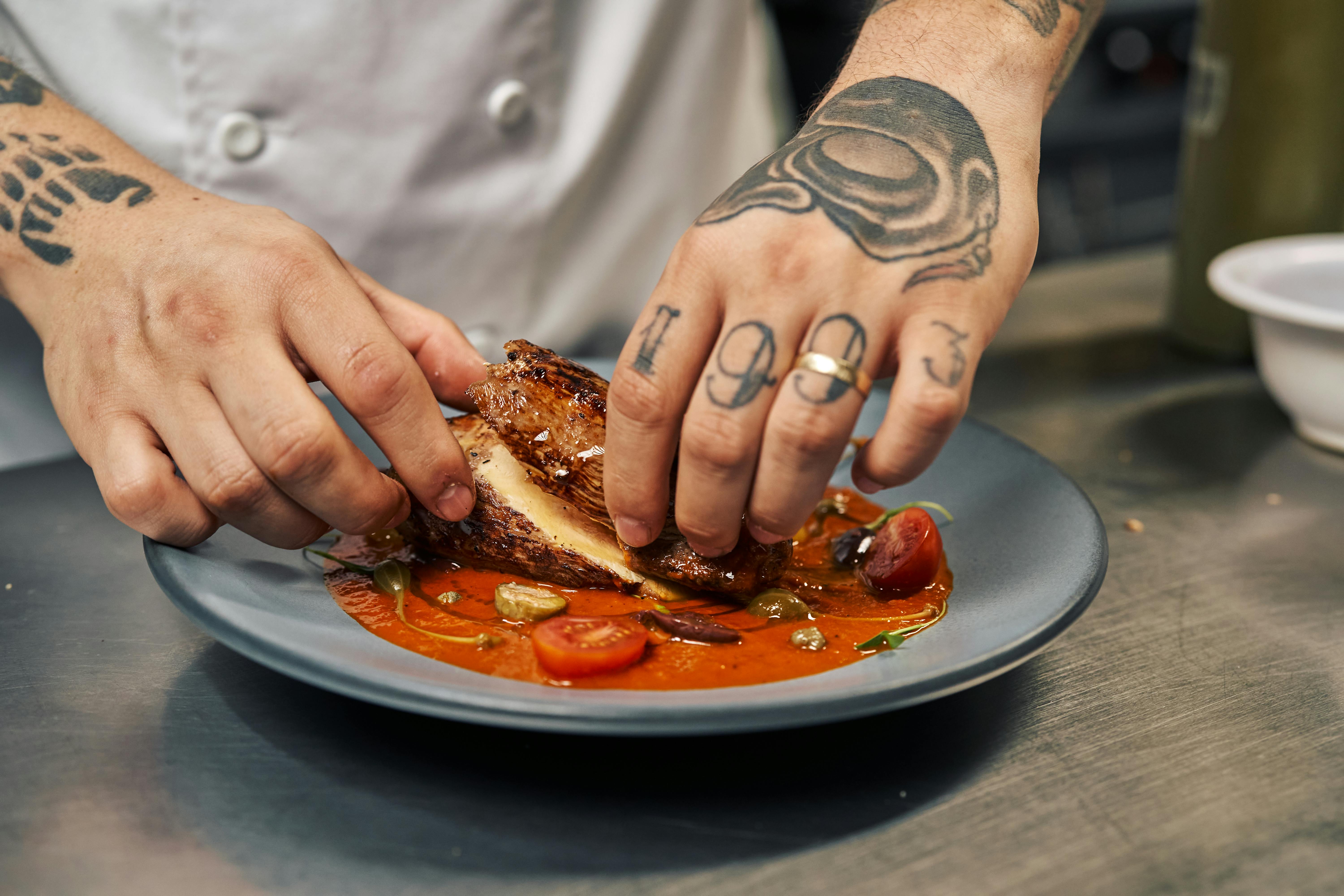
The clearest signal often appears on menus before it shows up in headlines. Across casual dining and quick-service restaurants, spicy language remains popular in marketing, yet many actual recipes have become milder and more flexible.
Chains still use words like "jalapeño," "sriracha," and "spicy mayo" because they sound energetic and modern. But operators know that a manageable level of heat sells better than dishes that risk customer complaints, abandoned meals, or uneven ratings on delivery apps.
Restaurant consultants have long noted that most guests want layered flavor, not punishment. Heat works best when it supports sweetness, smoke, citrus, or savoriness. When spice dominates, it narrows the audience and reduces reorder rates, especially among families and office lunch buyers.
That is particularly important in Canada's high-cost dining market. When consumers are spending more per meal, they are less willing to gamble on something that could be unpleasant after the first bite.
Inflation changed what people expect from comfort food
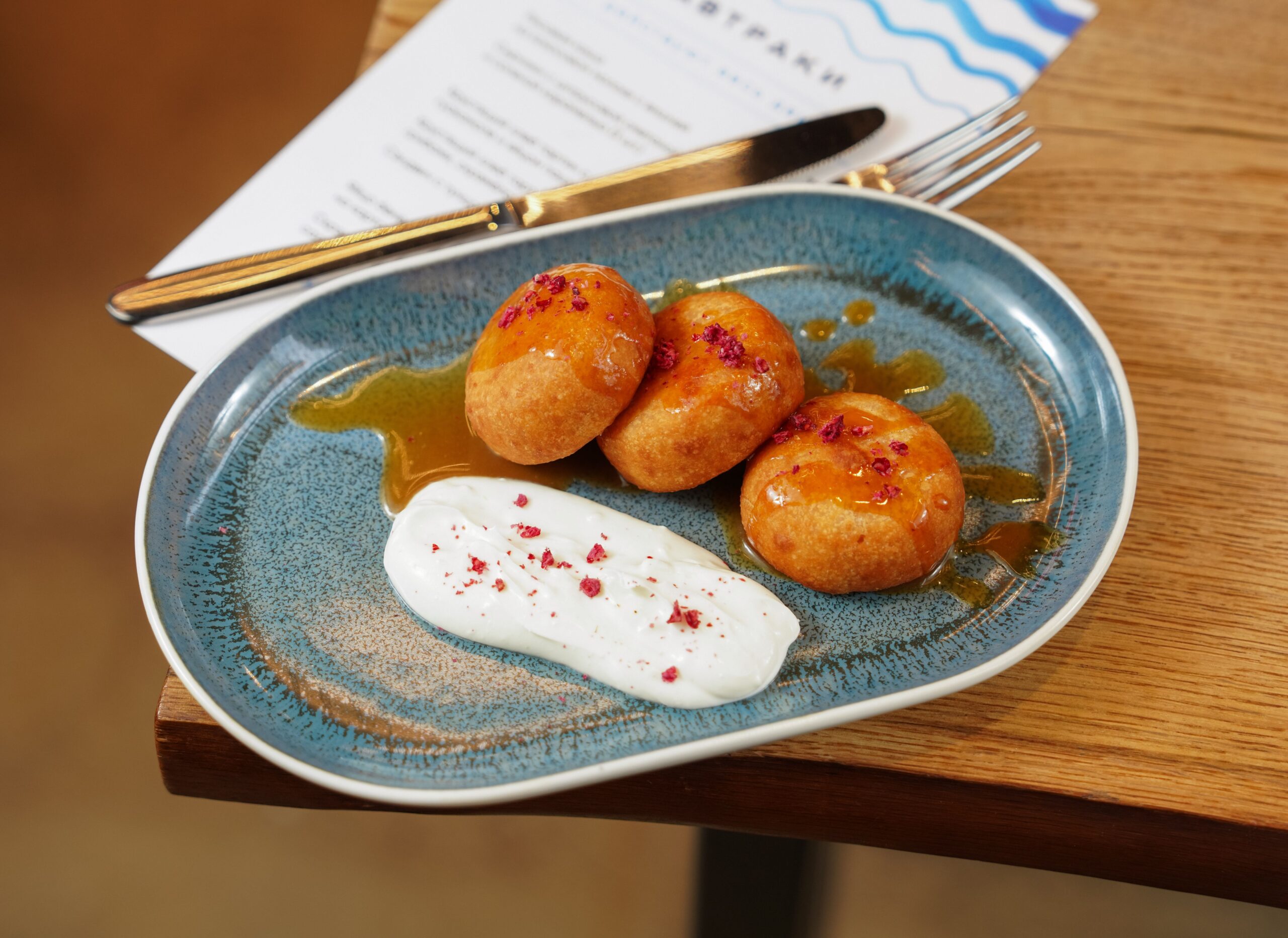
Economic pressure has played a major role in reshaping taste preferences. As food prices climbed, many Canadians became more value-conscious and more conservative in what they buy for home cooking and takeout.
In uncertain periods, shoppers reliably return to comfort. That usually means familiar sauces, predictable seasoning, and foods that everyone in the household will eat without hesitation. Extreme spice runs against that instinct because it increases the risk of waste.
Retailers and manufacturers respond quickly to those cues. If a limited-time fiery chip, ramen bowl, or wing sauce underperforms, future shelf space shifts toward safer flavors with stronger turnover. Grocery economics reward consistency more than social media buzz.
The result is not a rejection of seasoning. It is a move toward warmth instead of aggression, with demand favoring pepper, herbs, tangy sauces, and globally inspired but balanced flavor combinations.
Younger consumers are redefining what adventurous eating means
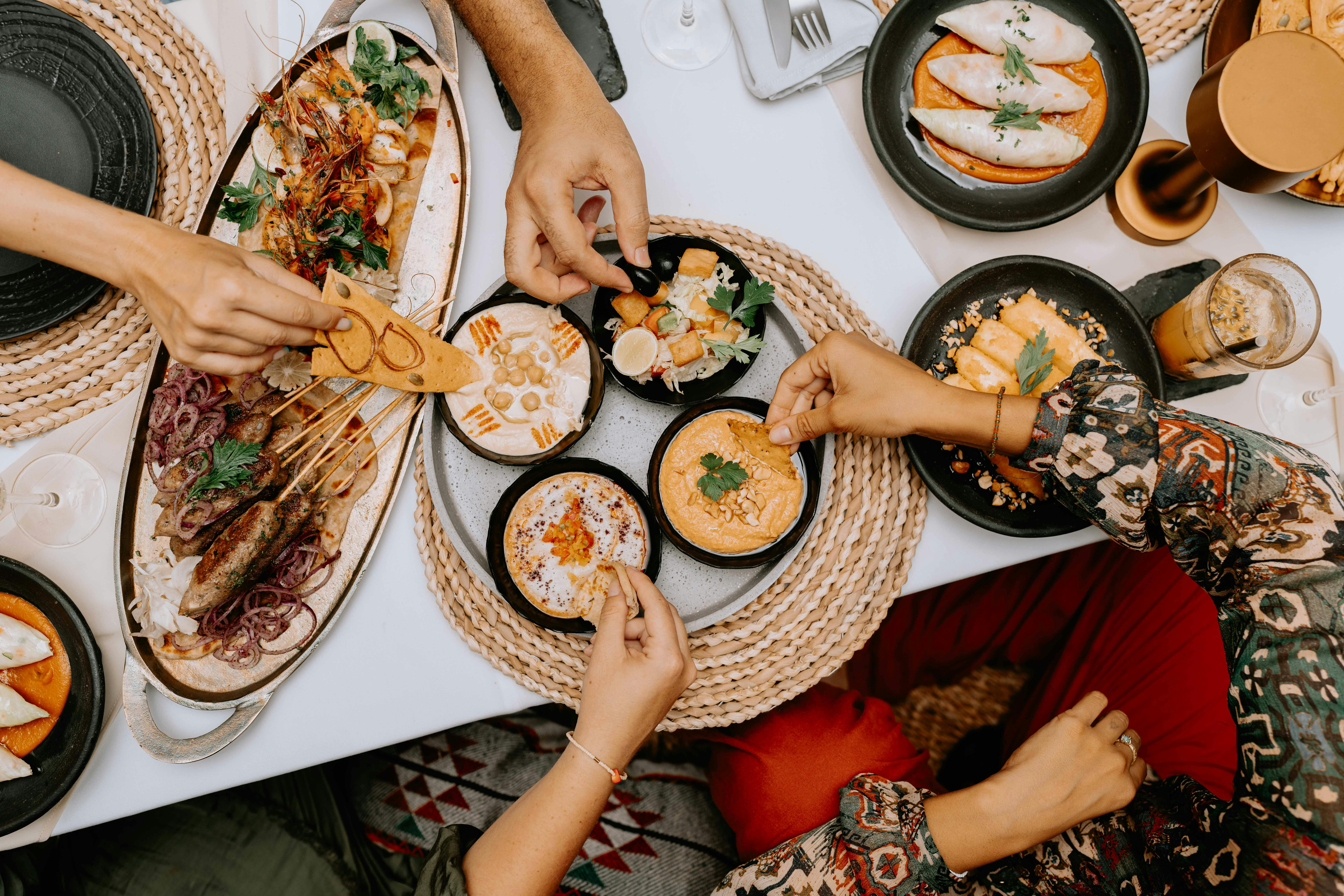
There was a time when food daring was measured by Scoville levels. That idea feels increasingly dated. Younger Canadian consumers, especially urban shoppers, often define culinary exploration through authenticity, texture, fermentation, regional specificity, and ingredient quality.
That shift changes the role of spice. Heat can still matter, but it is no longer the star on its own. Korean, Mexican, Indian, Thai, Caribbean, and African dishes continue to influence Canadian eating habits, yet consumers increasingly look for nuance over brute force.
Food trend forecasters have observed that "complex" now sells better than "crazy hot." Smoky chili oils, chili crisp, harissa, gochujang, and pepper pastes with sweetness or umami fit this preference because they bring dimension rather than a challenge.
In that sense, spicy food is not disappearing. It is being demoted from spectacle to supporting character, which is a meaningful commercial change for brands that once sold heat as the whole point.
Regional and demographic realities also limit the category

Canada is not one uniform taste market. Preferences vary sharply by age, household makeup, region, and cultural background, which makes it difficult for ultra-spicy products to scale nationally.
A trendy hot item may perform well in downtown Toronto or Vancouver but stall in suburban supermarkets where family purchasing decisions favor flexibility. Seniors, children, and mixed-preference households all push brands toward moderation.
Even among consumers who enjoy spice, frequency matters. Many people want heat occasionally, not daily. That creates a ceiling on sales volume that sweeter, saltier, or more neutral pantry staples do not face.
For national brands, those realities are hard to ignore. A product line that inspires strong reactions but only modest repeat sales will usually lose investment to items with broader, steadier demand across provinces and demographics.
The future belongs to balanced flavor, not extreme heat
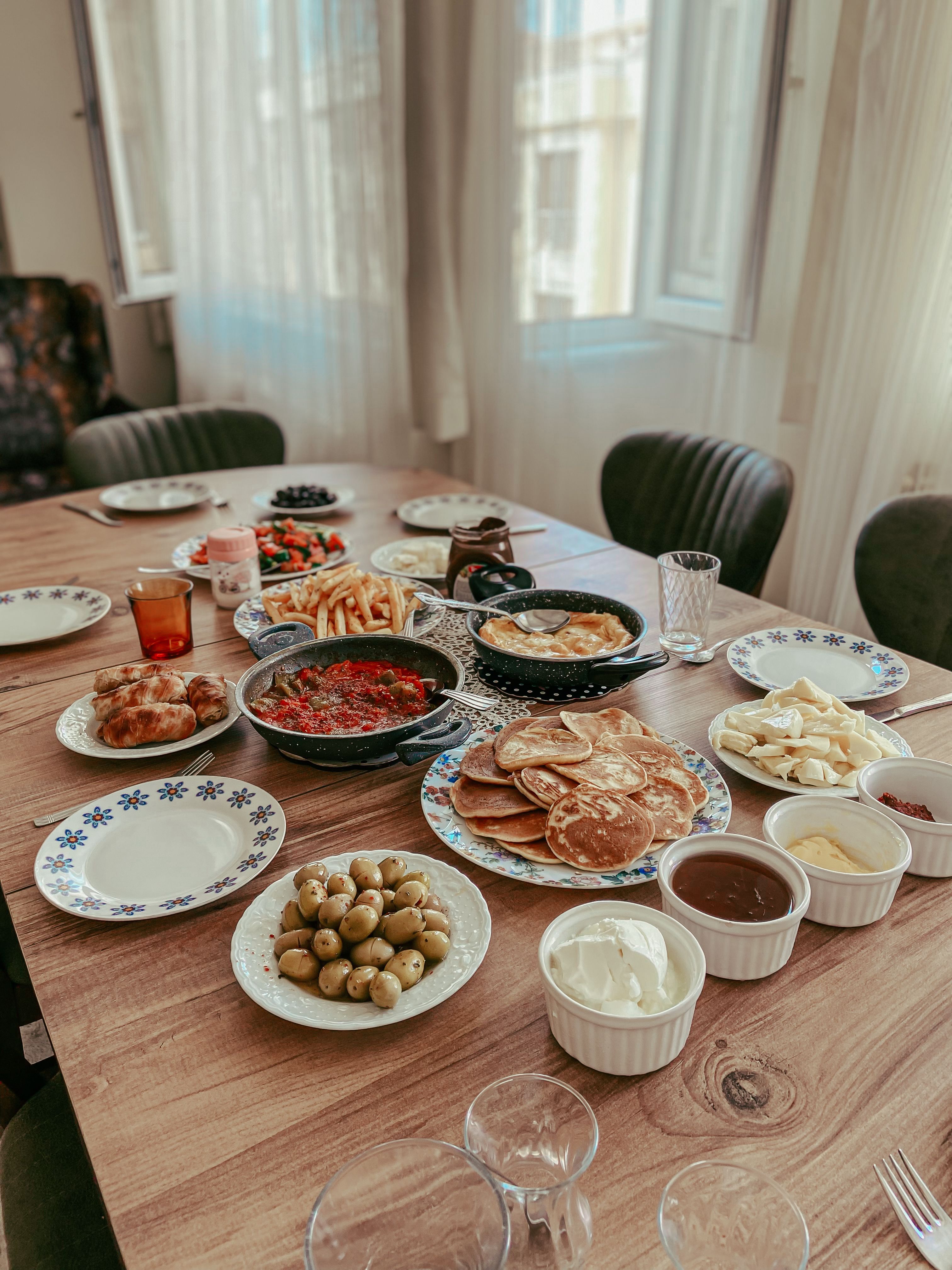
The sales message is becoming harder to miss. Canadians have not turned against bold food, but they are showing less interest in products that confuse intensity with quality.
The brands likely to win next are the ones that understand moderation. They will use chili, pepper, and spice blends thoughtfully, pairing heat with brightness, richness, or sweetness so the result feels complete rather than confrontational.
This is already visible in grocery innovation and restaurant development. Mild peri-peri, sweet-heat barbecue, smoky pepper sauces, and customizable spice levels are outperforming one-note burn in many mainstream settings.
So yes, spicy food is losing ground in its most extreme form. In Canada, the market is voting for flavor first, comfort second, and heat only when it earns its place.




Leave a Reply