
They went from wellness niche to everyday order surprisingly fast. In Canada this year, smoothie bowls are no longer a trend at the edge of the menu.
The jump is big, but the timing makes sense
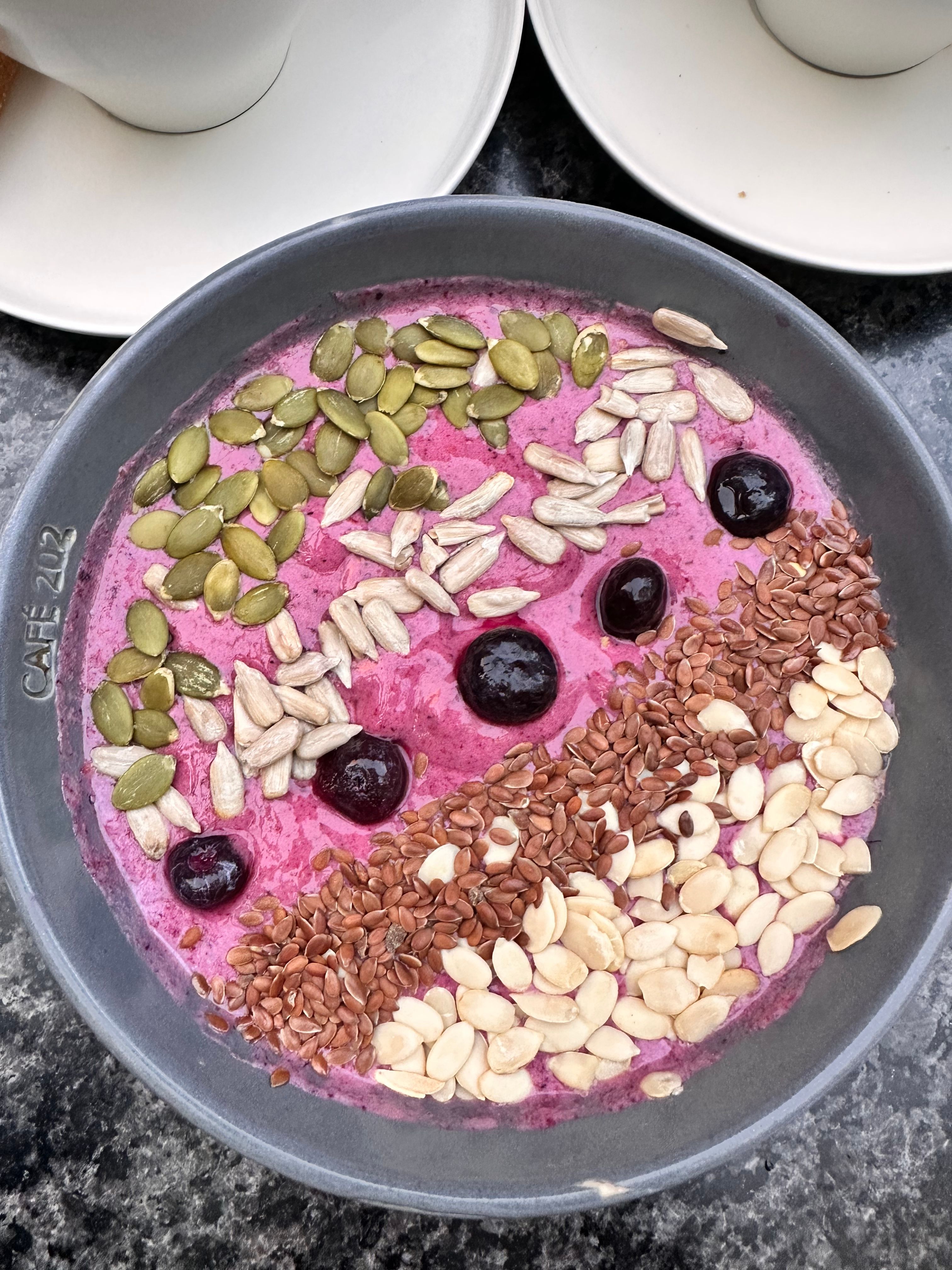
A 311% rise sounds dramatic, yet it fits a broader shift in how Canadians are eating. People increasingly want meals that feel fresh, portable in spirit, and lighter than traditional fast food. Smoothie bowls meet that demand while still looking indulgent.
They also sit at the intersection of several strong consumer habits. Breakfast has become more flexible, lunch is often improvised, and snack culture keeps growing. A smoothie bowl can move between all three without much resistance.
Foodservice operators have noticed that versatility. Cafés, juice bars, and even some casual restaurants can sell smoothie bowls from ingredients they already stock, including frozen fruit, granola, yogurt, seeds, and nut butters. That lowers the barrier to adding them to the menu.
Canadians want health that feels easy, not strict
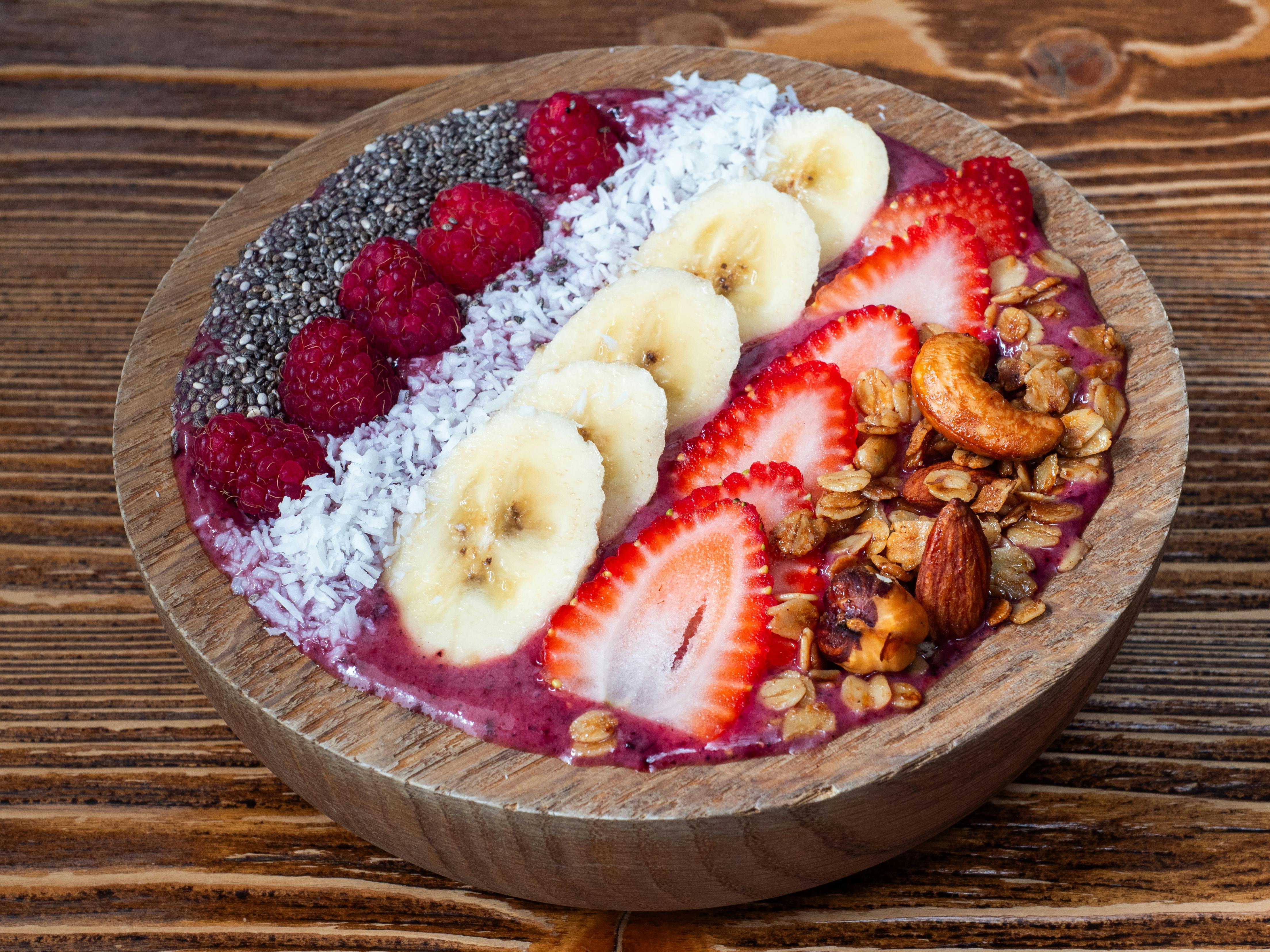
One reason these bowls are spreading so quickly is that they signal wellness without demanding perfection. They are commonly associated with fruit, fiber, probiotics, and plant-forward eating, even when they are customized for taste first. That makes them approachable.
For many consumers, especially younger urban diners, the appeal is balance. A smoothie bowl feels more nourishing than a pastry and more satisfying than a bottled drink. Toppings such as chia, hemp hearts, coconut, and berries add texture while reinforcing the healthy image.
That image matters in a high-cost environment. When people spend more on food, they often want a purchase that feels both enjoyable and responsible. A colorful bowl with visible ingredients offers that reassurance in a way many packaged foods do not.
Social media helped turn them into a visual food staple
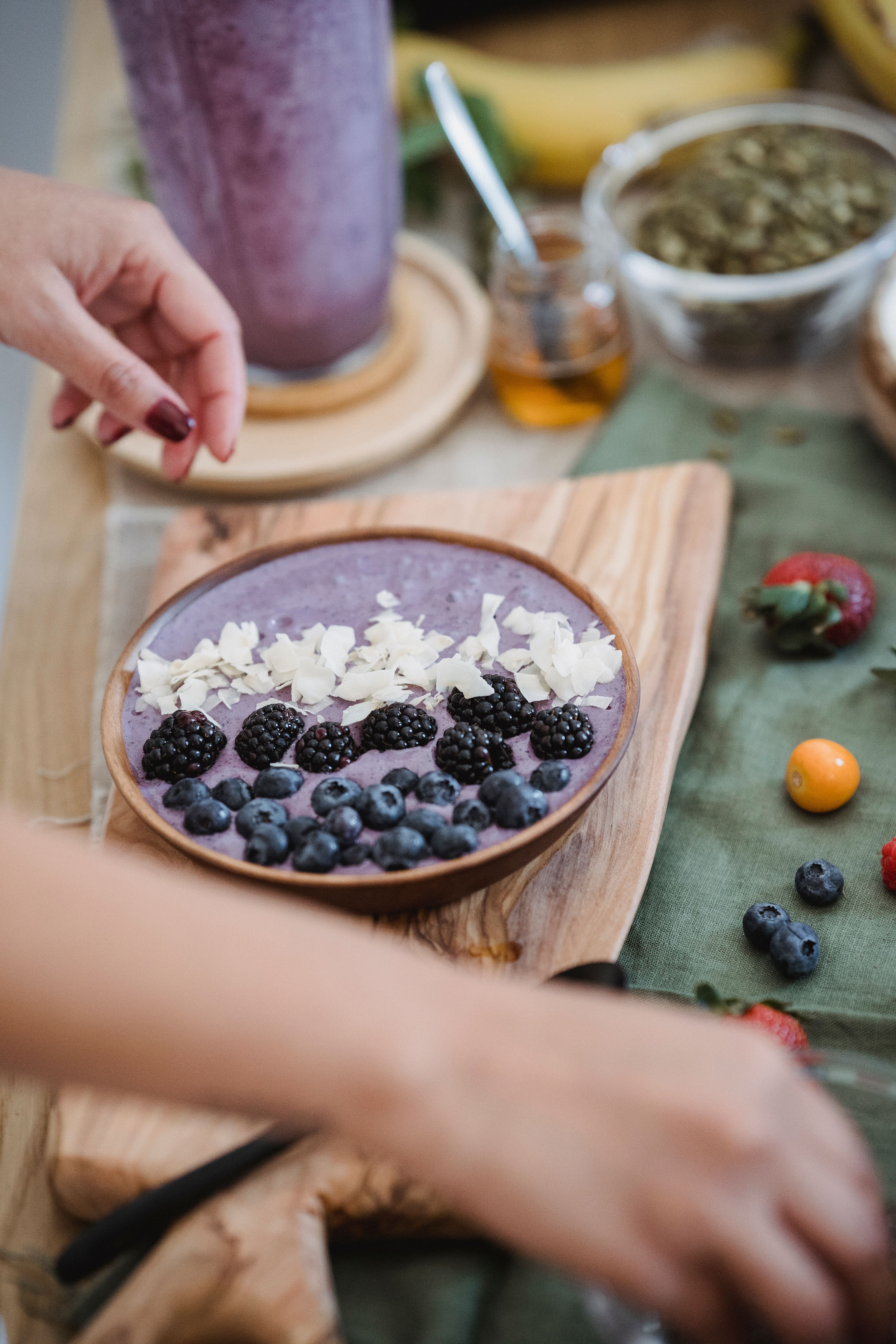
Some foods spread because they solve a need. Others spread because they also photograph beautifully, and smoothie bowls do both. Their bright colors, layered toppings, and neat presentation make them ideal for short-form video and café marketing.
That visibility has real commercial value. A bowl topped with sliced banana, dragon fruit, granola, and nut butter communicates freshness in seconds. Customers do not need a long explanation to understand what they are getting.
This has helped independent cafés compete. A visually striking bowl can become a signature item that draws in new traffic, especially in neighborhoods shaped by Instagram, TikTok, and local food creators. In many cases, the bowl is both menu item and advertisement.
Weather, routine changes, and urban food culture all matter

Canada's warmer months always boost demand for cold, refreshing foods, but recent summers have made chilled options even more appealing. Smoothie bowls benefit from that seasonal pull while offering more substance than a standard smoothie or iced drink.
Routine changes matter too. Hybrid work has reshaped daytime eating, with more people grabbing breakfast after leaving home or seeking a light lunch between meetings. A smoothie bowl fits neatly into that pattern because it feels quick without seeming rushed.
Urban food culture adds another layer. In cities such as Toronto, Vancouver, and Montreal, consumers are highly exposed to global wellness trends, specialty cafés, and ingredient-driven menus. Once a product gains traction in those markets, wider national adoption often follows.
Businesses like them because they are flexible and profitable
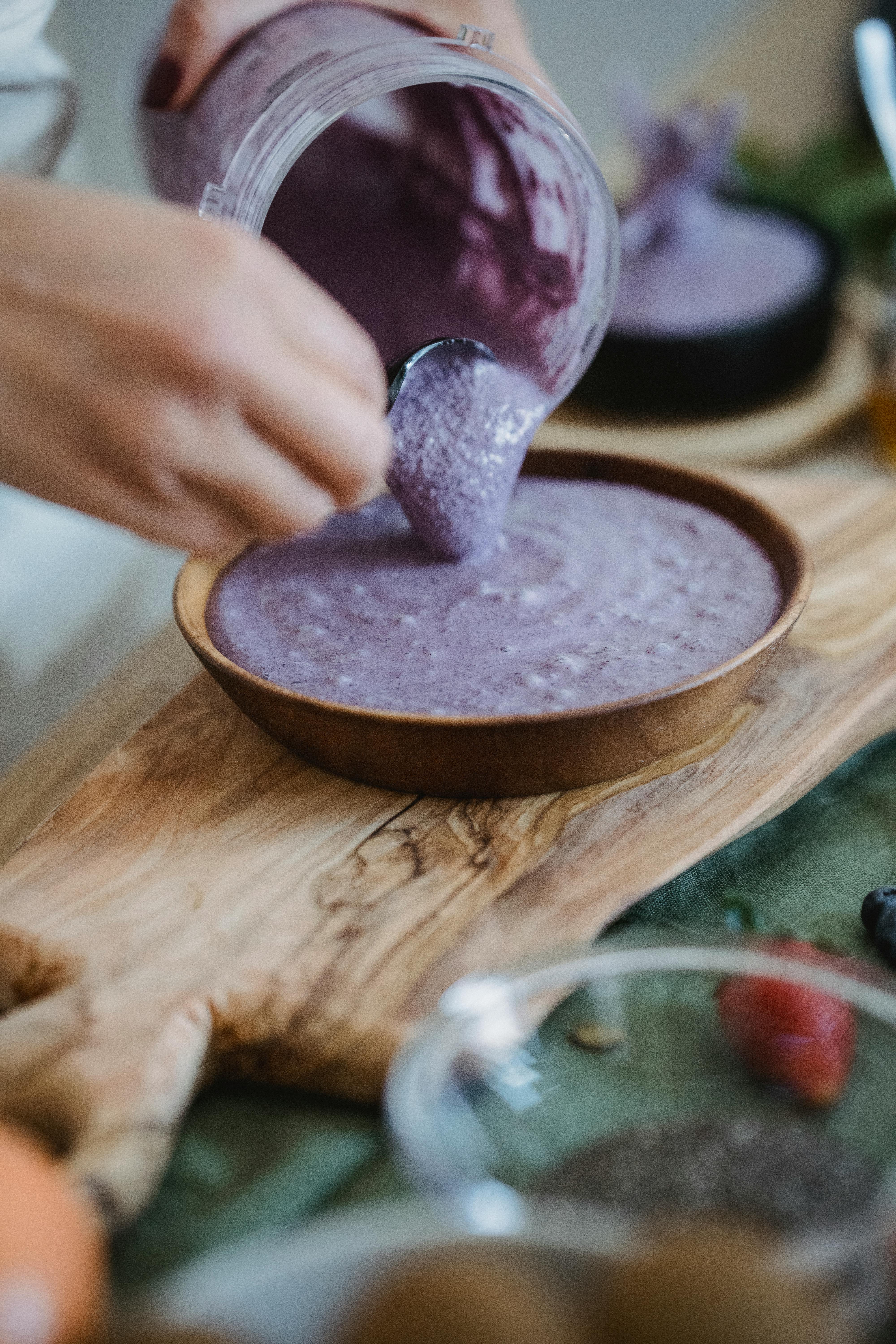
From an operator's perspective, smoothie bowls are relatively easy to test. They do not require a full kitchen buildout, and they can be adapted to different price points. That makes them attractive to small businesses watching labor and food costs closely.
They are also highly customizable. A base made with acai, mango, strawberry, or banana can be adjusted for dairy-free, high-protein, or dessert-style preferences. Toppings create natural upsell opportunities, from collagen add-ons to premium fruit and specialty granola.
That flexibility helps reduce menu fatigue. Instead of launching a completely new product every season, cafés can rotate flavors and toppings. Limited-time combinations keep customers interested while preserving a familiar format that staff can produce quickly and consistently.
The boom may last, but the category will mature
Smoothie bowls are unlikely to disappear because they answer several durable needs at once. They offer convenience, customization, visual appeal, and a health-forward identity. Those qualities tend to hold up better than novelty alone.
Still, the category will probably evolve. Consumers are becoming more aware of sugar content, portion size, and protein balance, so stronger menus will respond with clearer nutrition, better ingredient quality, and more substantial builds. The next phase is refinement, not retreat.
In other words, smoothie bowls are suddenly everywhere because they fit the moment unusually well. They match how Canadians want to eat now: quickly, visually, seasonally, and with at least the feeling of doing something good for themselves.



Leave a Reply