
They are messy, fast, and suddenly hard to get by 1 p.m. In cities across Canada, the humble smash burger has become the lunch rush item chefs can predict in volume but still struggle to fully explain.
A lunch craze hiding in plain sight

What looks like a simple burger trend has turned into a reliable midday sellout. Independent burger counters in Toronto, Calgary, Vancouver, and Montreal have reported smash patties moving faster at lunch than premium steaks, chicken sandwiches, and even breakfast carryovers. For operators, that is unusual because lunch buyers are often more price-sensitive and more hurried than dinner guests.
The smash burger fits that window almost perfectly. A thin patty cooks quickly on a flat-top, the cheese melts in seconds, and the bun toasts fast without slowing the line. That means restaurants can serve more people in less time, which matters in office districts where the biggest crowds arrive between 11:45 a.m. and 1:15 p.m.
Many chefs expected the trend to cool once post-pandemic novelty faded. Instead, lunch demand strengthened. Some say customers are not treating smash burgers like a special indulgence anymore. They are ordering them as a default meal, the way people once defaulted to wraps, deli sandwiches, or quick-service burritos.
Texture may be doing more work than chefs admit
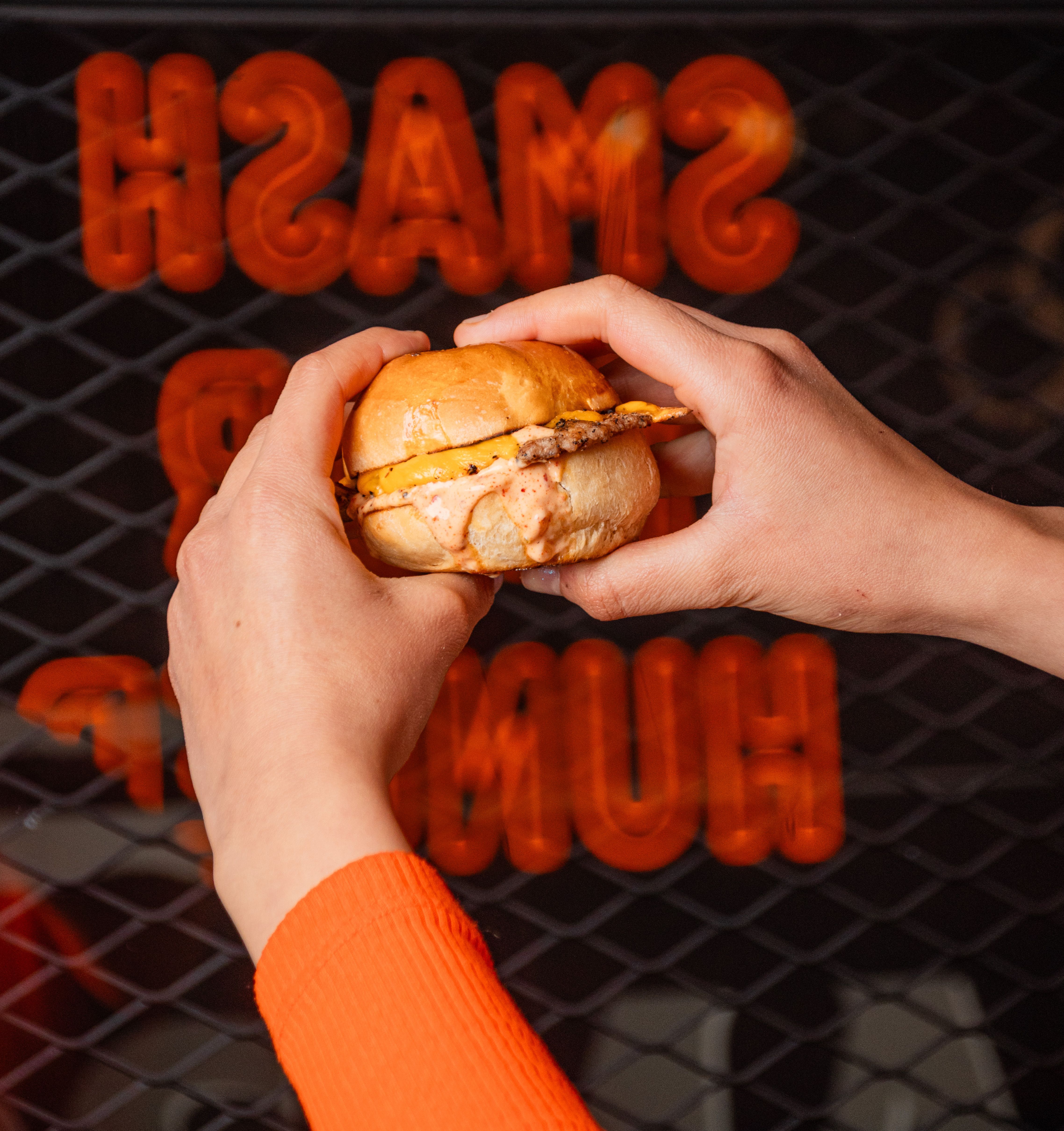
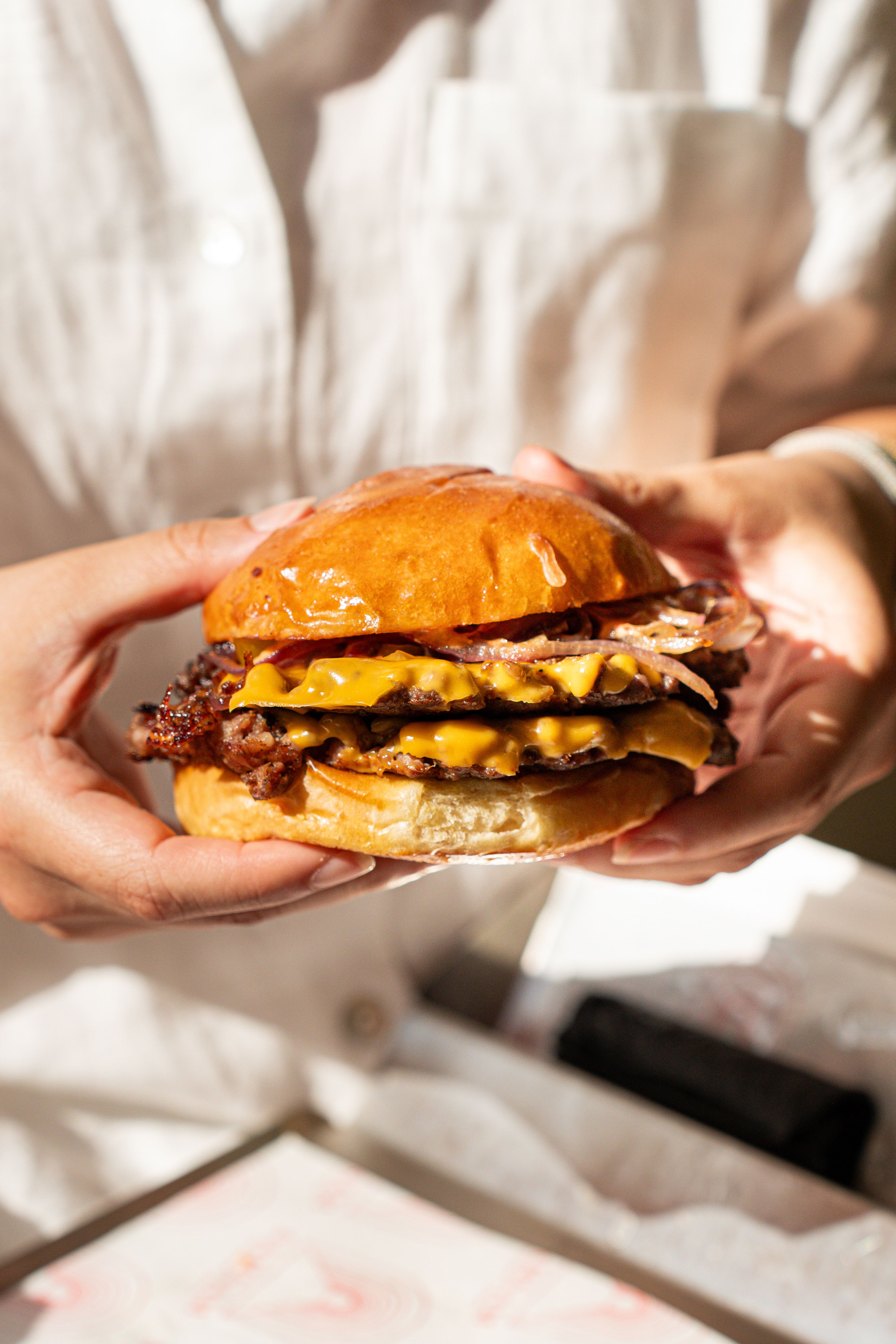
The first bite explains part of the appeal. Smash burgers create a thin, lacy crust through direct contact with a very hot griddle, producing a deep beefy flavor through browning that thicker patties do not always deliver as consistently. In practical terms, customers get crisp edges, soft bread, molten cheese, and a richer aroma without paying for a large cut of meat.
That sensory payoff matters at lunch because people want immediate satisfaction. A thicker pub burger can be juicy, but it is slower to cook and often heavier to finish during a work break. The smash version feels more efficient, even when it is equally indulgent, because the texture reads as lighter and easier to eat.
Canadian operators also benefit from flexibility. Two thin patties can seem more generous than one thick one, while still keeping portion costs manageable. For guests, that creates a feeling of value. For kitchens, it creates consistency, which is often the hidden engine behind repeat lunch traffic.
Price pressure is shaping the order board
Sticker shock has changed lunch habits across the country. As food inflation pushed up the cost of many casual meals, consumers began looking harder at what feels worth ½ hour away from work and $15 to $20 out of pocket. The smash burger, especially when paired with fries and a fountain drink, still lands in a price zone many diners consider defensible.
That value is not just about being cheap. It is about being legible. People can instantly understand what they are getting, and restaurants can package it clearly as a combo without complicated customization or prep. In an era when some fast-casual lunches feel expensive and underwhelming, a hot burger with visible crust and melted cheese feels honest.
Chefs often say they cannot explain the surge, but accountants can explain part of it. The item works on both sides of the counter. It gives customers predictability and gives operators a product that can move quickly without wrecking margins during the busiest hour of the day.
Social media turned a technique into a symbol
The smash burger was made for cameras before many chefs realized it. The press onto the griddle, the crackling beef, the stack of thin patties, and the cheese sliding over the sides all translate into highly watchable short-form video. On TikTok and Instagram, that has mattered because lunch decisions are increasingly impulsive and visual.
What began as food media fascination turned into mass imitation. Once a few respected spots built lines around the format, smaller restaurants and even non-burger concepts added smash burgers as limited features. In many cases, those specials became permanent after outselling sandwiches and salads at noon.
The result is a feedback loop. Diners see smash burgers everywhere, assume the best shops may sell out, and order earlier or more often. Scarcity then becomes part of the appeal, even when the shortage is simply a kitchen trying to control prep and avoid waste before dinner service begins.
Canadian cities are giving the trend local shape
No two lunch markets in Canada behave exactly the same, yet the pattern keeps repeating. In downtown Toronto, heavy office density rewards speed and portability. In Calgary, energy-sector work schedules create sharp noon demand spikes. In Montreal, compact neighborhoods and strong walk-in culture help small griddle-focused shops thrive on quick turnover rather than long table service.
Vancouver adds another factor: diners often want indulgence without the commitment of a giant pub meal in the middle of the day. Smash burgers answer that with smaller footprints, thinner patties, and shareable sides. The format also travels well for delivery, although many chefs insist the best version is still eaten within minutes of leaving the flat-top.
Regional beef identity plays a role too. Canadian diners already trust burgers as a familiar, high-comfort food, and local sourcing language gives restaurants another sales hook. That combination of comfort, speed, and perceived quality has made the smash burger unusually adaptable from coast to coast.
Why chefs still struggle to name one reason

The real answer may be that there is no single answer. Restaurant trends usually take off when several practical advantages line up at once, and smash burgers check an uncommon number of boxes. They are fast to cook, strong on aroma, easy to photograph, easy to price, and satisfying in a way that feels immediate rather than formal.
Chefs tend to search for a culinary explanation, but diners are making a broader decision. They are choosing convenience, texture, familiarity, and value in one purchase. Lunch is the most unforgiving daypart in food service, and items that survive there usually do so because they remove friction from the customer's day.
That is why the sellouts keep happening. The smash burger is not just a recipe trend. It is a format that matches how Canadians increasingly eat at midday, and until another menu item can beat it on speed, pleasure, and price at the same time, the lunch rush will likely keep clearing the griddle.




Leave a Reply