
A tiny ingredient choice can change breakfast more than most people expect. When cooks debate scrambled eggs, water is one of the most polarizing additions.
Why this kitchen trick became so common
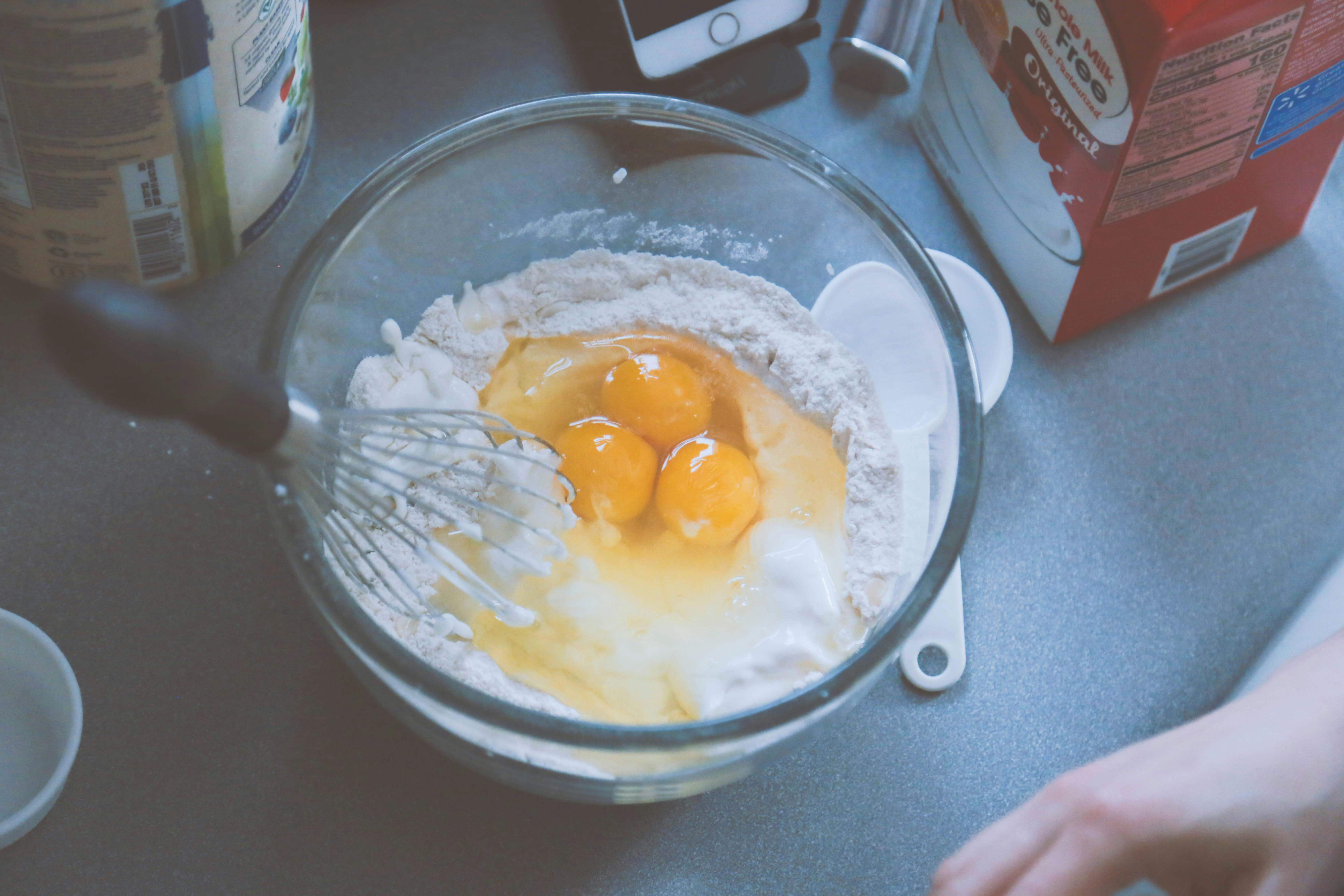
The idea behind adding water is simple. As the eggs cook, the water turns to steam, and that steam is supposed to puff the eggs up. Many home cooks learned the trick from relatives, diner habits, or older cookbook shortcuts that prized volume and speed over refined texture.
Several chefs say that logic makes sense at first, but the results often disappoint. Steam can create a lighter look, yet it does not add richness or structure. Instead of creamy curds, the eggs can become spongy, wet on the surface, and bland once the steam escapes.
That is why the six-chef consensus is so striking. Across restaurant kitchens and cooking demonstrations, the repeated message is that water may increase fluffiness briefly, but it usually reduces flavor concentration and makes doneness harder to control in the pan.
What six chefs agreed on about texture
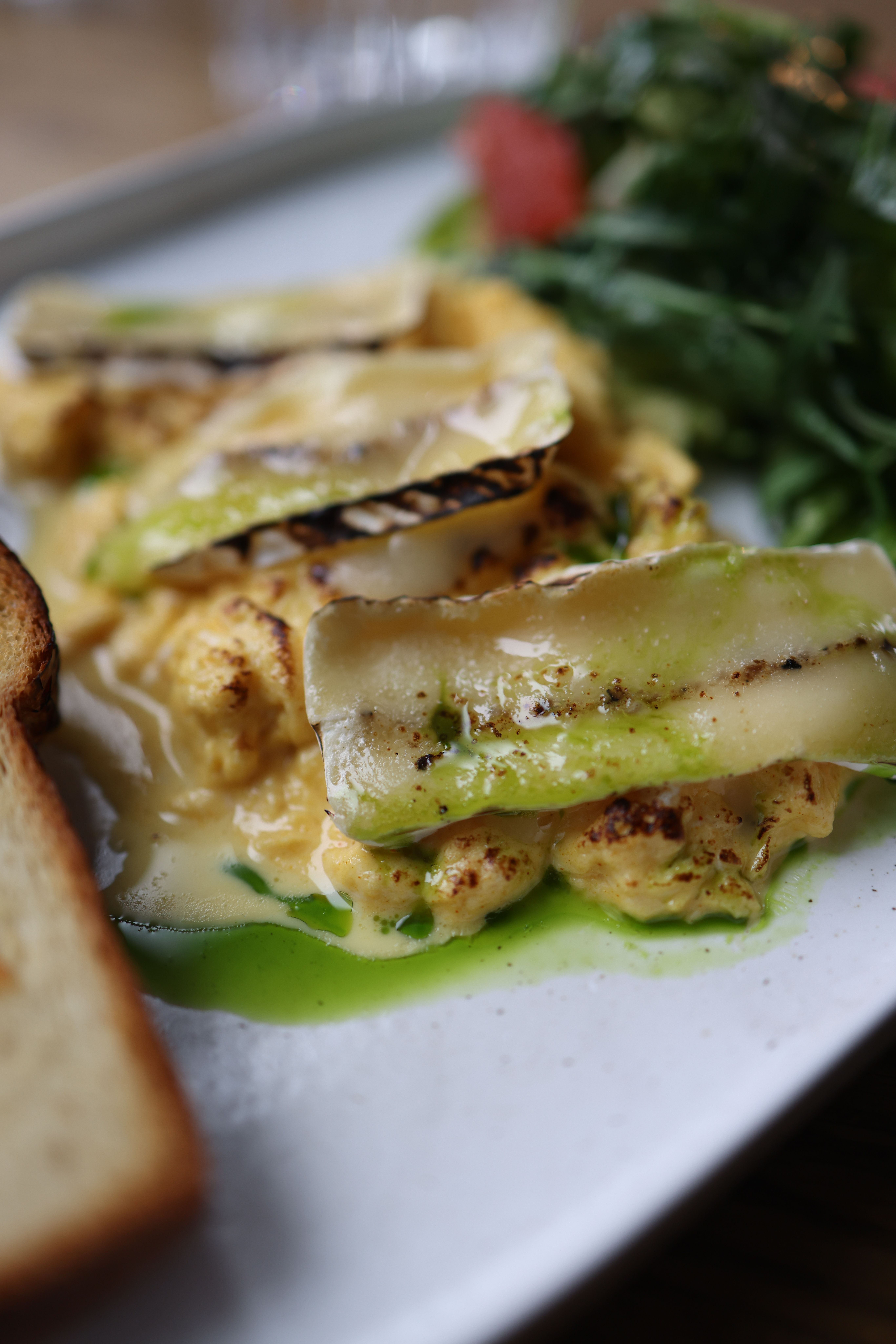
One chef-centered point came up again and again: texture matters more than volume. Soft scrambled eggs should feel tender, moist, and gently set. Adding water pushes the eggs in another direction by thinning the mixture before heat ever hits the pan.
When that diluted mixture cooks, the proteins tighten while the added moisture tries to evaporate. The result can be larger, rougher curds rather than the small, velvety folds many chefs want. In practical terms, that means eggs that look full in the skillet but eat flatter on the fork.
Professional cooks often judge scrambled eggs by mouthfeel, not height. French-style eggs are famously creamy, while classic American diner eggs can be firmer but still rich. Water tends to move both styles away from their ideal, which explains why so many chefs reject it outright.
The flavor problem water creates
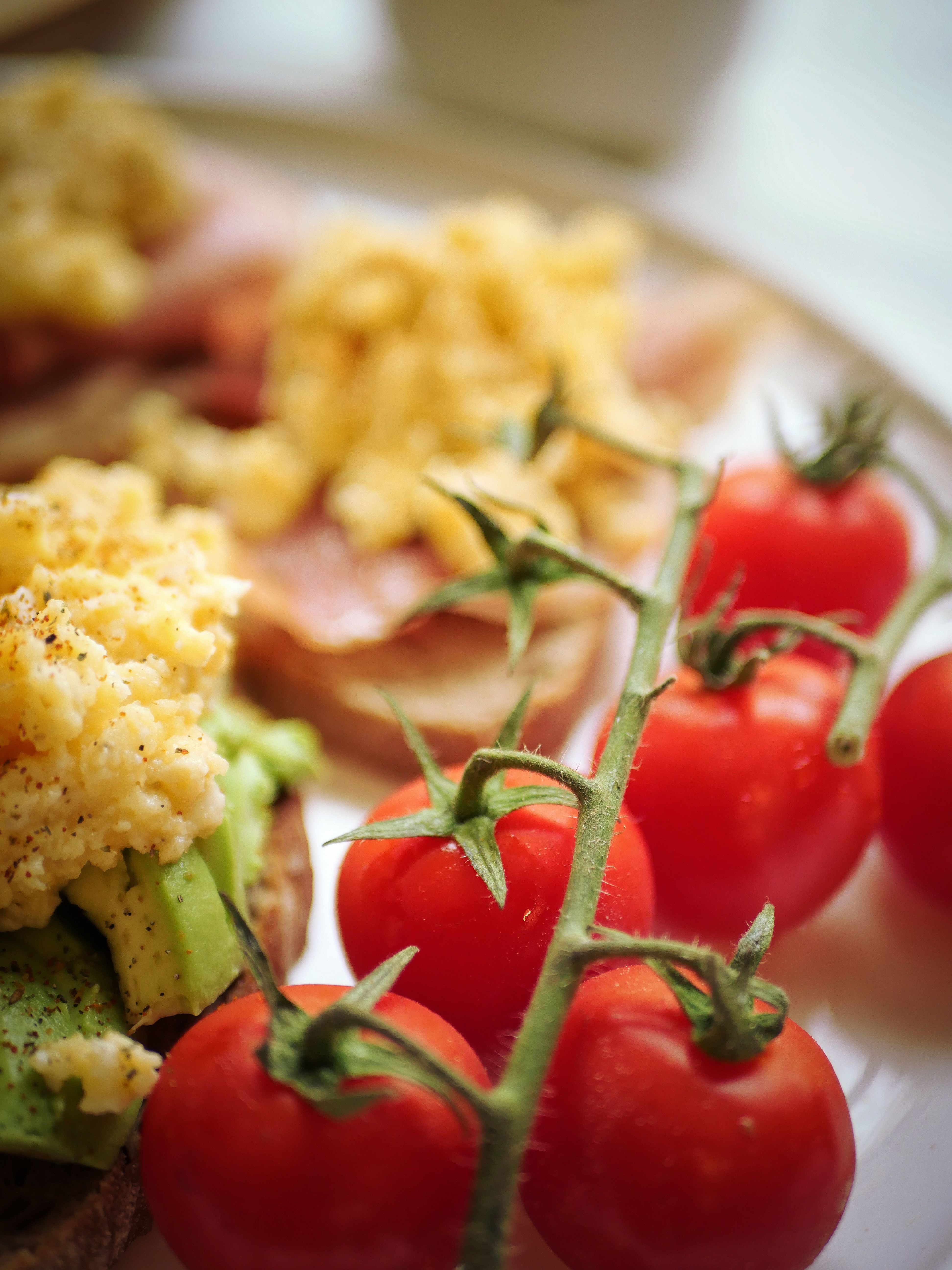
Here is the part many people miss: eggs do not need help tasting weaker. Their flavor is naturally delicate, which means any dilution shows up immediately. A splash of water may seem minor, but even a small amount can mute the buttery, custardy character that makes good scrambled eggs satisfying.
Chefs often point out that eggs are mostly water already. According to food science research, whole eggs contain roughly 75% water, so adding more is rarely necessary. What they need from the cook is careful heat management, because proper cooking preserves moisture without washing out flavor.
This is why many chefs would rather add a little fat than extra liquid. Butter, crème fraîche, or a small spoonful of cream contributes taste and silkiness. Water contributes expansion, but once the steam leaves, it offers very little in return.
When water can work, but still is not the best choice
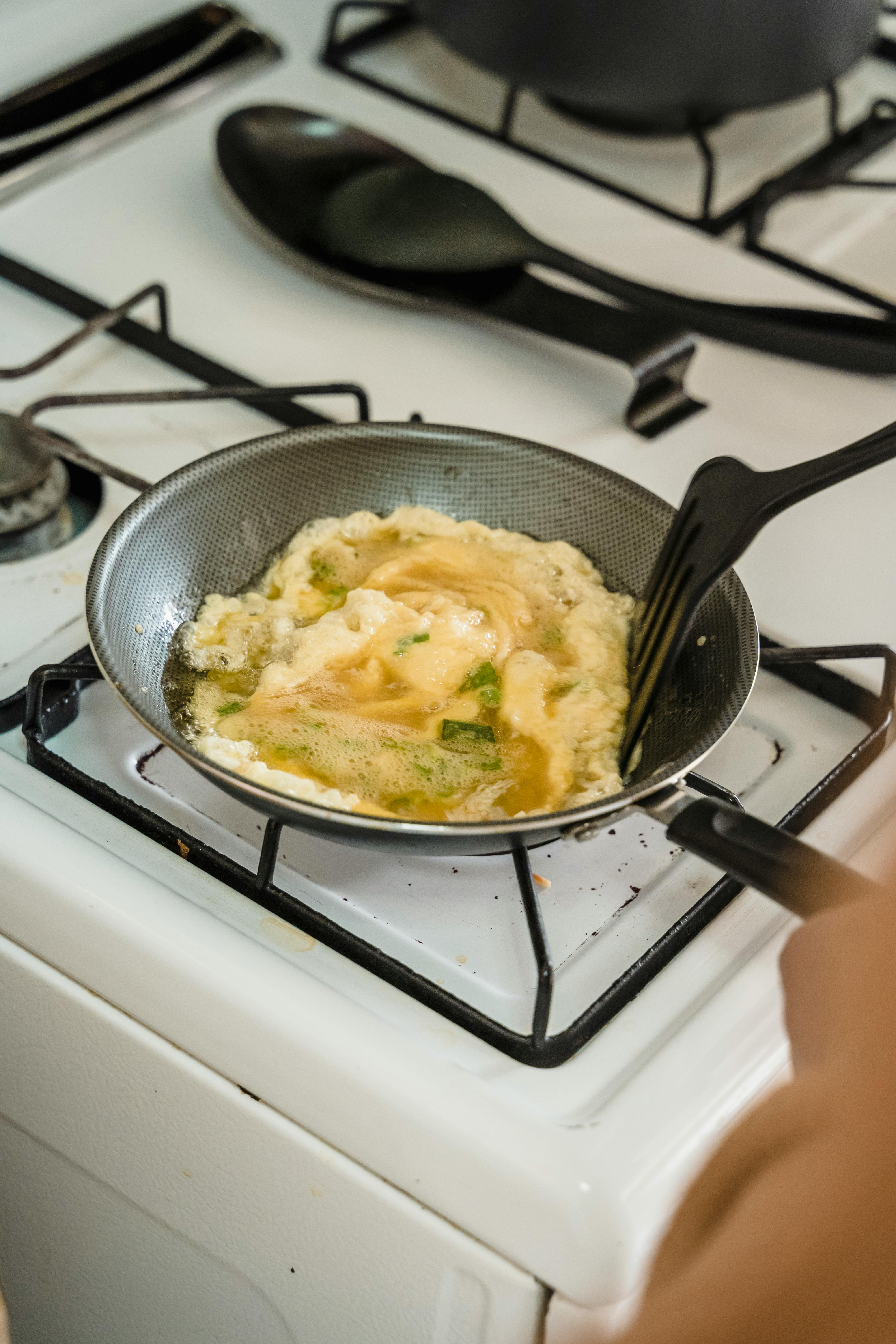
To be fair, water is not a total kitchen myth. In very specific cases, a tiny splash can help create a lighter scramble for people who dislike richness or who are cooking without dairy. Some short-order cooks also use it to stretch eggs fast on a busy griddle.
Even then, chefs warn that the margin for error gets smaller. Too much water causes weeping, where liquid separates and pools on the plate. It can also encourage overcooking, because people chase a firmer set after the eggs first look loose and puffy.
That trade-off is why the shared verdict still stands. Water can produce acceptable eggs, but it rarely produces the best eggs. If the goal is consistently soft, flavorful curds, most chefs believe there are smarter tools to use.
What chefs recommend instead
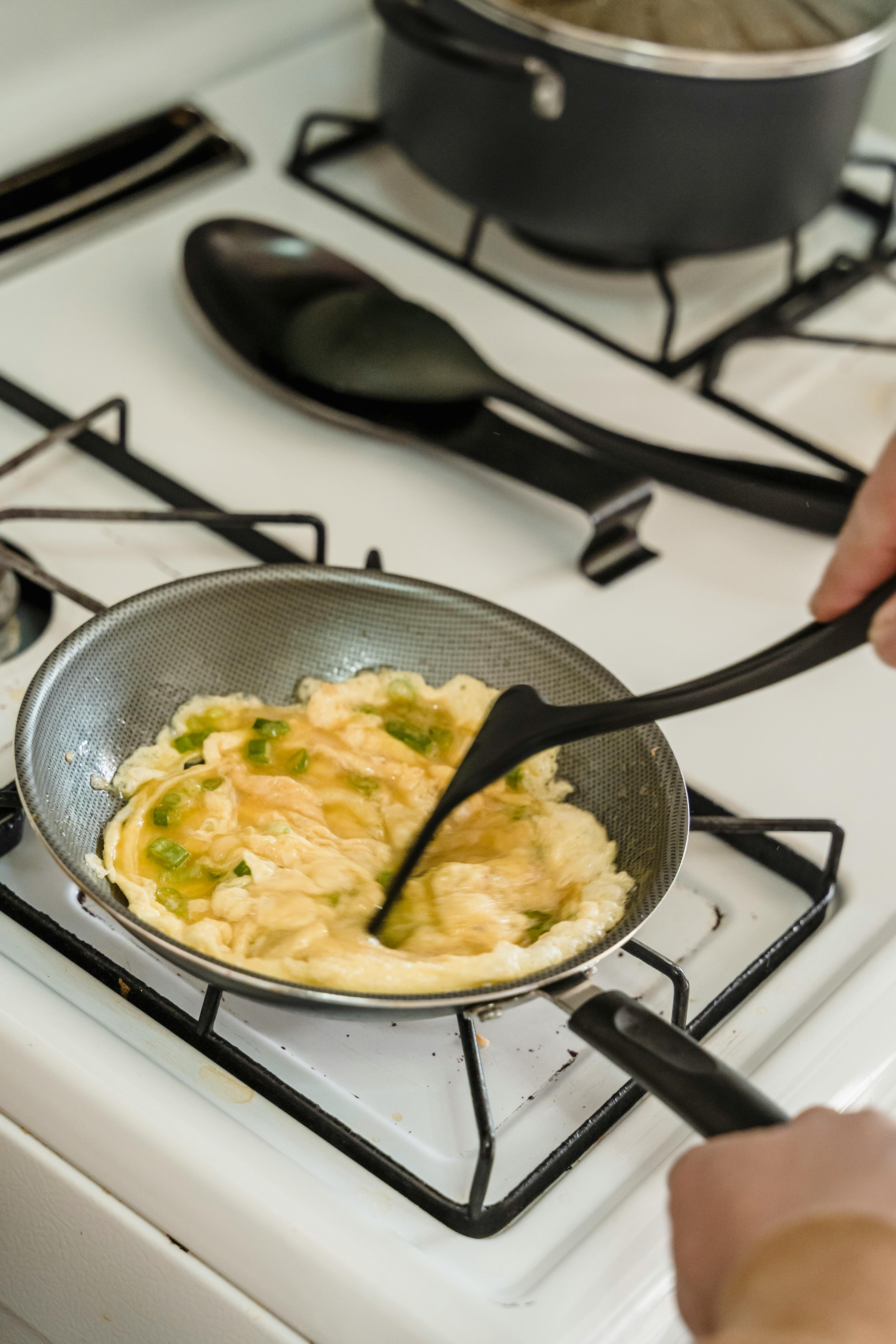
A different approach wins more praise: whisk thoroughly, season thoughtfully, and cook low and slow. Beating the eggs well combines whites and yolks evenly, which helps them set smoothly. A nonstick pan, moderate butter, and gentle stirring do more for tenderness than added water ever will.
Some chefs salt before cooking, while others salt near the end, but both camps agree on one thing. Controlled heat matters most. Pulling the eggs off the stove while they still look slightly glossy allows carryover heat to finish the job without turning them dry.
For richer results, many professionals add a small knob of butter during cooking or finish with crème fraîche. Others fold in chives, soft cheese, or black pepper after the curds form. Those additions build flavor while protecting texture, which is exactly where water falls short.
The bottom line for home cooks

The simplest answer is also the clearest one. If you want scrambled eggs that taste full, soft, and restaurant-worthy, skip the water. The six chefs may differ on butter, pan choice, or stirring style, but on this question they largely land in the same place.
Home cooks should think less about puffiness and more about control. Eggs cook quickly, and their quality depends on timing more than tricks. A lower flame, patient stirring, and removing them from heat early will produce better results than trying to engineer fluff with steam.
So should you add water to scrambled eggs? You can, but most experts would tell you not to bother. Better texture, stronger flavor, and more dependable results come from technique, not dilution.
Leave a Reply