
A stunning plate can fill a dining room. It can also quietly disappoint the people sitting in it.
Restaurants once treated Instagram appeal as free marketing. Increasingly, though, diners are pushing back when theatrical presentation feels like a substitute for flavor, portion size, or hospitality.
The camera-first era changed restaurant menus
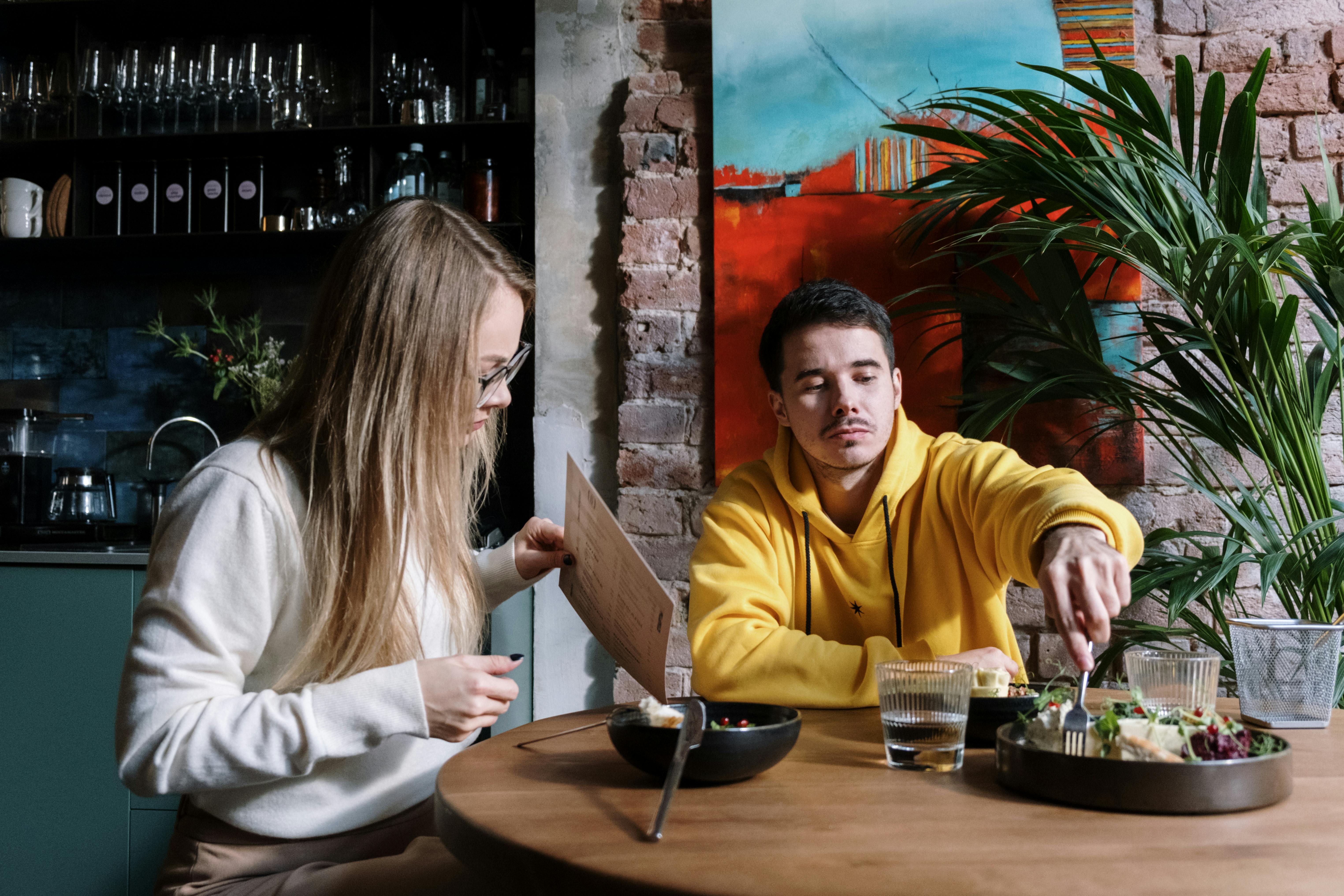
The rise of visually driven dining was not an accident. As Instagram shaped travel, fashion, and nightlife, it also changed what many operators believed a successful dish should do first: stop the scroll. Rainbow bagels, gravity-defying milkshakes, black charcoal ice cream, and towering brunch boards spread because they photographed well before anyone asked whether they were enjoyable to eat.
This strategy worked for a while. A single viral post could bring lines around the block, especially for independent restaurants with tiny marketing budgets. According to hospitality analysts and restaurant consultants, highly visual signature items often functioned like advertising campaigns built directly into the menu.
But the camera-first model also changed kitchen priorities. Chefs began building height, color contrast, and novelty into dishes that had to survive phone cameras, dining room lighting, and social media trends. In many cases, the food became a performance object first and a meal second.
Diners are getting better at spotting style over substance
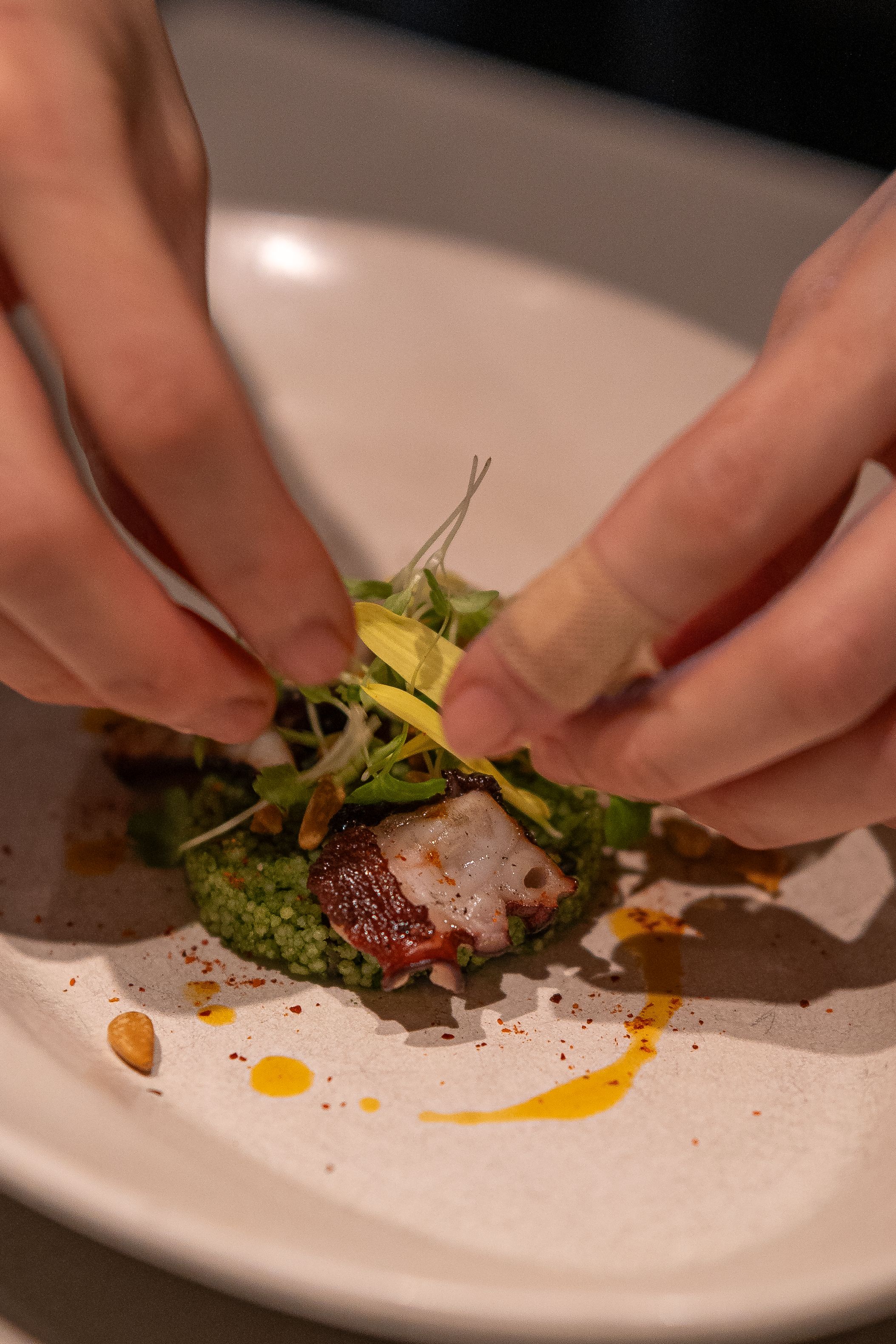
Consumers are now more media-savvy than they were a decade ago. They recognize when a plate is engineered for social sharing but delivers weak seasoning, awkward textures, or impractical serving formats. The complaint is no longer rare: diners increasingly say some famous menu items look exciting online yet feel underwhelming, messy, or overpriced in person.
Review platforms have amplified that shift. Instead of praising only aesthetics, customers now regularly comment on whether food arrived lukewarm because it was dressed too elaborately or whether portion sizes shrank while presentation became more dramatic. That kind of feedback can undermine the very buzz restaurants hoped to create.
The backlash is especially strong during periods of higher menu prices. When people are paying more for dinner, they tend to judge value more strictly. A dish designed mostly for photos can start to look less like a fun indulgence and more like evidence that the restaurant is charging for spectacle.
Photogenic food often creates operational problems

What looks effortless on a feed can be surprisingly expensive and inefficient behind the scenes. Intricate garnishes, custom plating tools, specialty serveware, and labor-heavy finishing steps slow kitchens down, especially during peak service. In an industry where margins are already thin, extra seconds per plate matter.
There is also the issue of consistency. A dish built around visual perfection may be difficult to reproduce across shifts, locations, or staffing levels. If the viral version online does not match what lands on the table, disappointment becomes immediate and public.
Some Instagram-famous dishes also travel badly. Delivery and takeout, now central revenue streams for many restaurants, expose the weakness of fragile presentations. Sauces bleed, stacked components collapse, and carefully placed garnishes wilt, leaving customers with a meal that feels like a broken promise.
Taste, comfort, and trust are regaining value
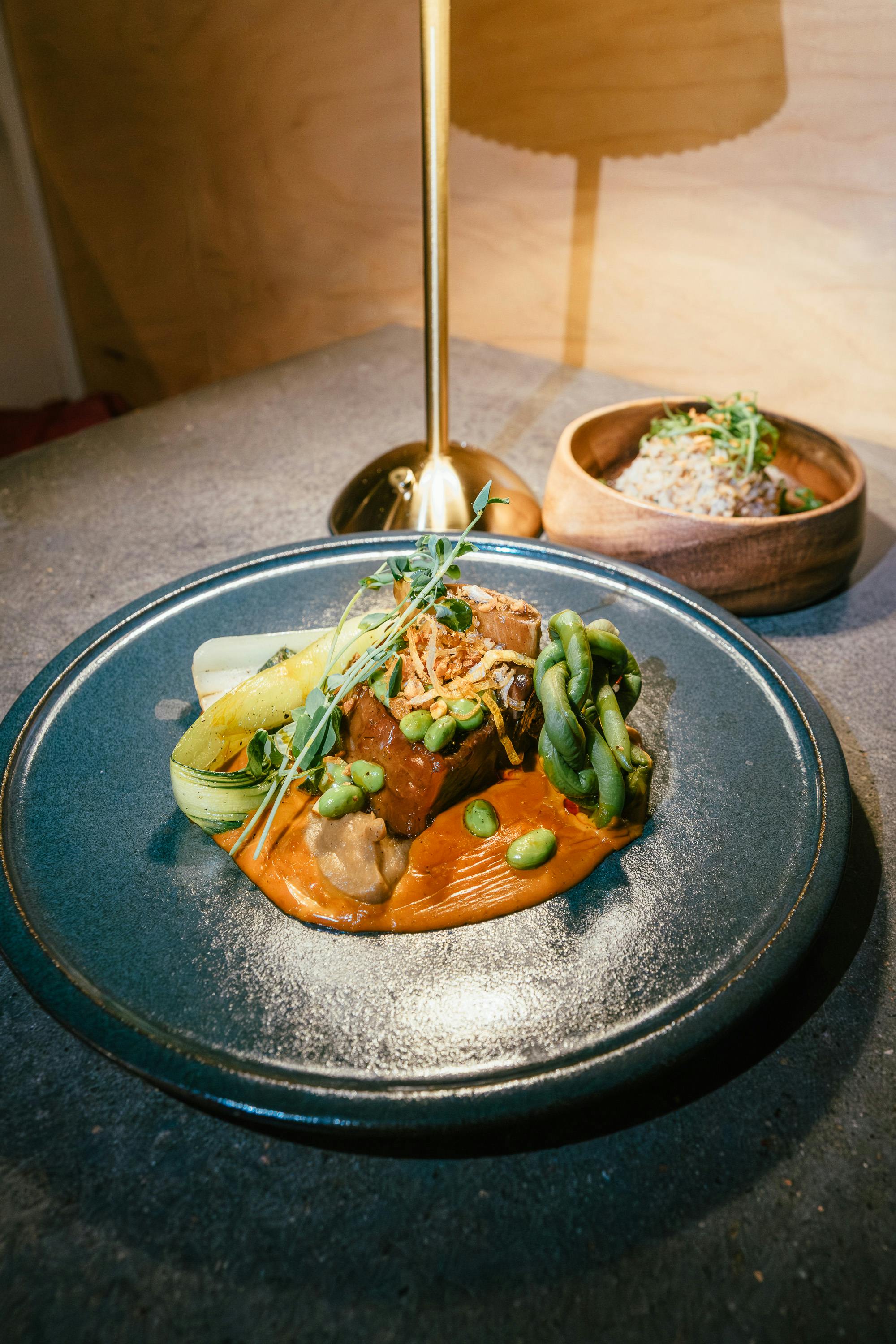
A notable change in dining culture is that many consumers now reward restaurants that feel honest rather than theatrical. They still appreciate beauty, but they want beauty that supports the meal instead of distracting from it. In practice, that means balanced portions, strong technique, and plates designed to be eaten easily.
Chefs across major food cities have increasingly talked about returning to restraint. Instead of building dishes around shock value, they are emphasizing ingredient quality, seasonality, and clarity of flavor. This does not reject visual appeal. It simply puts aesthetics in service of taste.
Trust plays a major role here. When diners believe a restaurant is presenting food naturally, not manipulating it for online validation, satisfaction rises. Repeat business usually comes from reliability, warmth, and memorable flavor, not just from one photogenic moment under flattering light.
Social media still matters, but the strategy must evolve

None of this means restaurants should ignore Instagram or visual culture. Good images still influence discovery, especially among younger diners choosing where to spend limited discretionary income. Social platforms remain powerful for launches, collaborations, and brand identity.
The difference is that successful operators are becoming more selective about what they showcase. Instead of gimmicks, they are highlighting craftsmanship, bustling dining rooms, pastry lamination, live-fire cooking, and staff personality. Those images can be just as compelling because they communicate credibility rather than pure novelty.
This shift aligns with broader consumer behavior. People increasingly want proof that a restaurant experience is worth leaving home for. A polished photo helps, but so do visible signs of care, generosity, and competence. Social media works best when it reflects a genuinely satisfying meal, not when it oversells one.
The smartest restaurants are designing for memory, not merely shares

The real question is not whether restaurants should stop making food look good. They should not. Dining has always involved pleasure, and presentation is part of that pleasure. The problem begins when visual drama crowds out temperature, texture, balance, and hospitality.
The strongest restaurants now understand that memorable food performs in several ways at once. It looks appealing, tastes distinct, arrives as expected, and feels worth the price. If it earns a post, that should be a byproduct of quality, not the entire point of the dish.
In that sense, the backlash against perfectly photogenic food may be healthy. It pushes the industry back toward fundamentals that sustain businesses over time. Restaurants do not need to abandon Instagram. They need to stop treating the camera as the most important guest at the table.


Leave a Reply