
A food once treated as waste is suddenly being taken seriously. That alone makes these cashew apple meatballs worth a closer look.
Why cashew apples were overlooked for so long
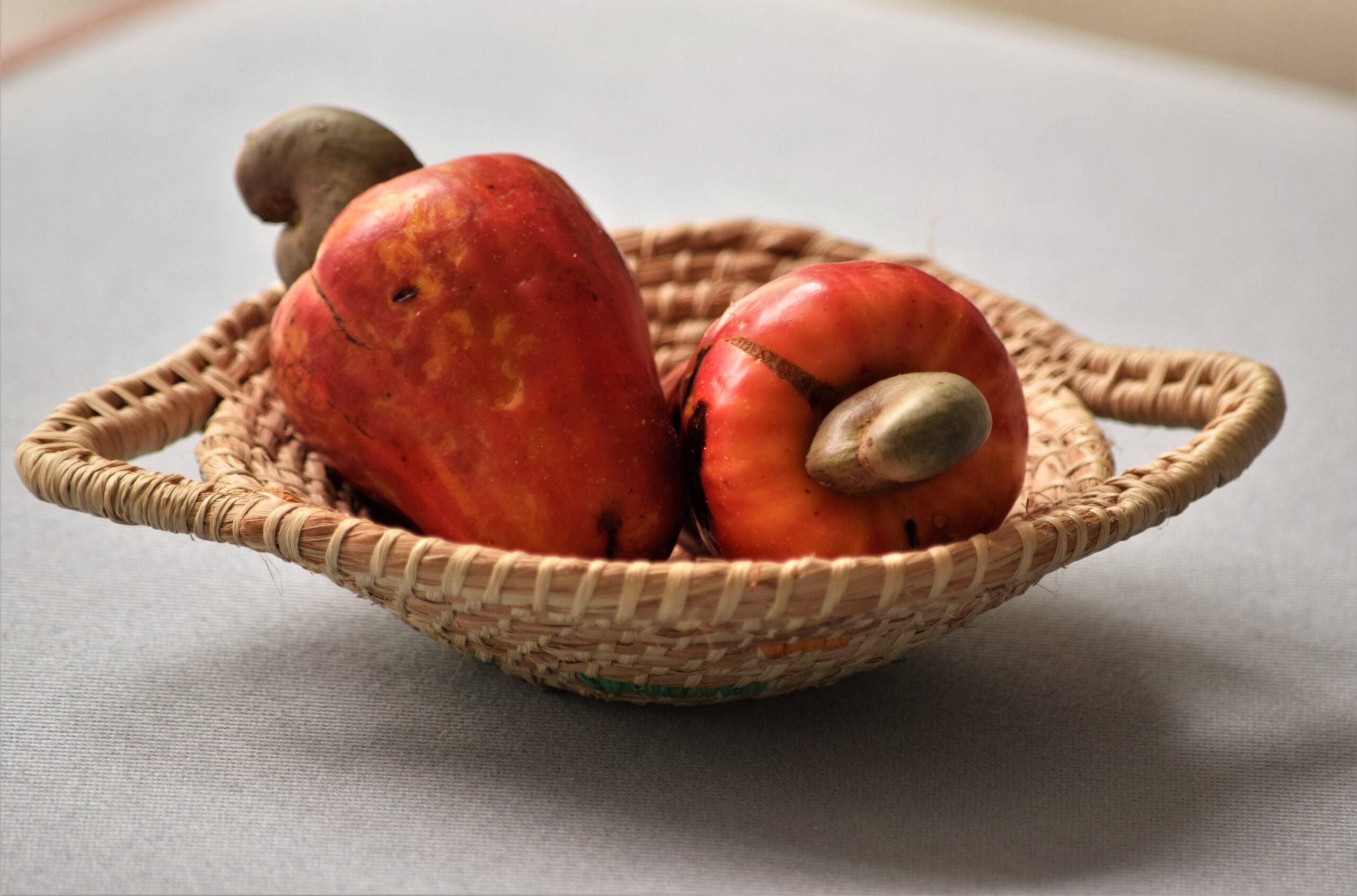
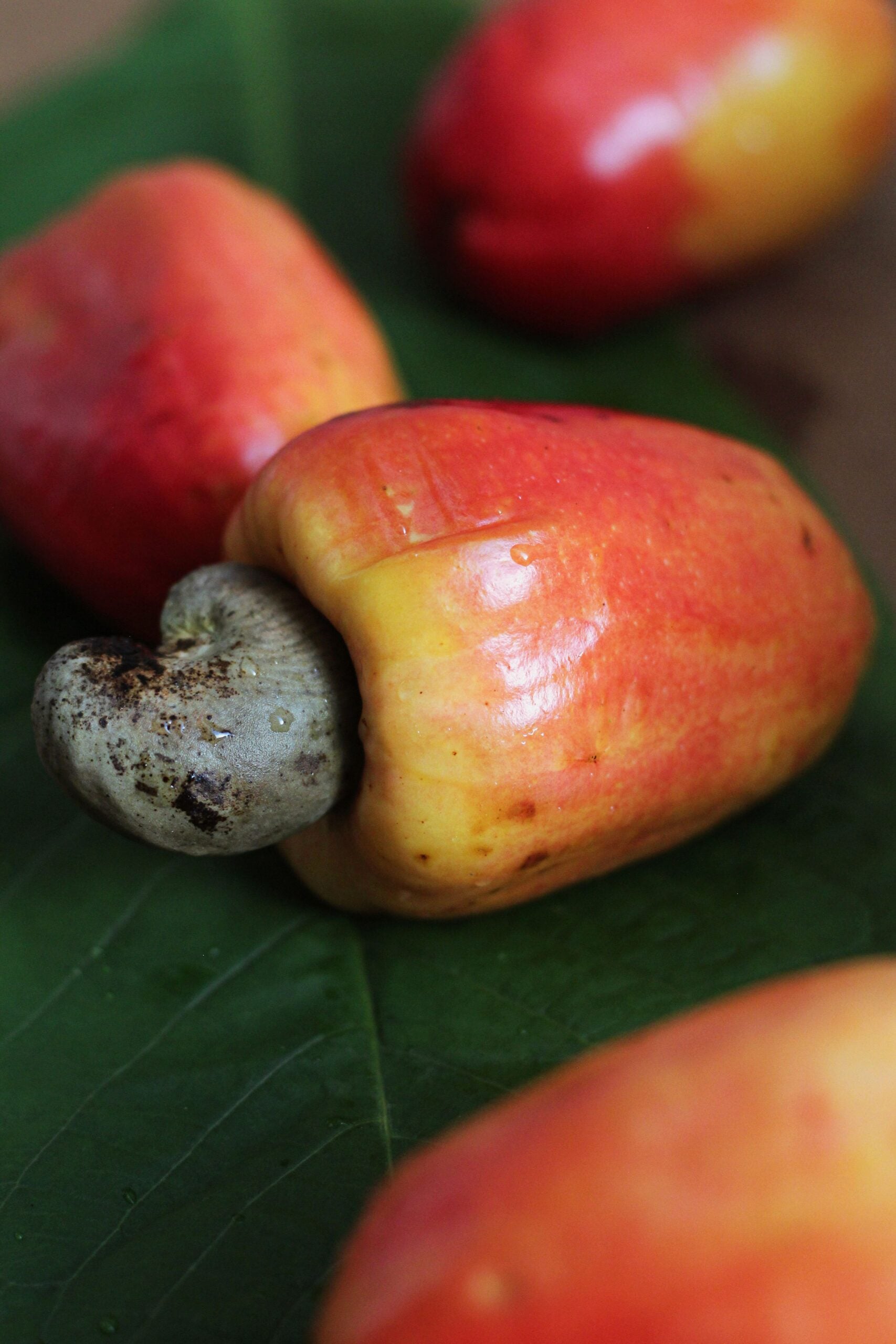
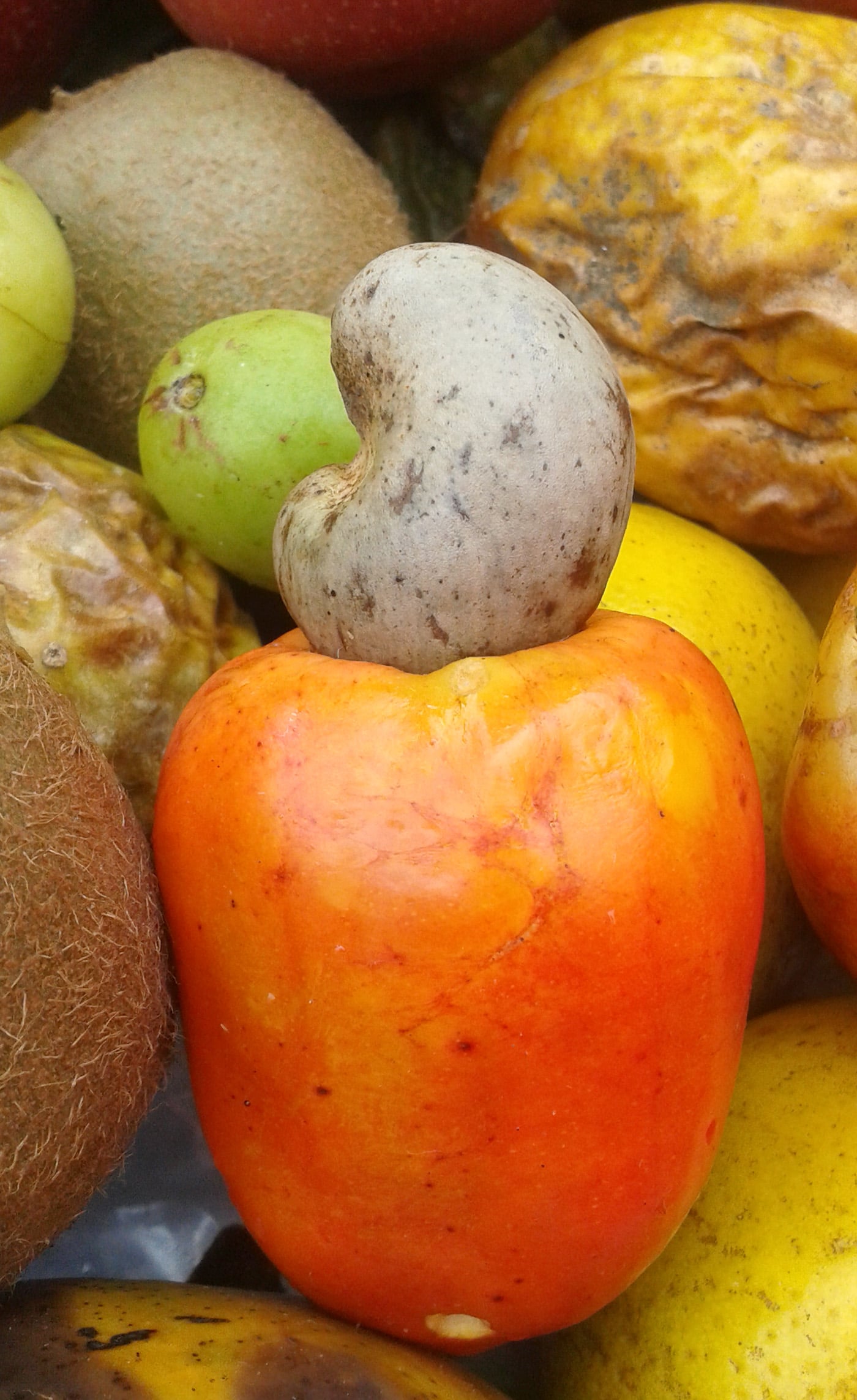
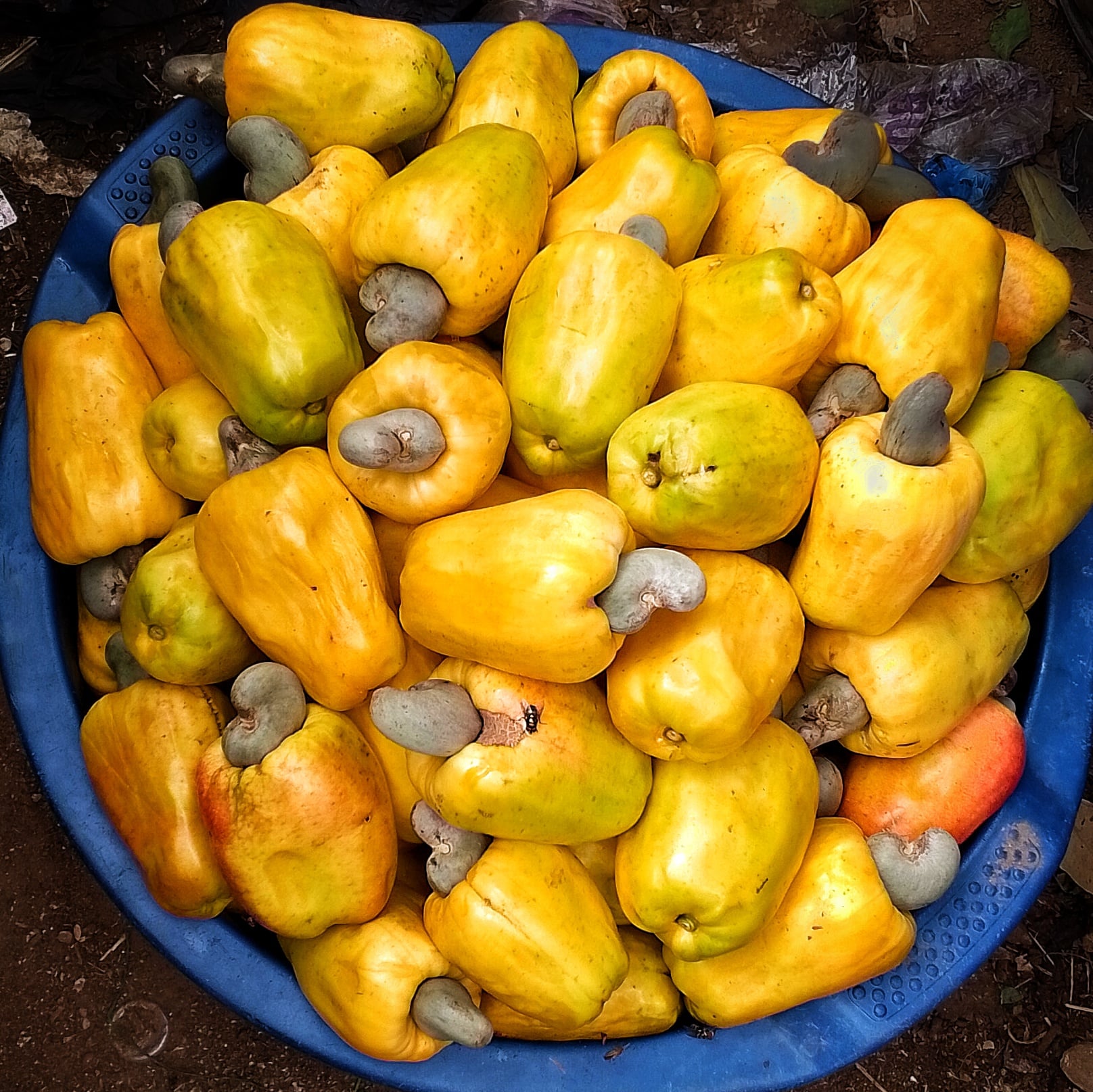
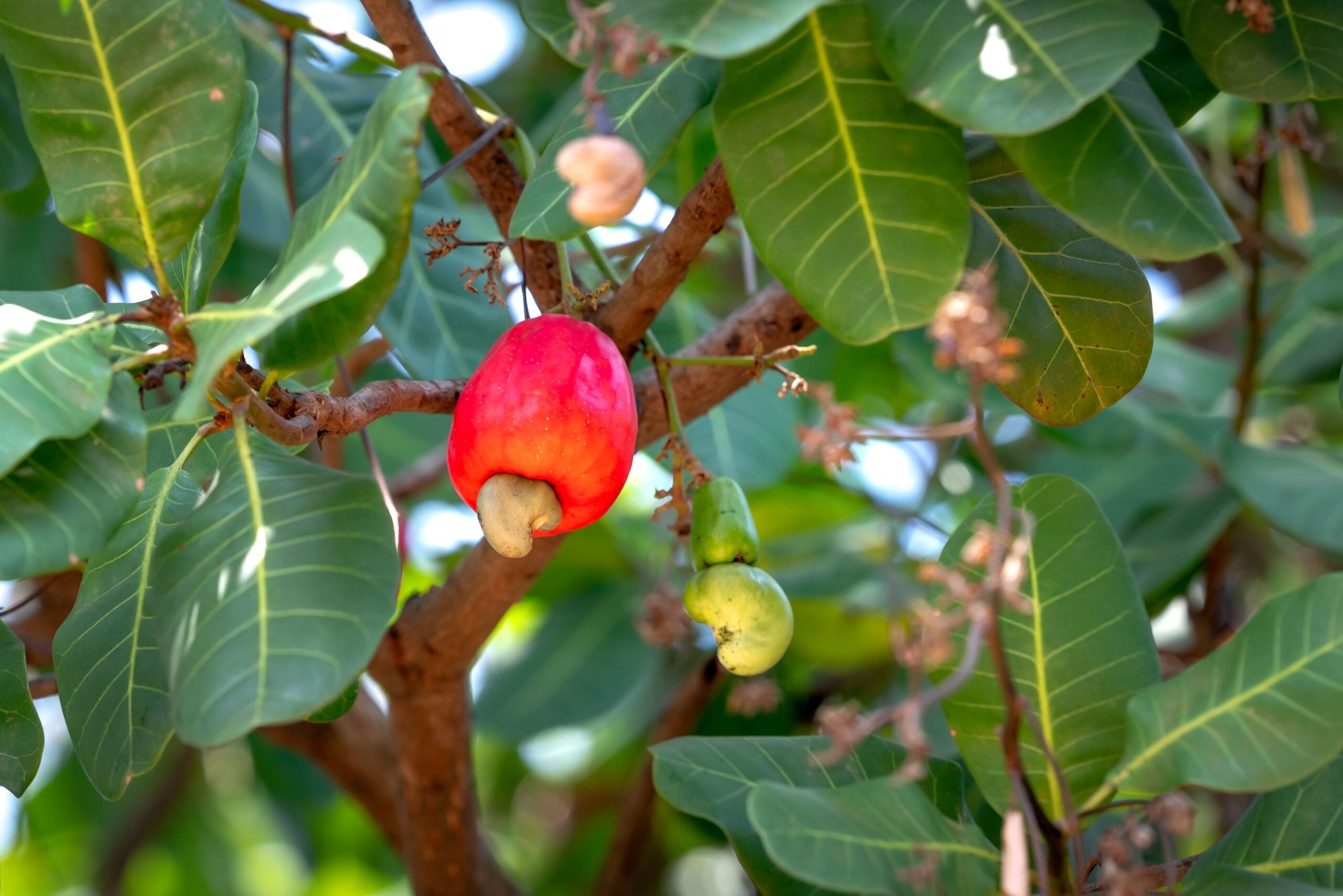
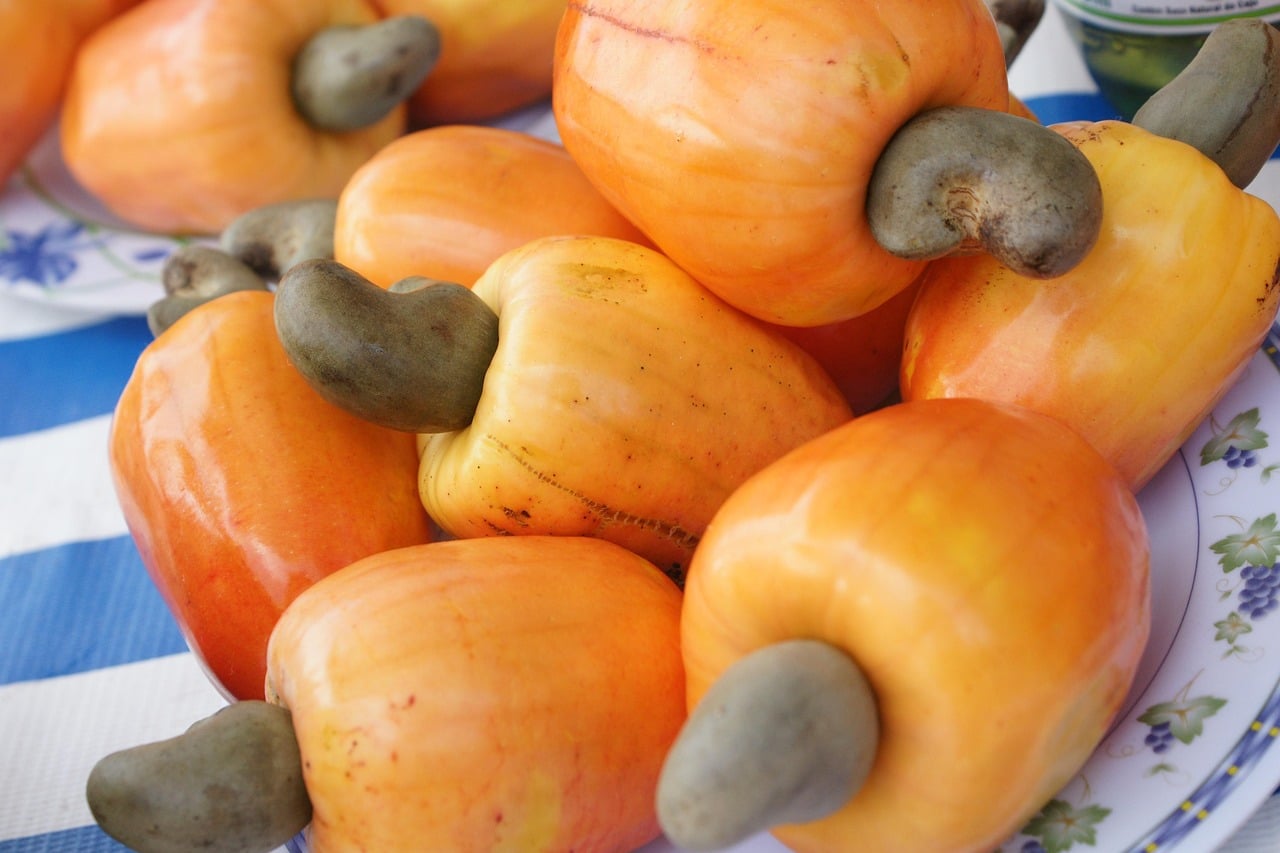
The cashew industry has long focused on the nut, while the fleshy cashew apple attached to it has often been discarded. In major producing countries such as Brazil, India, and parts of Africa, the fruit is highly perishable and bruises quickly, which makes transport and large-scale marketing difficult.
That waste problem is bigger than it sounds. For every cashew nut harvested, a bulky cashew apple is also produced, and much of it never reaches consumers. Researchers and food innovators have increasingly viewed that leftover material as an untapped ingredient rather than an unavoidable byproduct.
What makes the cashew apple interesting is its composition. It contains fiber, natural sugars, vitamin C, and moisture, giving food scientists a promising base for reformulation. Once processed properly, its fibrous texture can mimic some of the bite and structure people expect from ground-meat alternatives.
How scientists turned fruit waste into meatballs
This idea did not come out of nowhere. Food researchers have been working on ways to convert agricultural residues into usable proteins and meat substitutes, and cashew apple bagasse, the pulp left after juice extraction, turned out to be a strong candidate.
To make meatballs, scientists typically combine the cashew apple fiber with seasonings, binding agents, and other plant-based ingredients to improve texture, nutrition, and flavor. The result is not simply mashed fruit shaped into a ball. It is a carefully engineered food product designed to cook well and hold together.
Early reports on these experiments suggest the product can achieve a savory profile and a firmer mouthfeel than many people would expect from fruit waste. That matters because taste, texture, and appearance are usually the biggest hurdles for any alternative protein hoping to move beyond novelty and into regular grocery carts.
The sustainability argument is especially strong
The strongest case for cashew apple meatballs is environmental efficiency. Upcycling a material that would otherwise be discarded reduces waste and creates more value from the same harvest. In a food system under pressure to lower emissions and improve resource use, that is a meaningful advantage.
There is also an economic angle. Cashew-producing regions may be able to generate extra income from byproducts instead of relying almost entirely on nut sales. That could support processors, growers, and local food manufacturers while helping diversify product lines.
For consumers, sustainability claims alone are rarely enough. But when waste reduction is paired with acceptable taste and affordable pricing, buying habits can shift quickly. That pattern has already been seen with oat milk, imperfect produce, and other foods once considered niche before entering the mainstream.
Would Canadians actually be willing to try them?
Canadian shoppers are generally open to food innovation, but only up to a point. Interest in plant-based eating has grown over the past decade, especially among younger consumers, flexitarians, and households trying to cut grocery costs or reduce environmental impact without giving up familiar meal formats.
Meatballs are a smart entry point. They are recognizable, versatile, and easy to season, which lowers the intimidation factor of an unfamiliar ingredient. A cashew apple meatball served in pasta sauce, a sandwich, or an appetizer platter is far less challenging than asking shoppers to embrace a completely unknown dish.
Still, some resistance is likely. The phrase "made from waste" can trigger concern even when the product is safe, nutritious, and carefully processed. In Canada, where food labeling and ingredient transparency matter a great deal, marketing would need to emphasize upcycling, safety, and taste rather than novelty alone.
The biggest barriers are practical, not scientific
The science may be promising, but commercial success depends on execution. Manufacturers would need reliable access to cashew apple pulp, consistent processing standards, and a supply chain that can scale from pilot production to supermarket distribution without driving costs too high.
Flavor development is another make-or-break issue. Cashew apple has a distinctive profile, and if any residual fruit notes remain in a savory meatball, consumers may notice immediately. That means formulation work has to be precise, especially for markets like Canada where shoppers already have many plant-based options.
Then there is regulation and retail placement. A novel product must meet food safety requirements, labeling rules, and retailer expectations on shelf life and demand. None of those issues are impossible, but they often determine whether a clever lab breakthrough becomes a real product or stays an interesting headline.
What this could mean for the future of food
The broader significance goes well beyond one meatball. Cashew apple meatballs represent a larger shift in how the food industry thinks about byproducts, circular production, and protein diversification. Instead of asking only how to grow more food, scientists are asking how to waste less of what is already grown.
That message is likely to resonate in Canada, where conversations about sustainability, food affordability, and resilient supply chains have become more urgent. Consumers may not rush to buy cashew apple meatballs on name alone, but many would probably try them if the product tasted good and was priced fairly.
In that sense, the answer is yes, with conditions. Canadians could eat them, and many likely would, if the experience feels familiar, the benefits are clear, and the product delivers on flavor first. In modern food retail, curiosity opens the door, but taste is what keeps it open.




Leave a Reply