
Butter is having a moment again. But that does not mean nutrition science has completely changed its mind.
Why saturated fat is back in the conversation

For years, saturated fat was treated like a clear dietary villain. It was linked to higher LDL cholesterol, and high LDL remains one of the strongest risk factors for heart disease, which is still a leading cause of death in Canada.
Lately, though, the public message has shifted. Full-fat yogurt, cheese, butter, coconut oil, and well-marbled meat are showing up in social media nutrition advice, low-carb meal plans, and "whole food" eating trends.
Part of that comeback comes from frustration with old low-fat products. Many packaged foods that cut fat added sugar, refined starches, or extra sodium, which did not necessarily make them healthier. Experts agree that replacing saturated fat with highly processed carbs is not a win.
That shift has created a simpler but misleading takeaway: if low-fat messaging was flawed, saturated fat must be fine. Most experts say that is too broad, and that context matters far more than trend-driven food labels.
What the science actually says

The strongest area of agreement is still this: saturated fat tends to raise LDL cholesterol in many people. According to major heart and nutrition organizations, that matters because LDL particles can build up in artery walls over time and increase cardiovascular risk.
But nutrition research has become more nuanced. Scientists now look less at single nutrients in isolation and more at food patterns, substitutions, and the overall matrix of a food. Cheese, for example, may not affect blood lipids in the same way as processed meat, even if both contain saturated fat.
Large reviews and cohort studies have not always found a simple one-to-one link between saturated fat intake and heart attacks. That has fueled confusion, but researchers often point out a key issue: what people eat instead changes the outcome.
When saturated fat is replaced with unsaturated fats from foods like nuts, seeds, olive oil, avocados, and fatty fish, heart risk usually improves. When it is replaced with refined carbohydrates, the benefit often disappears or shrinks.
What Canadian experts tend to agree on
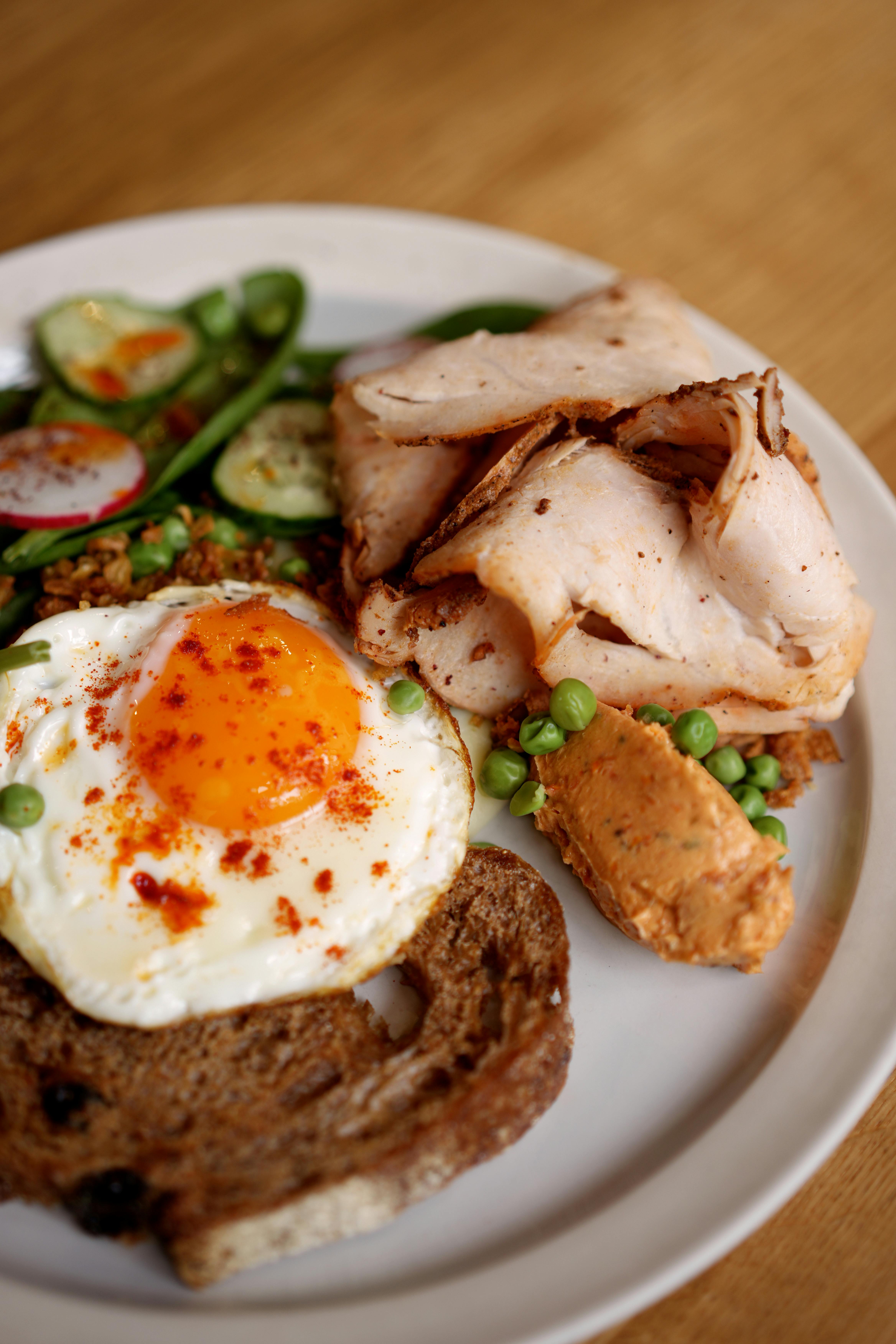
In Canada, mainstream guidance has not swung back to "eat all the saturated fat you want." Health-focused recommendations still emphasize vegetables, fruit, whole grains, legumes, and protein foods that come more often from plants.
Canada's Food Guide does not ban full-fat foods, but it clearly leans toward overall eating patterns rather than nutrient obsession. That means yogurt can fit, cheese can fit, and even red meat can fit, but not as the center of every meal.
Dietitians across Canada often make a practical distinction between minimally processed foods and ultra-processed ones. A piece of cheese, plain Greek yogurt, or a small amount of butter on toast is usually viewed differently from pastries, fast food burgers, or processed meats.
Experts also stress that individual risk matters. Someone with high LDL, diabetes, a family history of early heart disease, or established cardiovascular disease may need to be much more careful than a healthy person with otherwise strong metabolic markers.
Which foods deserve a closer look

Not all sources of saturated fat land the same way in a real diet. Full-fat dairy is the best example, because fermented foods like yogurt and some cheeses may have a more neutral effect than older advice once suggested.
Red meat is more mixed. Unprocessed beef or pork eaten occasionally is not usually discussed the same way as bacon, sausage, hot dogs, and deli meats, which are more consistently tied to higher risk in large studies.
Butter has become a symbolic food in this debate. It can absolutely fit in a balanced diet, but experts generally do not recommend treating it as a health food or using it freely when unsaturated oils would better support heart health.
Coconut oil gets similar pushback. Despite its natural image, it is high in saturated fat and tends to raise LDL cholesterol, so many cardiology and dietetics experts remain cautious about calling it a smart everyday fat.
Why people respond differently

One reason the debate feels unsettled is that people do not all respond to food the same way. Genetics, body weight, insulin resistance, physical activity, age, and gut health can all influence how saturated fat affects cholesterol and inflammation.
Some Canadians can eat more saturated fat with little visible change in standard bloodwork. Others see LDL rise quickly, even when they feel fine. That is one reason clinicians often prefer lab results and medical history over online nutrition rules.
There is also a difference between short-term effects and long-term outcomes. A diet can improve fullness, blood sugar control, or weight loss in the near term, yet still be less ideal for cardiovascular health if LDL climbs over time.
This is why experts often recommend personalization without abandoning basic evidence. If someone chooses a higher-fat eating style, regular monitoring of ApoB, LDL, triglycerides, blood pressure, and glucose becomes far more important.
What Canadians should actually do now

The most sensible takeaway is not to fear saturated fat, but not to romanticize it either. Experts generally support a middle-ground view: small to moderate amounts can fit, especially in high-quality foods, within an overall healthy pattern.
A practical Canadian plate still looks familiar. Build meals around vegetables, beans, lentils, whole grains, nuts, fish, and unsaturated oils, then use foods higher in saturated fat more intentionally rather than automatically.
For example, choose plain yogurt and add fruit, use olive or canola oil for most cooking, enjoy cheese in reasonable portions, and think of processed meats and buttery baked goods as occasional foods rather than staples.
If you have high cholesterol or heart risk, the smartest move is not guessing. A registered dietitian or physician can help interpret your numbers and tailor advice, which is far more useful than following whatever nutrition backlash is trending this year.



Leave a Reply