
Washing chicken before cooking might seem like a sensible way to remove bacteria, residue or anything left behind from packaging. But that quick rinse can actually spread harmful germs around your kitchen without making the chicken any safer to eat. The better approach is simpler: skip the sink, handle the chicken carefully and let proper cooking do the work.
Why You Shouldn't Rinse Raw Chicken
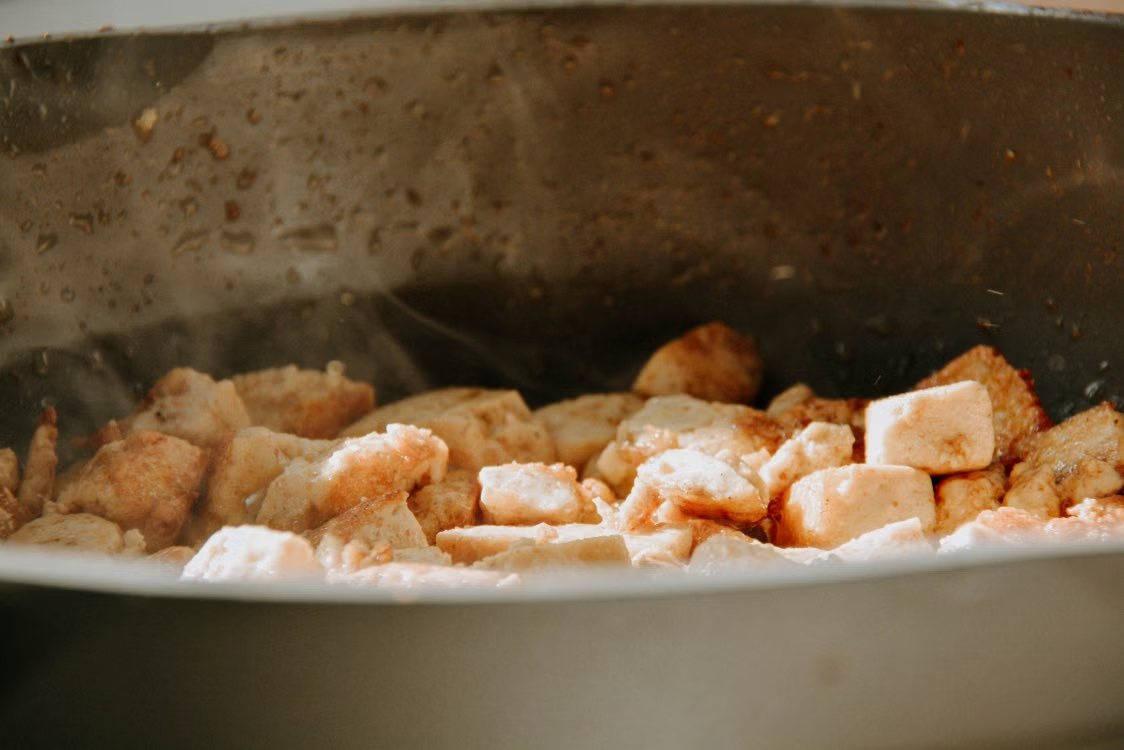
Raw chicken can carry bacteria such as Salmonella and Campylobacter, which can cause food poisoning. Rinsing it under running water doesn't reliably remove these germs. Instead, water droplets can splash contaminated juices onto your sink, countertops, utensils and nearby dishes. Health Canada advises against washing raw poultry for precisely this reason. Rather than rinsing it, take the chicken straight from its packaging to a clean cutting board or cooking dish. If it's particularly wet, gently pat it dry with disposable paper towels and discard them immediately.
Handle Raw Chicken Carefully
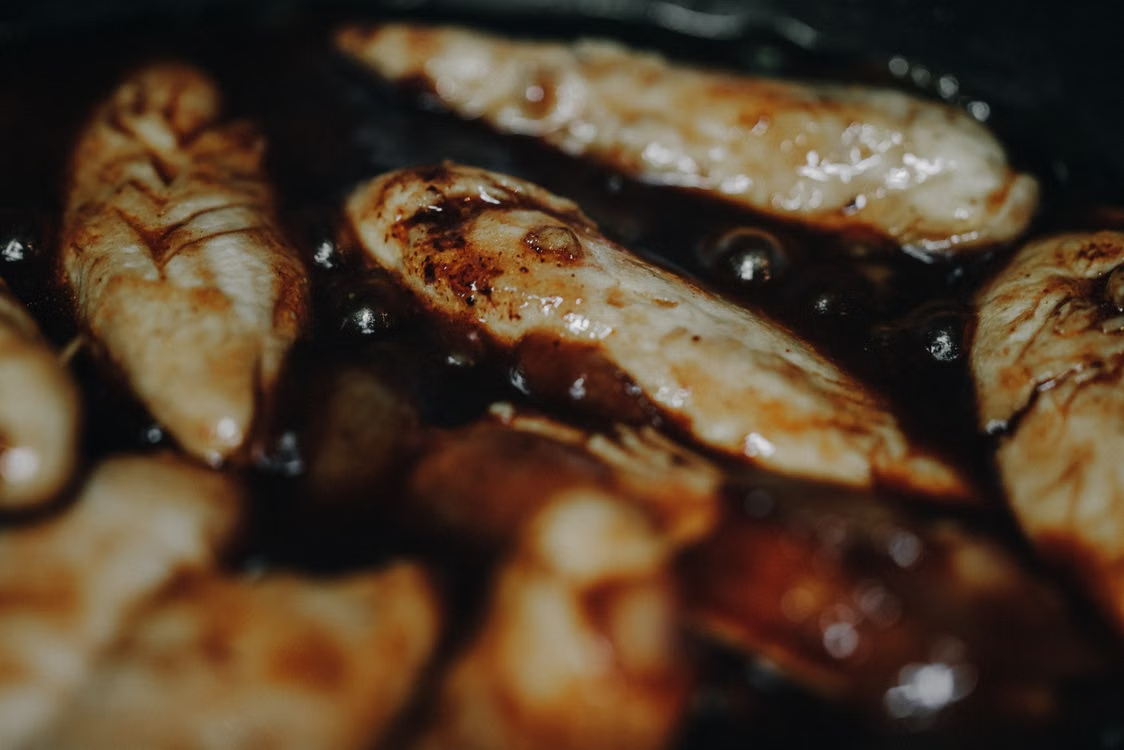
Use a separate cutting board, knife and plate for raw chicken, keeping it away from vegetables, salads and other ready-to-eat foods. Once you've finished preparing it, wash your hands thoroughly with soap and warm water for at least 20 seconds. Clean and sanitize any utensils, countertops and surfaces that may have come into contact with raw chicken or its juices. If you've already rinsed the chicken, don't panic; simply clean and sanitize the sink and surrounding areas to prevent cross-contamination.
Let the Cooking Do the Work
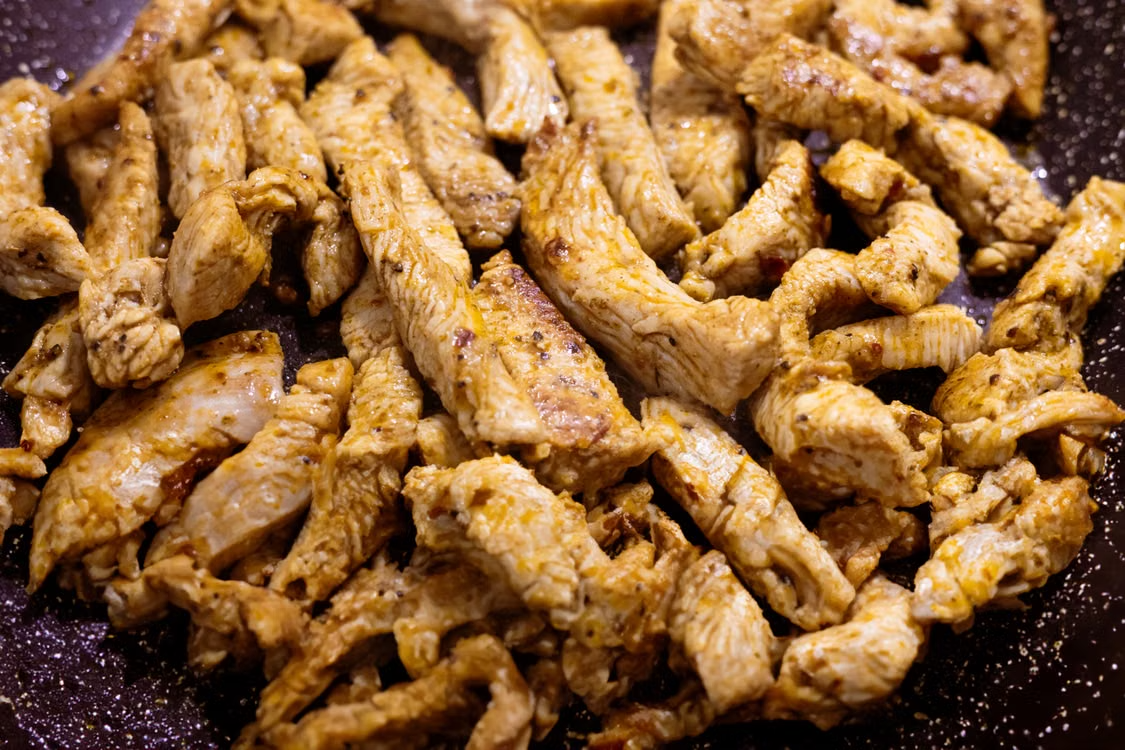
The safest way to make chicken fit to eat is to cook it to the correct internal temperature. Health Canada recommends 74°C (165°F) for chicken pieces and 82°C (180°F) for whole chicken. Use a digital food thermometer to check the thickest part of the meat, avoiding the bone. Don't rely on the chicken's colour, texture or cooking time alone to decide whether it's done. Proper cooking, rather than rinsing, is what makes raw chicken safe to eat.


Leave a Reply