
Some orders are spontaneous. Others are almost a personal ritual.
Ask enough Canadians what they order every time they eat out, and a clear pattern emerges: people return to dishes that feel reliable, revealing, and worth the money.
Poutine still works as a comfort benchmark

For many Canadians, poutine is more than a late-night craving. It is a quick test of whether a restaurant understands balance, texture, and indulgence.
A strong poutine needs crisp fries, fresh cheese curds, and gravy with real depth. If one part fails, the whole dish feels flat. That is exactly why diners keep ordering it.
In Quebec, the standards are famously high, but the dish travels well across the country. From diners to upscale bistros, poutine gives customers a familiar point of comparison.
Food writers have long noted that comfort foods often become quality markers. In Canada, poutine fills that role because it is instantly recognizable yet surprisingly hard to perfect.
Burger and fries remain the safest serious test
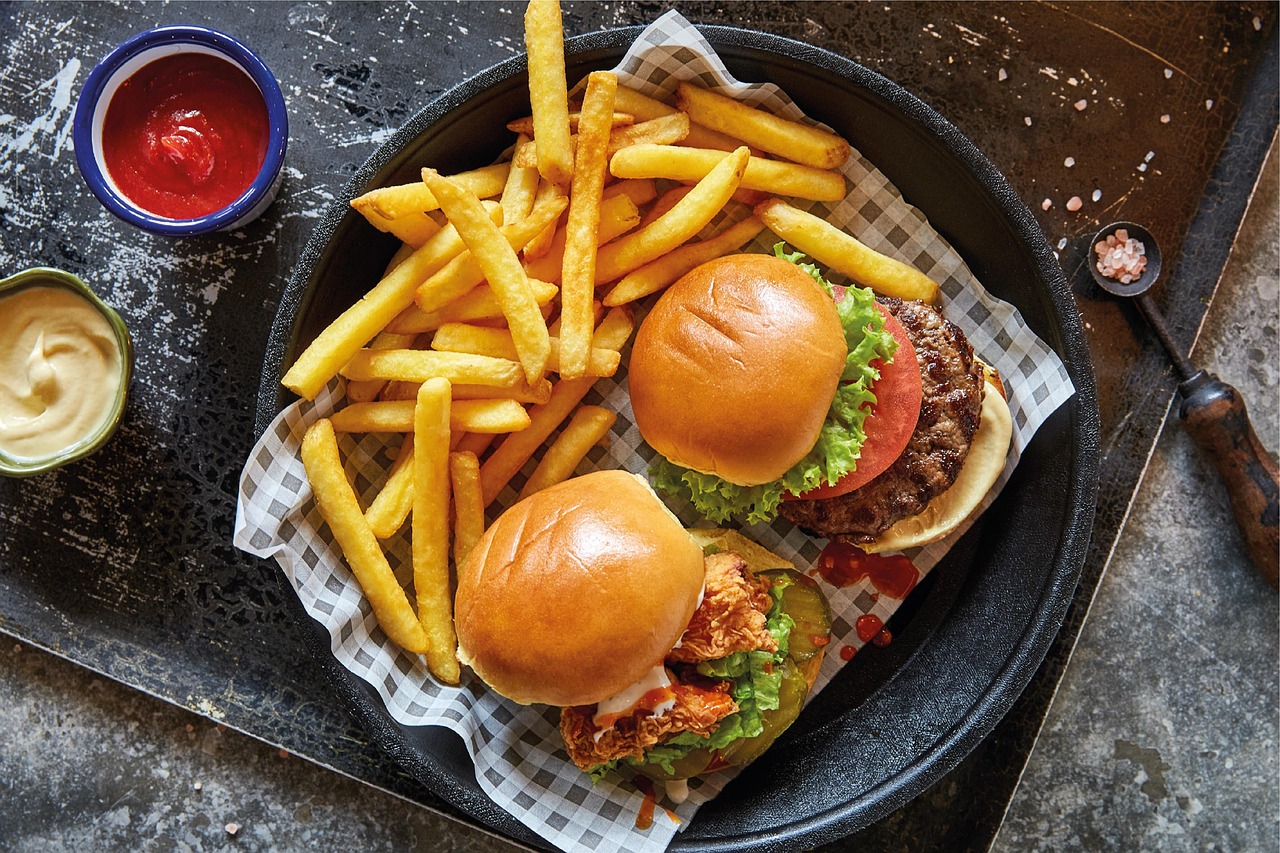
A burger may sound basic, but many Canadians use it as a measuring stick. It shows how well a kitchen handles seasoning, timing, temperature, and value on a single plate.
The patty should be juicy, the bun should hold together, and the toppings should add contrast rather than chaos. Fries matter too, because a weak side can drag down the entire meal.
This order also cuts across demographics. Families, business travelers, students, and retirees all understand what a good burger should deliver, making it one of the country's most universal restaurant habits.
Industry analysts often point out that simple dishes reveal kitchen discipline better than flashy ones. That helps explain why Canadians keep returning to burgers even when menus offer trendier options.
Eggs Benedict signals brunch quality in minutes

Brunch culture is strong in many Canadian cities, and Eggs Benedict has become a defining order. It looks elegant, but diners choose it because it quickly exposes execution problems.
Poached eggs need precise timing. Hollandaise must be rich, smooth, and stable. The muffin cannot be soggy, and the protein, whether peameal bacon, ham, or smoked salmon, has to fit the whole dish.
In places like Toronto, Vancouver, Calgary, and Halifax, brunch crowds often treat Benedict as a restaurant referendum. If it arrives lukewarm or broken, confidence in the rest of the menu falls quickly.
Chefs frequently describe egg cookery as a core skill. Canadians seem to agree, using this brunch staple as a practical and familiar way to judge whether a kitchen is truly sharp.
Caesar salad reflects a distinctly Canadian loyalty
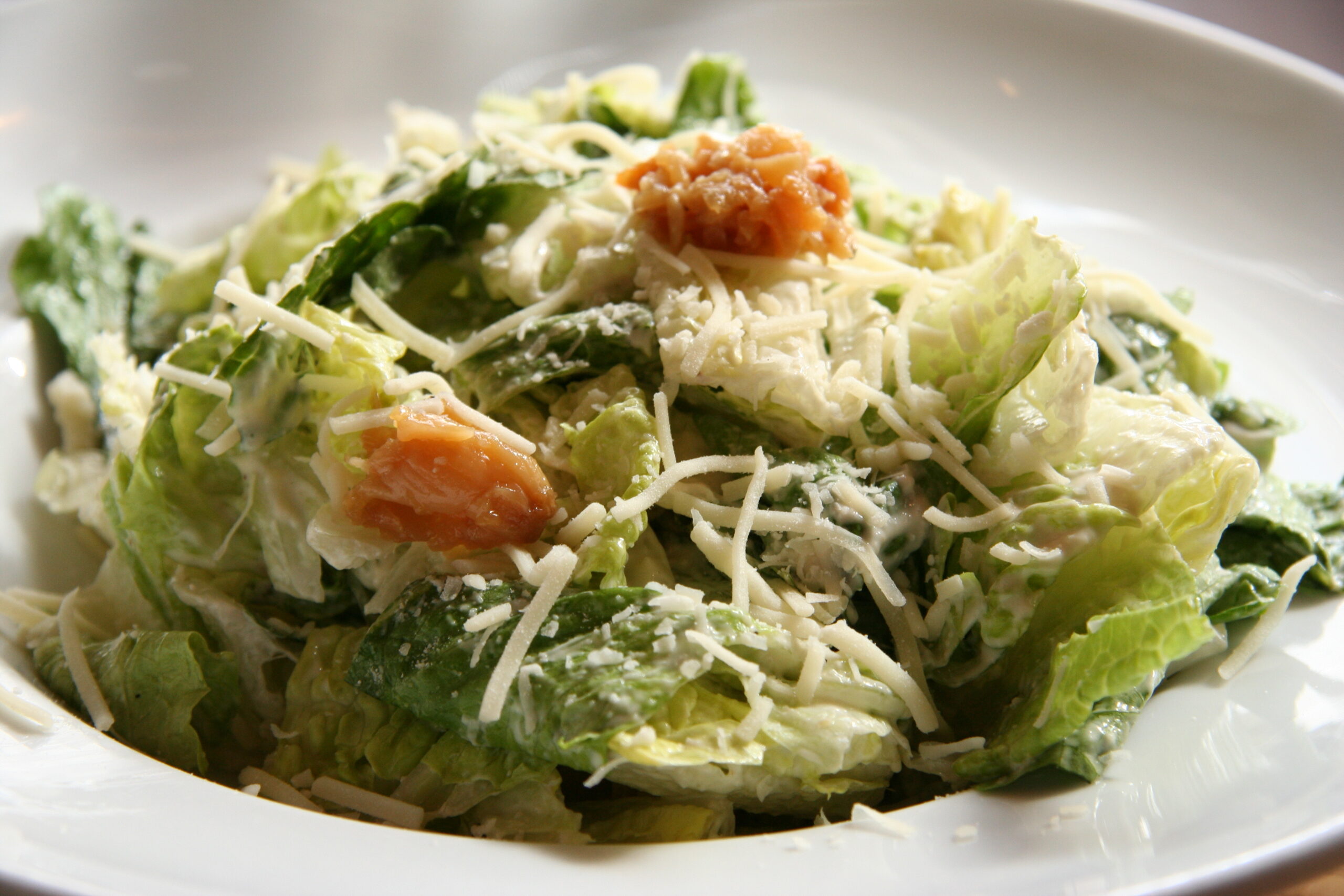
The Caesar salad has an unusually strong hold in Canada. While it is served internationally, many Canadians treat it as a default starter or side no matter the restaurant style.
Part of the appeal is consistency. Diners know what they want: crisp romaine, balanced dressing, enough garlic, noticeable acidity, and croutons that still have bite.
There is also national pride involved. The Caesar is widely linked to its creation in North America, and the cocktail version has deep Canadian cultural roots, which strengthens the salad's familiarity.
Because it seems simple, restaurants sometimes underplay it. That can backfire. A well-made Caesar signals attention to detail, while a tired one suggests shortcuts elsewhere in the kitchen.
Fish and chips stay popular far beyond the coast
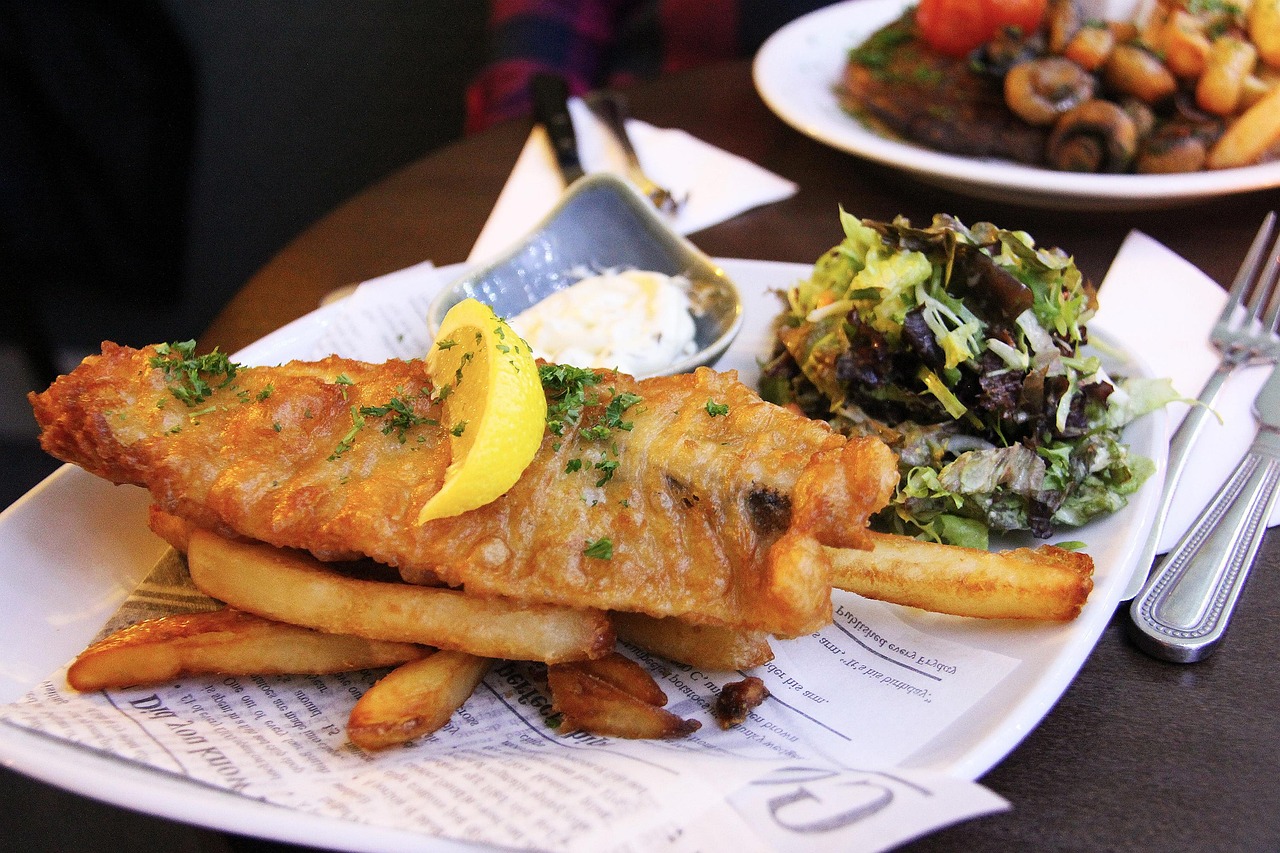
Canadians living near oceans may be expected to order fish and chips, but the dish is just as common inland. Its appeal lies in straightforward satisfaction and easy comparison.
People notice the batter first. It should be crisp and light, not greasy or heavy. The fish must be moist and flaky, and the tartar sauce often becomes a surprisingly important detail.
In Atlantic Canada and British Columbia, seafood standards can be especially demanding. Yet even in prairie provinces, fish and chips remain a trusted order because they feel familiar without being boring.
Restaurant consultants often say repeat orders are built on predictability with room for excellence. Fish and chips fit that idea perfectly, giving Canadians a dependable classic that still rewards craftsmanship.
What these repeat orders really say about diners
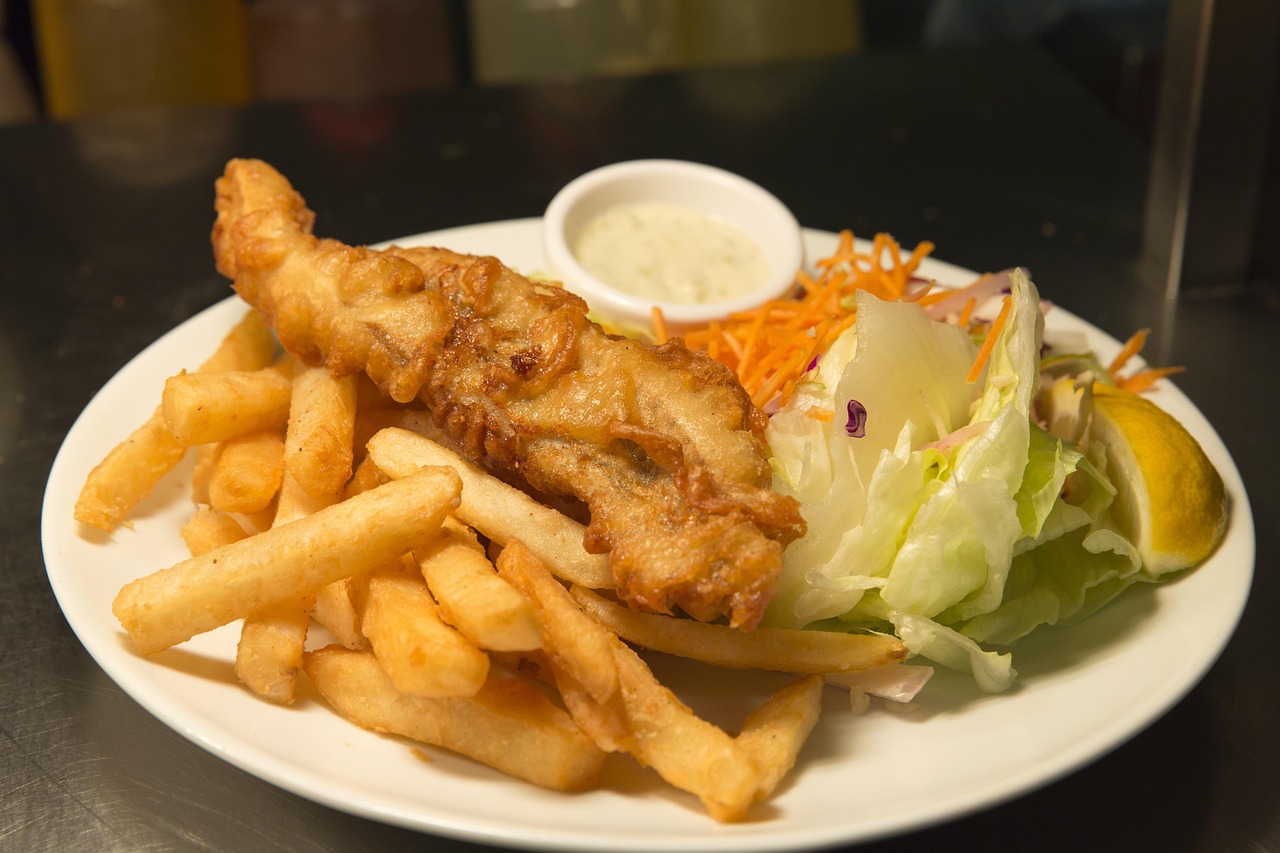
The dishes Canadians order again and again are not random. They usually combine comfort, recognizable standards, and enough technical challenge to reveal whether a restaurant is genuinely good.
That helps explain why flashy menu items do not always win. Diners often want a meal that answers simple questions fast: Is the kitchen careful? Are the ingredients fresh? Is the price justified?
These habits also reflect the realities of dining out in Canada, where restaurant meals can be expensive and expectations are high. People want dishes that feel satisfying, fair, and worth recommending.
In the end, the go-to order is less about playing it safe than eating smart. Canadians are choosing dishes that tell them something useful, while still delivering the pleasure they came for.


Leave a Reply