
The menu still looks familiar. Behind the scenes, many restaurants are rebuilding the entire operation around one urgent question: how can they serve the same dining room with fewer hands?
The labor shortage is changing what reaches the table
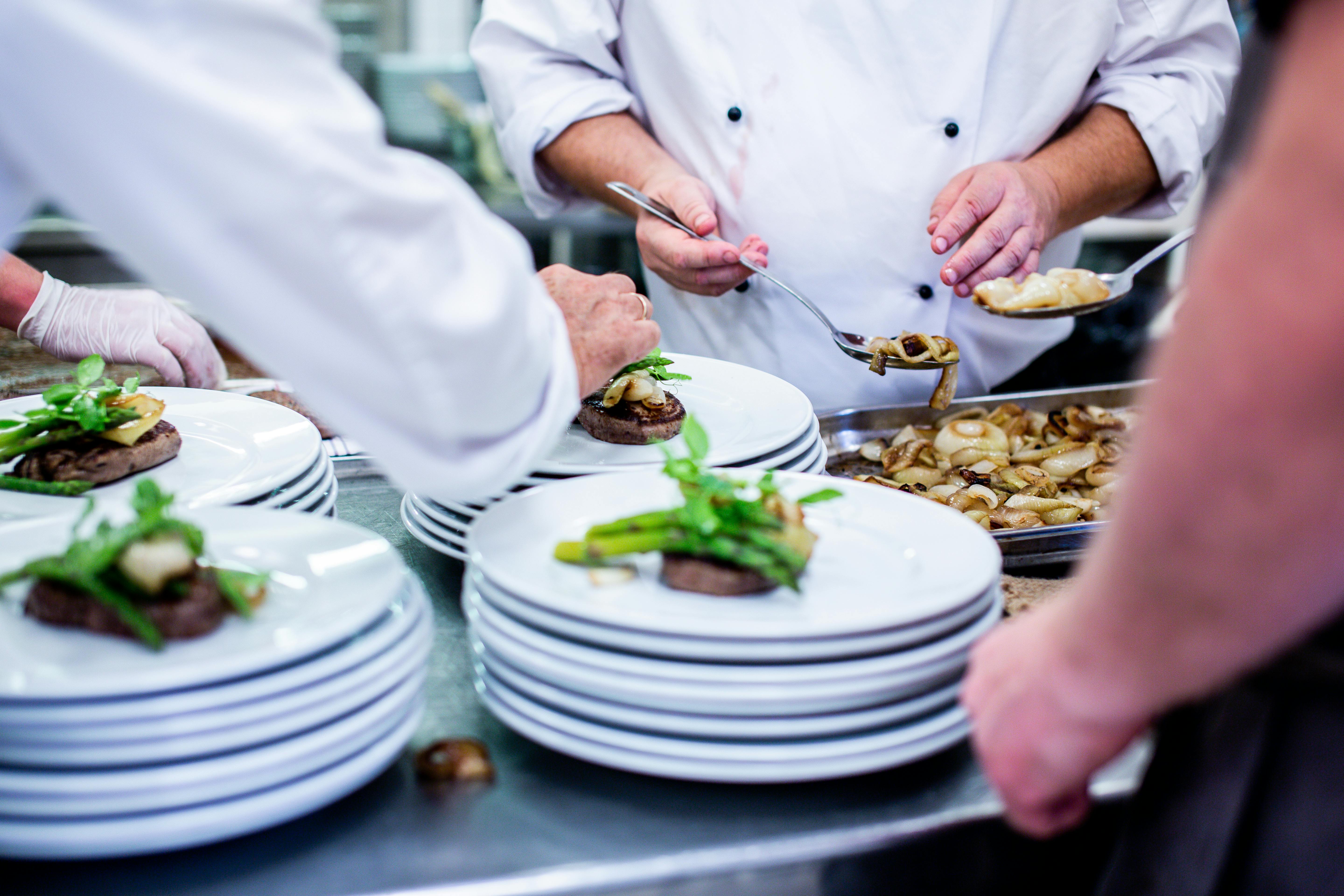
What diners see as a new seasonal menu is often something more strategic. Across casual chains, independent bistros, and fast-casual brands, operators are cutting dishes that require extra prep stations, specialized cooks, or complicated plating. According to industry surveys from the National Restaurant Association, hiring remains one of the sector's biggest challenges, especially for back-of-house roles.
That pressure has been building since the pandemic disrupted staffing patterns and accelerated turnover. Many former restaurant workers moved into warehousing, retail, healthcare support, and gig work, where schedules were often more predictable. Restaurants responded with higher wages, but labor costs rose faster than many businesses could comfortably absorb.
The result is a quiet redesign of the menu itself. Owners are not only asking what sells, but what can be produced consistently by a smaller, less experienced team during peak hours.
Simpler menus mean fewer steps, less training, and faster service
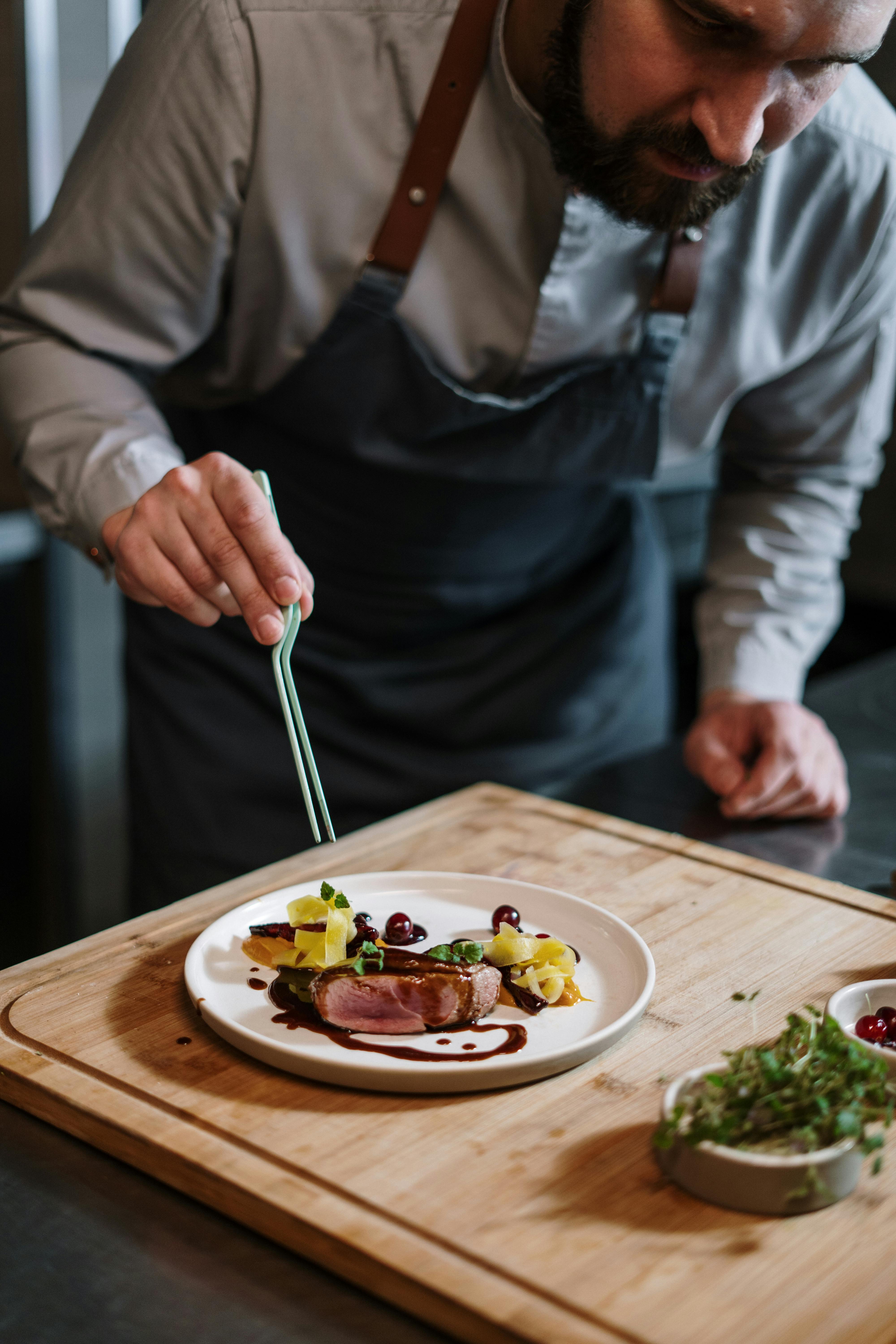
A dish does not have to disappear to be simplified. In many kitchens, recipes are being rebuilt so ingredients overlap across several menu items, sauces are pre-batched, and garnishes are reduced. A six-component plate might become a three-component plate that is easier to execute and less vulnerable when one prep cook calls out.
This approach reduces training time in a meaningful way. New hires can learn a tighter system faster, which matters in an industry with frequent turnover. A line cook working fry, grill, and assembly benefits from standardized builds that require less memorization and fewer handoffs.
Speed matters too. Quick-service and fast-casual operators have learned that a shorter ticket time protects sales when staffing is thin. If the kitchen can move food with fewer bottlenecks, restaurants are less likely to lose customers to long waits or order errors.
Chains and independents are making different versions of the same move
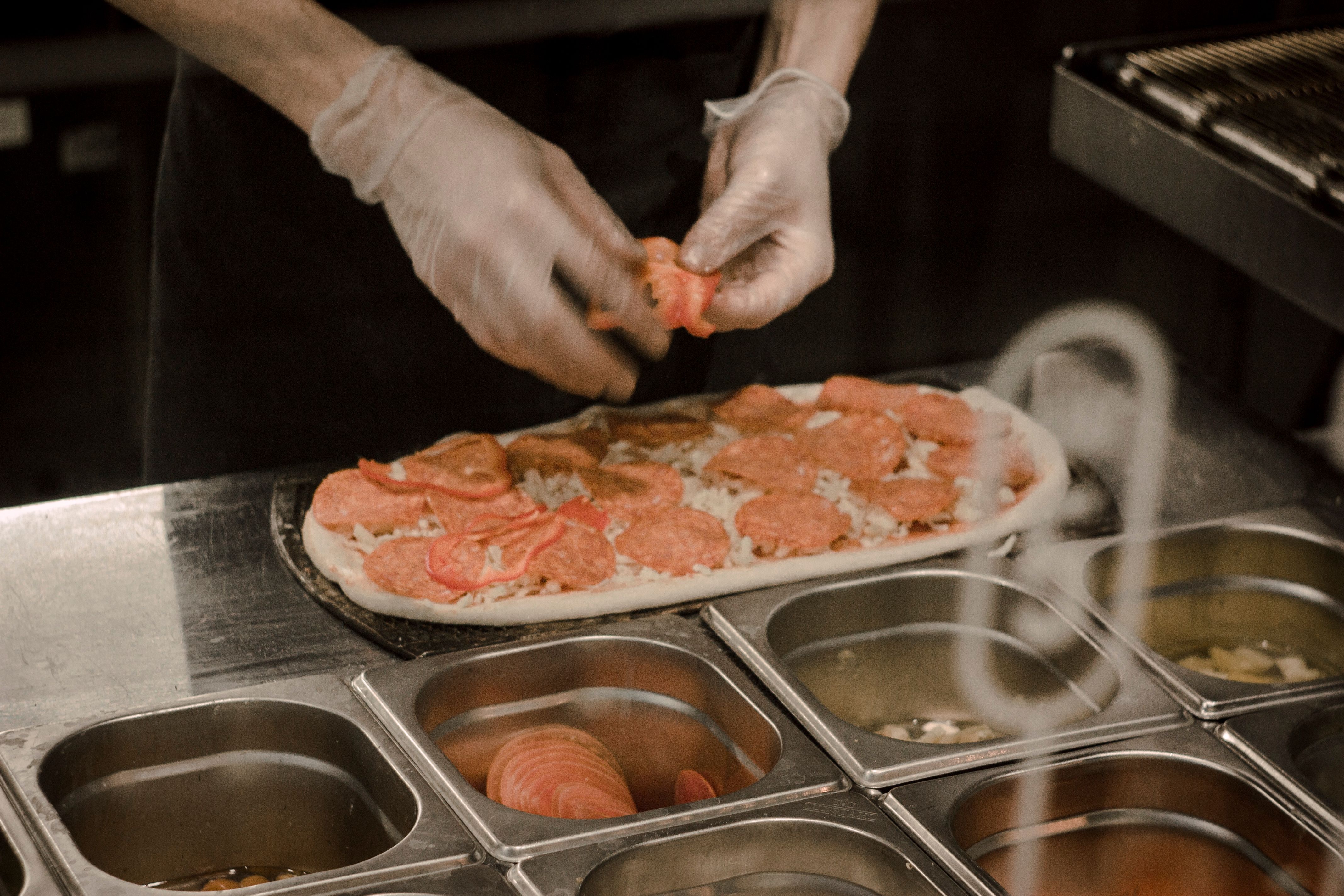
Large chains have an advantage because they can redesign operations at scale. They work with suppliers to buy more pre-cut vegetables, pre-portioned proteins, and partially prepared components that save labor in-store. Analysts have noted that many major brands are narrowing limited-time offers and emphasizing items that fit existing equipment and workflows.
Independent restaurants are taking a more handcrafted path, but the goal is similar. A neighborhood cafe may shift from an all-day expansive menu to a tighter list built around one oven, one griddle, and one prep cycle. A full-service restaurant might replace labor-heavy composed entrees with shareable plates, grain bowls, sandwiches, or pasta formats that are easier to repeat.
Some chefs frame this as a creative reset rather than a retreat. In practice, it is both. Constraints are forcing restaurants to focus on dishes that travel well, plate quickly, and do not collapse when the most experienced cook is off the schedule.
Technology is helping restaurants redesign labor, not just replace it
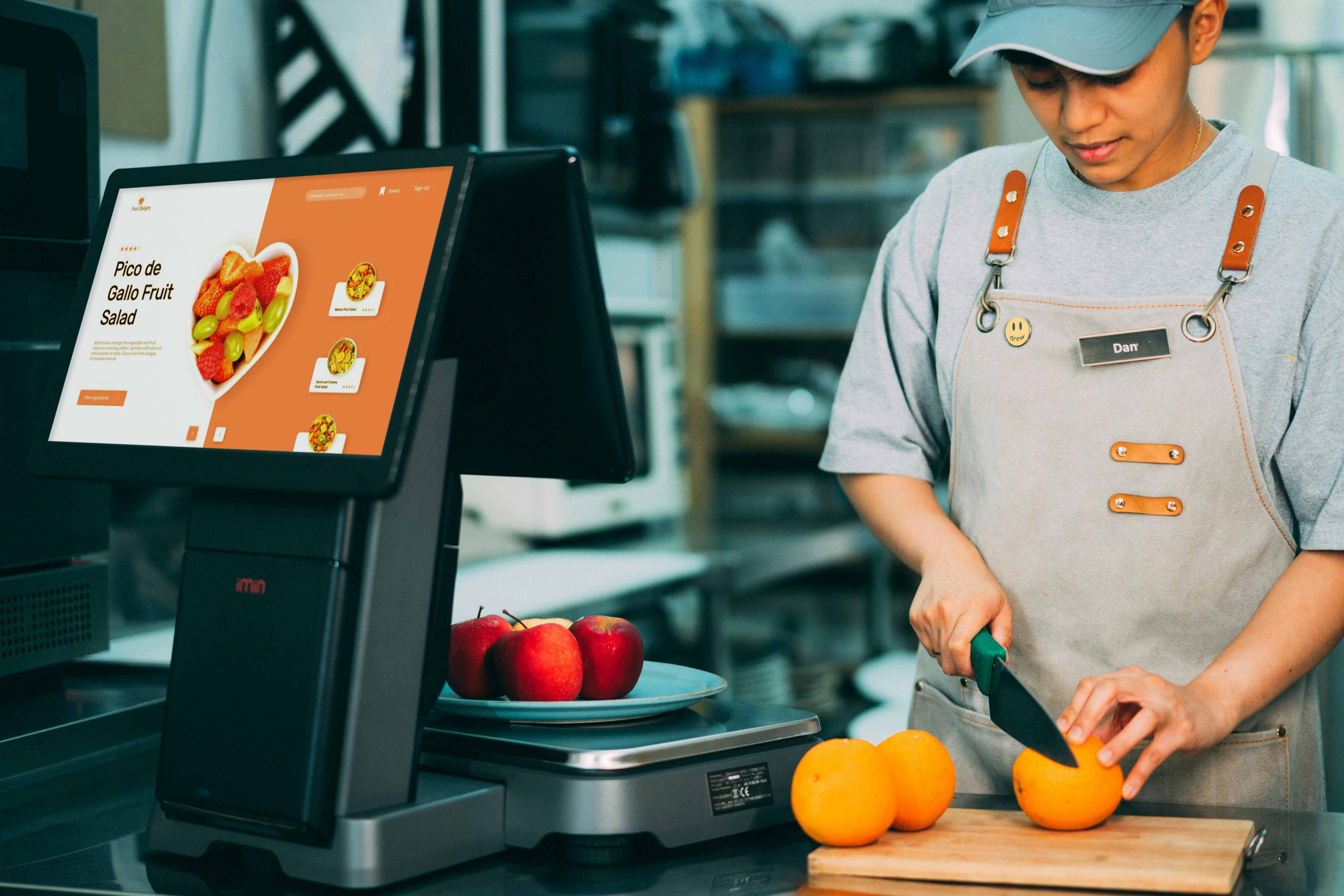
Self-order kiosks and QR code menus get the most attention, but the bigger operational story is deeper in the kitchen. Restaurants are using kitchen display systems, automated fryers, smarter scheduling software, and inventory tools to reduce wasted labor hours. The goal is not always fewer employees overall, but fewer friction points per shift.
Technology also helps standardize execution. If recipes, cook times, and prep instructions are embedded into digital systems, restaurants can maintain consistency even with newer staff. That matters when turnover remains elevated and training windows are short.
In some formats, equipment is doing more of the work once handled manually. High-speed ovens, beverage automation, and programmable holding systems allow smaller teams to keep up with volume. These tools can be expensive, but for many operators, they are becoming easier to justify than chronic understaffing.
Customers may not notice the strategy, but they feel the effects

Most diners do not read a menu and think about labor engineering. They notice that the menu is shorter, the ingredients repeat more often, and the food arrives faster. Sometimes they also notice prices rising, because simplified menus reduce labor pressure but do not eliminate higher food, rent, and wage costs.
There can be quality tradeoffs, though they are not always negative. A smaller menu can mean better consistency, fresher inventory turns, and fewer disappointing dishes. Many successful restaurants have long argued that focus improves execution.
Still, something is lost when variety shrinks too far. Restaurants built on abundance, customization, or chef-driven complexity risk diluting the very identity that made them attractive in the first place. The challenge is to simplify without feeling stripped down.
This menu shift is likely to outlast the current hiring crunch

Even if hiring improves, many of these changes will stay because they make the business easier to run. A menu designed for operational resilience is less fragile during call-outs, demand spikes, and supply disruptions. Investors, franchisors, and lenders tend to like systems that are more predictable.
That means the future restaurant menu may continue to look narrower, more modular, and more engineered. Expect more ingredients doing double duty, more dishes built for speed, and fewer items that depend on a single highly skilled employee. Reuters and other industry reporting have shown that efficiency is no longer a temporary fix. It is becoming part of the product.
For diners, the shift may feel subtle. For operators, it is structural. The restaurants that adapt best are not simply finding workers. They are redesigning the work itself.




Leave a Reply