If dining out feels noticeably pricier again, you are not imagining it. Restaurant menu prices continue to climb as operators juggle higher food costs, wages, rent, utilities, and delivery expenses. For diners, that means not just bigger checks, but subtle changes in portions, promotions, and the overall restaurant experience.
Why menu prices keep moving up
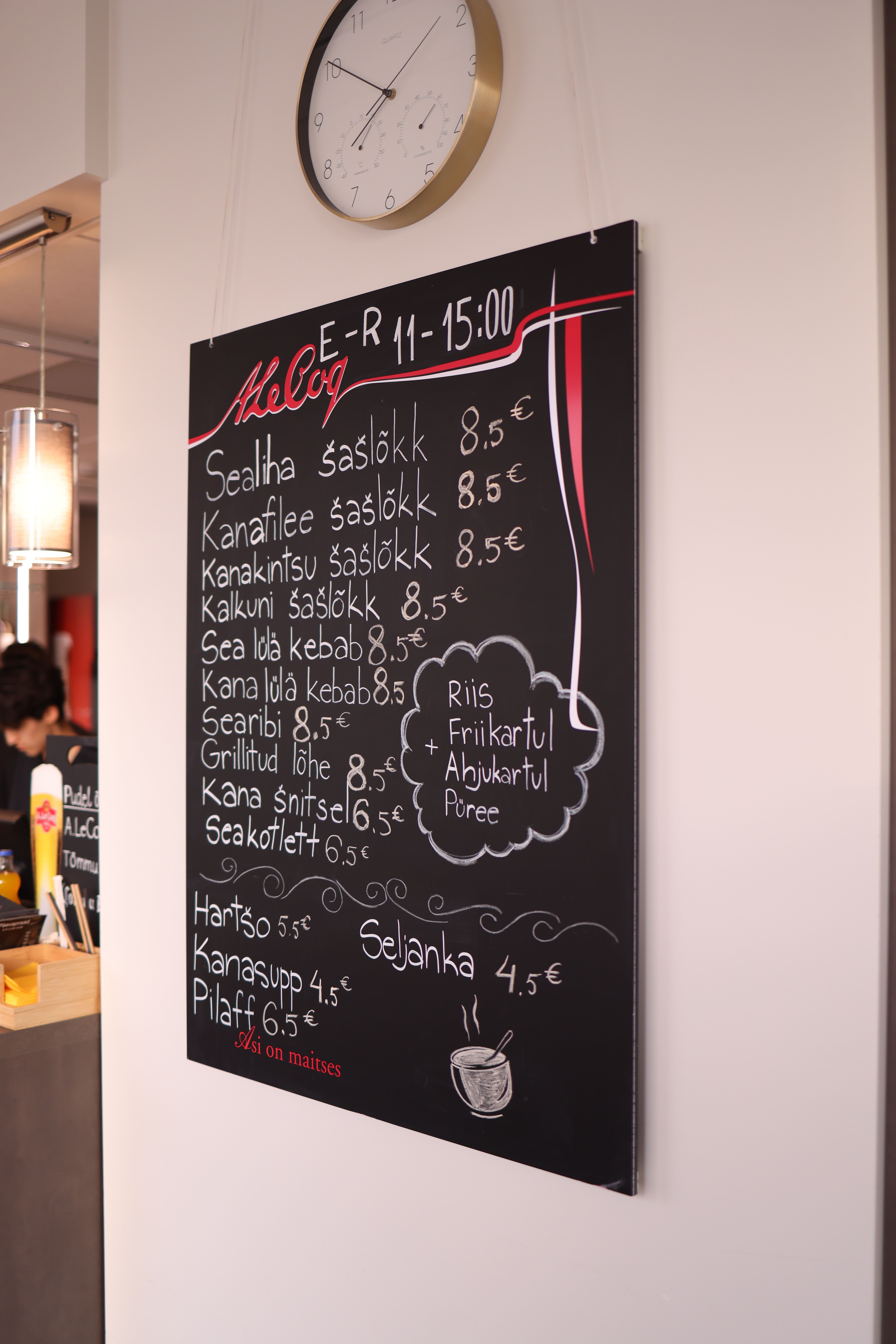
A restaurant bill reflects much more than what is on the plate. Operators are paying for ingredients, labor, rent, utilities, insurance, and freight, and many of those costs have stayed elevated even after the sharpest inflation spikes cooled.
That is why menu prices often rise faster than grocery prices. Industry tracking shows the cost of eating out has been increasing more quickly than food at home, creating a gap that diners can feel almost every time they sit down for a meal.
In simple terms, restaurants are pricing in a whole operating system, not just dinner. When several of those expenses climb at once, the menu is usually where the pressure shows up.
Food costs are still unpredictable

Ingredients remain one of the biggest wild cards for restaurants. Eggs, beef, dairy, seafood, and produce can swing in price quickly when weather shifts, disease outbreaks hit farms, or global trade disruptions affect supply.
For restaurants, that creates a difficult balancing act. A dish that was profitable one month can suddenly become far more expensive to make, especially when suppliers add processing or freight costs on top of the raw ingredient price.
Diners may notice this in subtle ways before they see a headline price jump. Menus get trimmed, premium ingredients appear less often, and daily specials sometimes replace dishes that have become too costly to keep year-round.
Higher wages are shaping the dining experience
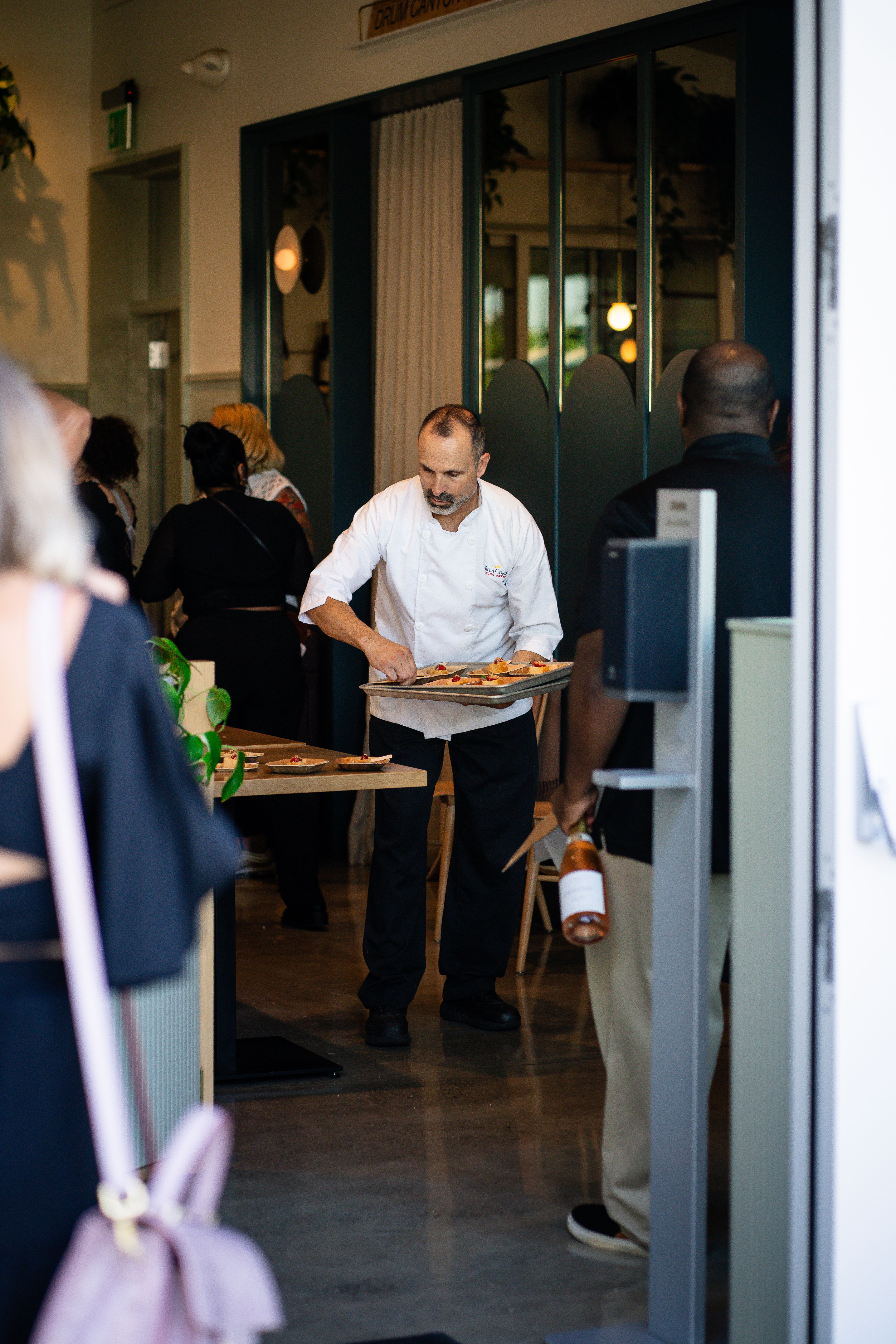
Labor is often the largest controllable expense for a restaurant, and wage pressure has remained intense. In a tight hiring market, restaurants have had to offer better pay to recruit and keep cooks, servers, dishwashers, and managers.
That is good news for workers, but it also changes how restaurants operate. Some businesses adjust staffing levels, shorten hours, or rely more heavily on cross-trained employees who can move between front and back of house.
For diners, the result can feel mixed. You may see fewer staff on the floor, more QR code ordering, or slightly slower service at peak times, even at places that are trying hard to protect hospitality while managing payroll.
Rent, utilities, and delivery all add to the check
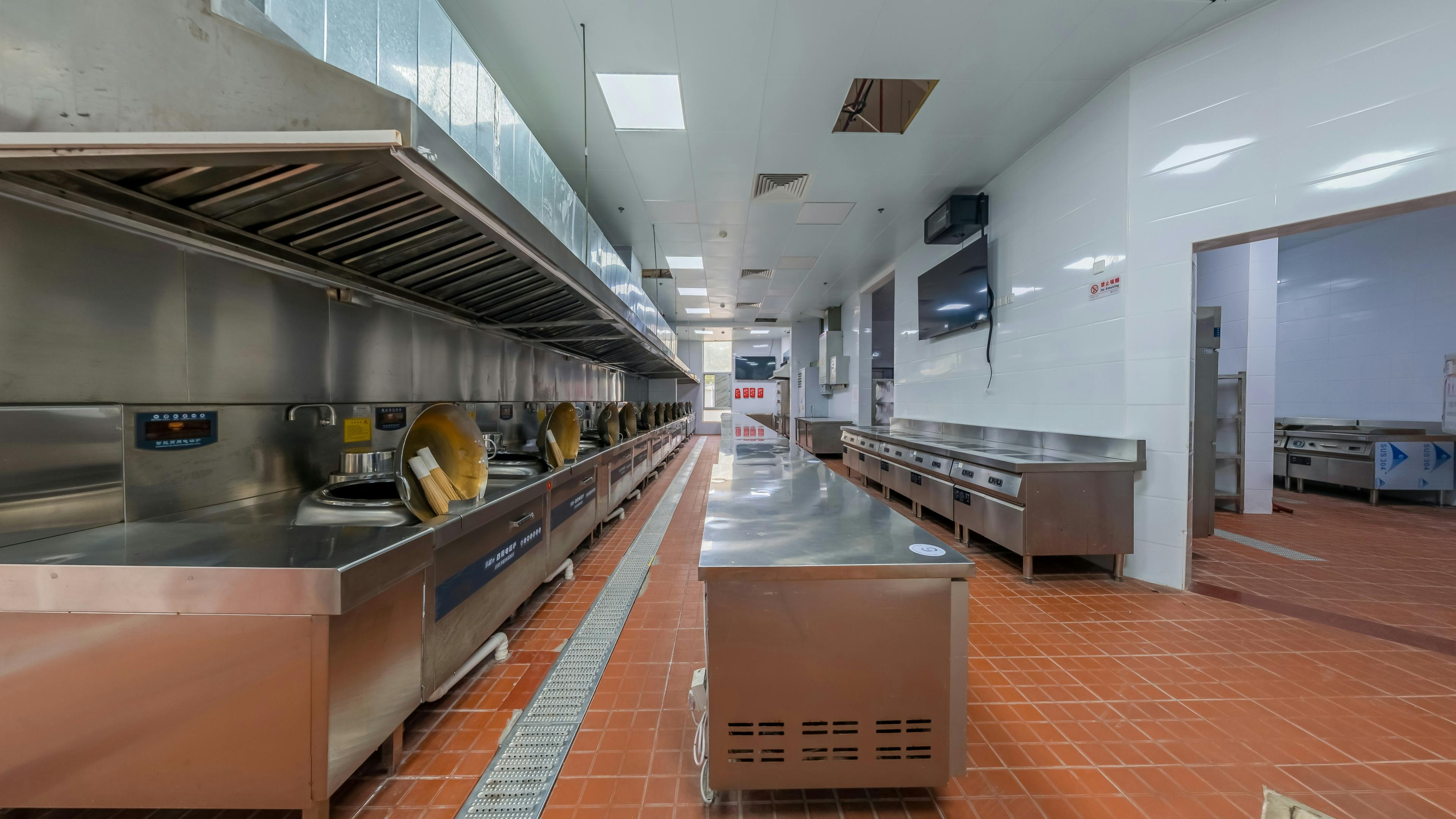
Some of the biggest cost increases are the least visible to guests. Restaurants are also dealing with higher rent, property-related expenses, utilities, insurance, and the cost of moving products from suppliers to their kitchens.
Even when food commodity prices ease, transportation and energy can keep overall costs elevated. Freight surcharges, fuel volatility, and delivery logistics all affect what restaurants ultimately pay for ingredients and packaged goods.
That helps explain why prices do not always fall when a few grocery staples get cheaper. Restaurants are managing a larger stack of fixed and variable costs, and many of those expenses are stubborn enough to keep menus inching upward.
Diners are changing how they order
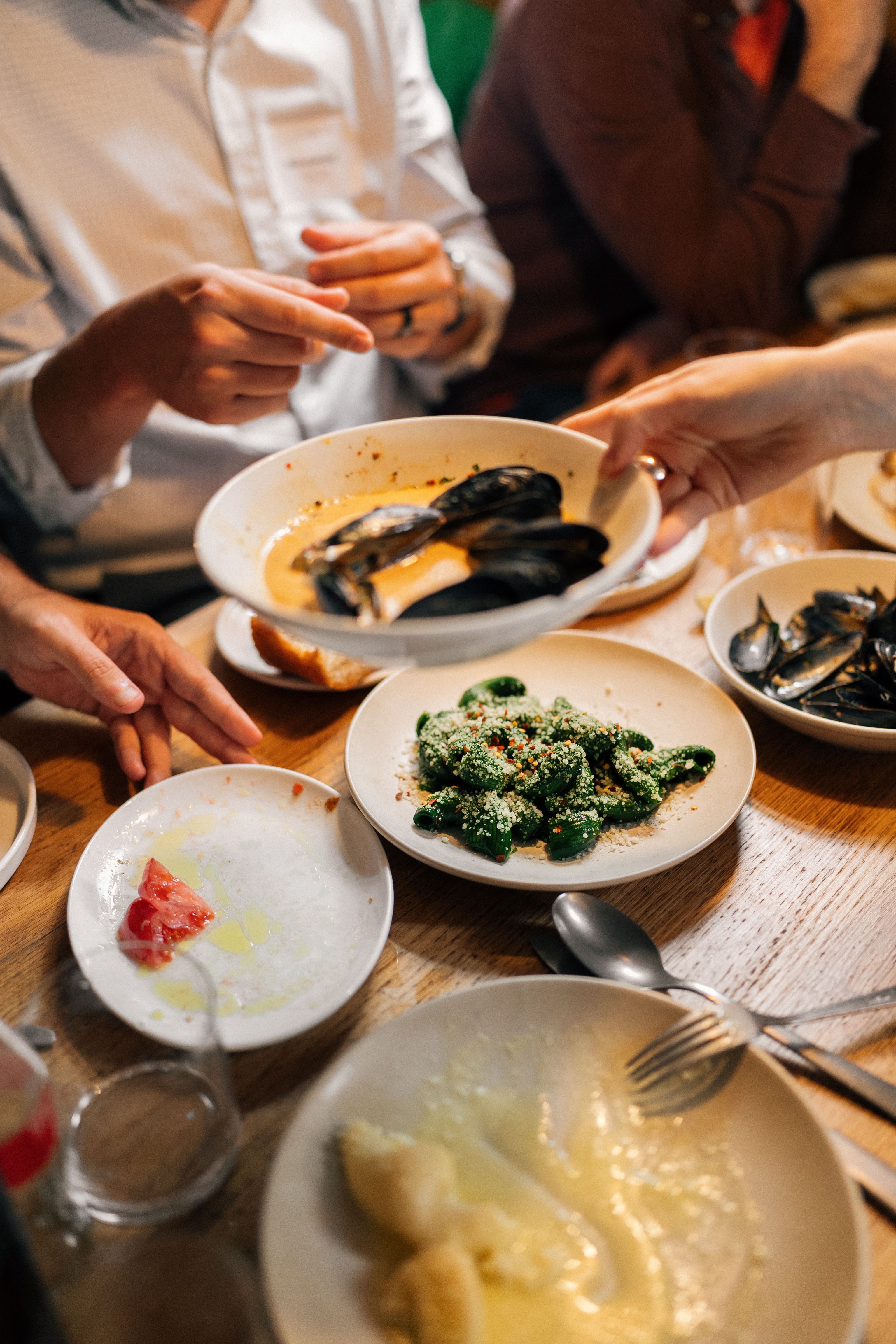
As restaurant prices rise, customers rarely stop reacting. Many people are going out less often, choosing lunch over dinner, or opting for takeout instead of a full dine-in experience to keep spending under control.
When they do order, they are often trimming the extras first. Drinks, appetizers, desserts, and premium add-ons tend to be the first things to disappear from the check when budgets feel tight.
This shift matters because those items are often profitable for restaurants. A table that still comes in but spends less can be harder on the business than it looks, which is one reason operators keep searching for new value offers without cutting too deeply into margins.
Value deals are back, but they come with trade-offs
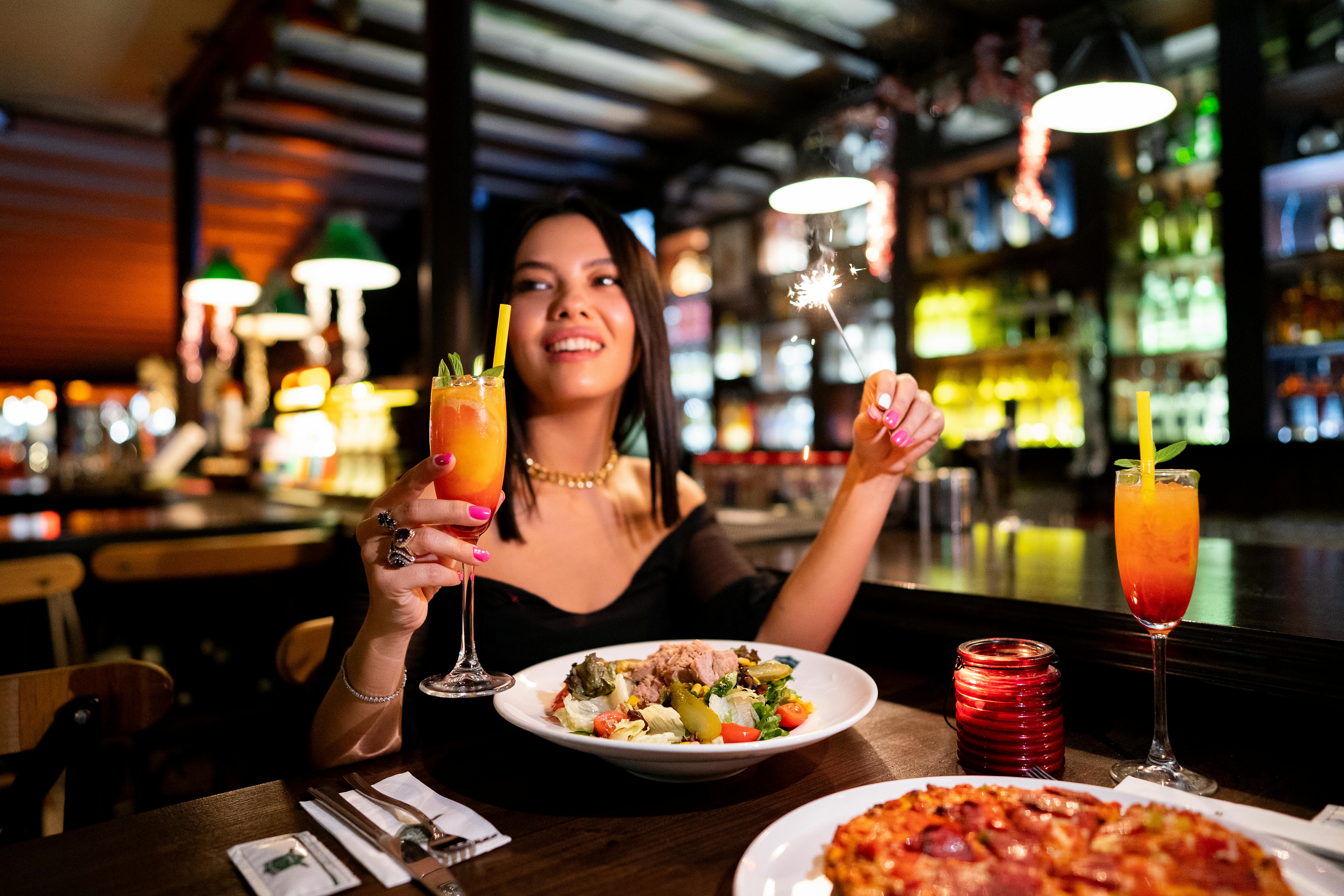
Restaurants know diners are more price-sensitive, so value meals, bundles, happy hour offers, and limited-time promotions are becoming more important again. These deals can help bring people through the door when regular menu prices feel steep.
But promotions are not a magic fix. If discounts are too aggressive or too broad, restaurants can win traffic while losing profitability, especially when ingredient and labor costs are still running high.
That means diners may see offers that are more targeted than they used to be. Instead of blanket discounts, expect combo meals, app-based deals, smaller portions at lower prices, or carefully framed specials designed to preserve the sense of value without blowing up the math.
The menu itself may be changing
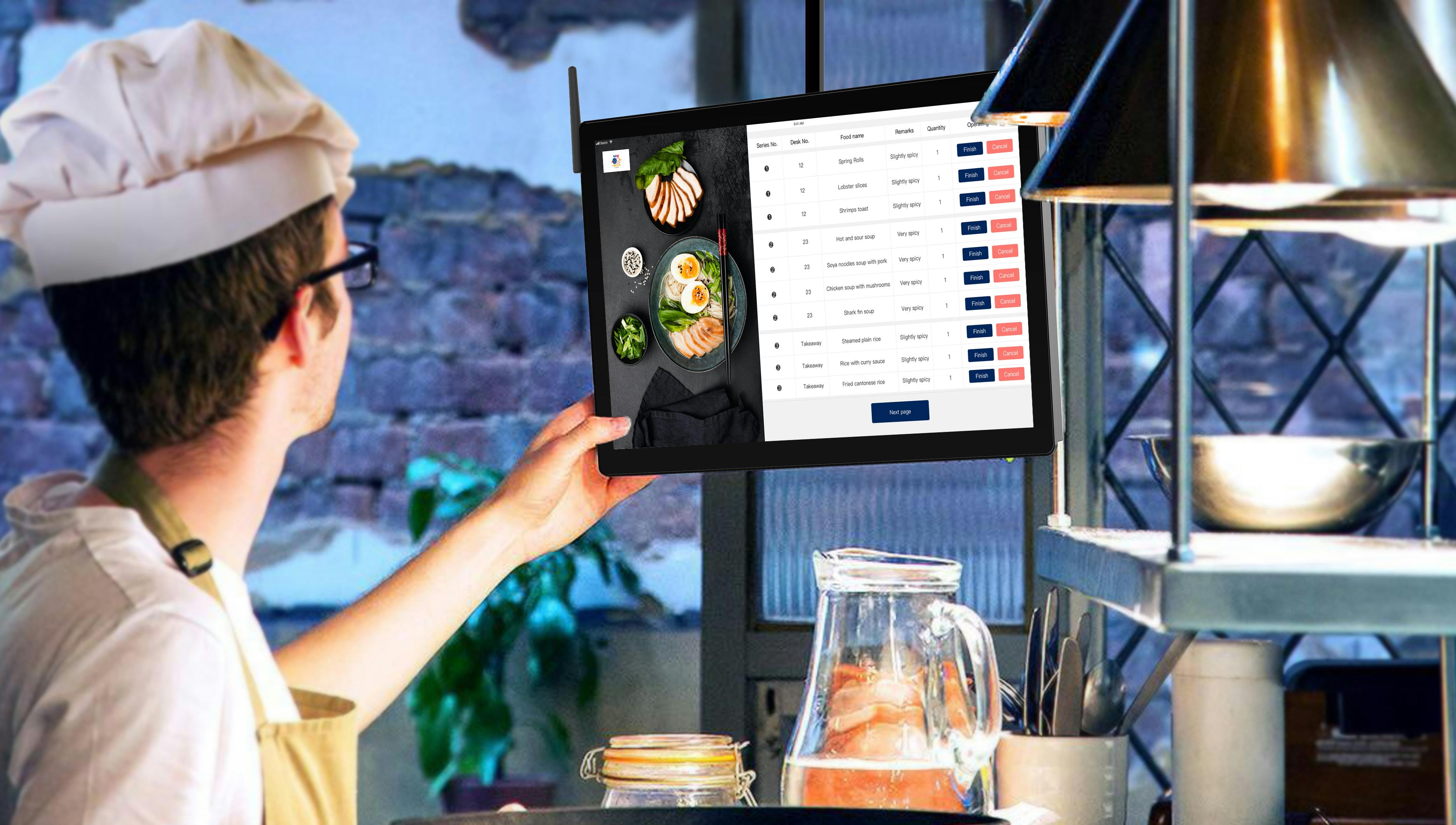
Not every price increase shows up as a bigger number beside a dish. Restaurants often respond to inflation by redesigning the menu, adjusting portion sizes, swapping ingredients, or pushing items with steadier margins more prominently.
This is often called menu engineering, and it can be surprisingly subtle. A chicken dish may replace a more volatile beef option, side choices may narrow, or a familiar favorite may return with a slightly smaller portion and a cleaner presentation.
For diners, the takeaway is simple: the experience may look similar, but the business logic behind the menu is shifting. What feels like a creative refresh is often also a financial strategy to keep the restaurant stable without constant visible price shocks.
What diners should expect next

The most likely scenario is not a dramatic spike, but a steady climb. Industry forecasts suggest restaurant prices may keep rising by roughly 3% to 4% a year for the next few years, even if inflation overall feels less chaotic than it did in 2022 or 2023.
That means diners should prepare for restaurant spending to stay under pressure. The pricier check is part of it, but so are more strategic promotions, more selective ordering, and more noticeable differences between value-focused chains and full-service spots.
Eating out is not disappearing, but it is becoming a more deliberate purchase. For many households, the new normal is choosing restaurant meals more carefully and expecting every outing to deliver clearer value than before.