
Some dishes do not disappear all at once. They simply stop showing up, one menu redesign at a time.
Hot Hamburger Sandwich

Few restaurant meals once felt more dependable than a hot hamburger sandwich. Across Canada, especially in family restaurants, diners, and hotel coffee shops, it was a default comfort order: a ground beef patty on white bread, covered in gravy, often with mashed potatoes and canned peas.
Its popularity came from pure practicality. Kitchens could use burger patties already on hand, stretch portions with bread and potatoes, and serve a plate that felt hearty in winter. In Prairie provinces and small-town Ontario, it was especially common because it fit the meat-and-potatoes style that defined mid-century Canadian dining.
Today, it is rare because menus have moved toward handheld burgers, poutines, and globally inspired bowls. The hot hamburger also suffers from perception. Younger diners often see it as cafeteria food, while operators see a messy, low-margin plate that does not photograph well and demands last-minute gravy service.
Liver and Onions

Liver and onions was once a serious sign that a restaurant catered to regulars, not trends. In many Canadian lunch counters and legion-style dining rooms, it stood for value, nutrition, and old-school home cooking, usually served with bacon, gravy, and a pile of mashed potatoes.
For much of the 20th century, organ meats were normal menu items because they were affordable and widely accepted. During and after wartime rationing, households learned to cook economical cuts, and restaurants followed suit. Beef liver, in particular, was promoted for its iron content and filling nature, making it popular among working-class diners and seniors.
Its collapse has been steep. Modern customers tend to avoid strong flavors and unfamiliar textures, and many younger cooks have little interest in preparing it. Restaurants also trimmed menu items that sold only occasionally, so liver and onions disappeared first from chains, then from independent family spots trying to compete.
Open-Faced Hot Turkey Sandwich

There was a time when the open-faced hot turkey sandwich was almost guaranteed at any restaurant with a soup-and-sandwich section. Sliced roast turkey over white bread, smothered in gravy and paired with cranberry sauce, it offered a Thanksgiving-style meal any day of the week.
The dish thrived in an era when restaurants roasted whole turkeys for multiple uses. Leftover meat could become sandwiches, hot plates, or turkey tetrazzini, helping kitchens control food costs. Canadian coffee shops and department-store restaurants relied on that kind of efficient cross-use, especially before tightly engineered chain menus became standard.
Now the economics work against it. Roasting turkeys in-house takes labor, time, and storage space, while prepared turkey products often lack the texture diners remember. Because it is more knife-and-fork plate than sandwich, it also loses out to portable lunch items and faster-service formats that dominate the current market.
Welsh Rarebit

Its name sounded fancy, but Welsh rarebit was once a familiar sight in parts of Canada, especially in older tea rooms, hotel dining rooms, and church-adjacent lunch spots. The dish, essentially toast covered in a rich cheese sauce sharpened with mustard and sometimes beer, fit Canada's British culinary inheritance.
In the first half of the 20th century, English and Welsh influences shaped many restaurant menus, particularly in Ontario and the Maritimes. Rarebit was appealing because it felt modest yet refined, and it could be served as a light supper, ladies' lunch, or late-night bite. Cookbook culture reinforced its popularity for decades.
It faded as British-style menu language lost prestige and continental, then North American casual dining took over. Restaurants that still serve cheese-forward comfort dishes usually present them as gourmet grilled cheese, croque monsieur, or mac and cheese. Rarebit survives mostly in memory, and sometimes in heritage inns that keep older recipes alive.
Tomato Aspic Salad
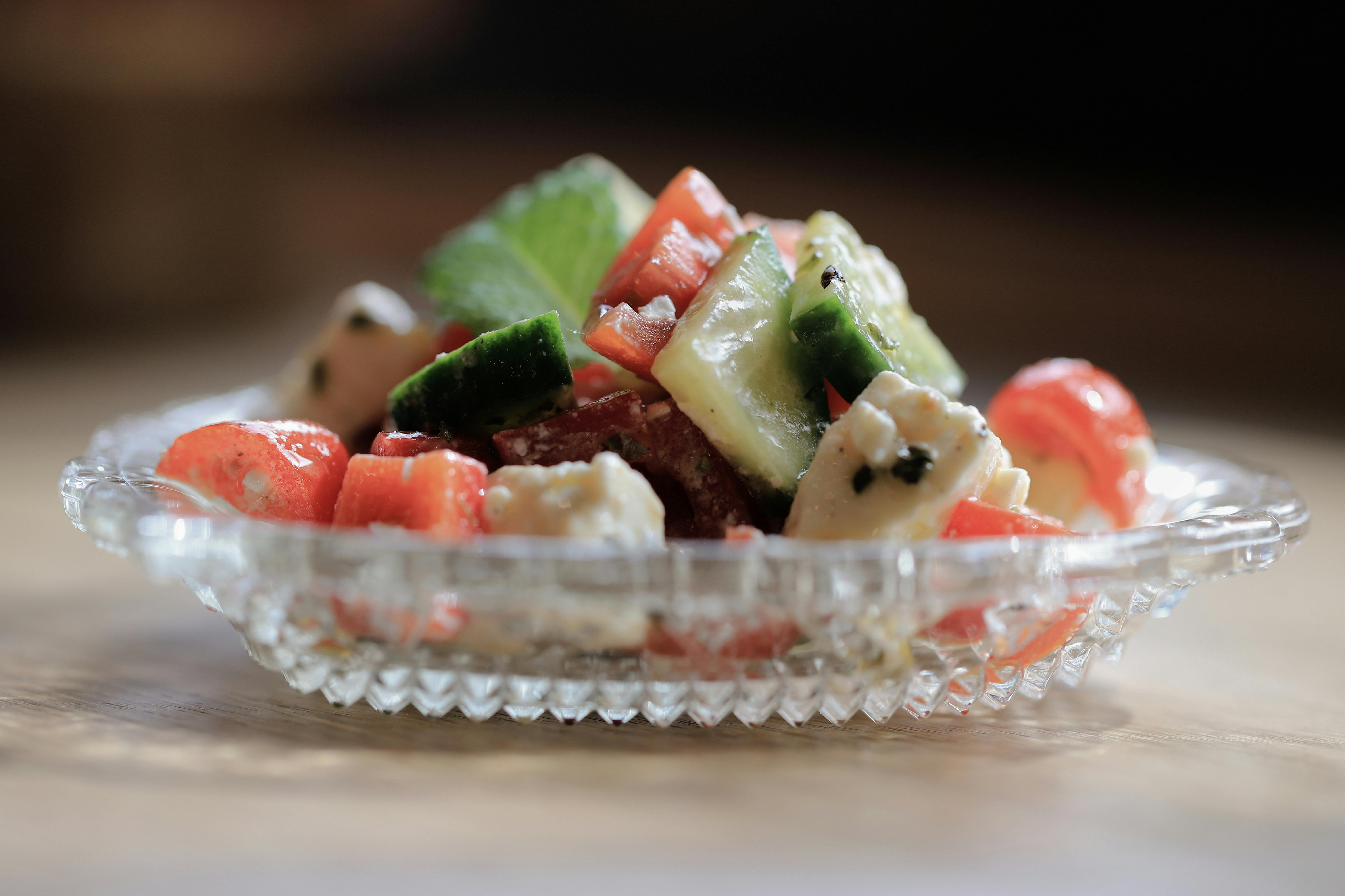
Nothing says another restaurant era quite like tomato aspic salad. Molded, chilled, and brightly red, this gelatin-based dish appeared on lunch menus, banquet plates, and special occasion dinners, often with lettuce, celery, shrimp, or a scoop of mayonnaise on the side.
Its rise was tied to mid-century food fashion and advances in commercial gelatin products. Restaurants liked aspic because it could be made ahead, portioned neatly, and held cold for service. In an age that admired molded salads and polished presentation, tomato aspic suggested effort, elegance, and modern kitchen technique.
Today, nearly every factor that once helped it has reversed. Diners tend to distrust savory gelatin, visual expectations have changed, and cold molded salads read as relics rather than luxuries. Because demand is almost nonexistent, few chefs bother reviving it except for nostalgia dinners or historically themed menus.
Corned Beef Hash from Scratch

Scratch-made corned beef hash used to signal a kitchen that wasted nothing and fed people well. In Canadian diners and railway-hotel breakfast rooms, chopped corned beef mixed with potatoes and onions, then crisped on the griddle, was a practical, deeply satisfying plate, often topped with eggs.
The dish worked because it turned leftovers into something greater than the original roast. Before centralized food distribution and tightly portioned inventory systems, restaurants had more trim, more roast meat, and more reason to repurpose it creatively. Hash was part of a larger thrift tradition that shaped everyday Canadian restaurant cooking.
Its decline reflects bigger operational changes. Many restaurants now buy pre-portioned proteins, leaving fewer usable leftovers, while frozen hash products replaced labor-intensive house versions. Customers can still find canned corned beef hash in some places, but the crisp, from-scratch style that once defined a good diner has become unusually hard to locate.
Rice Pudding

A humble glass dish of rice pudding once belonged in the dessert case beside pie slices and tapioca. In Canadian family restaurants, cafeterias, and hospital-adjacent coffee shops, it offered a cheap, comforting finish, usually flavored with vanilla, nutmeg, cinnamon, or raisins.
Its staying power came from cost and familiarity. Rice, milk, and sugar were pantry basics, and the dessert appealed across generations, especially to immigrants from British, Scandinavian, and Eastern European traditions where similar puddings were common. It also fit an older restaurant model that relied on a rotating lineup of house-made, spoonable desserts.
Now dessert programs are built around speed, brand identity, and visual impact. Cheesecake, lava cake, and oversized cookies outperform rice pudding because they feel more indulgent and easier to market. What disappeared was not just a dessert, but a style of restaurant hospitality that valued plain comfort as much as spectacle.

Leave a Reply