
Canada's holiday table changes dramatically from one province to the next. This six dish ranking highlights festive foods strongly associated with different parts of Canada, ordered from the least broadly appealing to the most memorable for a general audience.
Jiggs dinner, Newfoundland and Labrador
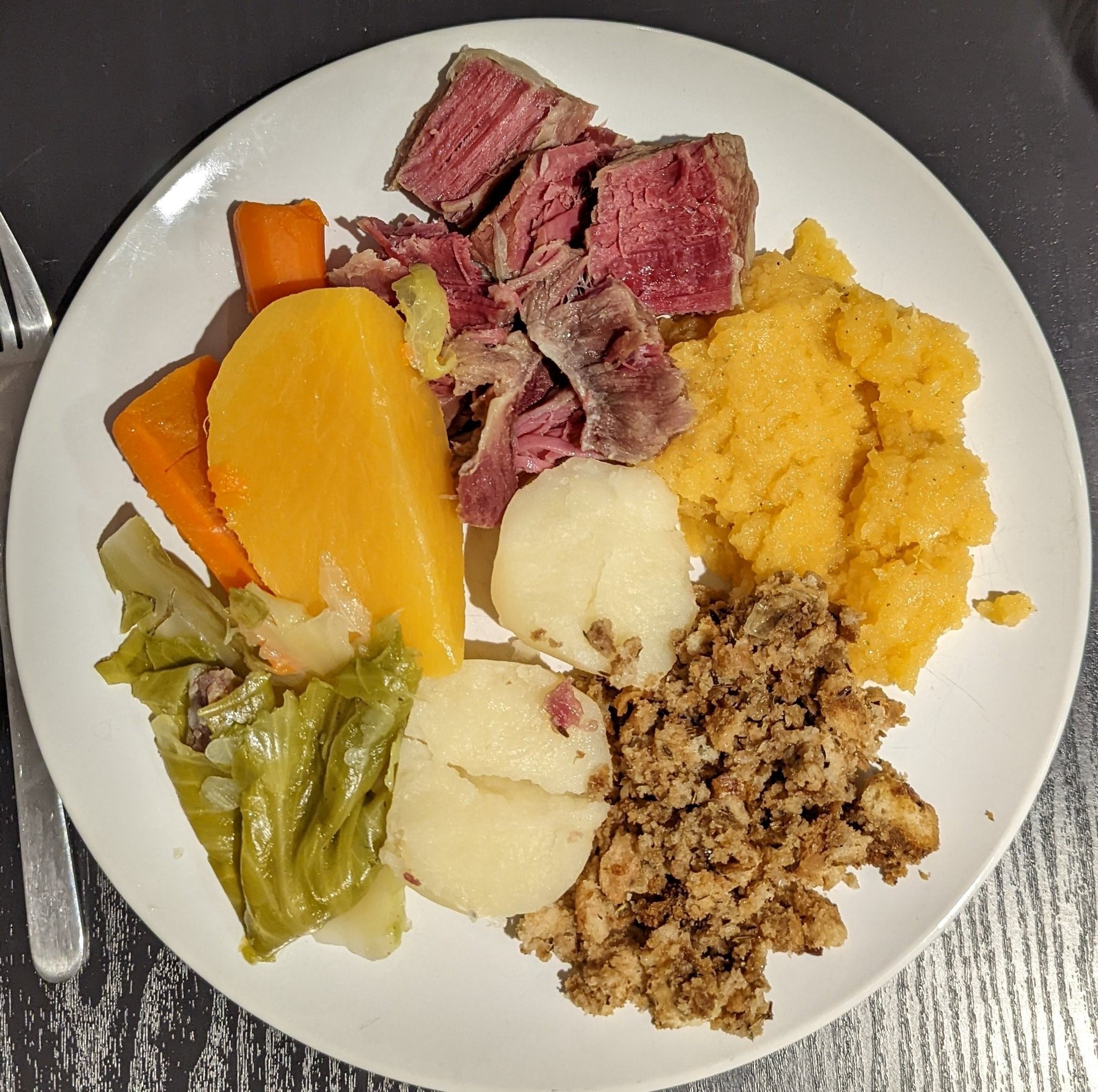
Few holiday meals are as old-fashioned as Jiggs dinner. In Newfoundland and Labrador, this boiled feast usually brings together salt beef, cabbage, carrots, turnip, potatoes and split peas, often with pease pudding cooked in a bag. It is filling and deeply traditional, but its plain appearance and salty profile make it a tougher sell for diners who did not grow up with it.
The dish reflects the province's history of preserved foods and practical cooking. Salt beef mattered because it kept well, and root vegetables handled the climate better than more delicate produce. At Christmas, many families still serve a version of Jiggs dinner because it carries a strong sense of continuity.
Its place at the bottom is not a judgment on its importance. It lands here because this ranking weighs broad holiday appeal along with regional character, and Jiggs dinner is more respected than universally craved.
Fricot with doughboys, New Brunswick
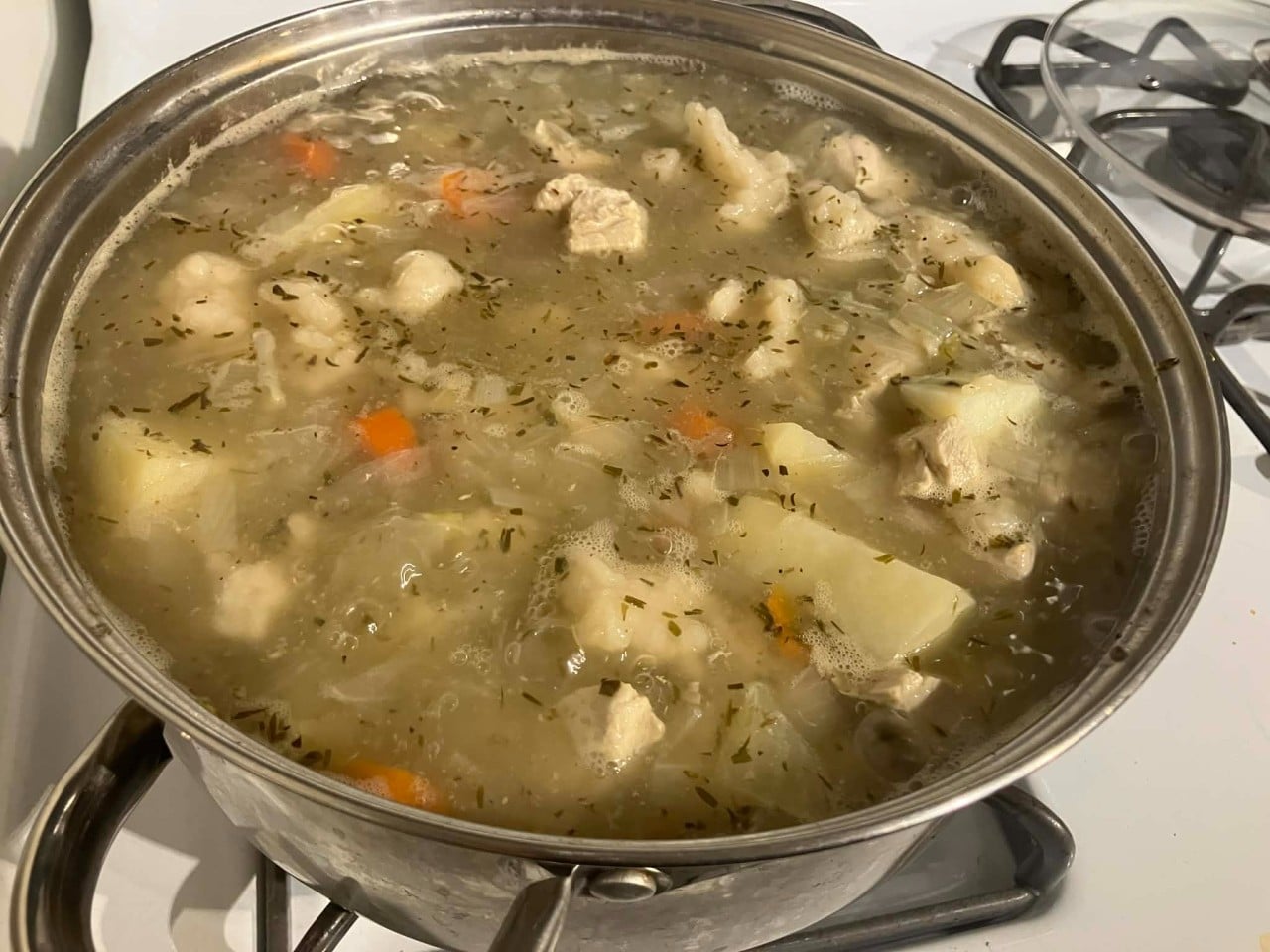
Comfort comes first with fricot, a rustic Acadian stew that often appears with chicken, potatoes, onions and savory, the herb that gives it a distinctive Maritime note. Doughboys, simple dumplings dropped into the pot, turn it into a cold weather meal that feels especially suited to holiday gatherings. It is hearty and welcoming, but it is not as instantly festive as some richer Christmas dishes.
Fricot is closely tied to Acadian foodways in New Brunswick. Its strength is not extravagance but thrift, warmth and the ability to feed a table without fuss. That practical spirit is part of why it remains beloved.
In a ranking like this, fricot loses points only because it reads as everyday comfort before it reads as celebration. Still, for people who value honest winter cooking, it has a compelling case.
Rappie pie, Nova Scotia
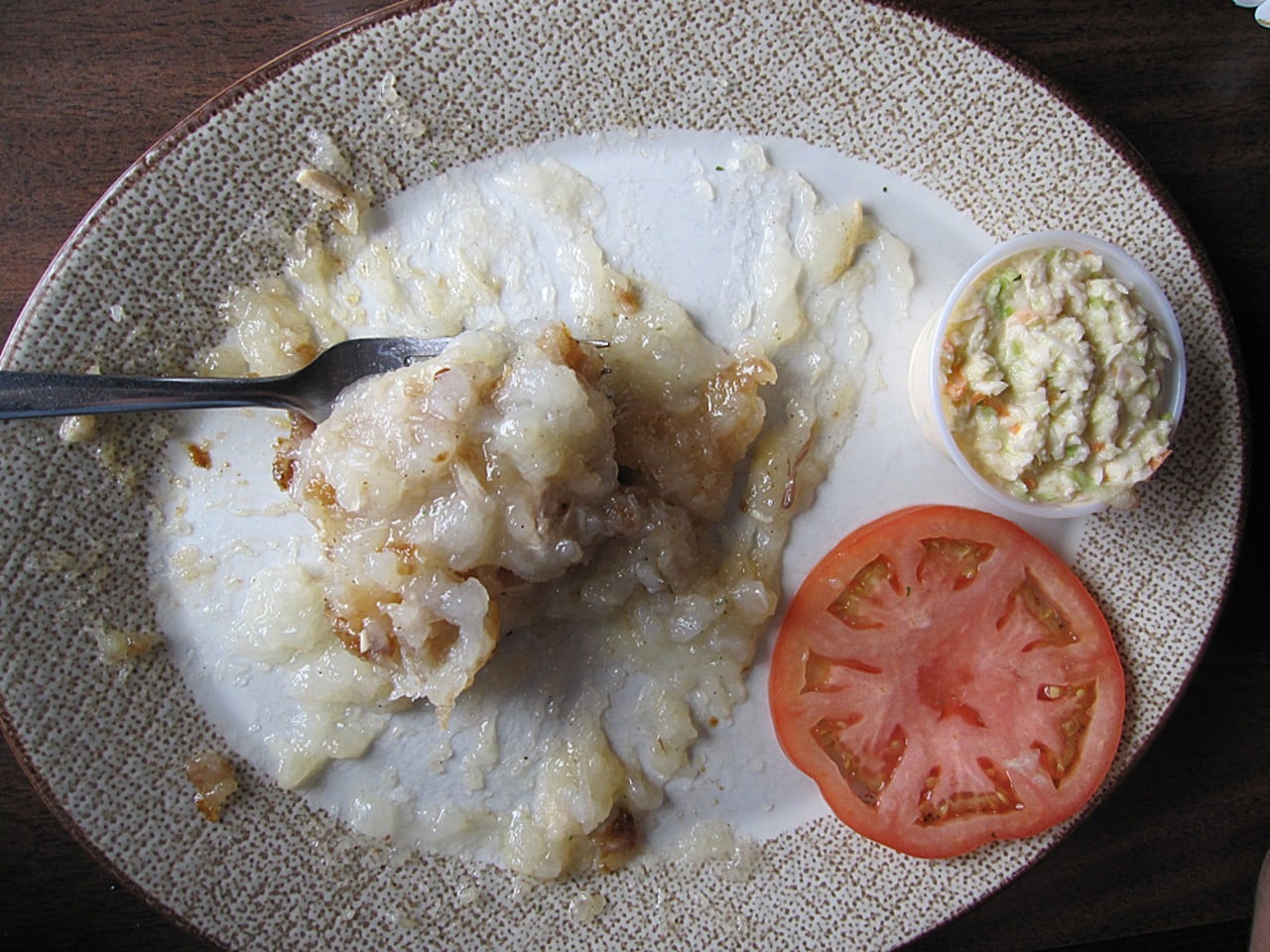
Rappie pie makes a strong first impression because there is nothing quite like it. This Acadian dish is built from grated potatoes that are strained, mixed with broth and baked, often around chicken, pork or clams. The result is dense, savory and unmistakably regional.
Its texture is exactly why it divides people. Fans prize the rich potato flavor and the way the broth soaks through the dish, while skeptics find it heavy compared with flakier pies or cleaner roasted meats. During the holidays, though, its labor intensive method gives it a special occasion feel.
Nova Scotia's Acadian communities have kept rappie pie alive across generations. That cultural weight lifts it in the ranking, even if it remains one of the most polarizing plates on the list.
Tourtière, Quebec
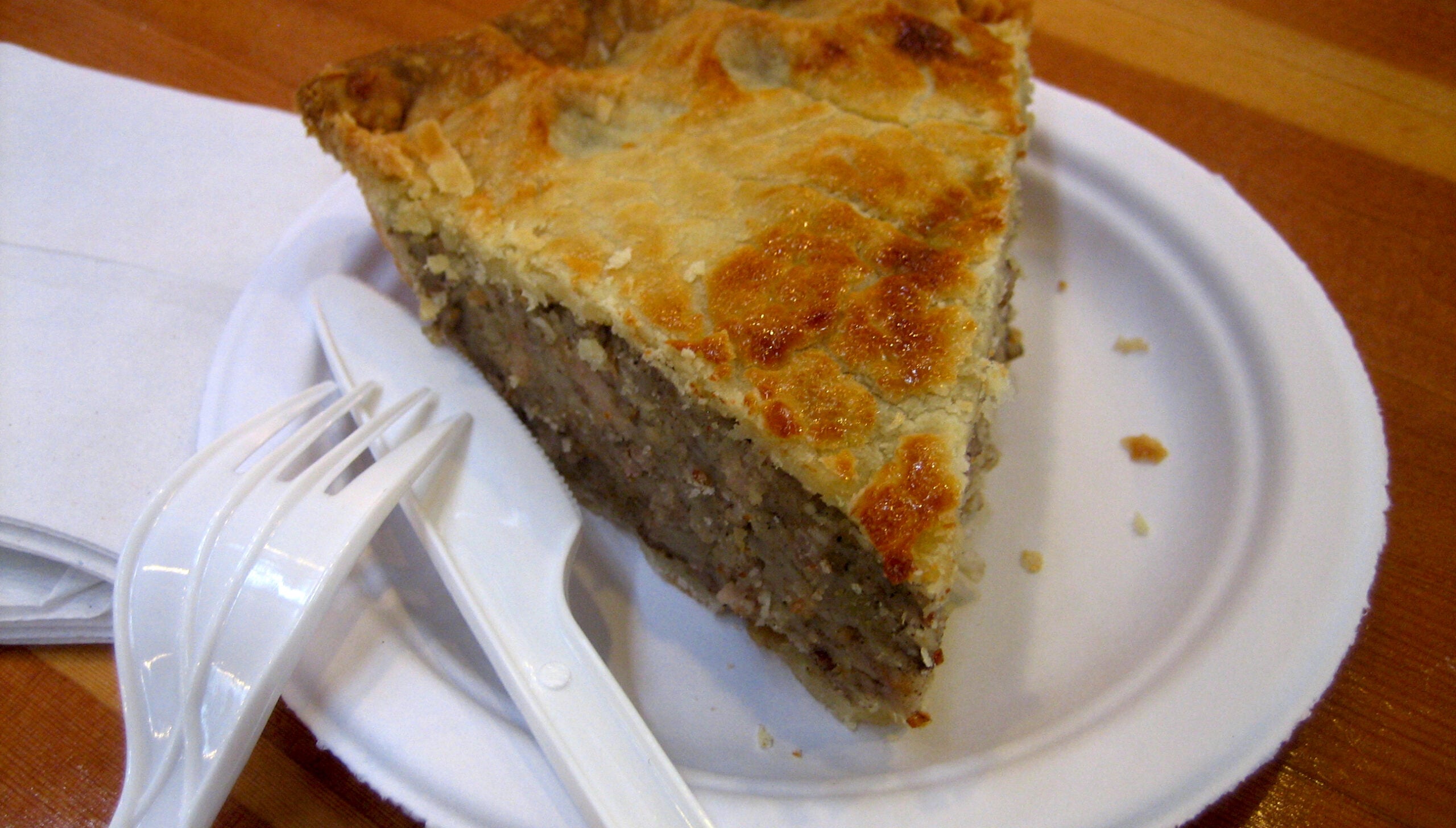
Some holiday dishes win on aroma alone, and tourtière is one of them. Quebec's classic meat pie is most closely linked with Christmas and New Year celebrations, especially réveillon, the late night feast that follows Midnight Mass in older tradition. Depending on the region, the filling may feature pork, beef, veal or game, seasoned with spices that set it apart from an ordinary savory pie.
Tourtière works because it feels festive and familiar at the same time. It slices neatly, feeds a group and pairs easily with chutneys, pickles or cranberry based sides. That balance helps it travel well beyond Quebec.
It ranks this high because it is one of the clearest examples of a Canadian holiday dish with national recognition. For many households, it is not just food but a yearly marker of the season.
Sugar pie, Manitoba
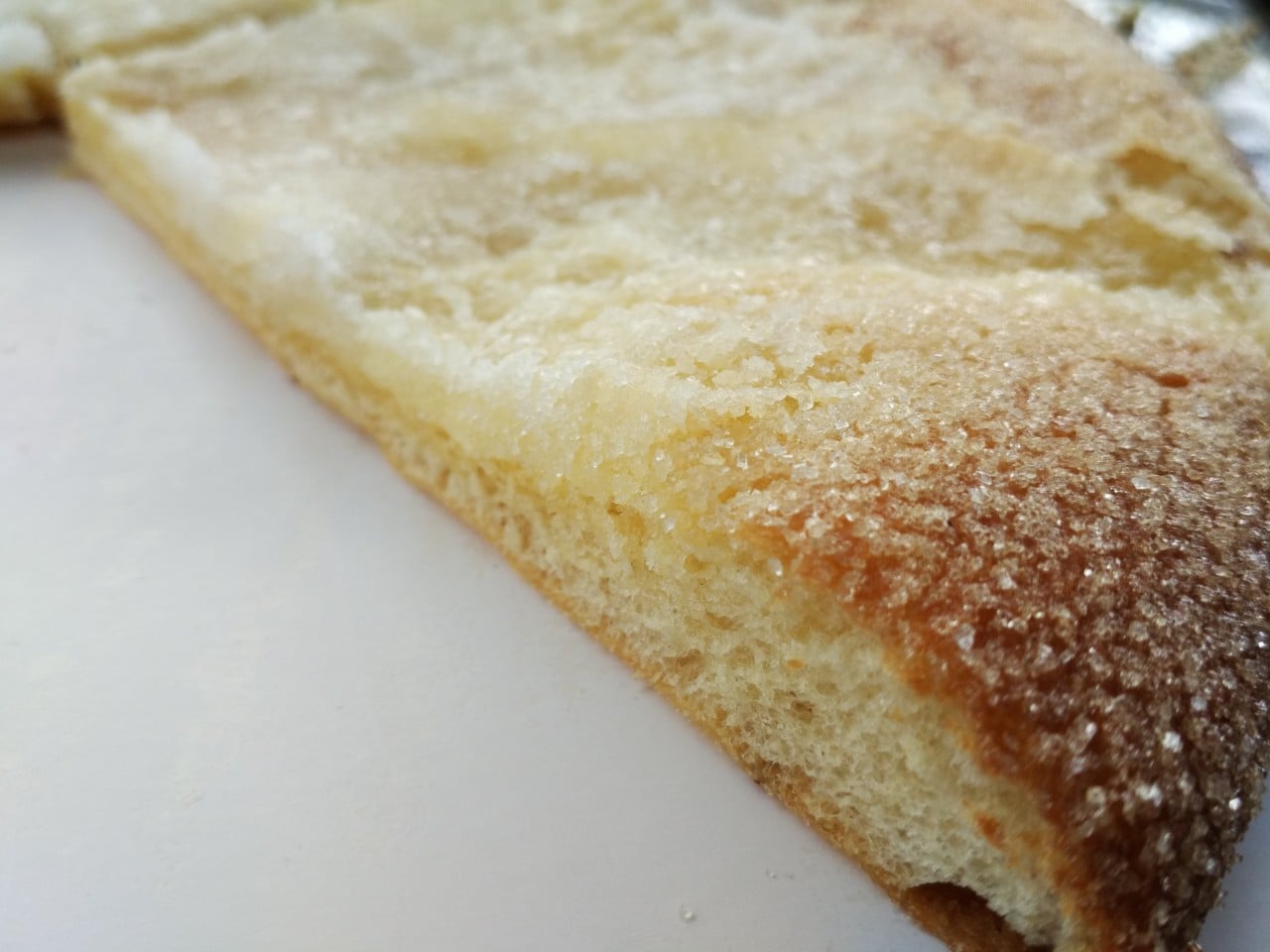
Holiday desserts often earn their place by delivering pure comfort, and sugar pie does that with very little effort. In Manitoba, where French Canadian and Métis influences helped shape local food traditions, versions of tarte au sucre remain a familiar treat during colder months and festive gatherings. Its filling, built around sugar, cream or milk, and butter, creates a rich custardy center under a simple crust.
The appeal is immediate. Unlike more challenging regional dishes, sugar pie asks for no acquired taste and no explanation. It feels celebratory because it is sweet, indulgent and easy to share after a large meal.
It takes second place because it combines strong holiday energy with broad popularity. The only reason it does not top the list is that the final dish carries even more Christmas specific identity in Canada.
Butter tarts, Ontario
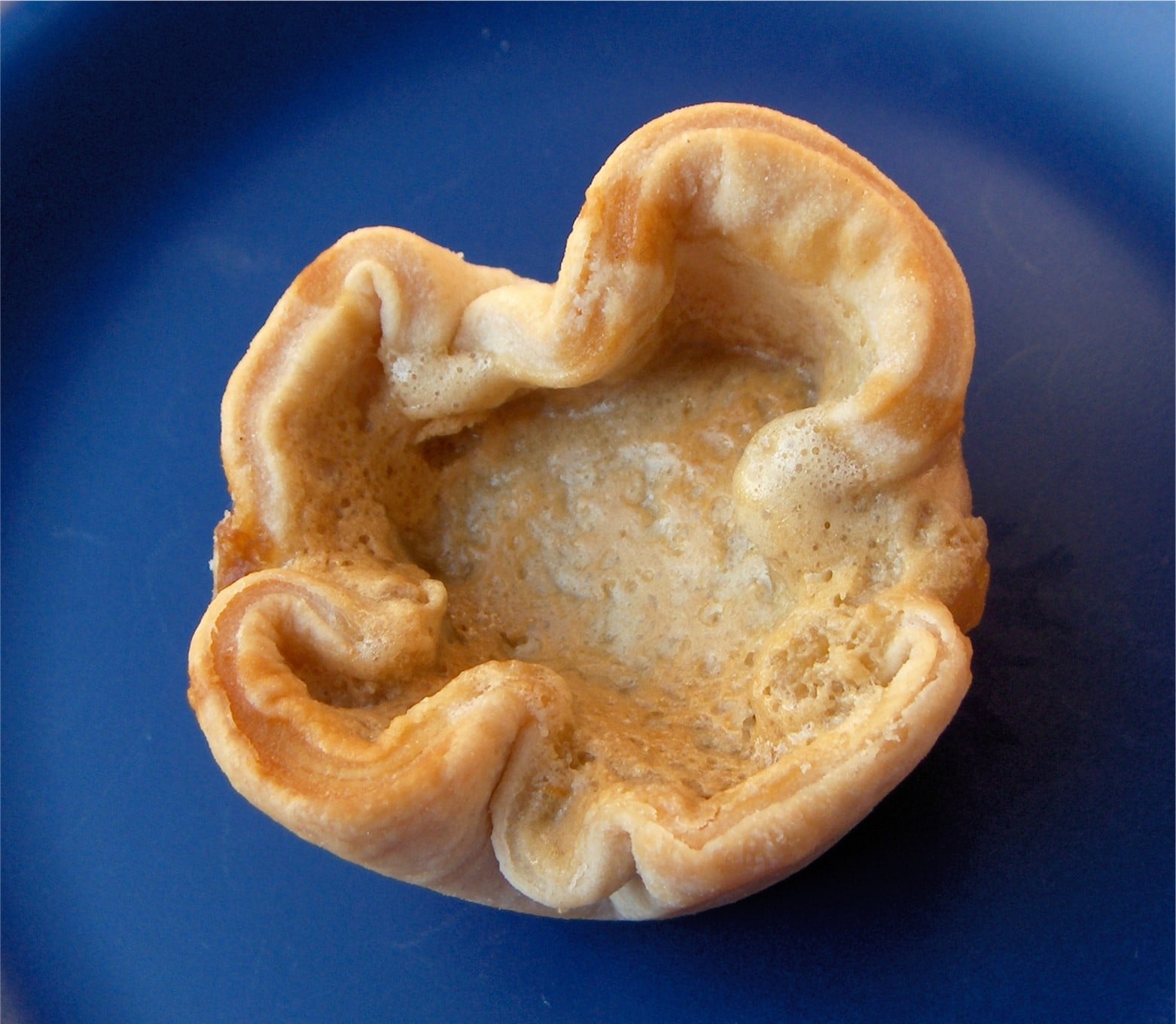
The best holiday dish in this ranking is also one of Canada's most argued over. Ontario is widely treated as the home of the butter tart, with recipes appearing in early 20th century community cookbooks from the province. At Christmas, trays of these small pastries regularly appear beside shortbread, fruitcake and other seasonal baking.
What makes them stand out is the balance of texture and flavor. A good butter tart has a flaky shell and a filling that is sweet, buttery and just set, with fierce debate over whether raisins or nuts belong inside. That long running argument has only strengthened the tart's cultural hold.
Butter tarts finish first because they are distinctively Canadian, deeply linked to holiday baking and broadly loved well beyond Ontario. Few festive foods do a better job of feeling regional, nostalgic and instantly appealing all at once.


Leave a Reply